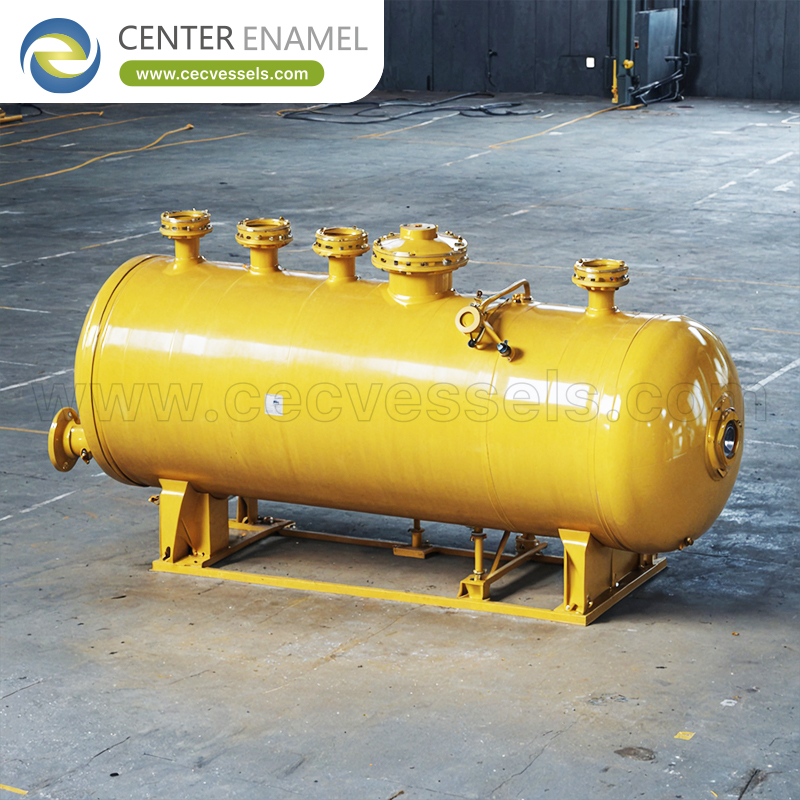
Cutting-Edge Adsorption Filters Designed for Effective VOCs Treatment in Industrial Environments
Volatile Organic Compounds are gaseous pollutants emitted by thousands of industrial processes, including solvent usage, painting, printing, chemical reactions, and fuel storage. pose a significant challenge to global industry due to stringent environmental regulations and their direct impact on air quality and public health. Companies operating in these sectors are under increasing pressure to demonstrate reliable and high-efficiency emission control.
For many industrial applications, particularly those involving low to medium concentrations of in high-volume air streams, Adsorption Filters represent the most practical, energy-efficient, and effective technology for VOCs Treatment. Traditional methods like thermal oxidation can be energy-intensive, making adsorption a superior choice for certain concentration and flow rate profiles.
The primary goal of using an Adsorption Filter is simple but critical: to pass the contaminated air or gas stream through a vessel containing a highly porous material (the adsorbent) that physically attracts and holds the gaseous organic molecules onto its surface. This process separates the pollutants from the air, allowing the clean effluent to be safely vented.
The Mechanism: Maximizing Surface Area for Capture
Adsorption Filters function based on the principle of physical adsorption, a phenomenon driven by van der Waals forces.
Adsorbent Media: The central component is the adsorption media, most commonly activated carbon, which is highly porous. A single pound of activated carbon can have a surface area equivalent to several football fields. Other specialized media, such as zeolites or polymer resins, may be used for specific or process conditions.
Contact and Capture: The laden gas stream is directed through a stationary bed of the media contained within the filter vessel. As the gas flows, the molecules are physically attracted to and held within the thousands of micro-pores on the surface of the media particles.
Mass Transfer Zone: The adsorption process forms a "mass transfer zone" where the concentration of drops from the inlet concentration to near-zero (the clean effluent). As the process continues, this zone slowly moves through the media bed until the entire bed is saturated.
Regeneration or Replacement: Once the media bed is saturated and the concentration begins to "breakthrough" into the effluent stream, the process requires action:
Non-Regenerable: The saturated media is removed and disposed of or sent for external regeneration.
Regenerable Systems: The are desorbed (removed) from the media using heat, steam, or vacuum, concentrating the for destruction or recovery, and restoring the media's adsorption capacity for reuse.
This process provides a high-efficiency, reliable method for cleaning large volumes of industrial exhaust gas.
Shijiazhuang Zhengzhong Technology Co.,Ltd (Center Enamel), as an experienced Adsorption Filters Manufacturer, designs and constructs the custom pressure vessels that house these critical gas treatment processes.
Center Enamel's Cutting-Edge Adsorption Filter Design
Designing Adsorption Filters for VOCs Treatment requires specialized expertise in pressure vessel fabrication, fluid dynamics (to ensure uniform gas flow), and material handling (for media loading/unloading and thermal regeneration).
1. Optimized Flow Dynamics for Efficiency
The performance of an adsorption system is highly sensitive to how uniformly the gas flows through the media bed.
Uniform Distribution: Our filter vessels are engineered with custom-designed gas inlet plenums and distribution plates. These internals ensure that the laden air is distributed evenly across the entire cross-section of the media bed. This prevents channeling or bypassing, maximizing the contact time and utilization of the adsorbent media.
Pressure Drop Management: The internal design minimizes the pressure drop across the filter while maximizing contaminant removal. This efficiency translates directly into lower energy consumption for the process blowers and fans required to push the gas through the system.
Bed Support Integrity: The media support system (screens, grids, or porous plates) is custom-designed for the specific media size to prevent particle loss while maintaining structural integrity during both filtration and high-temperature regeneration cycles.
2. Robust Construction for Regeneration and Safety
For systems that utilize thermal or steam regeneration, the vessel must be capable of handling severe thermal cycling and pressure changes.
Code-Mandated Integrity: As high-pressure vessels, our Adsorption Filters are fabricated to meet the world’s most stringent safety standards. Our compliance with the ASME Boiler & Pressure Vessel Code (BPVC), the European BS EN 13445 standard, and the Chinese national standard GB/T 150.1-150.4-2024 provides clients with certified assurance of structural safety and reliable containment, especially vital when handling flammable or reactive.
Thermal Stress Management: For thermally regenerated systems, the vessel materials and welding procedures are specified to withstand repeated temperature swings (e.g., from ambient to over ), ensuring the vessel maintains its integrity over thousands of operational cycles.
Corrosion Resistance: Depending on the and moisture content (which can form corrosive acids upon condensation), the vessels are constructed from corrosion-resistant alloys or feature specialized coatings to ensure long-term service life.
3. Tailor-Made Solutions
A single filter rarely meets the needs of a continuous industrial process.
Modular Dual-Bed Systems: For continuous operation, we typically design dual-bed or multi-vessel systems. While one vessel is actively adsorbing , the second is on standby or undergoing an automated regeneration cycle, ensuring the industrial exhaust stream is continuously treated without interruption.
Custom Sizing: The vessel size and media volume are precisely calculated based on the client’s concentration, flow rate, and required contact time (Empty Bed Contact Time ) to achieve the required removal efficiency and compliance level.
Center Enamel: Global Manufacturing Strength and Certified Quality
The ability of Shijiazhuang Zhengzhong Technology Co.,Ltd (Center Enamel) to deliver custom, high-integrity pressure vessels for specialized gas treatment is built upon our massive production base and dedicated engineering expertise.
Unmatched Production Scale and R&D Base
Our operational heart is a vast 150,000㎡ production and R&D base. This facility provides the integrated resources necessary for fabricating the large, high-integrity pressure vessels required for global industrial air pollution control projects.
Integrated Fabrication Control: We maintain total control over the manufacturing lifecycle, ensuring that specialized materials for corrosive or high-temperature service are sourced, expertly welded, and rigorously tested via Nondestructive Testing. This vertical control guarantees the consistent, certified quality of every Adsorption Filter vessel.
Capacity for Industrial Projects: Our large-scale facility is capable of fabricating multiple, high-volume adsorption vessels and complete skid-mounted treatment systems simultaneously, meeting the compliance deadlines and size demands of major industrial facilities worldwide.
Technological Leadership: Our R&D team continually focuses on optimizing the internal gas distribution components and the thermal resilience of our Adsorption Filters, ensuring our systems provide best-in-class performance for VOCs Treatment, confirming our status as a leading China Adsorption Filters Manufacturer.
Adherence to Global Engineering Standards
Our strict compliance with the world’s most recognized engineering standards is the definitive proof of our product safety and long-term reliability.
The ASME Boiler & Pressure Vessel Code (BPVC): Provides the fundamental guarantee of structural integrity and safety for pressure-containing equipment operating in demanding industrial environments.
The European BS EN 13445 standard: Confirms our design and fabrication practices comply with comprehensive European technical specifications.
The Chinese national standard GB/T 150.1-150.4-2024: Affirms a domestic standard of technical excellence that is benchmarked against the highest global criteria for quality and robustness.
This multi-standard certification establishes Shijiazhuang Zhengzhong Technology Co.,Ltd (Center Enamel) as the highly reliable global partner for advanced air quality solutions.
Operational and Economic Benefits
Integrating Center Enamel’s Cutting-Edge Adsorption Filters provides industrial operators with critical advantages in regulatory compliance, energy efficiency, and operational stability.
1. Guaranteed Regulatory Compliance
The primary benefit is the reliable assurance of meeting stringent air quality standards.
High Removal Efficiency: Optimized bed design and proper media selection ensure high single-pass removal efficiency of , guaranteeing the effluent gas meets required emission limits.
Odor Control: Adsorption is highly effective at removing low-concentration odorous compounds, improving neighborhood relations and workplace air quality.
2. Energy Efficiency and Resource Recovery
Low Energy Consumption: Adsorption is an inherently low-energy process compared to thermal destruction methods, resulting in significant savings in utility costs for high-volume air streams.
Solvent Recovery: For high-concentration streams, our regenerable systems can be designed to capture and condense the desorbed solvent, allowing it to be recovered and reused in the production process, turning a waste cost into a valuable resource.
3. Operational Reliability and Safety
Continuous Operation: Dual-bed, automated switchover systems are engineered to ensure that the process can run continuously without downtime. By automatically switching between beds for adsorption and regeneration phases, these systems maximize production uptime and efficiency, eliminating interruptions that could otherwise delay operations. This seamless transition between beds supports uninterrupted workflow, crucial for industries demanding consistent output.
Long Asset Life: Code-certified construction combined with advanced corrosion resistance and excellent thermal resilience guarantees that the Adsorption Filter vessels provide decades of safe, reliable, and trouble-free service. These vessels are specifically designed to withstand the harshest and most challenging industrial environments, maintaining structural integrity and performance even under extreme temperature fluctuations and aggressive chemical exposure.
Simplified Maintenance: Thoughtful design features, such as easily accessible manways and strategically placed media handling ports, facilitate quick, safe, and efficient media replacement or maintenance procedures. These elements minimize downtime and reduce labor intensity, allowing maintenance teams to perform necessary tasks with greater ease and safety, ultimately supporting sustained operational reliability. The Smart Choice for Sustainable Air Quality
In the modern industrial landscape, proactive and efficient VOCs Treatment is a necessity for both environmental responsibility and sustained operation. Adsorption filters provide a powerful, adaptable, and often energy-superior solution for controlling these gaseous emissions.
Shijiazhuang Zhengzhong Technology Co.,Ltd (Center Enamel) is the definitive expert and certified global partner in providing this advanced technology. As a leading China Adsorption Filters Manufacturer, we deliver Cutting-Edge Adsorption Filters Designed for Effective VOCs Treatment in Industrial Environments that combine precision flow engineering and thermal robustness with the supreme structural integrity required for critical air pollution control. Operating from our vast 150,000㎡ production and R&D base and adhering strictly to standards like the ASME Boiler & Pressure Vessel Code (BPVC), we empower industries worldwide to achieve superior air quality compliance, enhance energy efficiency, and ensure long-term sustainable production.
|