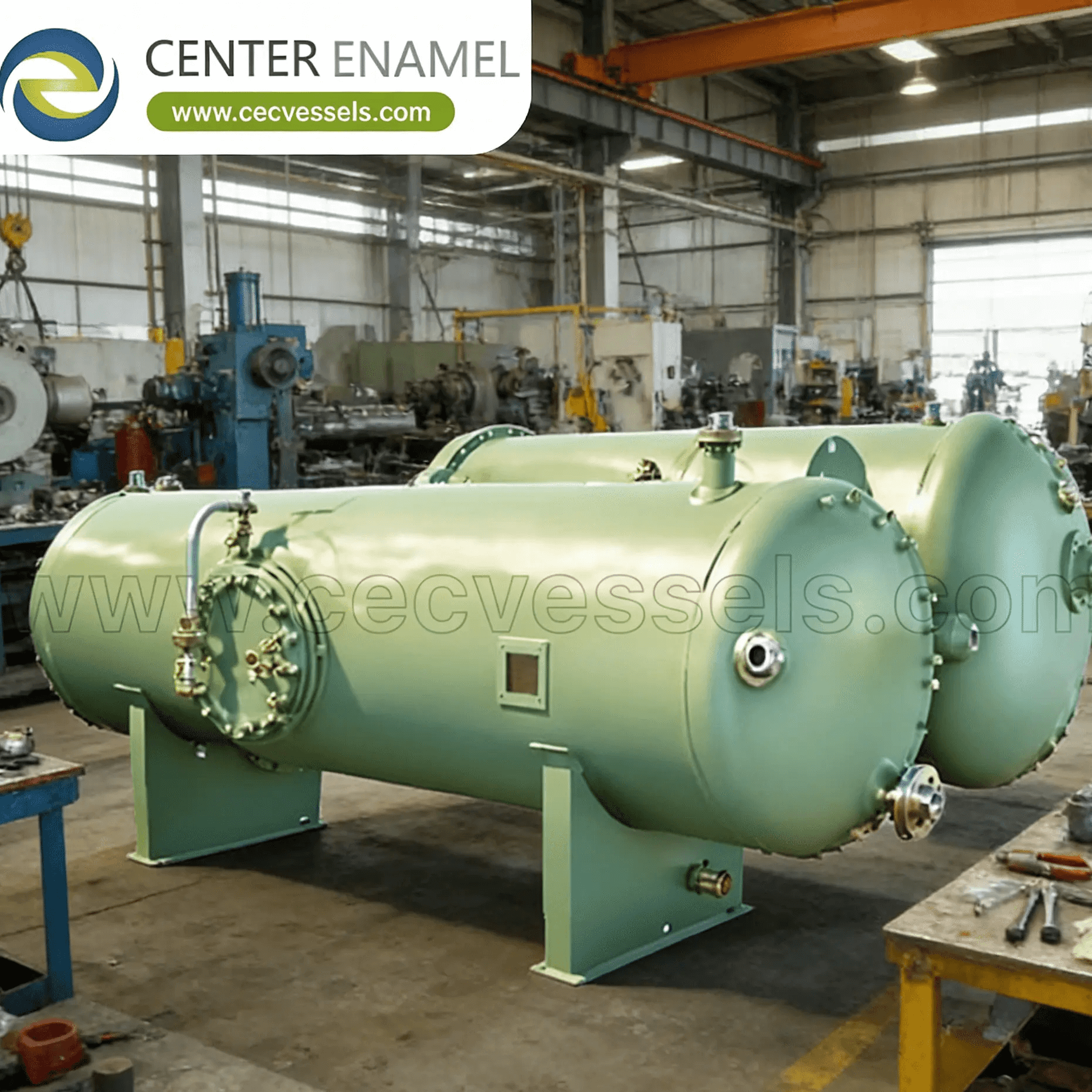
Advanced Oxidation Reactor
Water treatment engineering continuously evolves to meet stricter environmental standards and tackle emerging pollutants that traditional biological or physical filtration methods cannot fully remove. Among the most innovative technologies available today is the advanced oxidation process. At the core of this technology sits the advanced oxidation reactor, a specialized containment vessel engineered to generate and harness highly reactive hydroxyl radicals.
These radicals possess an exceptionally high oxidation potential, allowing them to rapidly break down persistent organic compounds, pharmaceuticals, pesticides, and industrial chemicals into harmless byproducts like carbon dioxide and water. Understanding the fundamentals of an advanced oxidation reactor highlights its critical role in achieving superior water purity and safeguarding environmental health across municipal and industrial sectors.
Core Operational Principles of Advanced Oxidation Processes
The foundation of any advanced oxidation reactor lies in the generation of short-lived, highly reactive chemical species—primarily hydroxyl radicals (OH). Because these radicals are non-selective oxidants, they attack a wide array of organic pollutants simultaneously upon contact.
Unlike conventional treatment technologies that merely transfer contaminants from one phase to another (such as granular activated carbon adsorption), advanced oxidation processes completely mineralize the target pollutants. The chemical mechanisms inside the reactor typically involve combinations of ozone, hydrogen peroxide, ultraviolet light, and specialized catalysts. By optimizing the interaction between these agents and the contaminated fluid, the reactor facilitates rapid molecular decomposition without requiring chemical additives that generate secondary solid waste.
Key Types of Advanced Oxidation Reactors Advanced oxidation systems vary widely in configuration, depending on the specific energy source used to generate radicals and the nature of the wastewater stream. Selecting the correct reactor type ensures maximum destruction efficiency and cost-effective operation.
Ultraviolet (UV) Based Reactors Ultraviolet-based advanced oxidation reactors utilize high-intensity UV lamps positioned strategically within the fluid stream. These reactors frequently combine UV radiation with hydrogen peroxide or ozone. When UV light strikes hydrogen peroxide molecules, the bonds cleave to form potent hydroxyl radicals.
These systems are exceptionally effective for destroying volatile organic compounds, trace endocrine disruptors, and disinfection byproducts in drinking water and industrial effluent. The continuous flow design ensures that every unit of water receives the precise radiation dose required for thorough disinfection and chemical oxidation.
Ozonation and Catalytic Ozonation Reactors
Ozone-based reactors introduce ozone gas directly into the wastewater stream through fine-bubble diffusers or specialized mixing injectors. Ozone itself is a powerful oxidant, but its efficiency increases dramatically when combined with catalysts or hydrogen peroxide inside an advanced oxidation reactor.
Catalytic ozonation utilizes solid metal oxide catalysts packed within the reactor bed or suspended in the fluid to accelerate ozone decomposition and radical production. This configuration is widely implemented for treating recalcitrant industrial wastewater containing complex dyes, surfactants, and petroleum hydrocarbons, ensuring rapid color removal and chemical degradation.
Photocatalytic Reactors Photocatalytic reactors employ semiconductor materials, most commonly titanium dioxide, illuminated by light sources to drive oxidation reactions. When light energy hits the catalyst surface, electron-hole pairs are generated, which subsequently react with ambient water and oxygen molecules to produce hydroxyl radicals on the catalyst surface.
While often utilized for specialized industrial streams or advanced polishing stages, photocatalytic reactors offer the unique advantage of operating at ambient temperatures and pressures while utilizing light energy effectively.
Critical Engineering Parameters in Reactor Design
Optimizing the performance of an advanced oxidation reactor requires careful attention to several engineering and hydrodynamic variables:
Hydraulic Retention Time (HRT): The duration that the wastewater remains inside the reactor must be precisely calculated based on the chemical kinetics of the target pollutants to ensure complete degradation.
Mass Transfer Efficiency: For gas-liquid systems involving ozone or oxygen, maximizing gas-liquid interfacial area is essential for efficient dissolution and subsequent radical formation.
Light Distribution and Intensity: In UV and photocatalytic systems, ensuring uniform photon distribution throughout the reaction zone prevents shadowing effects and maintains consistent oxidation rates.
Material Selection: Because advanced oxidation environments involve powerful oxidants and sometimes corrosive chemical feeds, reactors are constructed from high-grade stainless steel, specialized polymers, or coated metals to ensure long-term durability.
Industrial and Municipal Applications The versatility of advanced oxidation reactors makes them indispensable across a diverse spectrum of industrial and municipal applications where water quality is paramount.
Municipal Wastewater Polishing Municipal wastewater treatment plants increasingly integrate advanced oxidation reactors as a tertiary treatment step. These systems successfully destroy emerging contaminants of concern, such as pharmaceuticals, personal care products, and synthetic hormones, which often pass through conventional biological treatment stages untouched.
Industrial Effluent Treatment Industries such as chemical manufacturing, pharmaceuticals, textiles, and pulp and paper generate complex, highly toxic wastewater streams. Advanced oxidation reactors break down refractory organic compounds that inhibit biological processes, allowing industrial facilities to meet stringent discharge limits or achieve closed-loop water recycling.
Groundwater Remediation Contaminated groundwater sites often feature plumes of chlorinated solvents, industrial degreasers, and petroleum derivatives. Advanced oxidation reactors deployed in mobile or permanent remediation units effectively clean up these aquifers, restoring natural water quality safely and efficiently.
Potable Water Treatment Drinking water treatment plants utilize advanced oxidation reactors to eliminate taste- and odor-causing compounds, algae toxins, and synthetic organic chemicals. The technology ensures that public water supplies remain safe, clean, and refreshing.
Future Innovations and Sustainability in Advanced Oxidation
As global emphasis shifts toward sustainable industrial practices, the design of advanced oxidation reactors continues to advance. Modern research focuses heavily on energy efficiency, particularly through the adoption of light-emitting diodes (LEDs) for UV-based systems, which significantly reduce power consumption and lamp replacement cycles.
Furthermore, process integration—combining advanced oxidation with biological filtration or membrane separation—creates hybrid systems that maximize purification efficiency while minimizing operating costs. The ongoing development of novel, highly stable catalysts also promises to enhance reactor longevity and reduce chemical consumption, ensuring that advanced oxidation technology remains at the forefront of modern water treatment engineering.
Advanced oxidation reactors represent a cornerstone of modern environmental engineering and water purification technology. By leveraging powerful hydroxyl radical chemistry and innovative reactor configurations, these systems provide unparalleled capability in destroying persistent organic contaminants across municipal and industrial applications. Understanding their operational principles, diverse types, and engineering parameters empowers professionals to design cleaner, safer, and more sustainable water management systems for the future.
|