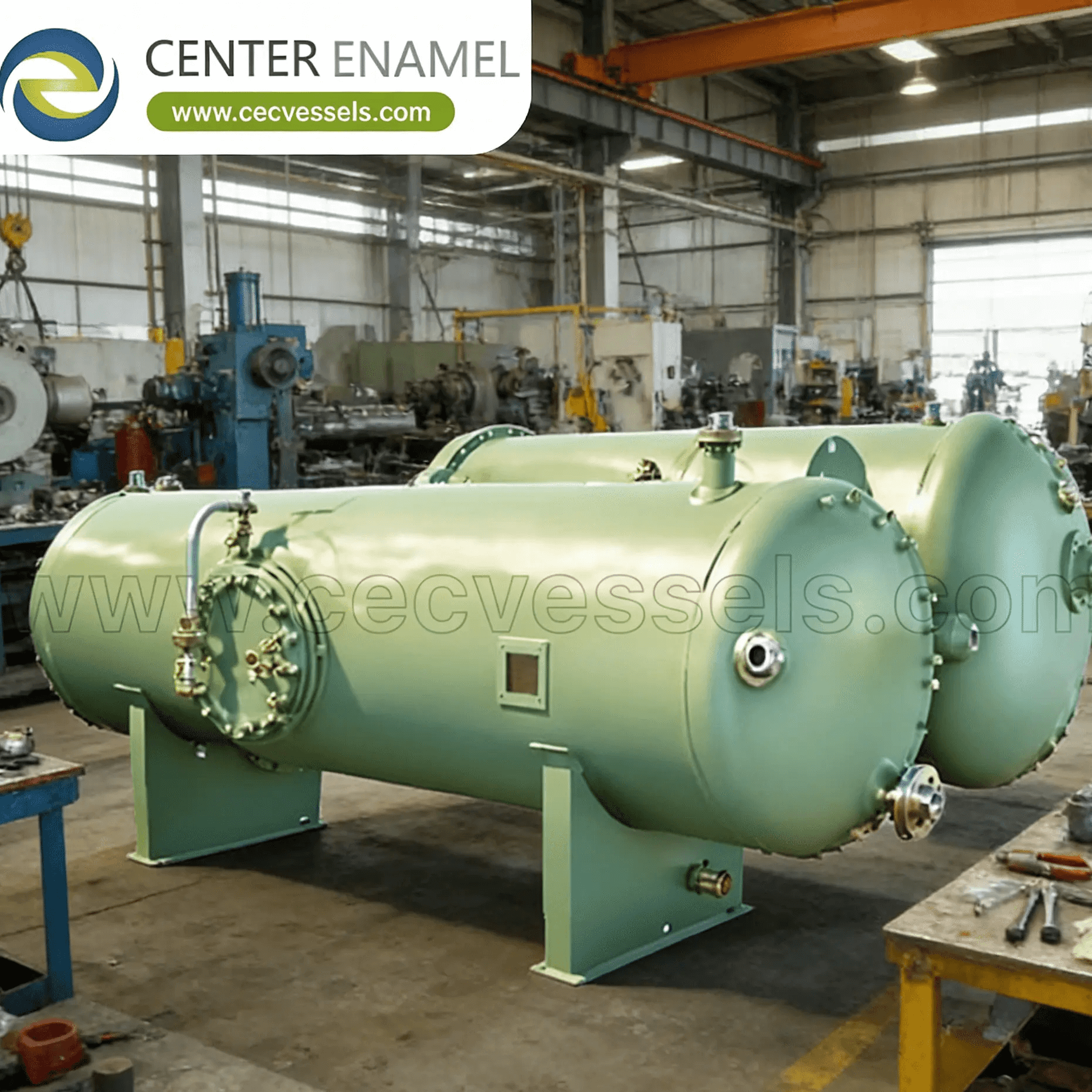
Advanced Reactor Technologies
The development of advanced reactor technologies represents a new stage in nuclear energy innovation. These systems combine modern engineering, advanced materials, improved fuels, and intelligent operating methods to create flexible energy focuses on combining scientific progress with practical engineering solutions. By applying advanced manufacturing techniques and improved simulation methods, researchers and engineers continue to explore solutions for future power needs. Advanced reactors are designed with diverse concepts that focus on efficient energy production, adaptable applications, and improved integration with modern energy networks.
Understanding Advanced Reactor Technologies
Advanced reactor technologies refer to a wide range of next-generation nuclear systems that use innovative designs compared with traditional reactor concepts. These technologies include advanced gas reactors, small modular reactor systems, liquid metal cooled reactors, molten salt reactors, and other emerging designs.
The main purpose of advanced reactor development is to create reliable and versatile energy systems that can support electricity generation, industrial applications, and future energy infrastructure. These reactors incorporate new approaches in fuel design, cooling methods, digital control systems, and plant configuration.
Modern reactor research focuses on combining scientific progress with practical engineering solutions. By applying advanced manufacturing techniques and improved simulation methods, researchers and engineers continue to explore reactor systems that offer greater operational flexibility and enhanced performance.
The Role of Advanced Reactor Systems
Advanced reactor systems are becoming an important part of discussions about the future of clean energy. Unlike conventional large-scale reactor designs, many advanced systems are developed with different sizes, configurations, and operating characteristics to meet various energy requirements.
Some reactor systems are designed for centralized electricity generation, while others focus on smaller-scale applications that can provide power for specific locations or industries. This flexibility allows advanced reactors to support different energy environments and contribute to a diversified energy structure.
Advanced reactor systems also explore the combination of nuclear energy with other technologies. For example, some designs can provide both electricity and high-temperature heat, which may support industrial processes, hydrogen production, and other energy-related applications.
Advanced Gas Reactor Technology
Advanced gas reactors represent one important category within advanced reactor development. These systems use gas as a coolant and are designed around high-temperature operation principles. Helium is often considered as a coolant option because of its stable characteristics at elevated temperatures.
The advanced gas reactor concept focuses on efficient heat transfer and flexible energy applications. High-temperature gas reactor designs can provide heat suitable for electricity generation as well as industrial uses that require higher temperatures.
A key feature of advanced gas reactors is their connection with advanced fuel technologies. Modern fuel designs, including coated particle fuel concepts, are studied to support reliable reactor performance and long-term operation. These developments combine material science, nuclear engineering, and manufacturing innovation.
Advanced gas reactors demonstrate how different reactor concepts can expand the possibilities of nuclear energy. By using alternative cooling methods and advanced fuel approaches, these systems provide additional options for future reactor development.
Innovative Reactor Designs and Energy Applications
One of the defining characteristics of advanced reactor technologies is the diversity of reactor designs being developed worldwide. Each design approach explores different methods for improving energy production and expanding potential applications.
Some advanced reactors use liquid metal coolants, while others use molten salts or gas-based cooling systems. These different approaches allow researchers to study various combinations of materials, fuels, and operating methods.
Advanced reactor systems are also being considered for applications beyond traditional electricity production. Certain designs may provide process heat for manufacturing, support energy-intensive industries, and contribute to integrated energy systems.
The ability to provide multiple forms of energy makes advanced reactors an important area of technological research. They represent a move toward more adaptable energy solutions that can respond to changing demands in different sectors.
Advanced Fuel Technologies
Fuel technology is one of the most important areas in the development of advanced reactor systems. Modern reactor concepts rely on improved fuel designs that support efficient energy conversion and long-term operational goals. Researchers continue to develop fuel solutions that can work effectively with different reactor configurations, including advanced gas reactors and other innovative systems.
Advanced fuels are designed by combining nuclear science, material engineering, and manufacturing techniques. These fuels often involve carefully engineered structures that allow them to perform under specialized reactor conditions. For example, coated fuel particle technology has become an important research area for high-temperature reactor concepts because it provides a unique approach to fuel design.
The development of advanced fuels also supports the broader goal of creating flexible reactor systems. Different reactor designs may require different fuel characteristics, and advanced fuel research helps provide options suitable for various applications. Through continuous innovation, fuel technologies contribute to improving reactor performance and expanding the possibilities of nuclear energy.
Fuel development is closely connected with improvements in materials science. Researchers study how different materials interact with reactor environments and how advanced manufacturing processes can create more effective fuel structures. These efforts support the development of reliable and efficient energy systems for future applications.
Digital Technologies in Reactor Systems
Digital innovation plays an important role in modern reactor systems. Advanced reactors increasingly incorporate digital tools, automated monitoring methods, and advanced data analysis technologies to support efficient operation and maintenance.
Digital reactor systems use sensors, computer models, and intelligent software platforms to collect and analyze information from different parts of a facility. These technologies help operators understand system performance and support informed decision-making.
Advanced simulation tools are also widely used during reactor design and development. Engineers can create detailed computer models to study reactor behavior, evaluate different design options, and improve system performance before physical construction begins.
The integration of digital technologies represents an important change in the way reactor systems are designed and managed. By combining nuclear engineering with information technology, advanced reactors can achieve higher levels of automation, improved monitoring capabilities, and more adaptable operating methods.
Digital solutions also support the development of future energy networks. As energy systems become increasingly connected, advanced reactor technologies can work together with renewable energy sources, energy storage systems, and smart grid technologies.
Small Modular Reactor Concepts
Small modular reactors are another important area within advanced reactor technologies. These systems are designed with modular construction concepts, allowing reactor components to be manufactured in controlled environments and assembled according to project requirements.
Compared with traditional large-scale reactor designs, small modular reactor concepts focus on flexibility and scalability. Different sizes and configurations allow these systems to support a variety of energy needs, including electricity generation and specialized industrial applications.
Modular approaches can also support new methods of reactor deployment. By using standardized designs and manufacturing processes, developers aim to create efficient production methods that can support broader adoption of advanced nuclear technologies.
Small modular reactor systems are being studied around the world as part of efforts to develop future energy solutions. Their flexible design concepts make them suitable for different locations and applications, including areas with changing energy requirements.
The development of small modular reactors demonstrates how advanced reactor technologies continue to expand beyond traditional approaches. These systems represent an example of how engineering innovation can create new possibilities for nuclear energy applications.
Advanced Reactor Materials and Manufacturing
Materials science is a fundamental part of advanced reactor development. Modern reactor systems require materials that can maintain strong performance during long-term operation while supporting innovative designs.
Researchers study advanced materials that can improve reactor efficiency, support higher operating temperatures, and enable new cooling technologies. These materials include specialized alloys, ceramics, and other engineered solutions developed through scientific research.
Advanced manufacturing techniques are also contributing to reactor innovation. Technologies such as precision manufacturing, digital production methods, and improved fabrication processes allow engineers to create complex components with greater accuracy.
The combination of advanced materials and manufacturing helps accelerate the development of next-generation reactor systems. These technologies provide new opportunities for designing reactors with improved functionality and broader applications.
Material innovation is closely connected with the future of advanced gas reactors and other high-performance reactor concepts. As reactor designs continue to evolve, improvements in materials will remain an important foundation for technological progress.
Integration with Future Energy Systems
Advanced reactor technologies are being developed as part of a broader transformation in global energy systems. Future energy networks are expected to include multiple energy sources working together to provide reliable and flexible power.
Advanced reactors can contribute to this integrated approach by providing consistent energy generation while also supporting applications beyond electricity production. Some reactor systems are designed to provide thermal energy, which can be used in industrial processes and other sectors.
The ability of advanced reactors to operate alongside renewable energy technologies creates opportunities for more balanced energy systems. Renewable sources such as solar and wind provide valuable clean energy, while advanced reactor systems can offer additional support through stable power generation.
Energy integration also encourages innovation in grid management, storage technologies, and industrial energy applications. Advanced reactors are part of a larger movement toward creating adaptable energy infrastructure that can meet diverse needs.
Through cooperation between different energy technologies, advanced reactor systems may contribute to a more flexible and sustainable energy future.
Research and Development of Advanced Reactor Technologies
Continuous research and development are essential for advancing reactor technologies. Scientists, engineers, universities, research organizations, and energy institutions around the world are exploring new ideas to improve reactor designs and expand their applications.
Research activities cover many areas, including reactor physics, fuel development, materials engineering, thermal systems, digital technology, and manufacturing processes. These fields work together to create more advanced and efficient reactor solutions.
International cooperation also plays an important role in advancing reactor innovation. Knowledge sharing and collaboration allow researchers to explore different design approaches and develop new technological solutions.
Government research programs and private industry projects contribute to the growth of advanced reactor technologies. Through investment in science and engineering, these programs support the development of future energy systems.
The progress of advanced reactor research demonstrates the importance of innovation in addressing future energy needs. Continued exploration and improvement will help shape the next generation of reactor systems.
The Future of Advanced Reactor Technologies
The future of advanced reactor technologies is connected with ongoing innovation in engineering, materials, digital systems, and energy integration. As global energy requirements continue to evolve, advanced reactors provide new opportunities for developing flexible and efficient energy solutions.
Future reactor systems may include a wide range of designs, from advanced gas reactors to modular systems and other innovative concepts. Each technology offers unique characteristics and potential applications.
The combination of advanced fuels, improved materials, intelligent digital systems, and modern manufacturing methods will continue to influence reactor development. These technologies provide the foundation for creating more adaptable energy systems.
Advanced reactor technologies also represent a growing area of cooperation between research institutions, industries, and governments. Through continued development, these systems may contribute to expanding the role of nuclear energy in future energy strategies.
Innovation remains the central focus of advanced reactor development. By combining scientific knowledge with engineering creativity, advanced reactor technologies continue to create new possibilities for clean and reliable energy production.
As research and development continue, advanced reactor technologies will remain an important area of energy innovation. The combination of scientific progress and engineering advancement will support the creation of modern reactor systems designed for future energy needs. |