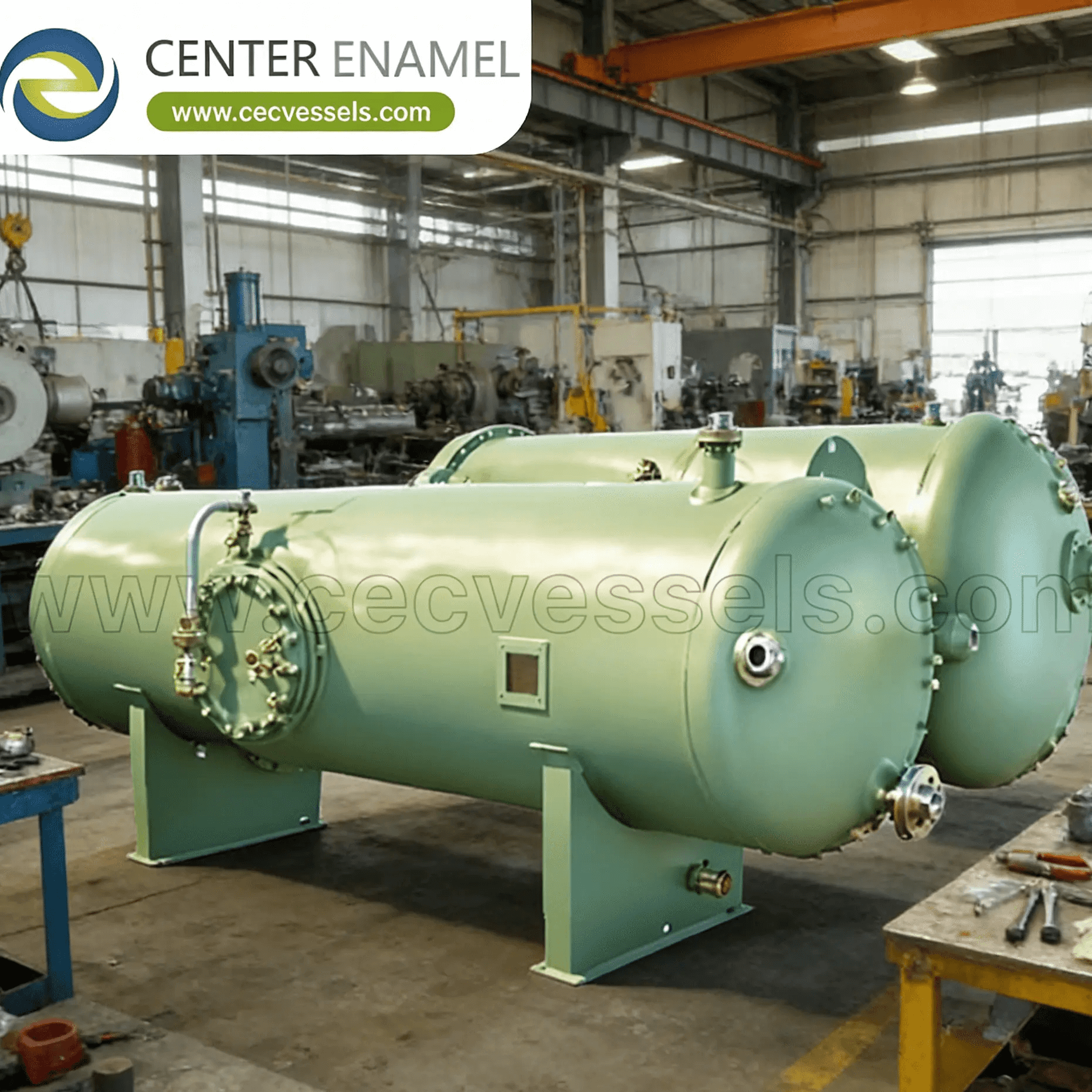
Carbon Steel Pressure Vessels & Reactors Fabrication
Industrial processing requires robust infrastructure designed to handle demanding physical and chemical environments safely and efficiently. Among the various equipment types utilized across the chemical, petrochemical, pharmaceutical, and water treatment sectors, carbon steel pressure vessels and carbon steel reactors stand out for their exceptional structural integrity, cost-effectiveness, and durability. When companies require tailored solutions for specialized applications, partnering with an experienced manufacturer for custom pressure tanks becomes essential. This comprehensive guide explores the engineering, fabrication, materials, design standards, and applications of carbon steel pressure vessels and reactors, highlighting why they remain a preferred choice for heavy industries.
Understanding Carbon Steel Pressure Vessels A carbon steel pressure vessel is a closed container designed to hold gases or liquids at a pressure substantially different from the ambient pressure. These vessels are engineered to withstand rigorous internal or external pressures while maintaining structural stability under fluctuating thermal conditions. Carbon steel is widely chosen for pressure vessel fabrication due to its high tensile strength, ductility, and malleability. Unlike alloy steels that contain high percentages of expensive elements like chromium or nickel, carbon steel relies primarily on carbon content to achieve its mechanical properties. This makes carbon steel pressure tanks an economical choice for non-corrosive or mildly corrosive environments, especially when paired with appropriate internal or external protective coatings, linings, or corrosion allowance margins.
The Engineering and Design of Carbon Steel Reactors
While standard pressure vessels are primarily used for storage or phase separation, a carbon steel reactor is a specialized vessel designed to facilitate chemical reactions. Reactors are the heart of chemical processing plants, where raw materials are transformed into valuable products through controlled temperature, pressure, and agitation.
Designing a carbon steel reactor requires meticulous engineering to incorporate various internal and external components. Depending on the chemical process, these reactors may feature internal heating or cooling coils, half-pipe jackets, dimpled jackets, or mechanical agitators. The choice of carbon steel ensures that the reactor shell can endure the mechanical stresses imposed by mixing high-viscosity fluids or handling exothermic and endothermic reactions. Furthermore, engineers use advanced design software, such as Compress and AutoCAD Mechanical, to calculate exact wall thicknesses, nozzle placements, and weld configurations to guarantee optimal safety and performance.
Adherence to Industry Codes and Standards
Fabricating pressure equipment requires strict compliance with internationally recognized codes and standards to ensure safety, reliability, and regulatory approval. Leading manufacturers build carbon steel pressure vessels and custom pressure tanks in accordance with rigorous guidelines.
The American Society of Mechanical Engineers (ASME) Boiler and Pressure Vessel Code, specifically Section VIII, Division 1, is the most prominent standard for pressure vessel design and fabrication. ASME-certified vessels undergo comprehensive inspections by in-house quality control teams as well as authorized third-party inspectors. Other relevant standards include API-650 and API-620 for storage tanks, NFPA-22 for water storage, and TEMA standards for heat transfer equipment. Compliance with these standards often involves obtaining certifications such as the ASME "U" Stamp or the National Board "R" Certificate, which validate the quality and integrity of the fabrication process.
Customization Options for Industrial Applications
Every industrial facility has unique operational requirements, making custom pressure tanks and reactors indispensable. Customization allows engineers to tailor equipment dimensions, orientation, and accessory configurations to fit specific plant layouts and operational workflows.
Custom fabrication options for carbon steel vessels often include:
lJackets and Coils: Half-pipe jackets, conventional jackets, and dimpled jackets for precise thermal management. lInternal Structures: Baffles, spargers, and specialized agitators to enhance mixing and reaction rates. lAccess and Safety Features: OSHA-compliant caged ladders, 360-degree roof handrails with toe plates, platforms, and catwalks. lSurface Finishes and Coatings: High-performance protective coatings, including two-part acrylic enamels, epoxy top coats, or hot-dipped galvanizing to protect against environmental corrosion.
lInsulation and Heat Tracing: In-house insulation options featuring stainless steel, aluminum, or fiberglass skins to maintain internal process temperatures.
The Fabrication Process: From Concept to Delivery
The creation of a high-quality carbon steel reactor or pressure vessel involves a multi-step manufacturing process that demands precision craftsmanship and advanced technological capabilities.
Initial Consultation and Design: Project managers and engineers collaborate with the client to evaluate process requirements, operating pressures, temperatures, and spatial constraints. Detailed CAD drawings and structural calculations are generated for client approval.
Material Selection and Preparation: High-grade carbon steel plates are sourced and subjected to rigorous testing, including Positive Material Identification (PMI), to verify chemical composition and mechanical properties. Plates are then cut, rolled, and formed to exact specifications.
Welding and Assembly: Certified welders join vessel components using approved welding procedures. Depending on the project requirements, non-destructive examination (NDE) methods such as 100 percent radiography, ultrasonic testing, or dye penetrant inspection are performed to detect any structural flaws in the weldments.
Heat Treatment and Stress Relieving: Post-weld heat treatment (PWHT) is often performed on carbon steel pressure vessels to relieve residual stresses induced by welding and forming, thereby enhancing the material's toughness and service life.
Testing and Inspection: Finished vessels undergo rigorous pressure testing, such as hydrostatic or pneumatic testing, to ensure they can safely contain operating pressures without leaks or structural deformation. Final inspections clear the equipment for delivery and installation.
Applications Across Diverse Industries
Carbon steel pressure vessels and reactors are utilized across a vast spectrum of industrial markets due to their versatility and load-bearing capabilities.
lChemical Processing: Used for synthesis, polymerization, mixing, and distillation processes involving organic and inorganic compounds. lPetrochemical and Refining: Deployed in oil and gas extraction, fuel refining, and byproduct processing where durable materials are required to handle hydrocarbons. lWater and Wastewater Treatment: Utilized in filtration, clarification, and chemical dosing systems to manage municipal and industrial water supplies. lPulp and Paper: Applied in digestion and chemical recovery stages of paper production. lPaint and Coatings: Serving as mixing and blending tanks for viscous liquid formulations.
Investing in high-quality carbon steel pressure vessels and carbon steel reactors is crucial for maintaining operational efficiency, safety, and productivity in heavy industry. By leveraging expert engineering, advanced fabrication techniques, and strict adherence to ASME and API standards, manufacturers can deliver durable, custom pressure tanks designed to perform reliably in the most demanding environments. Whether designing a complex chemical reactor with specialized thermal jackets or a large-scale carbon steel pressure tank for storage, a meticulous approach to customization and quality assurance ensures long-term success for industrial operations.
|