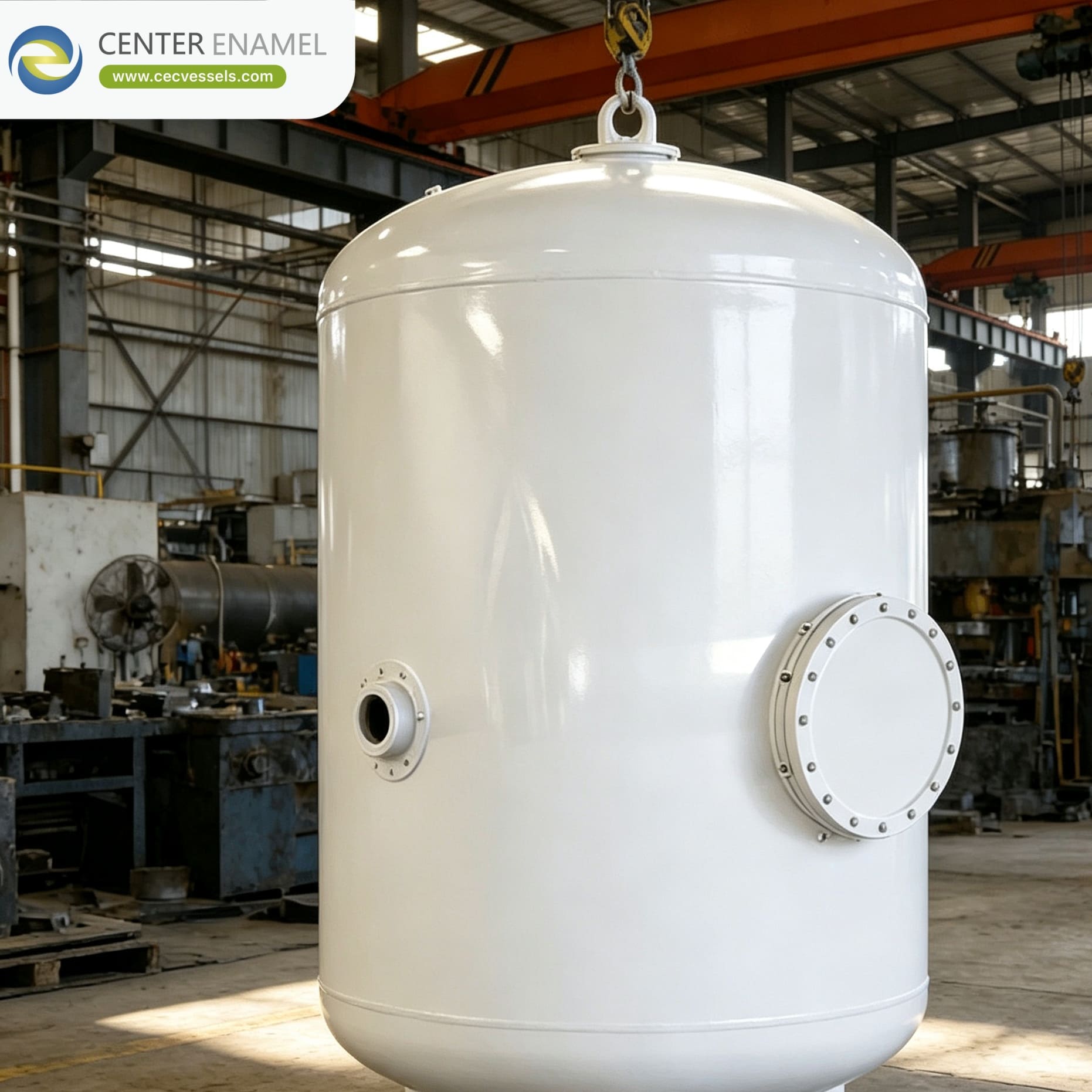
Chemical Reactor Heating and Cooling System Explained
A chemical reactor heating and cooling system manages the temperature required for industrial chemical processes. It supplies heat when the reaction needs a temperature increase and removes heat when cooling is required. By combining suitable heat-transfer equipment, temperature sensors, and control systems, manufacturers can maintain stable processing conditions and achieve consistent product quality. What Is a Chemical Reactor Heating and Cooling System?A chemical reactor heating and cooling system is an integrated arrangement designed to control the temperature of materials inside a reactor vessel. Depending on the process, the system may include a heating jacket, cooling jacket, heat exchanger, circulation pump, temperature sensors, and an automated control panel. During heating, a suitable medium transfers thermal energy to the reactor contents. During cooling, another medium absorbs heat from the contents and carries it away from the vessel. The system can use steam, thermal oil, hot water, chilled water, or other suitable heat-transfer media. The selection depends on the required operating temperature, material properties, reactor capacity, and production requirements. For industrial manufacturers, well-designed chemical process heating systemshelp coordinate temperature management with mixing, reaction time, and production schedules. How Does the Heating System Work?The heating system supplies energy to increase the temperature of the materials inside the Chemical Reactor. The specific operating principle depends on the selected heating method and reactor configuration. Steam HeatingSteam heating transfers thermal energy through a jacket surrounding the reactor or through a suitable heat exchanger. Steam releases heat as it condenses, warming the reactor wall and the materials inside. This method is widely used in chemical synthesis, resin production, and industrial mixing processes. It is particularly suitable for facilities with an established steam supply. Thermal Oil HeatingThermal oil heating uses a heated fluid that circulates through the reactor jacket or an external heat exchanger. The oil transfers energy through the vessel wall, gradually increasing the temperature of the process materials. This arrangement is often considered for applications requiring a controlled heating range and flexible temperature management. Electric HeatingElectric heating converts electrical energy into heat. Depending on the equipment design, electric heaters may heat the reactor directly through a designated component or indirectly through a jacket or circulating medium. Electric systems can be integrated with temperature sensors and automatic controllers to adjust heat input according to process requirements. Induction HeatingInduction heating uses an electromagnetic field to generate heat in a suitable conductive component. For compatible reactor designs, it can provide responsive heating and integration with automated controls. The selection of induction heating depends on the vessel material, component geometry, heating capacity, and overall system configuration. How Does the Cooling System Work?The cooling system removes thermal energy from the reactor contents to reduce or maintain the process temperature. Cooling may be required after a heating stage, during temperature-sensitive reactions, or before discharging the finished product. Cooling WaterCooling water is commonly circulated through a reactor jacket or heat exchanger. As the process materials transfer heat through the vessel wall, the water absorbs energy and carries it away. The cooling water may come from a plant utility system, cooling tower circuit, or another suitable water supply arrangement. Chilled WaterChilled water is used when the required process temperature is lower than the temperature achievable with ordinary cooling water under the available operating conditions. A chiller supplies cooled water to the reactor jacket or heat exchanger. The circulating water absorbs heat from the process materials and returns to the cooling system. Refrigeration SystemsSome chemical processes require lower temperatures or more precise temperature regulation. In these applications, a refrigeration system can supply a suitable cooling medium through an engineered heat-transfer arrangement. The required cooling capacity depends on the reactor volume, initial material temperature, target temperature, and amount of heat generated or absorbed during processing. Common Heating and Cooling ConfigurationsThe design of a reactor temperature-control system depends on the production process and the required temperature range. Jacketed Chemical ReactorA jacketed reactor has an outer chamber surrounding part or all of the vessel. A heating or cooling medium circulates through this chamber and exchanges heat with the reactor contents through the vessel wall. This design is commonly used in batch chemical processing because it provides a practical way to manage temperature without direct contact between the heat-transfer medium and the process materials. Internal Coil SystemAn internal coil is installed inside the reactor vessel. Heating or cooling fluid flows through the coil, transferring energy directly through the coil surface. Internal coils can provide additional heat-transfer area within the vessel. Their design should account for the working volume, agitator arrangement, material properties, and required heat-transfer performance. External Heat ExchangerAn external heat exchanger transfers energy between the process stream and a heating or cooling medium outside the reactor. Depending on the system design, process materials may circulate through the heat exchanger before returning to the vessel. This configuration can be suitable for processes that require additional heat-transfer capacity or temperature control through an external circulation loop. Key Components of Chemical Process Heating SystemsEffective chemical process heating systemscombine several components that work together to regulate temperature. Heat-transfer equipment:Reactor jackets, internal coils, and heat exchangers provide surfaces for transferring thermal energy. Circulation pumps:Pumps move the heating or cooling medium through the system at the required flow rate. Temperature sensors:Sensors measure process temperatures and provide feedback to the control system. Control valves:Valves regulate the flow of heating or cooling media according to the selected operating conditions. Heating and cooling units:Boilers, thermal oil heaters, electric heaters, chillers, and cooling equipment supply the required thermal energy or cooling capacity. Insulation:Suitable insulation helps reduce heat loss during heating and limits unwanted heat gain during cooling. Control panel:The control system coordinates heating, cooling, temperature measurement, and operating sequences. The configuration and capacity of each component should match the reactor size and process requirements. Factors to Consider When Selecting a Heating and Cooling SystemSelecting a suitable system requires evaluating the process as a whole. Operating Temperature RangeDetermine the required heating temperature, cooling temperature, and expected temperature changes during each production stage. These values help identify suitable heat-transfer media and equipment. Reactor Volume and Production CapacityLarger reactors generally require more thermal energy to change the temperature of their contents. The system design should consider working volume, batch size, and the required heating or cooling time. Material PropertiesViscosity, specific heat capacity, thermal conductivity, and material composition influence heat transfer. For viscous materials, the agitator design and mixing performance may be particularly important for temperature uniformity. Heating and Cooling SpeedSome production processes require gradual heating and cooling, while others need faster temperature changes. The system should provide sufficient thermal capacity while maintaining appropriate temperature control. Automation RequirementsAutomated controls can regulate the heating and cooling sequence, maintain target temperatures, and record process data. The required automation level depends on the production process and operating procedures. Energy EfficiencyInsulation, suitable heat-transfer surfaces, properly sized circulation equipment, and appropriate control settings can help reduce unnecessary energy consumption. Applications Across Industrial ManufacturingHeating and cooling systems are used in many industries where temperature influences reaction performance and product characteristics. In resin manufacturing, temperature control supports material mixing and chemical reaction processes. In polymer production, it helps manage reaction conditions and material viscosity. In specialty chemical manufacturing, a controlled heating and cooling arrangement supports synthesis, blending, crystallization, and other temperature-dependent operations. Pharmaceutical and fine chemical production may require carefully defined temperature profiles to support repeatable batches. Food ingredient processing can also use temperature-controlled reactors for mixing, dissolution, and thermal treatment. For each application, the system should be selected according to the process materials, required temperature range, production capacity, and equipment specifications. Maintaining Consistent Reactor TemperatureA well-designed heating and cooling system helps manufacturers maintain the conditions required for stable industrial processing. Steam, thermal oil, electric heating, cooling water, chilled water, and refrigeration systems provide different options for managing thermal energy. By selecting suitable heat-transfer equipment, circulation components, sensors, and automated controls, manufacturers can develop chemical process heating systemsthat match their specific production requirements. Integrating heating and cooling functions into the Chemical Reactordesign supports consistent temperature management, efficient operation, and reliable product quality across a wide range of chemical manufacturing applications.
|