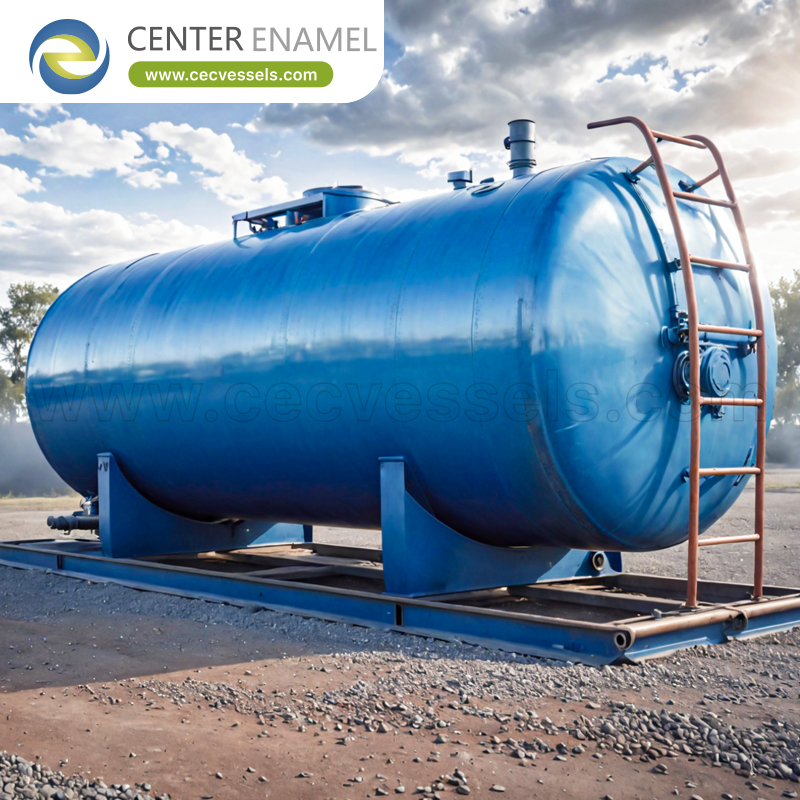
China Ammonia Plant Heat Exchanger Manufacturer Delivering Thermal Management Solutions for Ammonia Production
A heat exchanger functions as an essential thermal management unit designed to transfer heat efficiently between isolated fluid streams without allowing them to mix. In modern industrial ecosystems, energy conservation and thermal control directly dictate operational profitability, making these vessels indispensable infrastructure assets across countless heavy sectors. The primary objective of an industrial heat exchanger is either to heat a cold fluid using a high-temperature source or to cool a hot process medium to a safe, stable operating temperature. By utilizing advanced thermodynamic principles, these systems facilitate continuous heat transfer across a solid conducting barrier, transforming volatile thermal waste into highly efficient, reusable energy loops. This capability maximizes heat transfer coefficients while maintaining exceptionally steady operational parameters under continuous, high-intensity processing loads. Ultimately, heat exchangers provide the critical operational equilibrium that modern facilities require to thrive, establishing a highly sustainable and energy-efficient framework for heavy industrial infrastructure worldwide.
Within the context of a chemical synthesis facility, an optimized ammonia plant heat exchanger plays a vital role in balancing temperatures across the production stream. Ammonia synthesis involves multi-stage thermal processes where gas cooling, condensing, and feed pre-heating must be precisely regulated to maintain optimal reaction balances. A professional China ammonia plant heat exchanger manufacturer possesses the technical expertise required to configure shell-and-tube, plate-and-frame, or air-cooled models that align precisely with the volumetric flow rates and unique molecular characteristics of synthesized gas streams. By ensuring that raw gases are brought to correct reaction temperatures smoothly, these thermal units elevate the efficiency of the entire chemical facility.
The structural variation of these heat transfer systems allows global procurement teams to select designs that best fit their layout constraints and media profiles. Heavy-duty shell-and-tube configurations are often utilized as standard options for gas treatment and condensing stages due to their robust mechanical integrity and massive surface areas. Alternatively, plate configurations offer highly efficient thermal performance for auxiliary liquid streams where space utilization must be maximized. For plants operating in arid regions where cooling water availability is restricted, specialized air-cooled systems utilize ambient air currents to lower medium temperatures without consuming local water assets. Choosing a dedicated ammonia plant heat exchanger manufacturer guarantees that the selected design will deliver long-term thermal reliability and precise temperature control.
Regulatory Policies and National Industrial Frameworks
As a critical industry for modern agricultural and industrial advancement, chemical synthesis involves specialized equipment that faces extensive regulatory standards regarding long service life and material compliance. Major industrial countries across the globe have introduced specific equipment selection and manufacturing criteria for core thermal shells and fluid piping networks used in chemical processing. Policies not only require vessels to comply with foundational engineering codes, but also emphasize quantified performance indicators for welding procedures and surface treatment methodologies applied to carbon steel, stainless steel, and specialized alloy materials. Relevant industrial policies encourage manufacturing enterprises to extend the service cycle of production facilities through optimized structural designs and improved material processing.
National directives increasingly prioritize energy recovery systems that capture ambient heat and redirect it back into the primary production loop. Modern green initiatives encourage chemical infrastructure development teams to integrate high-efficiency heat exchangers that minimize fuel expenditure and reduce thermal emissions. By adhering to these comprehensive frameworks, a qualified ammonia plant heat exchanger manufacturer ensures that every delivered unit complies with regional environmental laws and supports global energy-saving targets. This strict alignment with industrial guidelines allows processing plants to improve their overall utility metrics while maintaining uninterrupted, smooth manufacturing schedules.
Furthermore, state manufacturing licenses and equipment inspection frameworks require a high level of documentation and quality traceability. Every stage of fabrication, from initial metal procurement to final structural verification, must be logged to satisfy the oversight requirements of regional industrial boards. Working with a verified China ammonia plant heat exchanger manufacturer ensures that all technical records, material mill tests, and compliance certifications are fully prepared, enabling effortless site inspection and rapid operational approval by local regulatory authorities.
International Quality Standards and Certifications
Equipment performance and international market compatibility are guaranteed by compliance with a complete set of recognized standards. Adherence to strict international safety, containment, and structural codes allows thermal management products to integrate reliably into worldwide industrial systems. Manufacturing and design operations must fully satisfy global reference standards to ensure validated safety factors, precise wall thickness design, and robust structures capable of supporting long-cycle operations.
The American Society of Mechanical Engineers Boiler and Pressure Vessel Code, specifically ASME BPVC Section VIII, represents the global benchmark for standard structural calculation, material selection, and structural longevity. For projects executed within domestic industrial networks, manufacturing processes strictly implement GB/T 150.1 150.4 2024. This latest national standard incorporates modern design analysis, updated stress formulas, and advanced material inspection technologies that represent the leading engineering level in China. Full compliance with these core standards ensures consistent structural integrity, stable operation, and wide applicability for an ammonia plant heat exchanger deployed within any international supply chain. This universal compliance enables global engineering, procurement, and construction companies to specify these thermal systems with absolute confidence in their mechanical quality.
Standardized Production Workflow and Material Craftsmanship
The production process of industrial thermal management equipment at our manufacturing factory follows a reliable, standardized workflow with strict inspections at every stage. Operating within a well-equipped production base, the process begins with incoming material inspection, where steel plates and seamless tubes are carefully checked for thickness accuracy, surface quality, and verified mill certificates. Our workshop utilizes standard shearing and flame cutting machines, along with heavy-duty plate rolling machinery, to shape the carbon steel or stainless steel into required dimensions with exceptional structural accuracy.
The selection of base metals is determined by the specific requirements of the process medium. Carbon steel provides excellent structural rigidity, reliable thermal conductivity, and economic advantages for non-corrosive shell assemblies, with all external surfaces receiving protective coatings to prevent environmental rust. For internal tube bundles or channels in contact with complex gas compositions, high-grade stainless steel or specialized duplex alloys are selected. These materials undergo fine polishing to promote the formation of dense passive films, ensuring long-term resistance to structural degradation. Welding operations are performed under stable, qualified parameters guided by the deep expertise of our technical welding personnel. By utilizing precise manual and mechanical joint alignment techniques, our fabrication teams achieve smooth internal and external seams that prevent medium turbulence and facilitate unhindered fluid transit. Automated or robotic welding technologies are omitted to ensure that every critical joint receives the dedicated attention and customized adjustments of a seasoned specialist, matching the precise variations of custom engineering blueprints.
Following the completion of the assembly phase, standard non-destructive testing is executed systematically across all load-bearing joints. Our testing teams utilize ultrasonic scanning and dye penetrant inspections to verify complete joint fusion and eliminate any internal structural inconsistencies. The final phase involves hydrostatic testing within a dedicated pad area, where the completed assembly is filled with water and monitored under standard test parameters to verify complete sealing and containment reliability before moving to surface finishing and custom packaging.
Comprehensive Multi-Disciplinary Team Integration
Driven by a commitment to premium quality and global industrial sustainability, Center Enamel operates an advanced, five-dimensional organizational structure built for international equipment performance. Our operations are divided into specialized technical departments that work in perpetual synergy to manage projects smoothly from initial concept to long-term field operation. The pioneering Research and Development Team establishes our technical foundation, creating resilient material advancements and heavy-duty manufacturing technologies that lead the modern chemical and energy thermal management industry. They focus on thermodynamic behavior, flow distribution models, and boundary layer heat transfer to continually optimize the efficiency of our product lines. Collaborating directly with plant managers, our specialized Marketing Team leverages profound industry experience to structure comprehensive commercial solutions that address unique volumetric and spatial requirements.
These application criteria are dynamically translated into secure physical specifications by our expert Design Team, ensuring that all equipment safety indicators, structural calculations, and regulatory codes are flawlessly embedded. They perform precise stress analysis and thermal profiling to guarantee that the heat transfer area matches the exact cooling or heating duties of the target chemical facility. Field transformation is managed by our disciplined global Installation Team, whose members apply a rigorous work style to execute complex equipment integrations on time, ensuring perfect alignment with existing plant piping.
Finally, the continuity of Center Enamel’s quality promise is permanently sustained by our efficient After-sales Team, which provides prompt diagnostic assistance, maintenance scheduling guidance, and rapid technical support to clients globally. Together, these five specialized departments form a single, powerful corporate mechanism dedicated to driving global engineering progress and ensuring complete operational predictability for every ammonia plant heat exchanger system delivered.
Integrated Project Case Study: Seawater Desalination Project (Malta)
Corporate Profile and Global Manufacturing Capability
Shijiazhuang Zhengzhong Technology Co., Ltd (Center Enamel) is a preeminent, high-tech industrial enterprise recognized as a leading manufacturer in the global storage and thermal containment sector. With decades of continuous engineering excellence and a steadfast commitment to technological innovation, the company has established a distinguished reputation for delivering robust steel vessels and high-performance heat transfer systems that support critical infrastructure worldwide. Headquartered in China, the company functions as a comprehensive industrial backbone, blending advanced scientific research, custom structural engineering, and precision manufacturing within a single, cohesive ecosystem.
Operating from a sprawling, state-of-the-art production and R&D base spanning over 150,000 square meters, our facility represents a major testament to our commitment to industrial scale, operational efficiency, and technological evolution. This modernized plant houses specialized mechanical fabrication lines, precision laser cutting machinery, heavy-duty rolling equipment, and advanced material testing laboratories. Supported by a highly skilled engineering workforce and certified welding technicians, this massive infrastructural capacity allows the company to execute high-volume production schedules and handle large-scale, complex custom fabrication projects simultaneously, guaranteeing that every unit delivered meets the absolute highest benchmarks of dimensional accuracy and structural durability.
By serving as a trusted partner to multinational engineering, procurement, and construction firms, Center Enamel plays a pivotal role in securing global supply chains, consistently transforming complex fluid management and chemical processing requirements into reliable, long-term operational solutions. As a dedicated China ammonia plant heat exchanger manufacturer, the company provides optimized ammonia plant heat exchanger configurations for every unique chemical synthesis application, enabling international enterprises to scale their production workflows with absolute confidence. All finished equipment comes complete with comprehensive inspection records and certification sheets, ensuring smooth field integration and reliable operation year after year.
|