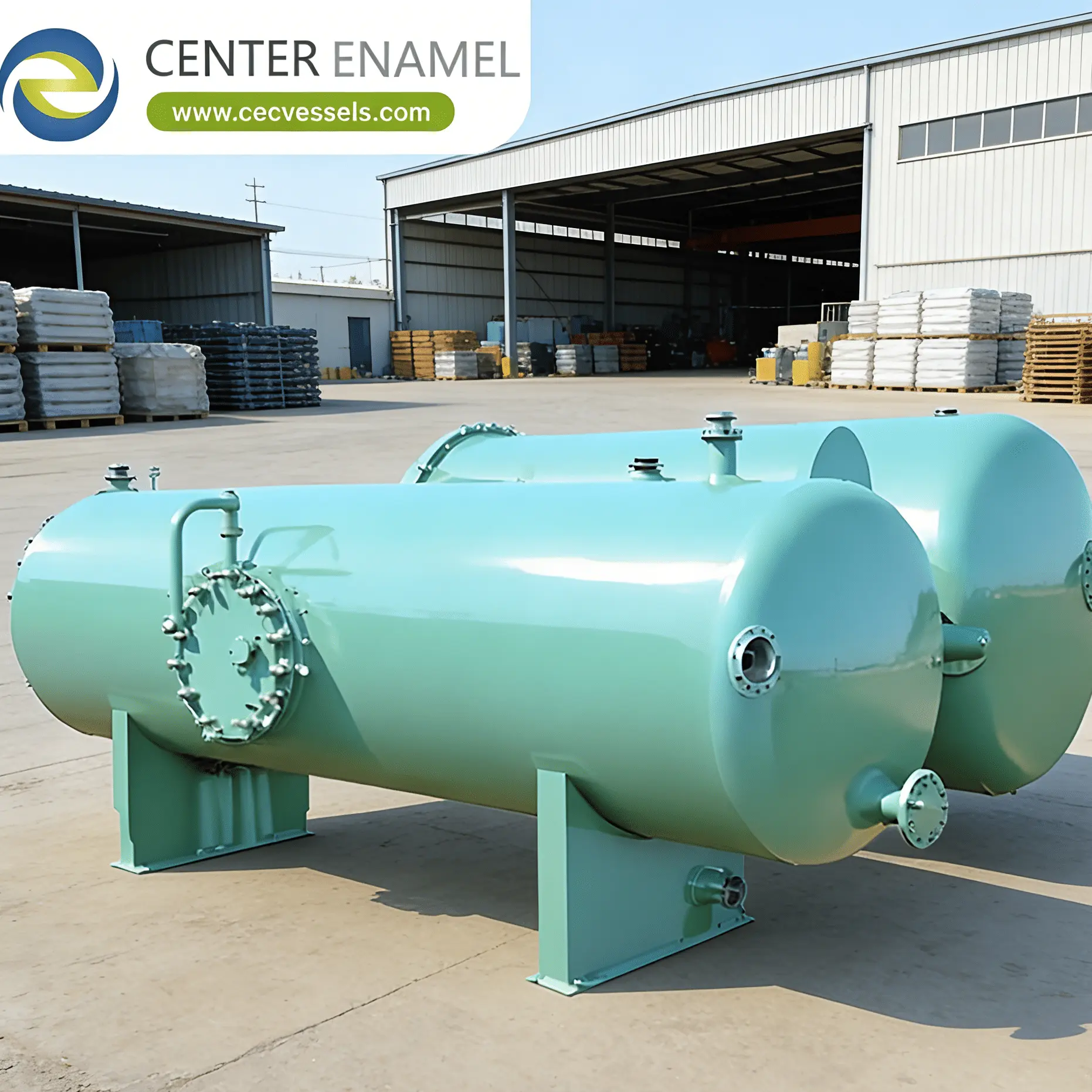
China Rubber Reactor Manufacturer Providing Reliable Mixing and Reaction Systems for Natural Rubber Manufacturing
Shijiazhuang Zhengzhong Technology Co., Ltd. (Center Enamel) is a leading China Rubber Reactor Manufacturer specializing in the engineering of high-integrity multi-phase structural containment systems. We provide global industrial partners with certified vessels designed to deliver precise material stabilization and uniform performance for advanced fluid handling and large-scale industrial manufacturing plants.
Comprehensive Applications of Rubber ReactorsA rubber reactor is a fundamental component in modern industrial infrastructure, specifically designed to facilitate the rapid, uniform chemical blending, emulsion polymerization, mastication compounding, latex modification, and material stabilization of natural rubber solutions, synthetic elastomer lattices, vulcanizing agent mixtures, and specialized co-polymer arrays within a secure containment environment. By utilizing optimized vessel geometries, advanced internal anchor or high-viscosity helical ribbon impellers, specialized high-torque agitation configurations, internal heating or cooling jackets, and strategic monomer distribution paths, these systems allow for the precise management of reaction kinetics during steady-state chemical processing loops. By maintaining a stabilized internal environment through optimized structural design and precision material management, these processing units ensure the material stabilization of the entire production line, promoting a continuous production flow and protecting the structural integrity of the final industrial output. As a leading manufacturer, we support a wide range of specific industrial applications where reliable fluid distribution, uniform compounding, and certified structural integrity are prerequisites for operational success.
1. Natural Rubber Latex Modification and Graft PolymerizationThe primary elastomer processing sector utilizes rubber reactors as the core technology for chemically modifying raw natural rubber latex to enhance its structural properties before product molding.
Methyl Methacrylate Grafted Natural Rubber (MG Rubber) Enclosures: Rubber Reactor Manufacturer systems are used to provide the environment needed for executing the precise chemical grafting of acrylic monomers onto natural rubber polymer chains. The reactor ensures the processing fluid properties remain stabilized, providing the material stabilization needed for creating high-impact adhesive bases and specialized tough plastics.
Liquid Natural Rubber (LNR) Depolymerization Units: These units provide the mechanical base for degrading high-molecular-weight natural rubber into low-viscosity liquid chains under precise chemical and thermal tracking. The unit ensures the internal environment remains stabilized, supporting the structural safety of the continuous polymer treatment line.
2. Synthetic Elastomer Emulsion Polymerization LoopsThe international synthetic rubber and compounding industry relies on rubber reactors to drive advanced emulsion polymerization processes that generate vital elastomer matrices used across global manufacturing networks.
Styrene-Butadiene Rubber (SBR) Latex Processing Enclosures: China Rubber Reactor Manufacturer products are used to provide the environment needed for the steady-state emulsion polymerization of styrene and butadiene monomers. The vessel ensures the processing blend remains stabilized, providing the material stabilization required for continuous tire compound base formulations.
Nitrile Butadiene Rubber (NBR) Compounding Vessels: These specialized chemical vessels allow for the physical management of blending acrylonitrile components into elastomer backbones smoothly without early coagulation. The unit ensures the final rubber oil-resistance and flexibility qualities remain stabilized, supporting the physical consistency of industrial glove and seal manufacturing lines.
3. Rubber Compound Dissolution and Adhesive Cement FormulationThe specialized industrial tape, sealant, and automotive bonding manufacturing sector utilizes rubber reactors to dissolve bulk rubber stocks into organic solvents for high-performance coatings.
Masticated Rubber Solvent Dissolution Trains: Rubber Reactor Manufacturer equipment is utilized to provide the environment needed for breaking down solid rubber blocks into uniform adhesive cements using specialized high-shear blades. The reactor ensures the fluid emulsion profile remains stabilized, providing the material stabilization needed for high-strength pressure-sensitive tapes and structural laminates.
Vulcanizing Agent and Accelerator Incorporators: These vessels provide the mechanical base for distributing sulfur, zinc oxide, and organic accelerators into liquid rubber solutions under complete steady-state flow. The unit ensures the processing consistency remains stabilized, supporting the operational layout of the downstream rubber coating complex.
4. Reclaimed Rubber Chemical Treatment and Devulcanization AuxiliariesModern sustainability infrastructure, scrap tire recycling operations, and green rubber manufacturing utilities utilize rubber reactors to chemically break down used vulcanized networks into reusable materials.
Chemical Devulcanization Slurry Blocks: China Rubber Reactor Manufacturer systems provide the environment needed for executing precise thermal desulfurization loops where scrap rubber powders are mixed with specialized reclaiming oils and chemical softeners. The vessel ensures the chemical balance remains stabilized, providing the material stabilization needed for high-quality recycled rubber yields.
Reclaimed Latex Washing and Neutralization Columns: These units facilitate the physical management of washing processed rubber crumbs with mild chemical counter-agents cleanly to remove residual odors. The unit ensures the process efficiency remains stabilized, supporting the reliability of the global recycled material supply chain.
5. Thermoplastic Elastomer (TPE) Blending and Plant UtilitiesAdvanced automotive interior parts factories, footwear component mills, and commercial chemical compounding facilities utilize rubber reactors to process specialized flexible polymer configurations and manage automated factory wash runs.
Block Co-Polymer Functional Modifiers: Rubber Reactors are used to provide the environment needed for reacting specialized thermoplastic blocks with flexible elastomer mid-blocks. The vessel ensures the material elastic characteristics remain stabilized, providing the material stabilization needed for high-durability soft-touch tools.
Reactor Fouling Mitigation and Hot Solvent Wash Utilities: These robust vessels provide the mechanical base for managing automated inner-shell thermal cleaning cycles to required plant parameters, keeping internal heat transfer paths perfectly free from cured rubber crusts or residual coagulated latex build-up. The unit ensures the system consistency remains stabilized, supporting the operational safety of the industrial processing project.
Engineering Principles for Stable Elastomer Mixing and ReactionAs a prominent China Rubber Reactor Manufacturer, Center Enamel focuses on the technical synergy between mechanical design and multi-phase fluid dynamics. These foundations are essential for ensuring that every rubber processing containment system performs consistently within a demanding industrial environment.
High-Efficiency Mass Transfer and Material StabilizationThe effectiveness of a rubber reactor depends on its ability to maintain a perfectly managed internal fluid velocity and mixing distribution, preventing localized monomer dead zones or premature coagulation spots that can disrupt elastomer molecular consistency.
Advanced High-Viscosity Agitation Layouts: We offer reactors with specialized dual-shaft, anchor, or multistage counter-rotating impeller configurations that encourage uniform mass transfer and maximize the fluid blending effect across all active processing surfaces, even when handling dense rubber cements or thick latex emulsions. This provides the material stabilization needed for the entire downstream chemical project.
Precision Geometry and Heat Transfer Control: Every Rubber Reactor is engineered with optimized tank aspect ratios and tailored internal dimple or half-pipe jacket pathways to establish the proper mechanical boundaries required for handling complex polymerization loops. This ensures the internal environment remains stabilized, supporting the structural stabilization of the industrial project.
Reliable Construction and Material ScienceUniform material processing is required to ensure that the reactor surfaces remain completely resistant to localized pitting, stress corrosion cracking, and aggressive chemical erosion from organic solvents or acidic additives over long service lives.
Certified Grade Alloys and Stainless Steel Selection: We utilize certified materials such as low-carbon stainless steels (SS304L, SS316L) and specialized duplex stainless steels. This ensures the vessel remains structurally stabilized against the effects of aggressive monomer compounds, supporting the longevity of the industrial manufacturing plant.
Precision Fabrication and Surface Polish Integrity: As a leading Manufacturer, we provide units with high-integrity welding and verified internal mirror-polished surface finishes. This creates a stabilized environment that ensures even stress distribution for the manufacturing project.
Compliance with Global Engineering and Quality StandardsOur status as a trusted China Rubber Reactor Manufacturer is built on a foundation of strict adherence to international safety, containment, and structural quality codes.
The ASME Boiler and Pressure Vessel Code (BPVC)We design and fabricate our vessels in accordance with the ASME BPVC Section VIII. This is the global benchmark for industrial equipment integrity. Compliance ensures that our Rubber Reactors are engineered with validated factors of safety, strict wall thickness calculations, and robust structural reliability.
BS EN 13445 (European Standard)For our clients in the European market, we follow the BS EN 13445 standard for unfired pressure vessels. This standard covers all aspects of material selection, design validation, testing protocols, and safety inspection, ensuring that our systems meet the mechanical integrity requirements of the European Pressure Equipment Directive.
GB/T 150.1-150.4-2024 (Chinese National Standard)As a leader in the domestic industry, we strictly comply with the latest 2024 update to the Chinese national standards. This code incorporates the most modern analytical design methods and material testing protocols, representing the highest level of engineering excellence in China.
Manufacturing Infrastructure at Center EnamelShijiazhuang Zhengzhong Technology Co., Ltd. operates a 150,000 square meter production and R&D base. This facility is equipped with state-of-the-art technology to ensure that every Rubber Reactor Manufacturer product meets our rigorous quality benchmarks.
Precision Fabrication and High-Strength WeldingThe reliability of a rubber reactor depends on the quality of its construction and the integrity of its shell joints, head seams, internal baffle supports, and nozzle connections. We utilize automated submerged arc welding to create consistent, high-strength joins. This precision is essential for vessels that must maintain a stabilized internal environment over decades of service in complex manufacturing projects.
Quality Inspection and VerificationEvery industrial rubber reactor undergoes a series of rigorous inspections before delivery:
Non-Destructive Testing (NDT): Including 100 percent radiographic, ultrasonic, and magnetic particle testing to verify the internal quality of every heavy weld line and structural reinforcement seam.
Hydrostatic and Fluid Containment Testing: Each reactor vessel is tested under strict parameters to certify its structural strength and its absolute tight sealing capability for advanced liquid processing loops.
Internal Geometry and Agitation System Verification: We verify the shell circularity, nozzle alignment, impeller shaft concentricity, and internal polish level to ensure the vessel provides a perfectly stabilized environment for the project.
Our high-performance pressure vessels serve a vast industrial landscape, from petroleum refining and chemical processing to food, dairy, and brewing. We deliver precision-engineered solutions for pharmaceuticals, power generation, and wastewater treatment, ensuring compliance with the world’s most stringent safety codes. Our systems are designed for peak efficiency and longevity, empowering global partners to excel in even the most challenging environments.
1. Chemical Industry Project lProject Location: Hubei, China lPressure Vessels: Resin tanks, Coalescing oil separators, Fiber adsorption tanks, Compressed air storage tanks, Condensate tanks, and Steam distribution cylinders lMaterial: Stainless Steel and Carbon Steel. lDesign Standards: GB/T 150 (Pressure Vessels) lApplication: Integrated chemical fluid processing, separation, and steam distribution for chemical plants
2. Seawater Desalination Project lProject Location: Malta lPressure Vessels: Concentrated Sulfuric Acid Storage Tanks (Vertical layout) lMaterial: Carbon Steel lDesign Standards: EN 13445 lApplication: Storage of 98% concentrated sulfuric acid.
3. Waste-to-Energy Incineration Project lProject Location: Hebei, China lPressure Vessels: Large-scale Landfill Leachate Storage and Treatment Tanks (2 Sets) lMaterial: Carbon Steel lDesign Standards: GB 50341-2003 and GB 50128-2005. lApplication: Wastewater Treatment
4. Aquaculture Wastewater Treatment Project lProject Location: Sichuan, China lPressure Vessels: Vertical Wastewater Treatment Vessels (Φ 6×16.5 m (h) 1 set; Φ 7.6×16.5 m (h) 1 set) lMaterial: Carbon Steel lDesign Standards: National standard for vertical cylindrical storage tanks. lApplication: Aquaculture Wastewater Treatment
Your Partner for Chemical Reaction ExcellenceThe rubber reactor is a vital asset for any modern liquid polymer facility, textile filament manufacturing line, automotive coating plant, structural fiberglass compounding infrastructure, or industrial fluid utility network requiring efficient and stable fluid polymerization. Its ability to provide uniform performance, stable material stabilization, and unyielding structural reliability under continuous chemical processing loads is the primary determinant of system efficiency and the quality of the final industrial output. Investing in a polymer formulation containment system that is engineered to international standards like ASME BPVC, BS EN 13445, and GB/T 150 is a prerequisite for achieving the high-performance results that the global industrial market demands.
Let’s build a safer, more efficient future together. If you have an upcoming project that demands high-durability pressure vessels, we are here to help. Please send your requirements to our team, and our technical experts will connect with you promptly to ensure your project meets the highest industrial standards.
|