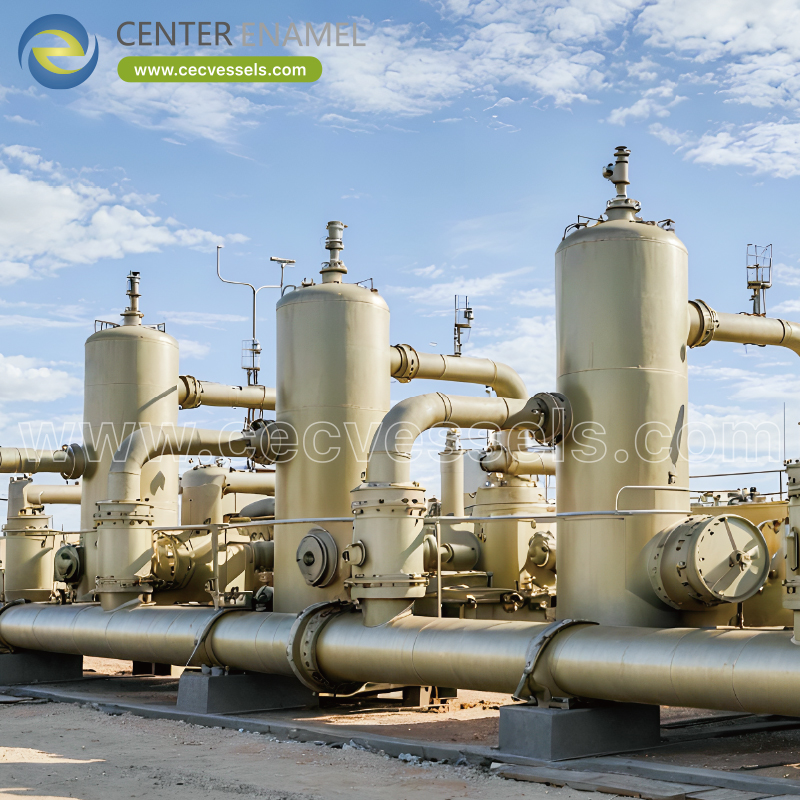
China Wine Fermentation Reactor Manufacturer Solutions for Consistent Flavor Quality
The Wine Fermentation Reactor (or tank) is the central vessel where grape must is transformed into wine through the controlled activity of yeast. For commercial wineries, this equipment is critical not only for basic containment but, more importantly, for managing the complex interplay of biological activity and chemical kinetics that define the final flavor, color, and aroma profiles. While the process operates at atmospheric pressure, the engineering demands are rigorous, focusing on sanitary design, thermal control, and structural longevity.
The reliable, high-performance operation of a commercial Wine Fermentation Reactor is defined by critical engineering requirements:
Precise Temperature Control: Fermentation is an exothermic process, and temperature is the most critical variable affecting yeast health, fermentation speed, and the extraction of desirable compounds from grape solids. The reactor must incorporate a highly efficient and sectionalized heat exchange system (e.g., dimple or channel jackets) designed for rapid and uniform temperature adjustment (heating or cooling), ensuring the fermentation stays within the narrow, optimal range for flavor development.
High Sanitary Standards and Purity: The vessel must prevent microbial contamination that can introduce off-flavors (e.g., acetic acid, volatile phenols). This requires construction from certified food-grade stainless steel, an ultra-smooth internal surface finish (Ra value) to eliminate microbial harborage points, and a design that facilitates thorough, complete Cleaning-in-Place (CIP) and draining.
Effective Cap Management and Solid/Liquid Separation: For red wine production, the reactor must handle the "cap" of grape skins that rises during fermentation. The vessel requires specialized features, such as reinforced internal structures or optimized geometry, to integrate pumping-over systems (pumping over), or the structural strength to handle punching-down (punching down) mechanisms, ensuring efficient extraction of color and tannins.
Structural Durability and Longevity: Given the large volumes and long asset life expected in wineries, the vessel must possess robust structural integrity to safely hold immense liquid weight, withstand thermal cycling, and resist the mechanical stresses associated with continuous agitation, cleaning, and material handling.
The effective function of a Wine Fermentation Reactor depends critically on engineering solutions that support hygiene and stability: Food-Grade Stainless Steel Fabrication and Polishing; Sectionalized Dimple Jackets for Precision Thermal Control; Optimized Vessel Geometry for Solids Handling; and Rigorous Compliance with Global Structural Codes for asset longevity.
At the forefront of manufacturing these essential, high-integrity process vessels is Shijiazhuang Zhengzhong Technology Co.,Ltd (Center Enamel). Leveraging decades of excellence in the design and fabrication of certified Pressure Vessels and specialized sanitary reactors for food and beverage service, Center Enamel has strategically established itself as a leading China Wine Fermentation Reactor Manufacturer. Our expertise ensures superior hygiene, precise thermal management, and rigorous compliance with global codes, guaranteeing batch consistency, flavor quality, and uncompromising structural integrity.
Center Enamel is the trusted global partner for wineries and beverage producers where flavor purity, thermal precision, and long-term asset reliability are strategic priorities.
Engineering for Oenology: Core Applications of Center Enamel’s Fermentation Vessels
Center Enamel’s high-integrity Wine Fermentation Reactors are designed to optimize the specific fermentation and post-fermentation processes required for various wine styles and production techniques.
1. Central Application Spotlight: Red and White Wine FermentationThe reactor must be adaptable to the different requirements of fermenting must with and without skins.
Red Wine Primary Fermentation: Used for fermenting juice with skins and seeds (must) to extract color and tannins. These reactors are typically wide-diameter, short-height vessels equipped with robust floor designs and internal cooling jackets optimized for handling the dense cap and managing the rapid temperature rise of the highly exothermic fermentation. Our focus is on the integration of efficient pump-over manifolds and access ports.
White Wine Primary Fermentation: Used for fermenting juice only (without solids). These reactors are typically taller, narrower vessels that require highly accurate, low-temperature control to preserve volatile aromatics. The vessel design emphasizes precision, low-temperature cooling via multiple, independently controlled jacket sections and high-purity finishes to ensure flavor neutrality.
Malolactic Fermentation (MLF) and Cold Stabilization: Post-primary fermentation, the reactor is used for secondary biological conversion (MLF) and physical processes (cold stabilization to precipitate tartrates). These steps require the reactor to hold stable temperatures, often at controlled low or moderate ranges, utilizing the reactor's high-efficiency thermal jackets.
2. Specialized Applications in Sparkling Wine and StorageThe manufacturing demands extend to systems requiring specialized pressure or storage conditions.
Sparkling Wine Production (Charmat Method): Used as an autoclave-style vessel for the secondary, pressurized fermentation of sparkling wines. While the pressure requirements are moderate, the reactor demands a certified, robust pressure vessel design and excellent thermal control to manage yeast activity and carbonation. The structural standards cited (ASME, EN, GB) are essential for these pressurized applications.
Variable Capacity Storage/Fermentation Tanks: Used by smaller producers for flexible batch sizes. These reactors feature floating lids and inflatable seals, allowing the volume to be adjusted. The quality of the vessel’s internal finish and dimensional accuracy are critical for the seal to function correctly, preventing oxidation and spoilage.
Blending and Finishing Tanks: Used for post-fermentation processes like blending, fining (clarification), and bottling preparation. These vessels emphasize complete drainage, sanitary design, and gentle mixing capability (using side-mounted blenders or internal mixers) to homogenize the final wine without introducing oxidation.
Engineering Excellence: Center Enamel’s Technical Foundation
Manufacturing a high-integrity Wine Fermentation Reactor requires superior expertise in sanitary fabrication, thermal dynamics, and structural analysis under liquid load. Center Enamel’s approach is validated by adherence to the world's most rigorous engineering standards.
Unwavering Compliance with Global Engineering Codes and Certifications
As a premier China Wine Fermentation Reactor Manufacturer, our commitment to structural safety and quality is validated by adherence to the most trusted global and national standards:
The ASME Boiler & Pressure Vessel Code (BPVC): Full compliance with ASME BPVC Section VIII (Div. 1 and 2) is fundamental. Although fermentation is low pressure, this code verifies the structural integrity and design robustness of the entire Vessel Shell, Heads, and Jackets, ensuring the vessel safely withstands the immense hydrostatic load of wine (especially large tanks), thermal stress from cycling, and any incidental pressure/vacuum events.
BS EN 13445 (European Standard): Adherence to this European standard, particularly its detailed provisions for unfired pressure vessels and structural design, further validates our analytical approach for vessels operating under continuous liquid load and thermal stress.
GB/T 150.1-150.4-2024 (Chinese National Standard): Adherence to the highest Chinese National Standards for Pressure Vessels affirms our analytical design methods, material traceability, and fabrication precision for critical structural and welding integrity, ensuring long-term vessel stability.
Precision Manufacturing for Hygiene and Thermal Control
Our fabrication processes are meticulously specialized to ensure the reactor's longevity and reliable, stable operation:
Sanitary Surface Finish and Welding: We utilize certified food-grade stainless steel with precision welding techniques (orbital welding) to minimize porosity and crevices. Internal surfaces are finished with a high-grade mechanical polish , which is critical for eliminating microbial traps and facilitating thorough CIP.
High-Efficiency Dimple/Channel Jackets: We specialize in the high-integrity welding of external dimple or channel jackets, designed to maximize the heat transfer surface area and optimize coolant flow. Jackets are often sectionalized (zoned) to allow for precise, localized temperature control along the vessel height, catering to different stages of fermentation.
Optimized Vessel Geometry and Drainage: The vessel bottom is designed for efficient material handling, featuring steep conical or dished heads with minimal-intrusion, flush-fitting outlets and valves to ensure complete, easy draining of wine and lees, crucial for preventing spoilage and facilitating CIP.
Robust Structural Design: The vessel supports, legs, and overall structure are engineered to safely handle the maximum weight of the liquid, incorporating safety factors based on the rigorous standards of ASME and EN, guaranteeing stability and long life. Shijiazhuang Zhengzhong Technology Co.,Ltd: Global Manufacturing Powerhouse
Center Enamel’s ability to consistently supply these highly specialized, high-integrity Wine Fermentation Reactor systems worldwide is a testament to our vast manufacturing scale and corporate stability.
Unmatched Production Capacity and Strategic Scale
Our operational infrastructure is optimized for high-specification global project delivery:
150,000㎡ Production and R&D Base: This massive, integrated facility is equipped with specialized fabrication bays, advanced welding procedures, and high-precision machining centers dedicated to large-scale, sanitary stainless steel fabrication. This immense scale ensures that we can manage the concurrent fabrication of multiple critical, complex Wine Fermentation Reactor systems with reliable lead times.
R&D Focus on Fluid Dynamics and Thermal Efficiency: Our R&D investment centers on optimizing jacket design for maximum HTCs and refining internal geometry to facilitate efficient CIP and optimal cap management.
Corporate Assurance and Global Partnership
Center Enamel's long-standing reputation is built on decades of stable, high-quality manufacturing and global client trust:
Certified International Quality and Safety System: Our entire manufacturing and management system is rigorously certified to comply with leading global standards, ensuring clients of consistency, accountability, and adherence to the highest standards of corporate governance in every project phase.
Extensive Global Project Success: Our high-integrity Pressure Vessels and specialized sanitary tanks are deployed in mission-critical applications across diverse global regions, supporting major food, beverage, and chemical producers. This successful track record validates our capability to handle the complex technical specifications, diverse regulatory requirements, and demanding logistics of international sanitary and structural service projects.
The Definitive Choice for Controlled Wine Production
The reliable and efficient performance of commercial wine production is fundamentally dependent on the reactor's ability to maintain precise thermal control, ensure absolute hygiene, and withstand immense structural loads, demanding a vessel built with specialized design features for superior sanitary surface finish, robust and sectionalized heat exchange systems, optimized geometry for solids handling, and uncompromising compliance with global engineering standards.
Shijiazhuang Zhengzhong Technology Co.,Ltd (Center Enamel) is the definitive global partner for this requirement. We unite the ultimate structural resilience of a world-class Pressure Vessels manufacturer with the specialized sanitary engineering, thermal design, and advanced fabrication expertise required for complex Wine Fermentation Reactor service. Our position as a premier China Wine Fermentation Reactor Manufacturer is validated by our strict compliance with The ASME Boiler & Pressure Vessel Code (BPVC), BS EN 13445, and GB/T 150.1-150.4-2024, and solidified by the immense capacity of our 150,000㎡ production and R&D base.
Choose Center Enamel to invest in advanced, ultra-high-integrity equipment that guarantees the safety, efficiency, and longevity of your most critical Wine Fermentation Reactor applications. We provide the technical foundation for process excellence and controlled oenological production.
|