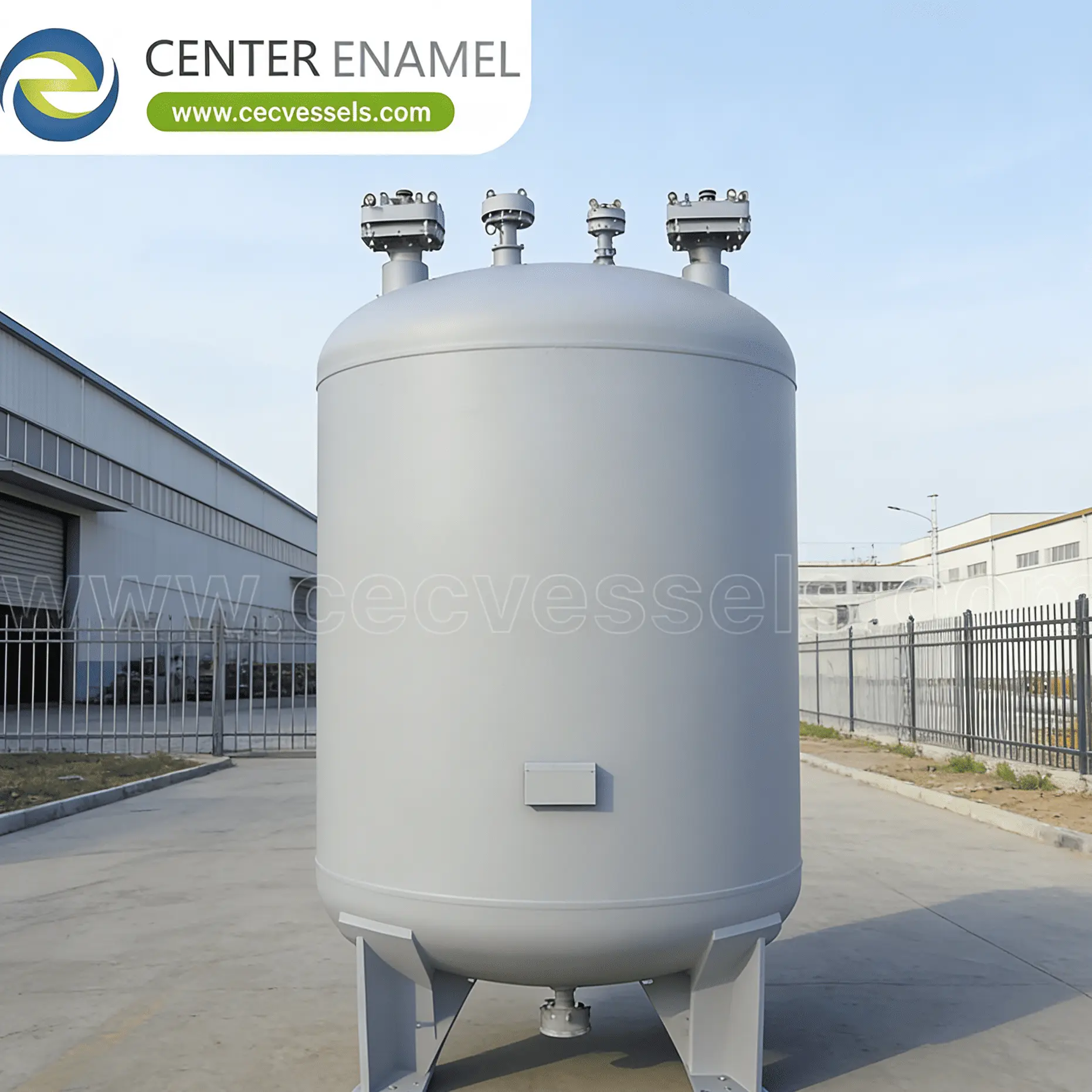
Choose a Forced-Circulation MVR Evaporator Manufacturer in China
In modern industrial wastewater treatment, chemical processing, biopharmaceutical production, and resource recovery sectors, energy efficiency, operational stability, and thermal economy are top priorities. Mechanical Vapor Recompression (MVR) technology has emerged as one of the most sustainable and cost-effective evaporation techniques worldwide. Among various MVR configurations, the forced-circulation MVR evaporator stands out as the ultimate solution for processing complex liquid streams—specifically high-viscosity media, heat-sensitive fluids, fouling-prone liquors, and high-salinity industrial wastewater.
When searching for a reliable, high-performance solution, partnering with a professional China Forced-Circulation MVR Evaporator Manufacturer offers exceptional technological integration, precision manufacturing, robust quality control, and attractive life-cycle economic benefits. Companies like Shijiazhuang Zhengzhong Technology Co., Ltd. (Center Enamel) lead the industry by combining advanced containment vessel engineering, rigorous international manufacturing standards, and tailored process design to deliver state-of-the-art evaporation equipment globally.
Understanding Forced-Circulation MVR Evaporator Technology
An MVR (Mechanical Vapor Recompression) evaporator operates on the fundamental principle of recycling secondary vapor produced during the evaporation process. Instead of allowing secondary steam to escape as waste thermal energy or requiring vast amounts of fresh boiler steam, a high-efficiency vapor compressor re-compresses the vapor. This mechanical compression increases both the temperature and enthalpy of the vapor, transforming it into a high-grade heating medium that is recycled directly back into the main heat exchanger shell.
In a Forced-Circulation MVR Evaporator, liquid material is forcibly circulated through the heat exchanger tubes at high velocity using a heavy-duty, low-NPSH circulation pump. Because the liquid velocity inside the heat exchanger tubes remains high (typically 1.5 to 3.0 meters per second), static hydraulic head pressure prevents boiling from occurring directly on the heat transfer surfaces. Evaporation occurs only after the pressurized superheated liquid enters the vapor-liquid separator (flash chamber), where the pressure drops abruptly and flash evaporation takes place.
This forced liquid movement delivers several distinct operational advantages for challenging industrial process fluids:
Fouling & Scaling Prevention: High fluid velocity scours the interior tube walls, effectively preventing solid precipitation, crystal adhesion, and scale buildup on heat transfer surfaces.
Enhanced Heat Transfer Efficiency: Continuous turbulent liquid circulation maintains high heat transfer coefficients even when handling viscous or non-Newtonian process media.
Continuous & Stable Operation: Specially designed for heavy-duty applications, allowing extended running periods between automated cleaning cycles.
Wide Operating Adaptability: Capable of handling broad variations in feed concentration, slurry density, and fluid viscosity without risk of tube blockage.
Core System Component Package
A complete Forced-Circulation MVR Evaporator process package delivered by a premier manufacturer primarily includes:
Feed Preheating System: Preheats incoming raw feed liquid by recovering thermal energy from outgoing hot condensate and concentrated discharge streams, maximizing thermal efficiency.
Evaporator Body & Heat Exchanger: Precision-engineered shell-and-tube heat exchangers constructed from high-grade corrosion-resistant alloys to facilitate efficient heat transfer without surface boiling.
Vapor Compressor: The core mechanical heart of the MVR system. Its aerodynamic performance, compression ratio, and energy conversion efficiency directly determine the system's power consumption and operational stability.
Vapor-Liquid Separator (Flash Chamber): A strategically proportioned vessel designed to promote efficient droplet separation, ensuring clean vapor enters the compressor while concentrated liquor drops back to the circulation loop.
Condensate Recovery & Vacuum System: Efficiently collects pure distillate for factory reuse or discharge while maintaining optimum operating pressure within the evaporator vessel.
Intelligent Automatic Control System (PLC / DCS): Enables real-time parameter tracking, precise temperature and level adjustments, automatic washing sequences, and stable continuous automated operation.
Product Overview: Industrial Evaporator Systems
The evaporator is a highly efficient industrial equipment dedicated to liquid concentration, solvent removal, and moisture separation. Adopting advanced heat transfer technology, it realizes gentle and stable evaporation through reasonable temperature control and flow design, suitable for treating various liquid materials. The equipment is made of food-grade or industrial-grade stainless steel, with smooth surface, corrosion resistance, and easy cleaning, meeting hygienic and long-term operation requirements. Compact structure and reasonable layout ensure small floor space and convenient installation and maintenance. It supports automatic control system to realize stable operation and precise parameter adjustment. Widely used in food processing, beverage production, pharmaceutical preparation, chemical industry, and environmental protection fields, evaporator effectively improves material concentration and purity while retaining product activity and quality. With low energy consumption and high evaporation efficiency, it provides reliable concentration solutions for industrial production.
Depending on specific operating conditions, feed characteristics, and concentration targets, manufacturers can configure falling-film, forced-circulation, rising-film, or crystallization-type MVR evaporators to handle complex materials such as high-viscosity media, heat-sensitive fluids, fouling-prone liquids, or high-salinity wastewater streams.
Why Choose a China Forced-Circulation MVR Evaporator Manufacturer?
Selecting an experienced Forced-Circulation MVR Evaporator Manufacturer in China provides global industrial enterprises with significant technical, operational, and financial advantages. China has established itself as an international hub for heavy process equipment manufacturing, combining advanced metallurgical capabilities, skilled engineering talent, and comprehensive industrial supply chains.
Advanced Engineering Alignment & International Compliance
Leading Chinese manufacturers operate within internationally recognized design and quality management frameworks, such as ASME, ISO 9001, and BS EN 13445. Engineering teams perform precise thermal-hydraulic calculations, finite element stress analysis, and structural evaluations to ensure equipment reliability under demanding process regimes.
Comprehensive Industrial Infrastructure & Scale
Top-tier China manufacturers maintain expansive automated fabrication facilities equipped with heavy overhead cranes, automatic submerged arc welding lines, plasma cutting, CNC machining, and specialized surface treatment bays. This infrastructure allows seamless handling of large-diameter vessel shells, thick tubesheets, and complex skid-mounted modules.
Integrated Customization & End-to-End Solutions
From pilot-scale trial testing and process simulation to detailed equipment fabrication, skid integration, global shipping, and on-site commissioning, leading suppliers provide a unified one-stop project workflow that reduces project lead times and capital expenditure.
Material & Metallurgical Selection: Carbon Steel & Stainless Steel Fabrication
The structural durability and chemical compatibility of an evaporator depend heavily on material selection and metallurgical processing standards. Two core metal materials, carbon steel and stainless steel, dominate the fabrication of industrial pressure vessels and evaporation bodies, each carrying unique processing and application merits.
Carbon Steel Characteristics: Carbon steel presents excellent cost efficiency and high tensile strength, ideal for conventional industrial environments without severe chemical erosion. Mature rolling and welding craft process carbon steel plates into cylinder shells and dished heads efficiently, shortening production cycles. Vessels made of carbon steel suit general chemical utilities, structural frames, and water treatment projects.
Stainless Steel & Alloy Performance: Stainless steel features natural anti-corrosion properties that block chemical reactions between vessel bodies and special liquid or gas media. Polished stainless steel interiors prevent material adhesion and reduce cleaning frequency. Stainless steel variants serve high-hygiene production including beverage extraction, biopharmaceutical processing, food production, and highly corrosive chemical waste handling.
Unified Manufacturing Standards: Unified processing standards apply to both material types: precise blanking, seamless welding, and surface anti-rust treatment are completed in sequence. Every finished component goes through tightness and structural tests to guarantee operational reliability under variable temperature and pressure conditions.
Manufacturing Process Excellence
Our factory delivers a complete production chain for pressure vessels and evaporator systems, supported by an experienced workforce and multi-stage quality inspections. Our spacious workshop is equipped with reliable overhead cranes and strong fabrication beds to handle heavy steel structures safely.
Raw Material Verification: The process starts with the verification of raw materials to meet engineering needs.
Precision Blanking & Forming: Standard plasma cutting and mechanical bending rollers are used to ensure correct dimensions for the vessel shells and heads.
Welding & NDT Inspection: Welding operations are conducted professionally, with full inspection on all pressure-bearing joints.
Quality Control: Intermediate inspections are carried out after major steps to control quality in real time.
Pressure & Sealing Verification: After full assembly, the vessels undergo rigorous water pressure and tightness testing in a dedicated test area to ensure no leaks occur.
Surface Treatment: The surface treatment department applies uniform cleaning and industrial coatings to improve corrosion resistance.
Final Inspection: Final inspection includes a full check of structure, sealing, and surface quality against industrial specifications. The complete process guarantees high reliability, stable quality, and consistent performance for pressure vessel systems.
Industry Trends: Green Transition & High-Precision Manufacturing
Driven by global industrial modernization, the pressure vessel industry witnesses continuous technical reform and rapidly updating market demands, requiring manufacturers to balance production efficiency, product safety, and customized service capacity.
Center Enamel gains steady market recognition by integrating professional engineering alignment with a consistent craftsmanship spirit. Rooted in industrial ingenuity, we pursue extreme precision in design parameters, structural strength, and material selection, keeping pace with the industry's green and sustainable transition. Carefully refined, high-performance vessel solutions effectively reduce hidden operational risks, lower emissions, and significantly extend equipment service life. Our long-term insistence on precise manufacturing and fine craftsmanship helps Center Enamel occupy a stable, leading position in the marketplace, while continuously pushing the whole pressure vessel sector toward a refined, zero-defect, and high-quality sustainable development model.
In forced-circulation MVR systems, this commitment translates into lower energy consumption per ton of evaporated water, extended equipment runtime between maintenance cycles, and exceptional durability when handling high-salinity zero liquid discharge (ZLD) streams.
Tailored Engineering & Design Expertise
Center Enamel’s Design Team excels at translating complex, bespoke industrial application requirements into secure, standard-compliant pressure vessel architectures. Operating within global frameworks like ASME and local regional codes, our engineers customize shell diameters, overall lengths, and orientation profiles without ever compromising on mandatory safety metrics.
The team performs rigorous thermal-hydraulic calculations and mechanical calculations to determine precise corrosion allowances tailored to specific corrosive media. Every detail of the vessel's pressure-retaining components—including tubesheets, channels, and blind flanges—is engineered to match strict standard ratings and pass rigorous hydrostatic and pneumatic testing parameters.
Furthermore, the design team seamlessly integrates mandatory inspection openings, such as manways and handholes, exactly where international safety codes specify for future maintenance accessibility. This specialized expertise allows us to provide highly reliable, tailor-made pressure vessel configurations that successfully cross-reference and satisfy multiple international design standards simultaneously, maintaining an unblemished record of global engineering safety.
Proven Field Application Case Study
Chemical Industry Project (Hubei, China)
In the Hubei Chemical Industry Project, Center Enamel engineered and delivered a comprehensive suite of premium pressure vessels customized for sophisticated fluid handling. This robust deployment encompasses high-performance resin tanks, coalescing oil separators, advanced fiber adsorption tanks, compressed air storage tanks, condensate tanks, and heavy-duty steam distribution cylinders.
Meticulously fabricated from top-grade stainless steel and carbon steel, each vessel is designed to withstand stringent industrial pressures while ensuring exceptional corrosion resistance and mechanical longevity. The entire manufacturing process strictly complied with the authoritative GB/T 150 standard governing pressure vessels in China, guaranteeing superior structural integrity, safety compliance, and operational stability.
Tailored for full-scale integrated chemical fluid processing, efficient separation, and centralized steam distribution, these vessels serve as the vital infrastructure within the chemical plant. They optimize thermal efficiency, eliminate fluid impurities, and streamline complex distribution workflows, thereby empowering the client to maintain uninterrupted production, minimize energy losses, and achieve rigorous compliance with national environmental directives.
Company Overview: Shijiazhuang Zhengzhong Technology Co., Ltd. (Center Enamel)
Shijiazhuang Zhengzhong Technology Co., Ltd. (Center Enamel) is a certified high-tech enterprise integrating independent research, development, manufacturing, and global sales of industrial containment equipment. The firm’s core product portfolio covers Glass-Fused-to-Steel tanks, Fusion Bonded Epoxy tanks, and full-series pressure vessels, delivering all-round customized containment solutions for diverse industrial sectors.
Covering a production base of 150,000 square meters, Center Enamel operates complete automated production lines capable of fabricating equipment ranging from small lab-scale process tanks to large-volume industrial reactors. Every project follows full-process technical support covering custom design, production, transportation, on-site construction, and after-sales commissioning.
All products comply with global authoritative standards including ASME, ISO 9001, and BS EN 13445, with rigorous testing implemented throughout manufacturing procedures. The company maintains long-term cooperation with clients across over 100 countries, earning stable recognition for reliable engineering strength, standardized quality control, and flexible one-stop service systems for industrial storage and processing equipment.
Key Considerations when Selecting an MVR Evaporator Manufacturer
When evaluating potential suppliers for forced-circulation MVR evaporators, engineering directors and plant managers should assess several critical criteria:
Process Simulation & Pilot Testing: The ability to simulate liquid thermal dynamics, boiling point elevation (BPE), and viscosity shifts during concentration.
Compressor Selection & Integration: Seamless matching between the vapor compressor (roots compressor or single-stage centrifugal compressor) and the heat exchanger area.
Metallurgical & Welding Certification: Comprehensive non-destructive testing (NDT), hydrostatic testing, and certified welding procedures (WPS/PQR) under ASME or GB standards.
Automation & Control Logic: Advanced PLC systems with automated CIP (clean-in-place) routines and predictive safety interlocks.
Global After-Sales & Commissioning Support: Dedicated engineering support for installation, operator training, and lifetime spare parts availability.
Selecting the right Forced-Circulation MVR Evaporator Manufacturer in China is a decisive step toward achieving low operational costs, continuous thermal efficiency, and environmental compliance in demanding process industries. By combining advanced mechanical vapor recompression principles with robust forced-circulation fluid dynamics and precision pressure vessel fabrication, leading Chinese manufacturers deliver unmatched performance for complex, fouling-prone, and high-salinity liquid processing.
To learn more about custom evaporator configurations, industrial pressure vessels, and global containment solutions, visit the official website at https://www.cecvessels.com/and explore specialized product details at https://www.cecvessels.com/evaporator/.
|