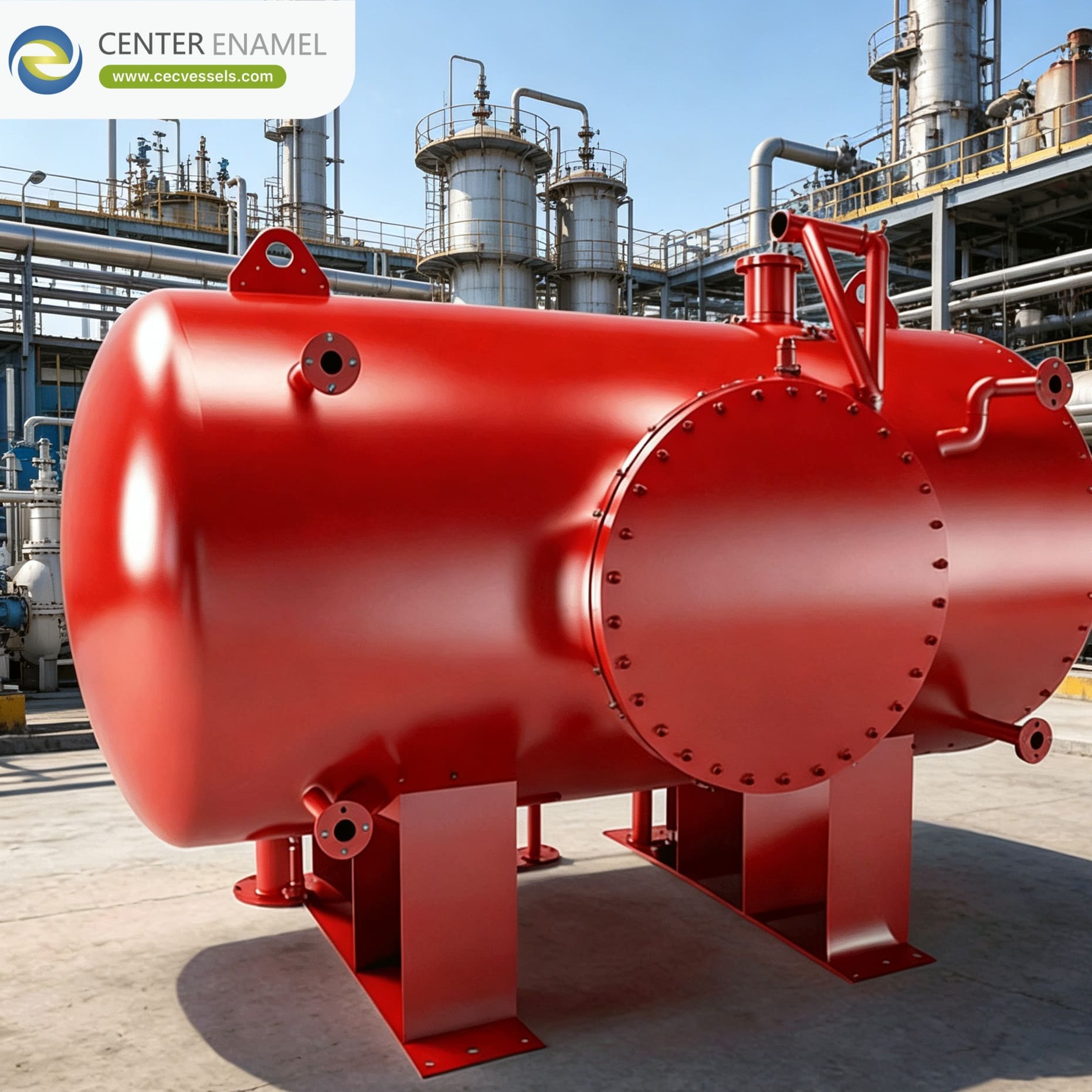
Condensers Selection Guide Types, Features, Applications
A condenseris a heat transfer device that removes heat from vapor and converts it into liquid. It is commonly used in refrigeration, air conditioning, power generation, and chemical processing systems. As a specialized condenser heat exchanger, it transfers thermal energy from a vapor stream to a cooling medium, such as air or water. The appropriate condenser type depends on process requirements, cooling conditions, equipment capacity, and installation arrangements. What Is the Function of a Condenser?The main function of a condenseris to release heat and achieve vapor-to-liquid conversion. In industrial processes, this function supports condensate recovery, thermal management, and continuous production operations. A condenser generally performs the following functions: lHeat Removal:Transfers thermal energy from hot vapor to a cooler medium. lVapor Condensation:Changes vapor into liquid through cooling. lLiquid Recovery:Collects condensed liquid for reuse or further processing. lSystem Circulation:Supports continuous operation in refrigeration and steam systems. lHeat Recovery:Allows released thermal energy to be used in other process applications when the system is suitably designed. For example, in a chemical production facility, a condenser can recover solvent vapor from a distillation process and return the liquid to a storage or processing system. What Are the Main Types of Condensers?Condensers are classified according to their cooling medium, heat transfer method, and structural configuration. The three common cooling categories are air-cooled, water-cooled, and evaporative condensers. 1. Air-Cooled Condenser<bold>An air-cooled condenser</bold> uses ambient air to remove heat from vapor. It typically consists of finned tubes and fans that circulate air across the heat transfer surface. Key Features: lUses air as the cooling medium. lUsually includes finned-tube heat transfer coils. lCan be installed outdoors. lDoes not require a dedicated condenser-water circulation system. Applications:Building air conditioning, refrigeration equipment, automotive cooling, and industrial process cooling. 2. Water-Cooled CondenserA water-cooled condenseruses circulating water to absorb heat from vapor. Heat transfers through metal tubes or plates while the process fluid and cooling water remain separated in indirect-contact designs. Key Features: lUses water as the cooling medium. lCommonly adopts shell and tube construction. lSupports large industrial cooling capacities. lCan be integrated with cooling towers and circulating water systems. Applications:Power plants, chemical facilities, central HVAC systems, refrigeration plants, and industrial production lines. 3. Evaporative CondenserAn evaporative condensercombines air circulation and water evaporation to remove heat. Water is distributed over the condenser coil while fans move air through the equipment. Key Features: lCombines air and water cooling. lUses evaporation to support heat removal. lIntegrates a coil, water distribution system, fan, and collection basin. lCan provide a compact cooling arrangement for suitable applications. Applications:Industrial refrigeration, cold storage facilities, food processing, and commercial cooling systems. 4. Shell and Tube CondenserA shell and tube condenserconsists of multiple tubes installed inside a cylindrical shell. One fluid flows through the tubes while another flows through the shell side. Its design provides a large heat transfer surface and can be adapted to different industrial process conditions. Applications:Steam condensation, chemical processing, petroleum refining, and industrial heat recovery. 5. Surface CondenserA surface condensertransfers heat through a separating wall without directly mixing the vapor and cooling medium. It is commonly used in steam turbine systems. The condensed steam collects in a designated section and can be returned to the feedwater circulation system. Applications:Thermal power plants, industrial steam systems, and energy recovery facilities. What Are the Main Condensing Unit Components?A condenser is a heat exchange component, while a condensing unitis a more complete equipment assembly used in refrigeration and HVAC systems. Typical condensing unit componentsinclude:
The exact configuration varies according to equipment size, refrigeration cycle design, and application requirements. In industrial process systems, condenser assemblies may also include cooling water connections, condensate collection sections, pumps, instrumentation, and control arrangements. Where Are Condensers Used?Condensers serve different functions across industrial sectors. Their selection depends on the type of vapor, cooling medium, and production process. 1. Power Generation Power plant condensers convert exhaust steam from turbines into liquid water. The recovered condensate can return to the steam circulation system, supporting continuous power generation. 2. Chemical and Petrochemical Processing Condensers are installed in distillation columns, reactors, and vapor recovery systems. They help recover solvents, cool process gases, and collect liquid products. 3. HVAC and Refrigeration In air conditioning and refrigeration systems, condensers release heat from refrigerant vapor. The refrigerant then returns to a liquid state before moving through the next stage of the refrigeration cycle. 4. Food and Beverage Manufacturing Industrial condensers support evaporation, concentration, and cooling processes. They can recover water vapor and help manage thermal energy during production. 5. Pharmaceutical Manufacturing Condensers are used in solvent recovery, distillation, and process vapor cooling. Their design must match the fluid characteristics and production requirements. 6. Industrial Wastewater Treatment Condensation equipment can be integrated into evaporation and water recovery systems to collect vapor as liquid and support water reuse processes. How to Select the Right Condenser?Choosing the appropriate condenser requires evaluating the complete process rather than considering equipment capacity alone. The following factors are important during selection: 1. Condensation Capacity Determine the vapor flow rate and the amount of vapor that needs to be converted into liquid per unit of time. 2. Cooling Medium Availability Identify whether air, circulating water, or evaporative cooling is suitable for the installation location. 3. Heat Transfer Requirements Evaluate inlet and outlet temperatures, heat transfer duty, and the temperature difference between the process fluid and cooling medium. 4. Material Selection Common construction materials include copper, aluminum, carbon steel, and stainless steel. The selection should consider fluid compatibility, corrosion resistance, thermal conductivity, and maintenance requirements. 5. Structural Configuration Choose between shell and tube, plate, finned-tube, or customized condenser configurations according to the process layout and available installation space. 6. Maintenance and Cleaning Consider inspection access, cleaning arrangements, replacement requirements, and the expected operating environment. 7. System Integration Confirm that the condenser can connect with existing pipelines, pumps, storage vessels, cooling systems, and process control equipment. Frequently Asked Questions About Condensers1. What is the condenser used for? A condenser removes heat from vapor and converts it into liquid. It is widely used in refrigeration, power generation, chemical processing, and industrial vapor recovery. 2. What is the difference between a condenser and a heat exchanger? A condenser is a specialized heat exchanger designed to achieve vapor condensation. A general heat exchanger can transfer heat between fluids without necessarily involving a phase change. 3. Which type of condenser is best for industrial applications? There is no single best type. Water-cooled condensers are commonly selected for large industrial cooling systems, air-cooled condensers are suitable where cooling water is limited, and evaporative condensers combine air and water cooling. 4. What are the main condensing unit components? Typical components include a compressor, condenser coil, fan, receiver, filter drier, expansion valve, motor, and electrical controls. 5. How does a condenser improve process efficiency? A condenser supports efficient thermal management by removing heat, recovering liquid products, and enabling the reuse of condensate or recovered process materials. Industrial Condenser Solutions for Different ApplicationsSelecting the right condenser involves matching equipment type, heat transfer capacity, construction materials, and cooling conditions to the actual process. From shell and tube condensers in chemical plants to water-cooled systems in power generation, each configuration serves specific thermal management requirements. Center Enamelprovides industrial equipment solutions for chemical processing, storage, and related industrial applications. For projects involving condenser heat exchangers and integrated process systems, equipment configuration and material selection should be coordinated with the overall engineering design to support reliable operation and effective process integration.
|