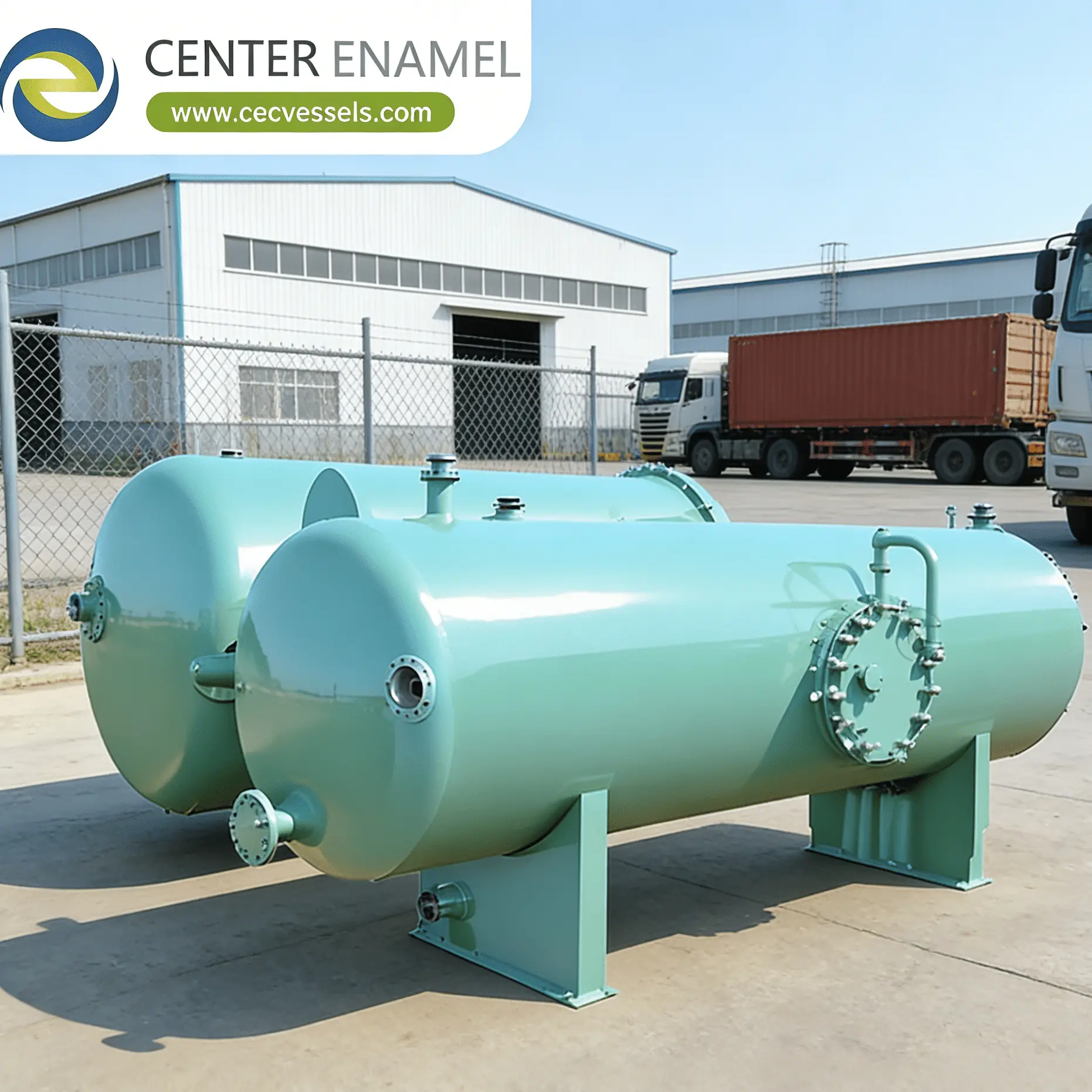
Continuous Flow Reactor for High-Throughput Chemical Processing
A Continuous Flow Reactoris a chemical processing vessel in which reactants are continuously introduced into the reactor while processed materials are continuously discharged. Unlike batch reactors that operate through separate charging, reaction, and discharge cycles, continuous flow systems maintain a steady stream of materials through the reaction zone.
This operating principle makes continuous flow reactors well suited to industrial processes that require consistent production, controlled residence time, efficient heat transfer, and stable reaction conditions. Depending on the process, a continuous flow reactor can be configured for liquid-liquid, liquid-gas, or multiphase reactions, with equipment design adapted to feed characteristics, reaction kinetics, temperature requirements, mixing conditions, and desired production capacity.
For chemical manufacturers, the main value of continuous processing is the ability to establish a repeatable production environment. Once the operating parameters are properly defined, the reactor can continuously process incoming feed materials and deliver a consistent product stream. This supports efficient production scheduling and helps manufacturers maintain uniform process performance across extended operating periods.
How Does a Continuous Flow Reactor Work?The working principle of a continuous flow reactor is based on controlled material movement through a defined reaction space. Raw materials are first delivered through dedicated feed lines. Flow meters, pumps, valves, and other process components regulate the quantity and flow rate of each feed stream. The reactants then enter the reactor, where mixing and chemical conversion take place under predetermined operating conditions.
Inside the reactor, the residence time determines how long the reactants remain within the reaction zone. Reactor volume and feed rate can therefore be coordinated to achieve the required processing time. Internal mixers, static mixing elements, baffles, coils, jackets, or other configurations may be incorporated depending on the process.
Temperature control is another important part of continuous flow operation. Heating or cooling jackets, internal coils, or external heat exchangers can help maintain the required process temperature. For reactions that generate or consume heat, stable thermal management supports consistent reaction performance.
After passing through the reaction zone, the processed material leaves the reactor continuously and can proceed to downstream equipment such as separators, filters, crystallizers, evaporators, condensers, storage vessels, or purification systems.
This integrated arrangement allows the reactor to function as part of a complete production line rather than as an isolated piece of equipment. Key Features of Continuous Flow Reactor Systems
A properly designed Continuous Flow Reactor can provide several advantages for industrial chemical processing.
Continuous Material ProcessingContinuous feeding and discharge allow production to proceed without repeatedly stopping the reactor for charging and unloading. This operating mode is particularly suitable for processes requiring stable and repetitive production. Consistent Residence TimeResidence time is an important parameter in chemical reactions. By coordinating reactor volume and material flow rate, engineers can establish a controlled processing period for the reactants.
Efficient Heat TransferContinuous flow reactors can be designed with jackets, coils, or external heat-transfer systems to support accurate temperature management. The appropriate configuration depends on reaction characteristics and production requirements.
Controlled MixingMixing performance directly affects the interaction between reactants. Agitators, static mixers, circulation systems, or specialized internal structures can be selected according to fluid properties and reaction requirements.
Scalable ProductionContinuous reactor systems can be developed for different production capacities. Equipment dimensions, flow rates, reactor volume, and auxiliary systems can be adjusted according to the customer's process requirements.
Integration with Automated SystemsFlow meters, temperature sensors, pressure indicators, level instruments, control valves, and PLC-based control systems can be integrated into the overall process. This allows operators to monitor key parameters and maintain stable production conditions.
Continuous Flow Reactor ApplicationsContinuous Flow Reactor systems are used across a broad range of industrial processing applications where continuous production and controlled reaction conditions are required.
Chemical ManufacturingChemical plants use continuous reactors for processes involving synthesis, neutralization, hydrolysis, oxidation, polymerization, and other chemical transformations. The reactor configuration can be customized according to the feed materials and required reaction conditions.
Pharmaceutical and Fine Chemical ProcessingFine chemical and pharmaceutical production often requires repeatable processing conditions and accurate control of feed rates, temperature, residence time, and mixing. Continuous reactor systems can support these requirements when integrated with appropriate upstream and downstream equipment.
Petrochemical ProcessingContinuous reactors can form part of integrated petrochemical processing systems. Depending on the process, the reactor may work together with heat exchangers, separators, condensers, pumps, and other process equipment.
Food and Biochemical ProcessingCertain food, biochemical, and fermentation-related processes can also use continuous reaction technology. Reactor design can be adapted to fluid characteristics, sanitary requirements, mixing needs, and process temperature.
Environmental ProcessingContinuous reaction systems can be applied to wastewater treatment and other environmental processes where chemical reactions need to take place continuously. Neutralization, oxidation, precipitation, and other treatment stages can be incorporated into continuous processing lines.
Continuous Flow Reactor vs. Batch ReactorThe selection between continuous and batch processing depends on production volume, reaction characteristics, process control requirements, and plant configuration.
A batch reactor processes a defined quantity of material during each production cycle. Operators generally charge the raw materials, conduct the reaction for a specified period, discharge the finished material, and then prepare the vessel for the next batch.
A Continuous Flow Reactor, by comparison, receives feed materials continuously and produces an ongoing product stream. This makes it particularly suitable for high-throughput applications where stable production is preferred.
Neither system is universally better. The appropriate reactor type should be selected according to the actual process, production target, material characteristics, and required operating method.
Design Considerations for a Continuous Flow ReactorContinuous reactor design should begin with a clear understanding of the process rather than simply selecting a standard vessel size.
Feed CharacteristicsEngineers need to understand the physical and chemical characteristics of the feed materials. Viscosity, density, solids content, phase composition, corrosiveness, and flow behavior can all influence reactor configuration.
Required Production CapacityThe required throughput determines the reactor volume, feed rate, and downstream equipment capacity. For high-throughput applications, the complete process line should be evaluated to ensure that upstream and downstream units are properly coordinated.
Residence TimeResidence time is closely related to reactor volume and feed flow. The design should provide sufficient reaction space for the intended process while maintaining stable continuous operation.
Mixing RequirementsDifferent reactions require different mixing conditions. Agitation speed, impeller type, internal structures, static mixers, or recirculation systems may be selected according to the characteristics of the process fluids.
Temperature ControlHeating and cooling requirements should be considered during the initial design stage. A jacketed reactor, internal coil, external circulation loop, or heat exchanger can be incorporated depending on the process.
Material SelectionThe reactor material should be compatible with the processed media and operating environment. Stainless steel, carbon steel, or other specialized materials may be selected according to chemical composition, temperature, corrosion resistance, cleanliness requirements, and applicable standards.
Instrumentation and AutomationModern continuous processing systems can incorporate automated measurement and control of flow, temperature, level, and other process parameters. Instrumentation helps operators maintain stable process conditions and supports integration with the customer's existing control system.
China Continuous Flow Reactor Manufacturer
As a China Continuous Flow Reactor Manufacturer, Center Enamel provides customized reactor engineering and manufacturing solutions for industrial chemical processing applications.
Our approach starts with understanding the customer's actual process requirements. Rather than applying one standard reactor configuration to every project, our engineering team evaluates feed characteristics, required capacity, reaction conditions, residence time, mixing requirements, heat-transfer needs, material selection, and equipment integration.
Based on these parameters, the reactor structure and auxiliary systems can be developed to match the intended application.
Center Enamel can manufacture reactor equipment using materials and configurations selected for specific industrial processes. Depending on project requirements, reactor systems can incorporate agitators, heating or cooling jackets, internal coils, feed connections, discharge systems, inspection openings, instrumentation interfaces, and other customized components.
Our manufacturing process combines engineering design with controlled fabrication procedures to maintain dimensional accuracy, welding quality, surface quality, and overall equipment consistency.
For customers requiring a complete processing solution, reactor equipment can also be considered alongside related process units, allowing the system to be designed around the complete production workflow.
Continuous Flow Reactor Manufacturer with Customized EngineeringAs a professional Continuous Flow Reactor Manufacturer, Center Enamel focuses on project-specific engineering rather than offering only standardized vessels.
Different industries have different requirements. A reactor used for chemical synthesis may require a different mixing arrangement from one used for neutralization or biochemical processing. Similarly, high-viscosity fluids, multiphase materials, heat-sensitive products, and solids-containing feeds may require different internal configurations.
Our engineering team can assess these variables and develop equipment according to the customer's process data.
Customization may include: lReactor working volume and overall dimensions lFeed and discharge connection arrangements lAgitator and mixing configuration lHeating or cooling jacket design lInternal coils or mixing elements lMaterial selection lInstrument connection points lInspection and maintenance access lProcess piping interfaces lAutomation and control interfaces lCustomized support structures lIntegration with upstream and downstream equipment
This project-oriented approach allows the Continuous Flow Reactor to become an integrated part of the production system rather than an independent vessel.
Engineering and Manufacturing TeamAt Center Enamel, reactor projects involve cooperation between engineering, design, manufacturing, quality control, and customer service teams.
Our engineering team studies the customer's process information and translates production requirements into practical equipment specifications. The design team develops the reactor structure, connection arrangement, internal components, and supporting details according to the project requirements.
During manufacturing, production personnel follow approved drawings and established fabrication procedures. Quality control personnel monitor key stages throughout the manufacturing process, including material verification, dimensional inspection, welding inspection, surface inspection, and final equipment evaluation.
This coordinated workflow helps ensure that the manufactured reactor corresponds closely with the approved engineering design.
For customized projects, communication between the customer and engineering team is particularly important. Process information such as working volume, feed composition, flow rate, operating temperature, mixing requirements, reaction time, and required output can help engineers develop a more suitable reactor solution.
Quality Control and TestingCenter Enamel applies a structured quality control process throughout Continuous Flow Reactor manufacturing.
Material verification is performed to confirm that the selected materials correspond with the project specifications. Manufacturing dimensions are checked during fabrication to ensure that major components and connection positions meet the approved drawings.
Welding quality is also inspected according to applicable project requirements. Depending on the equipment design and applicable standards, inspection methods may include visual inspection and appropriate non-destructive testing procedures. Additional checks can be carried out on reactor components, internal structures, connections, flanges, nozzles, supports, and other critical areas.
Before delivery, the completed reactor undergoes final inspection to verify its appearance, dimensions, connections, accessories, and documentation. The specific testing and inspection scope is determined according to the equipment design, applicable standards, and customer requirements.
This systematic quality management process provides customers with greater confidence in equipment consistency and manufacturing quality.
Continuous Flow Reactor for High-Throughput Chemical ProcessingFor high-throughput chemical processing, reactor design must balance production capacity, residence time, mixing efficiency, thermal management, material compatibility, and process integration.
A Continuous Flow Reactor provides an effective platform for this type of production because feed and discharge can proceed continuously while key process parameters are controlled throughout operation.
Center Enamel combines reactor engineering, fabrication capabilities, quality management, and project support to provide customized continuous flow processing equipment for chemical, pharmaceutical, petrochemical, environmental, food, and other industrial applications.
Our engineering team can develop reactor configurations based on the customer's actual working conditions instead of relying solely on fixed standard designs. This includes evaluating the required working volume, production capacity, feed characteristics, mixing method, temperature control, material selection, instrumentation, and connection requirements.
For customers seeking a Continuous Flow Reactor Manufacturer, Center Enamel provides a complete project-oriented service from technical communication and engineering design to manufacturing, inspection, delivery, and after-sales support.
About Center EnamelShijiazhuang Zhengzhong Technology Co., Ltd., known as Center Enamel, is an industrial equipment manufacturer providing customized process equipment and engineering solutions for customers worldwide.
Our manufacturing and engineering capabilities cover a range of industrial equipment, including reactors, pressure vessels, separators, heat exchangers, evaporators, and related process equipment.
By combining engineering experience with manufacturing capabilities, Center Enamel supports customers in developing equipment for different production environments and process requirements.
Our objective is to provide practical, reliable, and application-oriented equipment that can be integrated into modern industrial production systems. From individual reactor manufacturing to customized process equipment solutions, our team works closely with customers to understand technical requirements and develop suitable configurations.
For a project involving continuous chemical processing, customers are welcome to provide information such as required capacity, feed materials, flow rate, working temperature, reaction time, mixing requirements, material preference, and downstream process requirements. Based on these details, our engineering team can evaluate the application and recommend an appropriate Continuous Flow Reactorconfiguration.
Why Choose Center Enamel?lProfessional industrial reactor engineering and manufacturing lCustomized reactor configurations based on process requirements lSupport for different materials and equipment structures lIntegration of mixing and heat-transfer systems lManufacturing quality control throughout the production process lSupport for international industrial projects lEngineering communication and technical documentation lCustomized equipment for continuous and high-throughput processing With a combination of engineering design, manufacturing experience, and project support, Center Enamel aims to provide dependable reactor solutions for customers seeking a professional China Continuous Flow Reactor Manufacturer.
Contact Center Enamelto discuss your continuous processing requirements and obtain a customized reactor solution based on your process data, production capacity, material characteristics, and equipment integration needs.
|