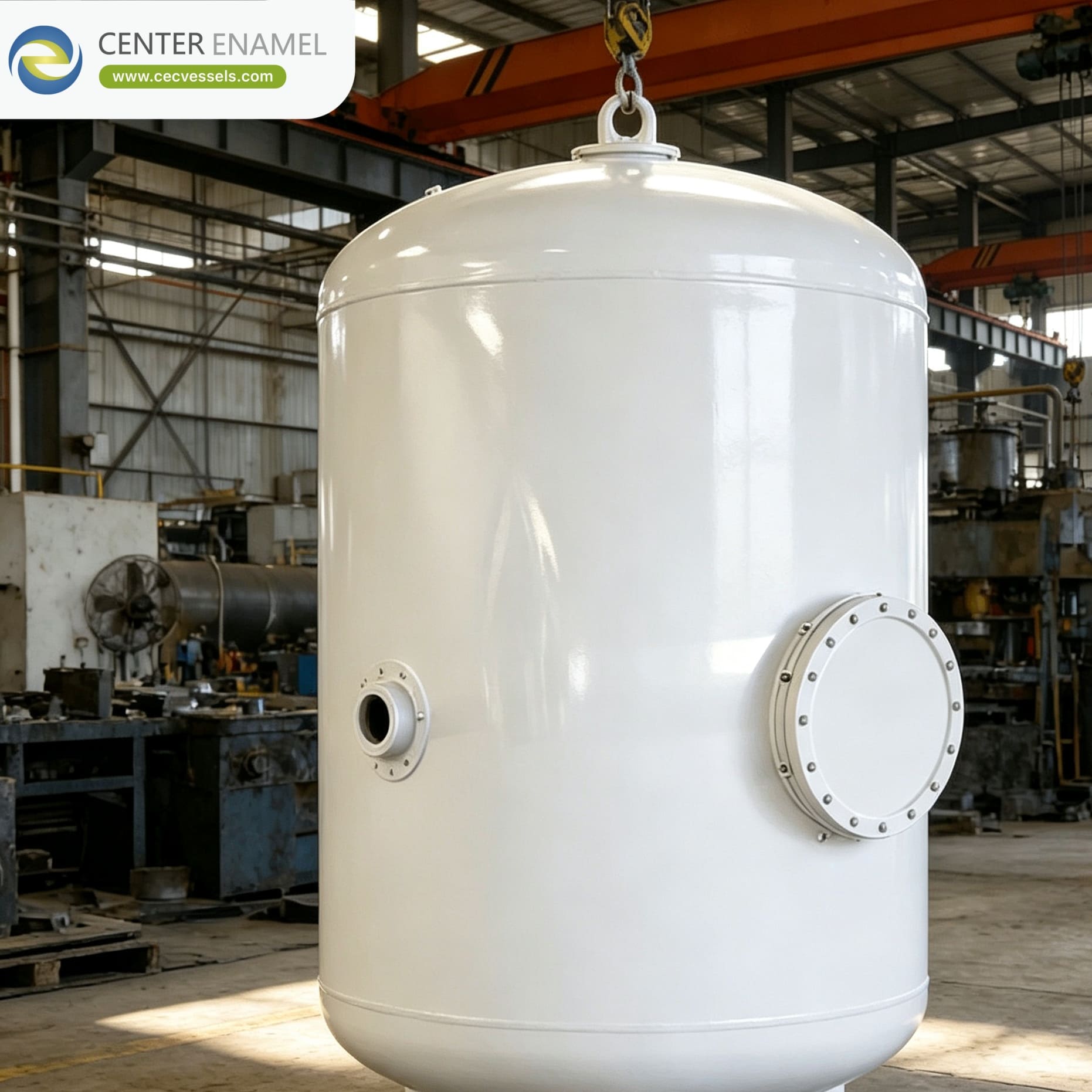
Cooling Water Reservoirs for Reliable Data Center Operations
Data centers depend on stable cooling infrastructure to maintain suitable operating temperatures for servers and IT equipment. Cooling water reservoirs provide essential water storage capacity, support continuous circulation, and help maintain consistent cooling performance as computing demand changes. Why Are Cooling Water Reservoirs Important for Data Centers?Modern data centers operate large numbers of servers that generate considerable heat during computing activities. As artificial intelligence, cloud computing, and high-performance computing continue to expand, cooling systems must accommodate increasingly intensive thermal loads. Water-based cooling technologies are widely used because water provides effective heat transfer capabilities. Within these systems, Data Center Cooling Water Reservoirs serve as important supporting components. Their main functions include: lWater Storage: Provide sufficient water capacity for cooling system operations. lCooling Supply: Support the distribution of cooling water to different equipment. lThermal Buffering: Provide additional water volume to accommodate variations in cooling demand. lSystem Integration: Connect with chillers, heat exchangers, pumps, and cooling towers. lOperational Flexibility: Support centralized and modular cooling infrastructure. By providing dedicated water storage capacity, reservoirs help improve the coordination of cooling equipment and support stable data center operations. Common Applications of Cooling Water Storage Tanks in Data CentersCooling Water Storage Tanks can be integrated into different sections of data center cooling infrastructure. Their configurations depend on cooling technology, facility capacity, water circulation requirements, and available installation space. Chilled Water Storage SystemsChilled water systems are widely used in large data centers. Chillers produce cooled water, which is circulated through piping networks to air handling units, cooling coils, and other heat exchange equipment. In these installations, chilled water storage tanks provide additional water capacity for the cooling network. Their applications include: lChilled water storage lCooling water supply buffering lCentralized cooling distribution lAuxiliary cooling water storage lThermal energy storage arrangements A properly designed storage tank can help balance water supply and cooling demand across different operating periods. Cooling Tower Water StorageCooling towers remove heat from circulating water through heat exchange with ambient air. In data center facilities, cooling towers are commonly connected to chillers and other cooling equipment as part of the heat rejection process. Industrial Cooling Water Tanks can support these systems by providing storage capacity for cooling tower water and associated circulation processes. Tank capacity and configuration should be determined according to the cooling water flow rate, system volume, makeup water requirements, and operating schedule. Liquid Cooling Water StorageLiquid cooling is becoming increasingly important in modern data centers, particularly those supporting AI servers and high-density computing applications. Direct-to-chip cooling systems use liquid to transfer heat away from processors. The coolant circulates through cooling plates and exchanges heat with a facility water circuit through a cooling distribution unit (CDU). Data Center Water Storage Systems can incorporate dedicated reservoirs to support facility cooling water supply and auxiliary circulation requirements. The storage arrangement depends on the cooling medium, system configuration, and required operating capacity. How Do Data Center Cooling Water Reservoirs Work?A cooling water reservoir is generally integrated into a larger water circulation network rather than operating as an independent cooling device. Its main purpose is to provide storage capacity and support the movement of cooling water between different system components. Step 1: Water CoolingA chiller removes heat from the circulating water and supplies chilled water at the required temperature. Step 2: Water StorageThe cooled water enters a storage reservoir or tank, depending on the system configuration. The reservoir provides additional water volume for the cooling network and can help balance differences between water supply and demand. Step 3: Water DistributionPumps transport cooling water through pipelines to heat exchangers, cooling coils, or liquid cooling equipment. Step 4: Heat AbsorptionCooling water absorbs heat from servers and associated equipment through air-to-water or liquid-to-liquid heat exchange processes. Step 5: Heat RejectionThe warmed water returns to the cooling equipment, where heat is removed before the water re-enters the circulation system. This cycle continues during normal cooling operations. Different Types of Data Center Water Storage SystemsData center cooling infrastructure may require different reservoir configurations according to water quality, system capacity, and intended application. Chilled Water Storage TanksChilled water storage tanks provide dedicated capacity for cooled water in centralized cooling systems. They can be incorporated into thermal energy storage arrangements, where chilled water is stored during selected operating periods and supplied when cooling demand increases. Key characteristics include: lLarge water storage capacity lCompatibility with centralized chilled water systems lFlexible connection arrangements lSupport for thermal energy storage lCustomizable dimensions and configurations Cooling Water Buffer TanksBuffer tanks provide additional water volume within cooling circuits. They help accommodate changes in system water volume and support stable circulation between cooling equipment. These tanks are commonly integrated with chillers, pumps, and heat exchangers. Makeup Water Storage TanksMakeup water tanks store water used to replenish cooling systems. They are particularly relevant to installations that use cooling towers, where water is consumed through evaporation and other operating processes. The storage capacity should reflect water consumption, replenishment frequency, and facility operating requirements. Sectional Water Storage TanksSectional tanks consist of prefabricated panels assembled at the installation site. Their modular structure allows capacity and dimensions to be adjusted according to project requirements. They can be suitable for data center facilities where transportation access, construction schedules, or installation space influence tank selection. Key Factors in Selecting Industrial Cooling Water TanksChoosing suitable Industrial Cooling Water Tanks requires consideration of the entire cooling system rather than storage capacity alone. The following factors are important during equipment selection.
Storage Capacity CalculationTank capacity should be determined according to the required water volume and cooling system operating conditions. Where: lQ represents the thermal energy storage capacity. lm represents the mass of stored water. lCp represents the specific heat capacity of water. lΔT represents the usable water temperature difference. This calculation provides a basic reference for evaluating chilled water storage requirements. Actual tank sizing should also consider operating schedules, system flow rates, and engineering design margins. Material and Corrosion ProtectionMaterial selection is an important consideration for long-term water storage. Common options include: lCarbon Steel: Suitable for many industrial water storage applications with appropriate internal and external protective coatings. lStainless Steel: Provides corrosion resistance for selected water storage and process applications. lGlass-Fused-to-Steel: Combines the structural properties of steel with a protective glass coating, making it suitable for various industrial water storage applications. The final material selection should consider water chemistry, temperature, cleaning requirements, and applicable project specifications. Integration with Data Center Cooling EquipmentData Center Cooling Systems consist of multiple interconnected components. Cooling water reservoirs must be coordinated with these components to achieve effective system operation.
An integrated design helps coordinate water storage, cooling capacity, and circulation requirements. For large-scale facilities, centralized storage arrangements can also be combined with modular cooling equipment to support different data center zones. Manufacturing Considerations for Data Center Cooling Water ReservoirsManufacturing quality and engineering design directly influence the performance of Data Center Cooling Water Reservoirs. A typical manufacturing process includes several stages: lEngineering Design: Determine tank capacity, dimensions, material specifications, and connection arrangements. lMaterial Preparation: Select suitable raw materials according to the intended water storage application. lFabrication: Complete cutting, forming, welding, or panel production according to the tank design. lSurface Treatment: Apply appropriate protective coatings or surface finishing. lQuality Inspection: Conduct dimensional checks, coating inspections, and relevant structural evaluations. lInstallation and Testing: Assemble the tank and complete applicable inspection and testing procedures. For data center projects, manufacturers should also consider installation schedules, transportation conditions, foundation requirements, and connections with existing cooling infrastructure. Center Enamel Solutions for Industrial Water StorageCenter Enamel provides industrial water storage tank solutions for applications involving water supply, industrial cooling, and process water management. For data center cooling projects, suitable tank configurations can be developed according to storage capacity, installation conditions, and water quality requirements. Key considerations include: lCustomized Capacity: Tank dimensions and storage volumes designed according to project specifications. lMaterial Options: Different tank materials selected according to water characteristics and operating environments. lFlexible Configurations: Tank structures adapted to different site layouts and installation requirements. lIndustrial Applications: Solutions for cooling water storage, process water, and auxiliary water systems. lProject Support: Coordination of tank design, manufacturing, and installation requirements. By providing industrial water storage solutions, Center Enamel supports the development of cooling infrastructure for modern industrial facilities and data centers. Supporting the Next Generation of Data Center CoolingAs data centers continue to expand, reliable water storage is becoming an increasingly important part of thermal management infrastructure. Cooling Water Storage Tanks support chilled water distribution, cooling tower operations, and liquid cooling applications. Through appropriate capacity planning, material selection, and system integration, Center Enamel provides industrial tank solutions that help data center operators establish organized and reliable cooling water storage systems. |