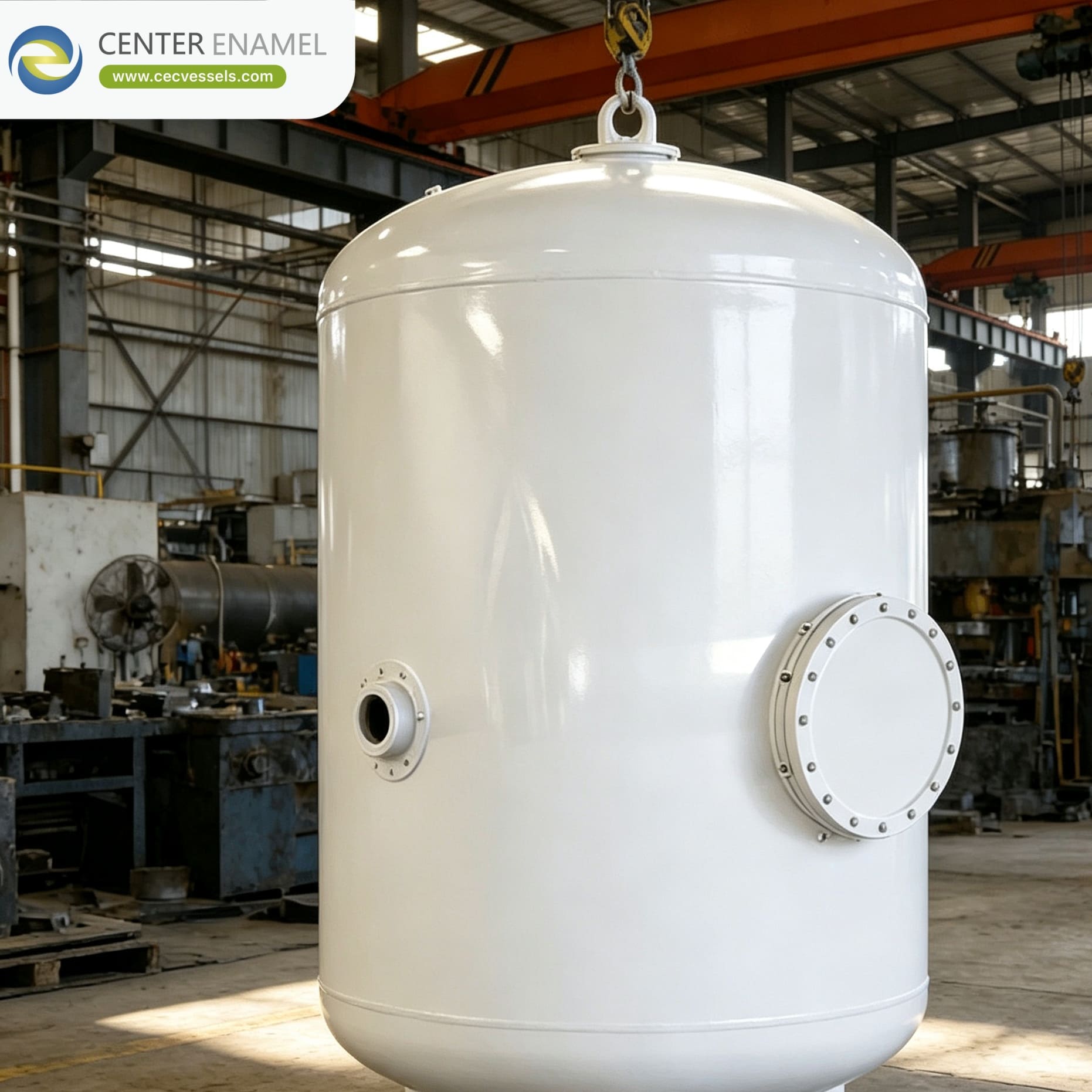
Custom Industrial Vessels for Cooling, Condensation and Process Applications
Custom Industrial Vesselsare specially designed containers used for storing, mixing, heating, cooling, and processing industrial materials. Unlike standard vessels, custom-designed equipment is manufactured according to specific production requirements, material properties, operating temperatures, and process configurations. These vessels are widely used in chemical processing, pharmaceutical manufacturing, food production, energy systems, and industrial cooling applications. Depending on their functions, Custom Process Vesselscan include jacketed tanks, cooling vessels, condensation vessels, mixing vessels, and heat transfer equipment. Their dimensions, materials, internal structures, and connections can be adjusted to integrate with different industrial production systems. How Are Industrial Cooling Vessels Used in Manufacturing?Industrial Cooling Vesselsare designed to reduce or maintain the temperature of process materials through controlled heat exchange. They are commonly integrated into cooling water systems, chilled water networks, and industrial thermal management systems. During operation, the process material remains inside the vessel while a cooling medium circulates through a jacket or internal coil. Heat transfers from the process material to the cooling medium and is then removed through an external cooling system. Common applications include:
Chemical cooling:Controlling material temperatures during chemical reactions and blending operations.
Liquid processing:Cooling industrial liquids before storage, filtration, or concentration.
Battery manufacturing:Managing the temperature of materials during mixing and preparation.
Food processing:Cooling liquid products and maintaining specific processing conditions.
Pharmaceutical production:Supporting temperature-controlled material preparation.
The cooling capacity of a vessel depends on its heat transfer area, cooling medium, material properties, and circulation conditions. What Are Condensation Vessels and How Do They Work?Condensation Vesselsare used in industrial systems to convert vapor into liquid through heat removal. They play an important role in vapor recovery, solvent recycling, chemical processing, and industrial evaporation systems. The basic condensation process involves bringing vapor into contact with a cooled heat transfer surface. As thermal energy is removed, the vapor temperature decreases and the vapor changes into liquid. Common condensation configurations include: Surface Condensation Vapor flows through a heat exchange structure while a cooling medium circulates separately. Heat transfers through the metal surface, allowing the vapor to condense without mixing with the cooling medium. Shell-and-Tube Condensation This configuration uses multiple tubes installed inside a shell. One fluid flows through the tubes while another flows around them, supporting efficient heat exchange. Coil Condensation A cooling coil provides a heat transfer surface inside a vessel. This arrangement is suitable for certain compact condensation and vapor cooling applications. The appropriate design depends on vapor composition, condensation temperature, cooling medium, flow rate, and required liquid recovery capacity. Why Choose Stainless Steel Industrial Vessels?Stainless Steel Industrial Vesselsare widely used in industrial processing because they offer durability, cleanability, and resistance to many corrosive environments. Different stainless steel grades are available for different process requirements.
Material selection should consider the chemical composition of the process material, operating temperature, cleaning procedures, and applicable industry standards. Stainless steel surfaces can also support hygienic production requirements when the vessel is designed with appropriate surface finishes, weld quality, and cleaning arrangements. What Are the Advantages of Jacketed Stainless Steel Vessels?Jacketed Stainless Steel Vesselscombine material processing and indirect temperature control in one equipment unit. A jacket is installed around the main vessel body, creating a separate channel for heating or cooling media. This structure allows thermal energy to transfer through the vessel wall without direct contact between the process material and the thermal medium. Key advantages include:
Temperature control:Supports consistent heating and cooling during production.
Flexible applications:Suitable for chemical reactions, liquid blending, and material preparation.
Product separation:Keeps the heating or cooling medium separate from the process material.
System integration:Can connect with chillers, boilers, pumps, and external heat exchangers.
Custom configurations:Allows different jacket structures and vessel dimensions according to process requirements.
For materials with high viscosity or uneven temperature distribution, an internal agitator can be added to improve mixing and heat transfer. How Do Heat Transfer Vessels Support Industrial Processing?Heat Transfer Vesselsare designed to manage thermal energy during industrial production. They can perform heating, cooling, temperature maintenance, and material conditioning functions. Unlike standalone heat exchangers, these vessels can combine heat transfer with storage, mixing, and reaction processes. Typical applications include: Chemical Manufacturing Custom chemical process vessels help regulate material temperatures during blending, synthesis, crystallization, and other production stages. Pharmaceutical Manufacturing Temperature-controlled vessels support liquid preparation, ingredient mixing, and controlled processing operations. Food and Beverage Production Heat transfer vessels are used for heating, cooling, mixing, and holding liquid products while supporting hygienic processing requirements. Battery Material Production Industrial vessels can be configured for slurry preparation, material mixing, and temperature management during battery material manufacturing. Solvent Recovery Condensation and cooling vessels support vapor recovery systems by converting solvent vapor into liquid for subsequent collection and reuse. What Factors Should Be Considered When Designing Custom Process Vessels?The performance of Custom Process Vesselsdepends on the coordination of vessel structure, material selection, heat transfer requirements, and production conditions. Important design considerations include: Vessel Capacity and DimensionsThe vessel volume should match the required production capacity and material processing requirements. Diameter, height, and internal geometry also influence mixing and heat transfer performance. Heat Transfer StructureDepending on the application, the vessel can use an external jacket, half-pipe coil, internal coil, or external circulation system. Agitation ConfigurationAgitators help improve material circulation and temperature distribution. Common options include anchor, paddle, turbine, and propeller agitators. Material CompatibilityThe vessel material should be compatible with the process fluid and operating environment. Stainless steel grades and special alloys can be selected according to actual requirements. Connections and InstrumentationInlet and outlet connections, manholes, temperature sensors, level indicators, and sampling ports should be arranged according to the complete process flow. Surface Treatment and InsulationInternal surface finishing supports cleaning and material handling requirements. External insulation can reduce unwanted heat exchange with the surrounding environment. How Can Industrial Condensation Equipment Be Integrated into Process Systems?Industrial Condensation Equipmentis commonly integrated with evaporators, distillation columns, solvent recovery units, and other industrial process equipment. A typical condensation system includes:
A vapor source, such as an evaporator or distillation unit.
A vapor transfer pipeline connecting the process equipment to the condenser.
A condensation vessel or heat exchanger for removing thermal energy.
A cooling water or chilled water circulation system.
A liquid collection vessel for receiving condensed material.
Pumps and control instruments for regulating fluid circulation.
For example, in a solvent recovery system, solvent vapor enters the condensation equipment and releases heat through the heat exchange surface. The resulting liquid is collected and transferred to a storage or reuse unit. Proper equipment sizing and pipeline arrangement help maintain stable system operation and support efficient material recovery. What Industries Need Custom Chemical Process Vessels?Different industries require different vessel configurations based on their production processes and material characteristics.
Custom manufacturing allows vessel dimensions, materials, heat exchange structures, and auxiliary components to be configured for specific production applications. How to Select a Reliable Industrial Vessel Manufacturer?Choosing the right manufacturer is important for obtaining Industrial Process Equipmentthat matches actual production requirements. Before placing an order, buyers should evaluate several factors:
Engineering capabilities:Whether the manufacturer can provide customized vessel design and process integration.
Material selection:Whether suitable stainless steel grades and other materials are available.
Manufacturing capabilities:Whether fabrication, welding, polishing, and assembly meet project specifications.
Quality control:Whether material inspection, dimensional checks, and relevant testing procedures are available.
Customization options:Whether the manufacturer can provide suitable jackets, coils, agitators, insulation, and instrumentation.
Project experience:Whether the manufacturer has experience with similar industrial applications.
Clear technical communication between the buyer and manufacturer helps establish appropriate equipment specifications before production begins. Custom Vessel Solutions for Diverse Industrial ApplicationsCustom Industrial Vesselsprovide flexible solutions for cooling, condensation, heat transfer, and material processing. By selecting appropriate vessel materials, internal structures, and thermal configurations, manufacturers can develop equipment that matches different industrial production requirements. From Industrial Cooling Vesselsand Condensation Vesselsto Jacketed Stainless Steel Vesselsand Custom Chemical Process Vessels, customized equipment supports integrated production systems across multiple industries. A well-designed vessel should not only meet individual equipment specifications but also work efficiently with the complete process system. Proper engineering, material selection, and manufacturing quality are essential to achieving reliable industrial processing and effective thermal management.
|