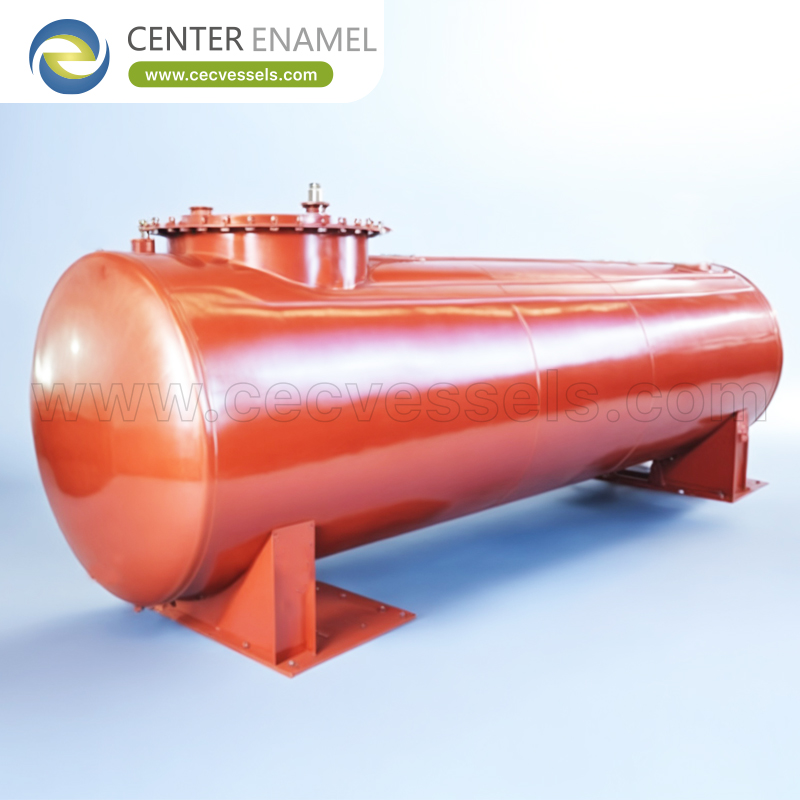
Dehydrogenation Reactor for Chemical Processing Applications
A Dehydrogenation Reactoris a highly specialized process vessel engineered to contain, control, and optimize chemical transformations and molecular synthesis under precise thermodynamic conditions. Within modern process engineering, reactors represent the absolute heart of the manufacturing facility, serving as the primary environment where raw materials are chemically altered into high-value finished products. Unlike passive storage or separation vessels, a dehydrogenation reactor is a dynamic system designed to facilitate controlled chemical reactions—such as paraffin dehydrogenation, olefin synthesis, cracking, oxidation, and selective extraction—by carefully regulating internal conditions, temperature distribution, catalyst interactions, and molecular residence time. The robust mechanical design of these vessels ensures that complex and active chemical pathways can be executed with absolute stability, predictability, and thermal efficiency. From producing vital monomer feedstocks, aromatic precursors, and advanced polymers to converting hydrocarbon streams in chemical refining, the dehydrogenation reactor is the pivotal technology that enables scalable, commercial-level molecular transformation of matter, making it an essential foundation of global industrial production.
As end-user requirements diversify across petrochemical, polymer, and fine chemical verticals, the demand for precision-engineered reaction systems has expanded significantly. Process plants require vessels capable of maintaining thermal uniformity while withstanding cyclic temperature fluctuations and aggressive catalytic environments. Achieving optimal single-pass conversion efficiency and target selectivity demands an integrated structural design where internal gas distribution, heat integration, and catalytic beds operate in perfect harmony. Consequently, selecting an established Dehydrogenation Reactor Manufacturercapable of combining custom metallurgical engineering with precise mechanical fabrication is a critical step in building long-term operational profitability.
Material Systems & Precision Metallurgical Processing
Carbon steel and stainless steel constitute the full material system for standardized vessel production, with targeted fabrication craft customized for each metal type. Carbon steel features strong plasticity, which facilitates the shaping of large-diameter cylinder shells and curved heads via cold and hot rolling processes. Protective paint layers are added on outer surfaces to isolate air and moisture during field service. Stainless steel eliminates the need for extra anti-corrosion coatings thanks to inherent alloy composition. Precision polishing of internal walls meets strict hygiene requirements and avoids cross-contamination of sensitive production media. The unified manufacturing procedure includes raw material sampling inspection, numerical cutting, automatic welding, and finished product tightness detection. Structural parameters such as wall thickness and connecting flange sizes are calculated based on material mechanical indicators. Carbon steel versions fit common industrial medium circulation, while stainless steel counterparts support fine chemical, food, and pharmaceutical processing with high cleanliness standards.
In dehydrogenation applications, thermal management and surface metallurgy play vital roles. During catalytic removal of hydrogen from organic molecules, precise heat input must be maintained without localized hot spots that lead to unwanted side reactions or coking. Stainless steel grades and specialized alloy claddings are frequently selected to prevent iron-catalyzed side reactions and to preserve catalyst reactivity over long production cycles. By combining structural carbon steel outer shells with specialized internal alloys, optimized thermal and mechanical performance can be achieved across diverse process scales. State-of-the-Art Factory Production & Quality Assurance
Our factory delivers a complete production chain for commercial processing vessels, supported by an experienced workforce and multi-stage quality inspections. As a premier China Dehydrogenation Reactor Manufacturer, our spacious workshop is equipped with reliable overhead cranes and strong fabrication beds to handle heavy steel structures safely. The process starts with the verification of raw materials to meet engineering needs. Standard plasma cutting and mechanical bending rollers are used to ensure correct dimensions for vessel shells and heads. Welding operations are conducted professionally, with full inspection on all pressure-bearing joints. Intermediate inspections are carried out after major steps to control quality in real time.
After full assembly, vessels undergo rigorous water pressure and tightness testing in a dedicated test area to ensure no leaks occur. The surface treatment department applies uniform cleaning and industrial coatings to improve corrosion resistance. Final inspection includes a full check of structure, sealing, and surface quality against industrial specifications. The complete process guarantees high reliability, stable quality, and consistent performance for commercial dehydrogenation reactor systems.
Key Stages in Our Manufacturing Quality Control Matrix:
Raw Material Validation:Spectrographic analysis and mechanical property verification of incoming steel plates and forging flanges.
Precision Forming & Cutting:CNC numerical plasma cutting and heavy hydraulic plate rolling to achieve exact shell roundness.
Automated Joint Welding:Full-penetration welding utilizing automated submerged arc and gas-shielded arc processes.
Non-Destructive Testing (NDT):Comprehensive radiographic and ultrasonic examination of all primary structural weld seams.
Hydrostatic & Tightness Testing:Dedicated pressure testing to verify mechanical seal integrity under full liquid load.
Industry Trends & Technical Standards Advancement
Industrial transformation and downstream market expansion bring unprecedented opportunities and much higher technical thresholds to the chemical equipment industry. Clients across multiple sectors now pursue equipment with stronger medium adaptability and more consistent operating performance under complex processing conditions, pushing manufacturers worldwide to invest more in technical research and structural upgrading. Center Enamel stands out amid this fierce global market competition by carrying forward an enduring craftsmanship spirit and committing to absolute product reliability.
We recognize that the industry is rapidly transitioning away from low-cost competition toward quality-driven benchmarking. Therefore, we eliminate potential structural defects through rigorous verification and strict compliance with global safety codes. This persistent focus on manufacturing ingenuity improves the overall quality of finished reactors, actively promotes the upgrading of global industry manufacturing standards, and delivers stable, trustworthy containment equipment solutions that support the long-term economic and structural safety of the global industrial production chain. Engineering Design & Safety Verification Workflow
Driven by a corporate culture of engineering rigor, Center Enamel’s Design Team delivers exceptional Dehydrogenation Reactorsystems through a standardized, premium safety verification workflow. Our highly technical designers conduct comprehensive code calculations—covering joint efficiency, allowable structural stress, and localized structural discontinuities—to guarantee absolute compliance with global industrial regulations. The team utilizes sophisticated stress-analysis technologies to map out every weld line and structural interface, proactively eliminating stress concentration points before fabrication begins.
By strictly adhering to international code mandates regarding non-destructive examination (NDE) planning, our designers embed long-term structural durability directly into the engineering blueprints. This holistic design methodology ensures that every reactor is fully optimized to operate under vacuum conditions, cyclic thermal loading, and aggressive chemical environments safely. Through these exhaustive, standard-guided engineering practices, Center Enamel's Design Team guarantees that every finished blueprint represents the pinnacle of industrial safety, structural durability, and international regulatory compliance. Featured Application Case Study
Waste-to-Energy Incineration Project (Hebei, China)
For the Waste-to-Energy Incineration Project located in Hebei, China, Center Enamel successfully engineered, fabricated, and deployed two massive sets of large-scale Landfill Leachate Storage and Treatment Tanks. Engineered using premium-grade carbon steel, these specialized wastewater containment vessels feature advanced anti-corrosive linings designed to withstand the highly complex, abrasive, and acidic chemical profile characteristic of municipal landfill runoff.
The structural engineering and fabrication processes were strictly aligned with China’s premier industrial standards, specifically GB 50341-2003(Code for Design of Vertical Cylindrical Welded Steel Oil Tanks)and GB 50128-2005(Code for Construction and Acceptance of Vertical Cylindrical Welded Steel Oil Tanks), ensuring peerless structural rigidity and longevity. Applied directly within the facility’s critical wastewater treatment infrastructure, these massive storage sets play an indispensable role in biological processing, sediment separation, and environmental hazard containment. This heavy-duty vessel solution successfully mitigates the risk of groundwater pollution, supporting the municipal waste plant in achieving sustainable environmental remediation goals.
About Shijiazhuang Zhengzhong Technology Co., Ltd (Center Enamel)
Shijiazhuang Zhengzhong Technology Co., Ltd (Center Enamel) stands as a monumental pillar in the global industrial manufacturing landscape, revered for its world-class expertise in pioneering advanced storage solutions and heavy-duty reaction containment systems. As a forward-thinking market leader and trusted China Dehydrogenation Reactor Manufacturer, Center Enamel has dedicated its substantial scientific and engineering capital to driving the evolutionary boundaries of fluid dynamics, chemical containment, and industrial processing safety. The company serves as a vital strategic nexus for heavy industries worldwide, seamlessly translating complex technical blueprints into exceptionally durable, structurally uncompromised physical infrastructure.
By operating at the intersection of high-capacity mass production and meticulous custom engineering, Shijiazhuang Zhengzhong Technology Co., Ltd (Center Enamel) acts as an essential catalyst for modern industrial growth. Its unwavering commitment to mechanical stamina, operational predictability, and cross-border engineering excellence ensures that global enterprises can scale their production workflows with absolute confidence, cementing the company’s identity as an irreplaceable partner in the advancement of worldwide processing infrastructure. Learn more at https://www.cecvessels.com/.
Technical Specifications & Configuration Matrix
|