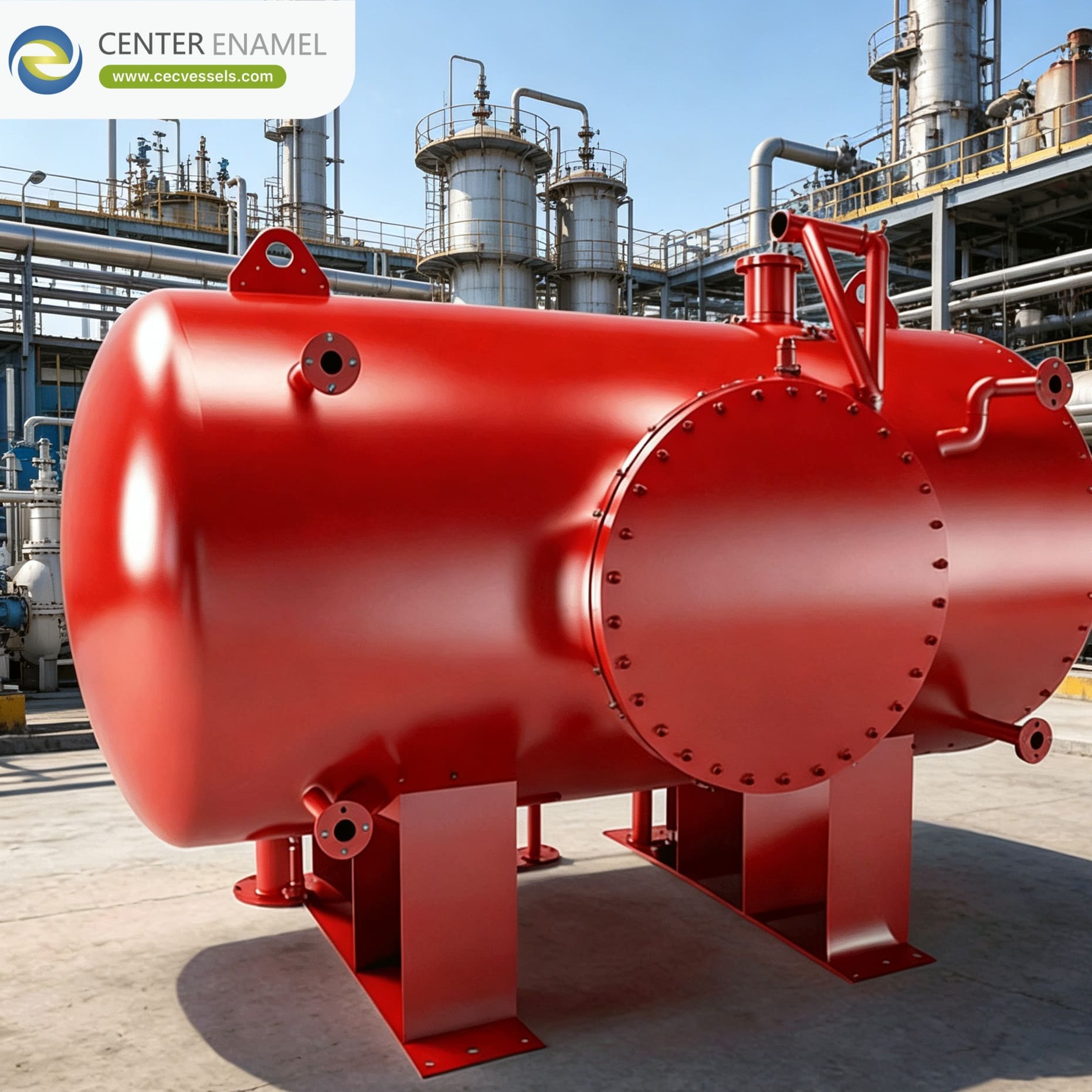
Deodorizing Tower for Efficient Odor Compound Removal in Industrial Processing
Odor control is a routine part of industrial processing. Plants in wastewater treatment, food processing, rendering, chemical production and waste management all release air streams that still carry odor compounds after the main process steps. A Deodorizing Towergives operators a controlled way to bring that air into contact with a treatment medium and reduce the odor load before the stream leaves the site. How a Deodorizing Tower Works in a Process LineA deodorizing tower is a vertical contact vessel. An upward gas stream meets a downward liquid spray, a fixed bed of media, or a combination of the two. Odor compounds move from the gas phase into the liquid or bind to the surface of the media, and the treated air leaves with a much lower concentration of the target substances. The principle is simple, but the outcome depends on how evenly the tower distributes gas, spreads liquid and holds contact time. In most plants the tower sits between the collection ductwork and the exhaust point. Air is drawn from covered tanks, channels, workshops or process hoods, passes through pre-treatment such as a mist eliminator or a pre-scrubber, and then enters the tower for final polishing. Because the tower is the last active stage in the train, its internal design directly shapes the quality of the air that leaves the site. Design Elements That Support Consistent Odor RemovalGas distribution is the starting point. An inlet diffuser or a perforated distributor spreads the incoming stream across the full cross-section, so each part of the bed receives a similar flow. Even distribution keeps the whole bed working at the same rate and holds the average outlet concentration steady. Liquid distribution matters just as much in a scrubber-type tower. Spray nozzles are arranged in layers, and each layer overlaps its neighbours so that the bed is fully wetted. Nozzle spacing, spray angle and flow rate are matched to the tower diameter, and the irrigation system is laid out for easy inspection and replacement. Contact time is set by the active bed height and the gas velocity through the empty shell. A taller bed gives odor compounds more opportunity to transfer, while a compact design keeps the footprint small where floor space is limited. The balance is fixed during process design, using the inlet concentration, the target outlet level and the properties of the compounds involved. Packing and Media SelectionRandom packing, structured packing and granular media each serve different duties. Structured packing provides a large surface area with low resistance to flow, which suits towers that need high throughput in a modest shell. Random rings are flexible and economical across a wide range of duties. Granular beds of activated carbon or biological media are used where adsorption or biodegradation is the main removal mechanism. Material selection follows the process medium. Thermoplastic packing suits many aqueous scrubbing duties, ceramic packing serves streams at higher temperature, and stainless steel is chosen where mechanical strength and long service life come first. Bed support plates, retaining grids and access ports are designed together with the media, so the bed stays in place during operation and can be inspected or topped up during scheduled shutdowns. Integration with the Surrounding Process LineA tower performs best when the whole system is designed as one unit. The fan is sized against the total system resistance at the design flow, and ductwork is laid out with smooth transitions so that the flow profile stays stable. Dampers and bypass lines give operators room to adjust the duty as production changes through the week. For scrubber towers, dosing pumps, pH sensors and a small control panel keep the circulation liquid inside its working range. Level instruments, flow meters and temperature sensors feed data to a PLC, and the same signals can be shared with the plant monitoring system. Remote access lets the service team review trends and advise on set points without a site visit. Fabrication and Quality Control at Center EnamelAs a China Deodorizing Tower Manufacturerwith in-house engineering and fabrication, Center Enamel builds towers in glass-fused-to-steel, stainless steel, carbon steel and FRP-lined configurations. Each project starts with a review of the process data, followed by mechanical design, structural checks and a drawing package approved by the client. Shell sections are formed, coated or lined, and assembled under controlled conditions. Weld quality, coating thickness and dimensional accuracy are checked at each stage, and every unit passes a leak test before shipment. Site installation, piping connection and commissioning are handled by the same team, which keeps technical responsibility in one place. Choosing a Deodorizing Tower ManufacturerSelecting a supplier is mostly a matter of evidence. Ask for a review of your process data, a clear mass-transfer basis for the bed design, and drawings that show how the tower connects to the rest of the line. Material certificates, inspection records and reference installations show how a supplier works in practice, and a plant visit or a customer call often settles the question faster than a brochure. A manufacturer that also handles installation, commissioning and after-sales support shortens the path from delivery to steady operation. Spare nozzles, media top-up and periodic performance reviews can all be arranged through one contact, which reduces coordination effort for the plant team. Center Enamel supports projects from the first process discussion through to long-term service, so the tower keeps meeting its design duty as production expands. |