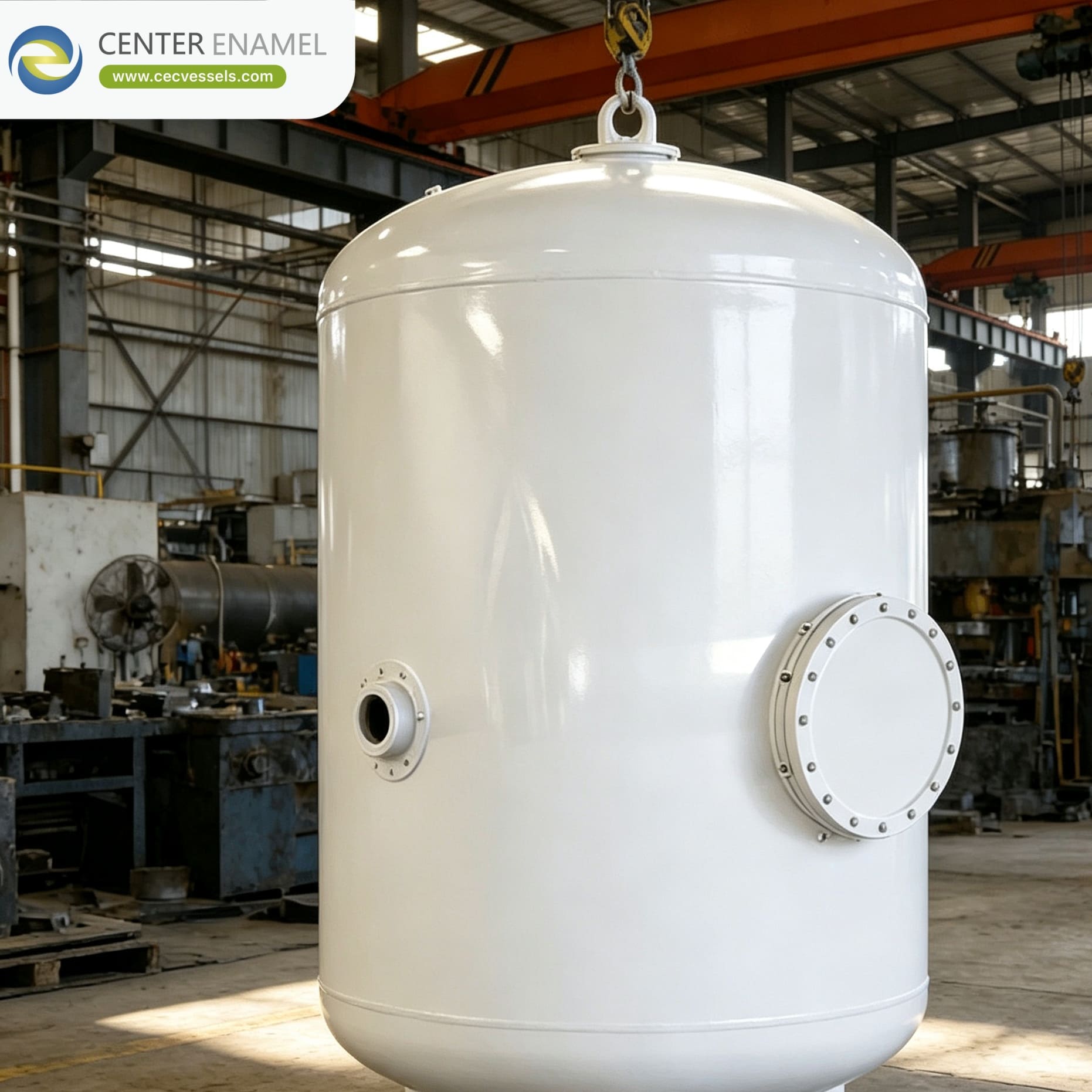
Power Plant Cooling Water Treatment Design for Efficient Water Management and System Performance
Cooling water plays an essential role in power generation by removing excess heat from steam condensers, auxiliary equipment, and other process systems. Maintaining suitable water quality helps support heat transfer efficiency and stable plant operation. Power Plant Cooling Water Treatment Designrefers to the engineering and configuration of water treatment equipment used to manage cooling water quality in power plants. It covers water pretreatment, filtration, chemical dosing, circulation, water recovery, and wastewater management. A properly designed system considers the cooling water source, operating conditions, heat load, circulation rate, and water quality requirements. These factors determine the appropriate treatment processes and equipment configuration. Why Is Cooling Water Treatment Important in Power Plants?Power plants require reliable cooling systems to maintain appropriate operating temperatures and support continuous electricity generation. During circulation, cooling water may accumulate suspended solids, dissolved minerals, and other substances. Without suitable treatment, water quality can affect heat exchanger performance, cooling tower operation, and overall system efficiency. Effective cooling water treatment provides several benefits: lImproved Heat Transfer:Maintaining suitable water quality supports efficient heat exchange in condensers and cooling equipment. lWater Conservation:Water recycling and reuse help reduce freshwater consumption. lStable System Operation:Filtration and water quality management support consistent cooling system performance. lReduced Maintenance Requirements:Appropriate treatment helps control mineral deposits and suspended solids. lEfficient Water Management:Monitoring and treatment processes improve the utilization of circulating water. For modern power generation facilities, cooling water treatment is an important part of integrated plant operation and resource management. Main Cooling Water Treatment ProcessesThe treatment configuration depends on whether the power plant uses an open recirculating cooling system, a closed-loop cooling system, or a once-through cooling arrangement. Raw Water PretreatmentRaw water may come from rivers, lakes, reservoirs, groundwater, or municipal water supplies. Before entering the cooling system, it may require pretreatment to remove suspended particles and other impurities. Common pretreatment equipment includes: lMultimedia filters lSand filters lActivated carbon filters lCartridge filters lClarification equipment The selected process depends on the source water characteristics and the required inlet water quality. Circulating Water FiltrationIn recirculating cooling systems, water continuously passes through cooling towers, heat exchangers, and circulation pipelines. During operation, suspended particles and other contaminants may enter or accumulate in the circulating water. Side-stream filtration can remove a portion of these suspended solids, helping maintain suitable water quality and supporting cooling system performance. Filtration equipment should be selected according to circulation flow rate, particle characteristics, and system operating conditions. Chemical Dosing and Water Quality ControlChemical dosing systems are commonly used to manage cooling water chemistry. Depending on water characteristics, treatment programs may include scale inhibitors, corrosion inhibitors, and biocides. Automated dosing equipment can regulate chemical addition according to operating parameters and water quality monitoring results. Typical monitoring indicators include pH, conductivity, hardness, alkalinity, and selected microbiological parameters. Blowdown and Water RecoveryAs water evaporates in a cooling tower, dissolved minerals become increasingly concentrated in the remaining circulating water. A controlled blowdown process removes a portion of concentrated water to maintain the desired water chemistry. The discharged water can be evaluated for additional treatment and potential reuse. Depending on its composition, filtration, membrane treatment, or evaporation technologies may be incorporated into the overall water management system. Key Equipment in Power Plant Cooling Water Treatment SystemsA complete Power Plant Cooling Water Treatment Designintegrates different equipment units to support water preparation, circulation, treatment, and storage.
Equipment selection should consider the plant's cooling capacity, water source, treatment objectives, and existing infrastructure. Integrated skid-mounted equipment can help organize treatment components, piping connections, and instrumentation within a coordinated process arrangement. Cooling Water Treatment Design for Different Power Plant SystemsDifferent cooling configurations require different treatment strategies. Open Recirculating Cooling Water SystemsOpen recirculating systems typically use cooling towers to dissipate heat through evaporation. As water circulates repeatedly, dissolved solids become concentrated. Therefore, filtration, chemical dosing, conductivity monitoring, and blowdown control are important parts of the treatment design. The system should also consider makeup water quality and the required cycles of concentration. Closed-Loop Cooling Water SystemsClosed-loop systems circulate cooling water through enclosed pipelines and heat exchangers. Because the water is reused within the system, treatment focuses on maintaining suitable water chemistry and controlling suspended impurities. Depending on the application, the system may include filtration equipment, expansion tanks, chemical dosing units, and heat exchangers. Once-Through Cooling Water SystemsOnce-through cooling systems draw water from an external source, pass it through condensers or other cooling equipment, and discharge it after heat exchange. Their treatment design focuses on source water quality, intake filtration, equipment compatibility, and discharge requirements. The specific configuration depends on local water conditions and environmental regulations. Important Factors in Power Plant Cooling Water Treatment DesignAn effective Power Plant Cooling Water Treatment Designshould be based on technical analysis rather than a standard equipment arrangement. Water Source Characteristics The chemical composition, suspended solids concentration, hardness, and seasonal variations of the source water influence pretreatment and filtration requirements. Cooling Load and Circulation Rate The cooling system's thermal load and circulating water flow rate determine the capacity of pumps, filters, heat exchangers, and associated equipment. Water Chemistry Management Treatment processes should be designed according to water quality targets, including conductivity, pH, hardness, and other relevant indicators. Water Recovery Requirements Power plants seeking to improve water utilization can evaluate additional treatment processes for cooling tower blowdown and other wastewater streams. Equipment Materials and Configuration Materials should be selected according to water composition, temperature, operating conditions, and equipment service requirements. Appropriate equipment layout also supports installation, inspection, and maintenance. Water Recovery and Evaporation in Power Plant ApplicationsWater conservation has become an important consideration in power plant engineering. In addition to conventional cooling water treatment, advanced water recovery processes can help improve overall water utilization. Evaporation technologies are suitable for selected wastewater streams with relatively high dissolved solids concentrations. An evaporation system separates water from concentrated liquid through heating and condensation. The recovered condensate can undergo further treatment before being considered for reuse. Common technology options include: lMVR Evaporators:Reuse secondary vapor energy to support evaporation and improve thermal efficiency. lMulti-Effect Evaporators:Utilize vapor generated in one evaporation stage as the heating medium for another stage. lForced Circulation Evaporators:Maintain continuous liquid circulation during concentration. lCrystallization Systems:Support the separation of dissolved salts from concentrated wastewater. Integrating suitable water recovery equipment into a power plant's water management system can help reduce wastewater volume and improve resource utilization. Customized Cooling Water Treatment Solutions from Center EnamelSelecting a suitable Power Plant Cooling Water Treatment Design Manufactureris important for developing a treatment system that matches actual plant operating conditions. Center Enamel focuses on industrial equipment and customized process system solutions for different industrial applications. For power plant projects, equipment planning can consider water storage, filtration, heat exchange, evaporation, and supporting process equipment. As a China Power Plant Cooling Water Treatment Design Manufacturer, Center Enamel can support project-oriented equipment selection and customized engineering requirements. Key considerations for project development include: lRaw water quality and treatment capacity. lCooling water circulation requirements. lStorage tank capacity and equipment arrangement. lHeat exchanger and filtration configuration. lChemical dosing and instrumentation requirements. lBlowdown treatment and water recovery options. lEquipment materials and process integration. The final configuration should be determined according to plant specifications, water quality analysis, applicable standards, and engineering requirements. Improving Water Management in Power Generation FacilitiesPower Plant Cooling Water Treatment Designis an important part of efficient power generation infrastructure. By combining pretreatment, filtration, chemical dosing, circulation management, and water recovery technologies, power plants can maintain suitable cooling water quality and improve water utilization. With customized industrial equipment solutions and project-oriented engineering support, Center Enamelaims to provide equipment configurations tailored to different power generation and industrial water treatment applications. A well-planned cooling water treatment system supports reliable heat exchange, efficient water management, and long-term operational performance.
|