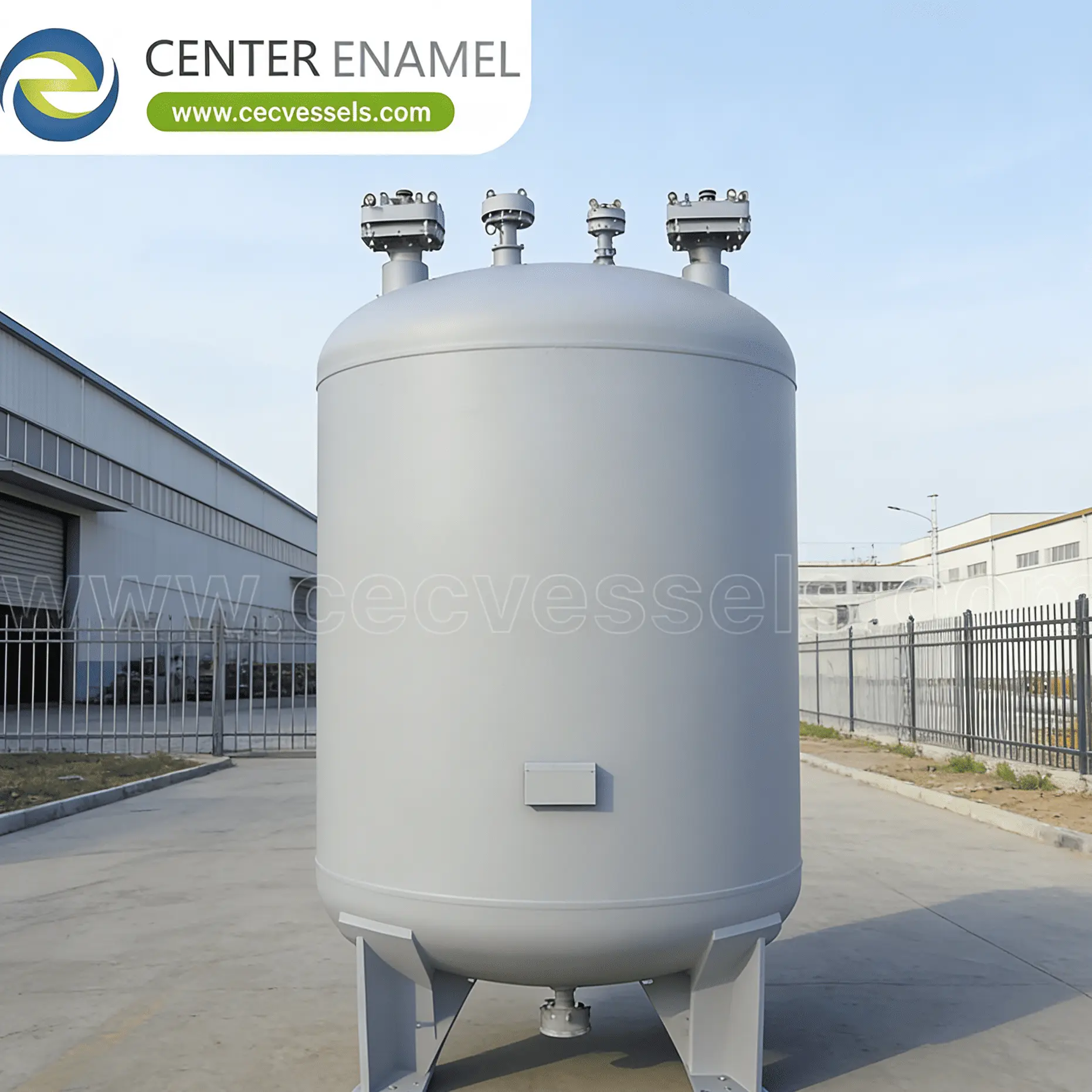
Double-Effect Evaporator: Steam Economy and Heat Recovery in Two-Effect Systems
A Double-Effect Evaporator is an industrial thermal processing system designed to concentrate liquid materials by removing water or another volatile component through two connected evaporation stages. Unlike a single-effect evaporator, which normally uses fresh heating steam for one evaporation stage, a double-effect system reuses the vapor generated in the first effect. This secondary vapor becomes the heating source for the second effect, allowing thermal energy to be utilized more than once during the evaporation process. The two effects operate at different temperature levels. The first effect receives the primary heating medium, while the second effect operates at a lower boiling temperature. This temperature difference allows vapor from the first effect to transfer heat to the liquid in the second effect. The result is a practical balance between equipment configuration, steam consumption, heat recovery, and liquid concentration capacity. Center Enamel provides customized evaporation equipment based on feed characteristics, evaporation capacity, concentration requirements, material selection, and production conditions. How Does a Double-Effect Evaporator Work?The operating principle of a Double-Effect Evaporator is based on sequential evaporation and secondary vapor reuse. First, the feed liquid enters the first effect through a suitable feed distribution system. Fresh steam or another heating medium supplies thermal energy to the first effect. Heat passes through the heat-transfer surface and causes part of the liquid to evaporate. The vapor generated in the first effect still contains useful thermal energy. Instead of sending this vapor directly to the final condenser, the system transfers it to the heating side of the second effect. The second effect operates at a lower boiling temperature. The vapor from the first effect therefore provides the heat required to evaporate additional water from the process liquid. As the liquid passes through the two effects, its concentration gradually increases. After the second effect, the concentrated product can be discharged or transferred to downstream equipment. The final vapor can be directed to a condenser or another heat-recovery section, depending on the complete process design. This two-stage thermal cascade is the key feature of double-effect evaporation. It allows the supplied heating energy to participate in more than one evaporation stage and improves steam utilization compared with single-effect evaporation. Why Is Steam Economy Important in Two-Effect Evaporation?Steam economy is one of the main reasons industrial users select a Double-Effect Evaporator. In a single-effect system, fresh heating steam supplies heat to the process liquid, and the generated vapor normally leaves the evaporation stage. In a double-effect system, however, vapor from the first effect becomes a heating source for the second effect. This means that the latent heat contained in the first-effect vapor can be reused. Center Enamel's evaporator information indicates that its double-effect configuration can achieve a specific steam consumption of approximately 0.6 tons of steam per ton of water evaporated, although actual performance depends on process conditions and equipment design. Steam consumption can be influenced by several factors, including feed concentration, final concentration, evaporation capacity, heat-transfer area, operating temperatures, feed arrangement, and heat losses. For this reason, the steam economy of a Double-Effect Evaporator should be evaluated according to the complete process rather than using a single fixed value for every application. How Does Heat Recovery Work in a Double-Effect System?Heat recovery is closely connected with the vapor reuse principle. When the process liquid boils in the first effect, secondary vapor is generated. This vapor contains latent heat that can be recovered by transferring it to the heating side of the second effect. The second effect then uses this recovered thermal energy to evaporate more liquid. This arrangement creates a thermal cascade: Primary heating source → First-effect evaporation → Secondary vapor → Second-effect heating → Further evaporation Because the same thermal energy contributes to evaporation in both effects, the system can reduce the requirement for fresh heating steam compared with a single-effect system. Heat recovery can also be extended to other parts of the evaporation process. Hot condensate, concentrated product, or other available process streams may be considered as heat sources for feed preheating when the process conditions allow. Center Enamel can integrate heat recovery components into the overall evaporation system according to the customer's process flow and energy requirements. What Are the Main Components of a Double-Effect Evaporator?A complete Double-Effect Evaporator normally consists of several interconnected components. The exact configuration is selected according to the feed properties and production requirements. First-Effect EvaporatorThe first effect receives the primary heating medium and performs the initial evaporation stage. The heat-transfer area is designed according to the evaporation capacity, temperature difference, feed flow rate, and material characteristics. Second-Effect EvaporatorThe second effect receives secondary vapor generated in the first effect. It operates at a lower boiling temperature and uses recovered thermal energy to continue the evaporation process. Heat-Transfer TubesHeat-transfer tubes provide the surface through which thermal energy moves between the heating medium and process liquid. Tube materials and dimensions can be selected according to process conditions, temperature, liquid composition, and cleaning requirements. Vapor-Liquid SeparatorsVapor-liquid separators separate generated vapor from concentrated liquid. Effective separation allows the vapor to move toward the next heating stage while the concentrated liquid continues through the process. Feed Distribution SystemThe feed distribution system introduces liquid evenly across the available heat-transfer area. Uniform liquid distribution supports stable evaporation and helps make effective use of the heat-transfer surface. Pumps and Circulation EquipmentPumps can be used for feed transfer, liquid circulation, concentrated product discharge, and condensate movement. For liquids with higher concentration or viscosity, a suitable circulation arrangement can help maintain stable process flow. CondenserThe final vapor can be condensed after the second evaporation stage. The condenser can be integrated with cooling water, air cooling, or another suitable condensation method according to the project requirements. Control SystemA PLC control system can monitor important parameters such as temperature, flow rate, liquid level, and other process conditions. Automatic control allows the two evaporation effects and auxiliary equipment to operate as an integrated system. Which Feed Arrangements Can Be Used?A Double-Effect Evaporator can use different feed arrangements depending on the characteristics of the process liquid. Forward FeedIn forward-feed operation, the feed enters the first effect and then moves toward the second effect. This arrangement provides a straightforward material flow and can be suitable when the incoming feed temperature and concentration are appropriate for the first evaporation stage. Backward FeedIn backward-feed operation, the feed enters the second effect and then moves toward the first effect. This configuration can be considered for materials whose viscosity increases as concentration rises. The process can be arranged so that the more concentrated liquid is handled under a suitable temperature condition. Parallel FeedParallel feeding distributes feed liquid to different evaporation effects. This configuration may be selected for specific production requirements and process arrangements. Mixed FeedA mixed-feed configuration combines characteristics of different feed arrangements and can be customized for specific material properties. Center Enamel selects the feed arrangement based on feed temperature, concentration, viscosity, evaporation capacity, target concentration, and product requirements. What Materials Are Suitable for Double-Effect Evaporators?Material selection is an important part of evaporator design because the process liquid may vary significantly from one application to another. Stainless steel is commonly used for evaporation equipment because it provides corrosion resistance, good fabrication characteristics, and compatibility with many industrial liquids. Different stainless steel grades can be selected according to the chemical composition of the feed, operating temperature, concentration, and cleaning requirements. For suitable general industrial applications, carbon steel may also be considered when it is compatible with the process medium. Food and pharmaceutical applications may require specific internal surface finishes and materials to support hygiene and cleaning requirements. Center Enamel evaluates material selection based on the actual process conditions instead of applying one material configuration to every project. Where Are Double-Effect Evaporators Used?Double-effect evaporation can be applied across multiple industries that require liquid concentration, water removal, or thermal separation. Food and Beverage ProcessingFood manufacturers can use evaporators to concentrate fruit juices, plant extracts, liquid ingredients, and other process liquids. Evaporation can prepare concentrated materials for drying, crystallization, blending, or further processing. Dairy ProcessingEvaporation is widely associated with the concentration of milk and other liquid dairy products before subsequent processing or drying. A suitable evaporator configuration can be selected according to the product characteristics and required concentration. Chemical ProcessingChemical manufacturers can use double-effect evaporation for concentrating process solutions, removing water, and recovering useful materials. Material selection and heat-transfer design can be customized according to the chemical composition of the feed. Pharmaceutical ProductionControlled evaporation can be used for suitable pharmaceutical solutions, extracts, and intermediate process liquids. Equipment materials, surface finish, cleaning requirements, and process control can be considered during system design. Wastewater TreatmentSelected industrial wastewater streams can be processed using evaporation technology to reduce liquid volume and concentrate dissolved materials. The suitable evaporation configuration depends on wastewater composition, solids content, evaporation capacity, and final concentration requirements. Salt and Mineral ProcessingEvaporation can also be integrated into salt and mineral processing systems where liquid concentration is required before crystallization or another separation process. How Is a Double-Effect Evaporator Designed?The design process begins with a detailed understanding of the customer's production requirements. Important design parameters include feed flow rate, initial concentration, target concentration, evaporation capacity, feed temperature, viscosity, boiling characteristics, heating medium, product properties, and downstream process requirements. Engineers then determine the required heat-transfer area for each effect. The temperature difference between the two effects also needs to be considered. The first effect normally operates at a higher temperature, while the second effect operates at a lower boiling temperature so that first-effect vapor can provide useful heating. The liquid distribution system, vapor separators, pumps, piping, condenser, instrumentation, and control system are then integrated into the complete equipment design. The physical dimensions can also be adjusted according to available plant space, production capacity, transportation requirements, and installation conditions. Proper process design allows the two effects to work together as one integrated evaporation system. Why Choose Center Enamel as a Double-Effect Evaporator Manufacturer?Center Enamel provides industrial process equipment and customized engineering solutions for customers across different industries. As a Double-Effect Evaporator Manufacturer, Center Enamel can develop evaporation equipment according to feed properties, production capacity, concentration requirements, material selection, heat-transfer conditions, and plant layout. The company's process equipment portfolio includes evaporators, reactors, heat exchangers, separators, and storage vessels. This product range allows evaporation equipment to be coordinated with upstream and downstream process systems. Center Enamel combines engineering design, manufacturing, quality inspection, transportation, installation, commissioning, and after-sales support to provide integrated equipment solutions. For customers searching for a China Double-Effect Evaporator Manufacturer, customized equipment can be developed according to the actual requirements of food processing, chemical manufacturing, pharmaceutical production, wastewater treatment, mineral processing, and other industrial applications. Customized Double-Effect Evaporation Solutions from Center EnamelA Double-Effect Evaporator provides a practical approach to industrial liquid concentration by combining two evaporation stages with secondary vapor reuse. Its main operating principle is simple: the first effect uses the primary heating source, while vapor generated during the first stage is reused to heat the second effect. This thermal cascade improves steam utilization and supports efficient heat recovery. The complete system can be customized with suitable heat-transfer surfaces, feed arrangements, vapor-liquid separators, circulation equipment, condensers, condensate recovery systems, and automatic controls. Center Enamel develops customized evaporation equipment according to process requirements and production conditions. By combining engineering design with manufacturing capabilities, Center Enamel provides Double-Effect Evaporator solutions for food and beverage, chemical, pharmaceutical, environmental, mineral processing, and other industrial applications. For projects requiring an efficient two-stage evaporation system, Center Enamel can design and manufacture equipment around the required evaporation capacity, feed characteristics, target concentration, thermal conditions, and plant requirements.
|