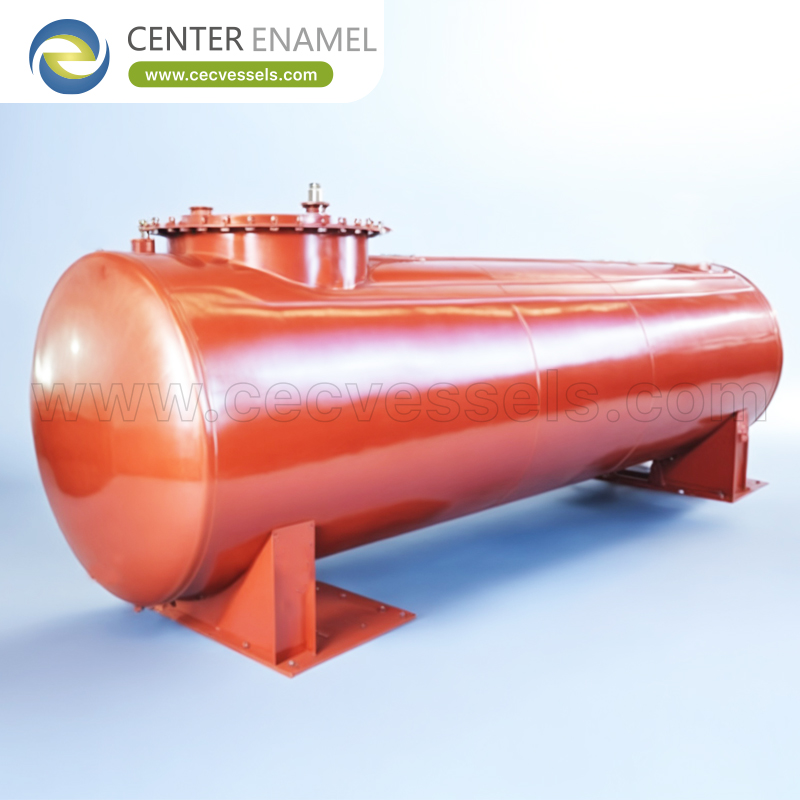
China Energy Conversion Pressure Vessel Manufacturer for Energy Processing, Recovery and Conversion Applications
Center Enamel is a China energy conversion pressure vessel manufacturer providing customized pressure vessels for energy processing, thermal recovery, renewable fuel production, gas treatment, fluid separation, and industrial utility systems. Our equipment is designed around specific process conditions, materials, dimensions, and applicable engineering standards. What Is an Energy Conversion Pressure Vessel? An energy conversion pressure vessel is industrial process equipment designed to contain, process, separate, heat, cool, or otherwise manage fluids used in energy-related systems. Energy conversion processes often involve multiple fluids, gases, vapors, condensates, fuels, thermal media, and process streams. These materials may need to be stored, separated, heated, cooled, condensed, or treated before moving to the next stage of production. A properly designed pressure vessel provides a controlled process environment for these operations while maintaining the required structural and process characteristics. Depending on the application, an energy conversion pressure vessel may function as a storage vessel, separator, reaction vessel, heat exchange vessel, condensate vessel, accumulator, or customized process vessel. Why Are Pressure Vessels Used in Energy Conversion Systems? Energy conversion systems rely on controlled fluid and thermal processes. Raw materials may pass through multiple stages before they are converted into usable fuels, electricity, recovered heat, treated gases, or other valuable products. Pressure vessels can support these processes by providing dedicated equipment for fluid containment, phase separation, thermal management, reaction, storage, and process conditioning. For example, an energy processing system may require vessels for:
The exact vessel configuration depends on the process flow and the physical and chemical properties of the materials being handled. Energy Conversion Pressure Vessel Applications Energy conversion covers a broad range of industrial processes. Center Enamel develops pressure vessel solutions for different energy-related applications according to project requirements. Renewable Fuel Production Renewable fuel production involves a series of processing and separation operations. Biofuels, sustainable fuels, and other alternative energy products may require process vessels for liquid storage, phase separation, feed conditioning, condensation, and intermediate fluid handling. Energy conversion pressure vessels can be integrated into these systems to provide controlled processing conditions for liquid and gas streams. Depending on the process, vessels may be designed for fuel-related storage, separation, accumulation, or thermal processing. Thermal Energy Recovery Industrial facilities often generate process streams that contain recoverable thermal energy. Heat recovery systems can use process vessels to collect condensate, separate liquid and vapor phases, manage thermal fluids, and support downstream heat recovery equipment. A properly configured vessel can help stabilize the process stream before it enters another stage of the energy recovery system. This makes pressure vessels useful components in industrial heat recovery and thermal management systems. Waste Heat Recovery Systems Waste heat recovery systems are designed to make better use of thermal energy generated during industrial operations. Pressure vessels can support these systems by handling condensate, process fluids, vapor streams, and other media associated with thermal recovery. Depending on the process configuration, a vessel may be used for condensate collection, fluid separation, process storage, or intermediate treatment. Geothermal Energy Processing Geothermal systems involve the management of hot water, steam, condensate, and mineral-containing fluids. Pressure vessels can be used in different stages of geothermal processing, including fluid separation, condensate handling, thermal management, and process storage. Material selection is particularly important for geothermal applications because the composition of geothermal fluids can vary significantly between projects. Gas Treatment and Carbon Capture Energy and industrial facilities may require gas treatment systems to remove specific components from process gas streams. Pressure vessels can be integrated into gas treatment systems for liquid-gas separation, solvent circulation, process conditioning, and other supporting operations. In carbon capture systems, vessels may also be used to support solvent-based gas treatment processes and associated fluid management. Energy Storage Systems Energy storage facilities can include thermal fluids, cooling media, process liquids, and other auxiliary systems that require controlled containment and fluid management. Pressure vessels can support these systems through fluid storage, phase separation, thermal fluid management, and utility circulation. For thermal energy storage applications, the vessel design should take into account the characteristics of the storage medium, operating temperature, required capacity, connection configuration, and overall process layout. Fuel Processing Systems Fuel processing systems require controlled handling of different liquid and gas streams. Pressure vessels can be used for fuel storage, feed conditioning, separation, condensation, and intermediate process management. For systems involving multiple process stages, customized vessel configurations can help integrate fluid handling equipment into the overall production line. Energy Facility Wastewater Treatment Energy production and processing facilities may generate wastewater, oily water, condensate, wash water, and other industrial liquid streams. Pressure vessels and separation equipment can be used to support the treatment and conditioning of these streams. Depending on the application, vessels may provide liquid separation, oil-water separation, sedimentation, collection, or pre-treatment before downstream treatment equipment. What Types of Pressure Vessels Are Used in Energy Conversion? Different energy conversion processes require different types of pressure vessels. Storage Pressure Vessels Storage pressure vessels are designed to contain process fluids, utility media, or other materials within a controlled vessel. They can be used for intermediate storage, buffer capacity, process feed, condensate collection, or other applications where controlled fluid containment is required. Reaction Pressure Vessels Reaction pressure vessels are designed for processes where chemical reactions take place inside the vessel. Depending on the process, reaction vessels may include agitators, heating or cooling systems, internal components, nozzles, and other customized features. They can be considered for fuel synthesis, chemical processing, energy-related material conversion, and other industrial reaction processes. Separation Pressure Vessels Separation pressure vessels are designed to separate different phases or components within a process stream. They may be used for gas-liquid separation, liquid-liquid separation, condensate separation, or other process separation requirements. Internal components such as inlet devices, baffles, demisters, coalescing elements, or other separation internals can be incorporated according to process requirements. Heat Exchange Pressure Vessels Heat exchange pressure vessels combine containment with thermal transfer functions. They can be used to heat or cool process streams, recover thermal energy, condense vapor, or support other temperature-control operations. The appropriate configuration depends on the required heat-transfer duty, fluid properties, flow rates, and temperature conditions. Custom Process Vessels Some energy conversion systems require equipment that does not fit into a standard vessel category. Custom process vessels can be designed around specific dimensions, process connections, internal components, materials, operating conditions, and installation requirements. This approach allows the pressure vessel to be integrated into the complete process system rather than treated as an isolated piece of equipment. How Are Energy Conversion Pressure Vessels Designed? Pressure vessel design begins with the process requirements. The engineering team needs to understand the vessel's intended function, working medium, required capacity, temperature conditions, pressure conditions, flow characteristics, material compatibility, and connection requirements. Vessel geometry is then developed according to the process and applicable design requirements. Important design considerations can include:
The design should also consider how the vessel will connect with upstream and downstream equipment. For energy conversion systems, process integration is particularly important because a pressure vessel is normally one component within a larger production or energy management system. What Materials Are Used for Energy Conversion Pressure Vessels? Material selection depends on the process medium, temperature, pressure conditions, corrosion characteristics, and applicable engineering requirements. Carbon steel may be suitable for certain industrial applications where the process medium and operating environment allow its use. Stainless steel can be selected for applications requiring improved corrosion resistance or specific process cleanliness characteristics. Common stainless steel grades may include SS304L and SS316L, depending on the application. Duplex stainless steel or other specialized materials may also be considered for specific process conditions. The material selection process should evaluate compatibility with the actual process fluid rather than relying on a standard material choice for every application. What Internal Components Can Be Added to a Pressure Vessel? Energy conversion pressure vessels can be equipped with different internal components according to their intended function. Possible components include:
These components can help control fluid distribution, improve phase separation, support mixing, or facilitate heat transfer. The appropriate internal configuration should be determined from process data and equipment performance requirements. What Engineering Standards Apply to Pressure Vessels? Pressure vessel design and manufacturing should follow applicable engineering standards and project specifications. Center Enamel provides pressure vessel solutions designed according to applicable international and national standards, depending on project requirements. ASME BPVC Section VIII ASME Boiler and Pressure Vessel Code Section VIII is widely used for the design and construction of pressure vessels. For projects requiring ASME-based engineering, vessel design, material selection, fabrication, inspection, and testing can be performed according to the applicable requirements. BS EN 13445 BS EN 13445 is a European standard covering unfired pressure vessels. It addresses design, materials, fabrication, inspection, and testing requirements for applicable pressure vessel equipment. GB/T 150 GB/T 150 is a major Chinese standard for pressure vessel design and manufacturing. For projects in China, the applicable version and project requirements should be confirmed during the engineering stage. The specific standard should always be selected according to the project location, customer specifications, vessel application, and applicable regulatory requirements. How Are Energy Conversion Pressure Vessels Manufactured? Manufacturing quality has a direct effect on the performance and service reliability of pressure vessels. The manufacturing process generally includes material preparation, cutting, forming, welding, machining, assembly, surface treatment, inspection, and testing. Welding is an important part of vessel fabrication. Welding procedures and inspection requirements should be established according to the applicable design code and project specifications. Dimensional inspection is also important to verify shell geometry, nozzle locations, support positions, and other critical dimensions. Depending on the project requirements, non-destructive testing may include radiographic testing, ultrasonic testing, magnetic particle testing, or other appropriate inspection methods. Hydrostatic testing and other required tests can be conducted to verify vessel integrity before delivery. Quality Control for Energy Conversion Pressure Vessels A complete quality control process helps ensure that manufactured equipment conforms to the approved design and project requirements. Quality control can cover:
The exact inspection and testing plan depends on the applicable standard and customer requirements. Center Enamel's Energy Conversion Pressure Vessel Manufacturing Capability Center Enamel, operated by Shijiazhuang Zhengzhong Technology Co., Ltd., provides industrial pressure vessel engineering and manufacturing services for customers in different industries. Our production and R&D base covers approximately 150,000 square meters and supports the fabrication of pressure vessels in different materials, configurations, and sizes. Our pressure vessel capabilities include storage pressure vessels, reaction pressure vessels, heat exchange pressure vessels, separation pressure vessels, and customized process equipment. The manufacturing process incorporates controlled fabrication, welding, inspection, testing, and quality management procedures according to applicable project requirements. For international projects, engineering and manufacturing can be coordinated according to standards such as ASME BPVC Section VIII, BS EN 13445, and applicable Chinese standards. Why Choose a Customized Energy Conversion Pressure Vessel? Energy conversion projects rarely have identical process conditions. Different facilities may handle different fluids, temperatures, flow rates, capacities, materials, and process configurations. A customized pressure vessel allows the equipment to be developed around the actual process rather than forcing the process to adapt to a standard vessel. Customization can cover vessel dimensions, materials, nozzles, supports, internals, heating or cooling arrangements, surface treatment, and inspection requirements. This approach can help improve equipment integration and make the pressure vessel more suitable for the complete production system. Energy Conversion Pressure Vessel Project Applications Center Enamel's pressure vessels can be applied across a range of industrial projects. Typical applications include chemical processing, renewable fuel production, thermal energy recovery, power generation, gas processing, food and beverage production, pharmaceutical manufacturing, environmental treatment, and industrial wastewater management. The specific equipment configuration is developed according to the actual process requirements. Frequently Asked Questions About Energy Conversion Pressure Vessels What is an energy conversion pressure vessel? An energy conversion pressure vessel is industrial equipment used to contain, process, separate, heat, cool, or manage fluids and gases within energy-related processes. It can support applications such as fuel processing, thermal recovery, gas treatment, fluid separation, and energy storage systems. What are pressure vessels used for in energy systems? Pressure vessels can be used for fluid storage, gas-liquid separation, condensate collection, heat recovery, process reaction, thermal management, fuel processing, and other operations within energy systems. What industries use energy conversion pressure vessels? Energy conversion pressure vessels can be used in renewable energy, chemical processing, petrochemical production, power generation, fuel processing, gas treatment, environmental protection, and other industrial applications. Can an energy conversion pressure vessel be customized? Yes. Pressure vessels can be customized according to vessel dimensions, capacity, materials, process connections, internal components, heating or cooling requirements, and applicable engineering standards. What materials can be used for energy conversion pressure vessels? Depending on the application, materials may include carbon steel, stainless steel, duplex stainless steel, or other suitable alloys. Material selection should be based on process fluid compatibility and operating conditions. Which standards can be used for pressure vessel manufacturing? Applicable standards may include ASME BPVC Section VIII, BS EN 13445, GB/T 150, and other project-specific standards. The appropriate standard depends on the project location, application, customer requirements, and applicable regulations. How do I choose an energy conversion pressure vessel manufacturer? When selecting a manufacturer, consider engineering capability, manufacturing capacity, material options, applicable standards, quality control, inspection procedures, customization capability, and experience with similar industrial applications. Customized Pressure Vessel Solutions for Energy Conversion Projects Energy conversion pressure vessels play an important role in modern energy processing, thermal recovery, fuel production, gas treatment, fluid separation, and industrial utility systems. The appropriate vessel depends on the process medium, capacity, temperature conditions, pressure conditions, material compatibility, internal components, installation requirements, and applicable engineering standards. As a China energy conversion pressure vessel manufacturer, Center Enamel provides customized pressure vessel engineering and manufacturing solutions for industrial customers. From process design and material selection to fabrication, inspection, testing, and delivery, our team can support projects requiring customized pressure equipment. Contact Center Enamel with your process data, vessel dimensions, capacity, material requirements, and applicable standards. Our engineering team can evaluate your requirements and recommend a suitable pressure vessel solution. |