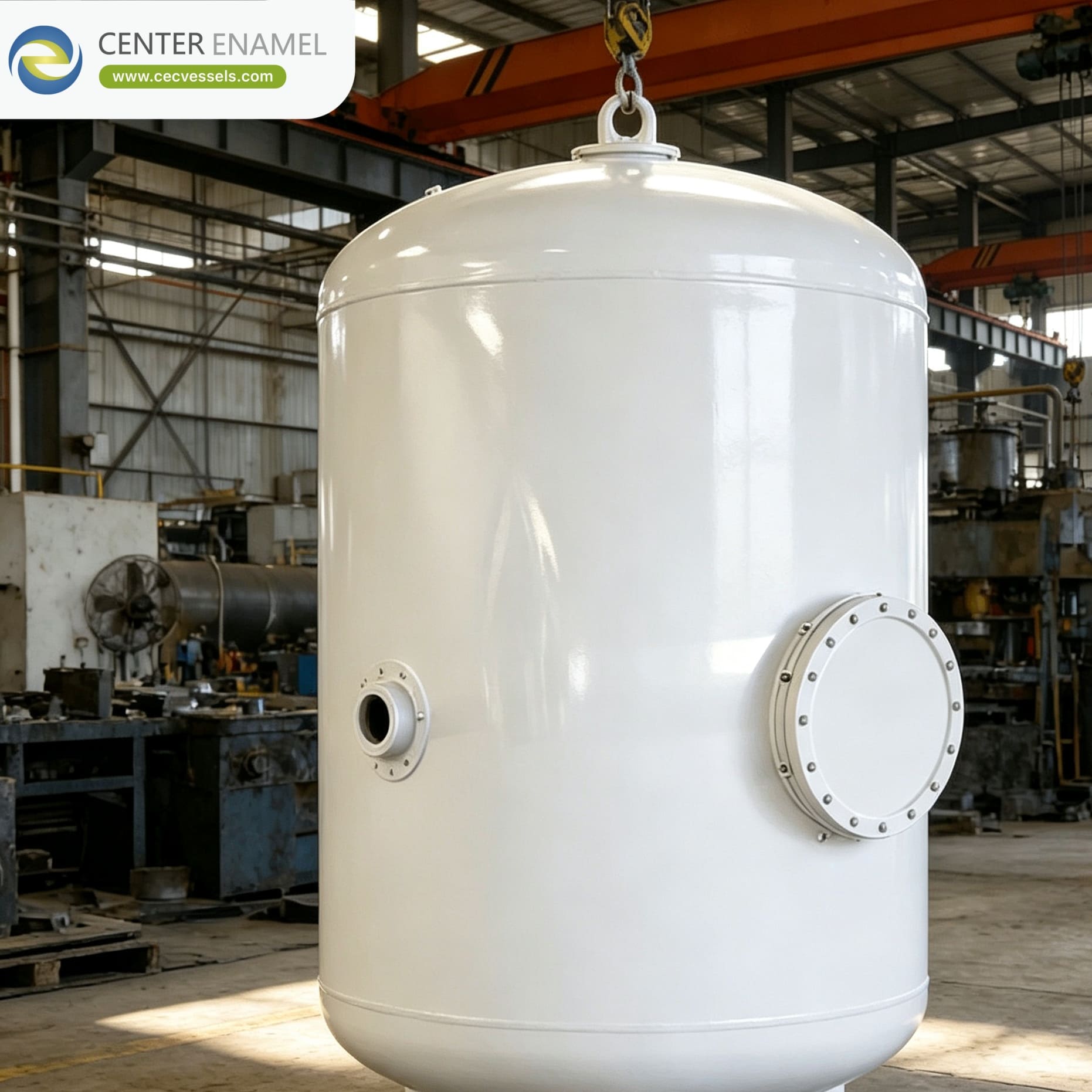
Triple-Effect Falling Film Evaporator for Continuous Processing of Heat-Sensitive Liquids
A Triple-Effect Falling Film Evaporatoris an industrial evaporation system designed to concentrate liquid materials through three connected evaporation stages. It combines falling film heat transfer technology with multi-effect vapor reuse to improve energy utilization and support continuous production. This equipment is particularly suitable for processing heat-sensitive liquids because the falling film design allows the liquid to flow as a thin layer over heated surfaces. The relatively short residence time helps limit unnecessary thermal exposure when the system is properly designed and operated. Triple-effect falling film evaporators are used in chemical manufacturing, food and beverage production, pharmaceutical processing, biotechnology, and other industries that require controlled liquid concentration. They can process dilute solutions into more concentrated products while supporting consistent throughput and effective thermal energy management. Center Enamel provides industrial equipment solutions for projects requiring customized process configurations and coordinated integration with other production equipment. How Does a Triple-Effect Falling Film Evaporator Work?The operating principle combines thin-film evaporation, heat transfer, vapor separation, and energy reuse across three effects. First, the feed liquid enters a distribution system at the top of the heating tubes. The distributor spreads the liquid across the tube surfaces, allowing it to flow downward as a thin film under gravity. As heat passes through the tube walls, part of the liquid evaporates. The resulting vapor is separated from the remaining liquid and directed to the next effect, where it provides thermal energy for further evaporation. The system contains three sequential effects. The first effect receives heat from the primary heating source. Vapor generated in the first effect heats the second effect, and vapor from the second effect supplies heat to the third effect. As the liquid moves through the system, its concentration increases. The concentrated product is collected at the final stage and transferred to storage or subsequent processing equipment. Because the vapor generated in one effect can be reused in the next, a triple-effect system can reduce fresh steam consumption compared with a single-effect evaporator operating under comparable conditions. Actual performance depends on the feed properties, operating temperatures, evaporation capacity, and system configuration. Why Is Falling Film Technology Suitable for Heat-Sensitive Liquids?Heat-sensitive materials require careful control of temperature and processing time. Falling film technology can support these requirements by providing efficient heat transfer and a relatively short residence time within the heating tubes. Short Residence TimeIn a falling film evaporator, liquid flows continuously along the heated surfaces rather than remaining in a large heated pool. This arrangement can reduce the time the product spends in the heating section. Short residence time is beneficial for certain food ingredients, pharmaceutical solutions, plant extracts, and specialty chemicals whose properties depend on controlled thermal exposure. The actual residence time depends on tube length, liquid flow rate, film distribution, and equipment configuration. Efficient Heat TransferThe thin liquid film creates a relatively short path for heat to travel from the heating surface into the process material. This supports effective heat transfer when the liquid is distributed evenly across the tubes. Efficient heat transfer helps the system achieve the required evaporation duty while maintaining suitable operating conditions for the product. Controlled Processing ConditionsTemperature, feed rate, and concentration can be coordinated to support consistent product quality. Instrumentation and automatic control systems may monitor important operating parameters and regulate feed supply, heating conditions, and product discharge. For heat-sensitive liquids, process design should consider the material's thermal characteristics, viscosity, boiling behavior, and target concentration. How Does Three-Effect Evaporation Improve Energy Efficiency?A key advantage of a Triple-Effect Falling Film Evaporatoris its ability to reuse vapor across three evaporation stages. In a single-effect system, heating energy is used primarily in one evaporation stage. In a triple-effect system, vapor produced during evaporation is directed to subsequent effects and used as a heating medium. The first effect uses the primary heating source. Vapor generated in this stage transfers heat to the second effect, while vapor from the second effect provides heating energy to the third effect. This sequential arrangement improves the utilization of thermal energy and can lower fresh steam consumption per unit of water evaporated compared with a single-effect system. The achievable savings depend on temperature differences, feed concentration, product concentration, heat losses, and equipment design. Additional energy savings may be supported by preheating the feed with recovered heat or integrating the evaporator with other process equipment. For industrial facilities processing large quantities of liquid, these features can help reduce energy demand while maintaining continuous production. What Are the Main Components of a Triple-Effect Falling Film Evaporator?A complete system consists of several interconnected components that perform specific functions throughout the evaporation process. Evaporation Effects and Heating TubesThe three effects provide the main evaporation stages. Each effect contains heat transfer surfaces designed to transfer energy from the heating medium to the process liquid. The heating tubes should be selected according to the required capacity, fluid properties, material compatibility, and operating conditions. Liquid Distribution SystemThe liquid distribution system introduces feed evenly across the heating tubes. Uniform distribution helps establish a stable falling film and supports effective use of the available heat transfer area. The distribution design should account for the feed's viscosity, flow rate, and physical characteristics. Vapor-Liquid SeparatorsSeparators separate generated vapor from the concentrated liquid. The vapor can then move to the next effect, while the liquid continues through the process. Suitable separation equipment supports stable vapor flow and helps control liquid carryover between stages. Condensers, Pumps, and Control SystemsDepending on the process configuration, condensers recover vapor as liquid, while pumps transfer feed, concentrate, and other process fluids. Control instruments monitor temperatures, flow rates, liquid levels, and other operating parameters. An integrated control system helps coordinate the three effects and maintain the required processing conditions. Which Industries Use Triple-Effect Falling Film Evaporators?A Triple-Effect Falling Film Evaporatoris suitable for industrial applications that require continuous concentration and effective thermal energy utilization. Food and Beverage ProcessingFood manufacturers use falling film evaporators to concentrate fruit juices, dairy ingredients, extracts, and other liquid products. Short residence time can support the processing of selected heat-sensitive materials while helping preserve their desired characteristics. Equipment design should reflect product viscosity, solids content, hygiene requirements, and the required final concentration. Pharmaceutical and Biotechnology ManufacturingPharmaceutical and biotechnology facilities may use evaporation systems to concentrate process solutions, ingredients, and selected biological materials. For these applications, equipment selection should consider temperature sensitivity, material compatibility, cleaning requirements, and the specifications of the production process. Chemical ManufacturingChemical plants use triple-effect evaporators to concentrate solutions, recover useful materials, and prepare products for downstream processing. The system can be integrated with reactors, storage vessels, heat exchangers, crystallizers, and other process equipment to support coordinated production. Plant Extracts and Specialty ProductsManufacturers processing plant extracts and specialty ingredients may require controlled concentration to achieve a specific solids content or product consistency. A falling film system can support continuous operation when the material's viscosity and thermal properties are compatible with the selected configuration. How Do You Select a Triple-Effect Falling Film Evaporator Manufacturer?Selecting a suitable Triple-Effect Falling Film Evaporator Manufacturerbegins with defining the process requirements. First, determine the feed flow rate, initial concentration, target concentration, and required evaporation capacity. These parameters establish the basic equipment sizing requirements. Second, evaluate the material's thermal sensitivity, viscosity, solids content, boiling characteristics, and compatibility with the proposed construction materials. Third, review the available heating utilities, condensate recovery arrangements, installation space, and connections to upstream and downstream equipment. These factors influence the overall system configuration. Finally, assess the manufacturer's engineering capabilities, fabrication quality, control system options, documentation, and ability to customize equipment for the intended process. A suitable manufacturer should evaluate the complete application rather than selecting equipment based solely on nominal capacity. This helps ensure that thermal performance, product requirements, and production objectives are considered together. Why Work with Center Enamel?Center Enamel provides industrial equipment solutions for projects that require coordinated process equipment and application-specific configurations. When planning a triple-effect falling film evaporation system, customers should consider the complete process, including feed preparation, liquid distribution, heat transfer, vapor separation, condensate recovery, and concentrated product handling. Center Enamel can support equipment planning by considering process capacity, material properties, operating conditions, and plant layout. These factors help establish an equipment configuration suited to the intended industrial application. For companies sourcing from a China Triple-Effect Falling Film Evaporator Manufacturer, clear technical specifications and effective project communication are important for coordinating equipment design, fabrication, and installation requirements. Supporting Continuous Concentration of Heat-Sensitive LiquidsA Triple-Effect Falling Film Evaporatorcombines three-stage vapor reuse with thin-film heat transfer to support continuous liquid concentration. Its key benefits include efficient energy utilization, relatively short liquid residence time, and controlled processing for suitable heat-sensitive materials. The appropriate system depends on the feed characteristics, required evaporation capacity, target concentration, and operating conditions. Careful equipment selection and process integration help manufacturers achieve consistent production while making effective use of thermal energy. Center Enamel supports industrial equipment planning with solutions tailored to project specifications, helping customers identify suitable equipment configurations for chemical processing, food production, pharmaceutical manufacturing, and other liquid concentration applications.
|