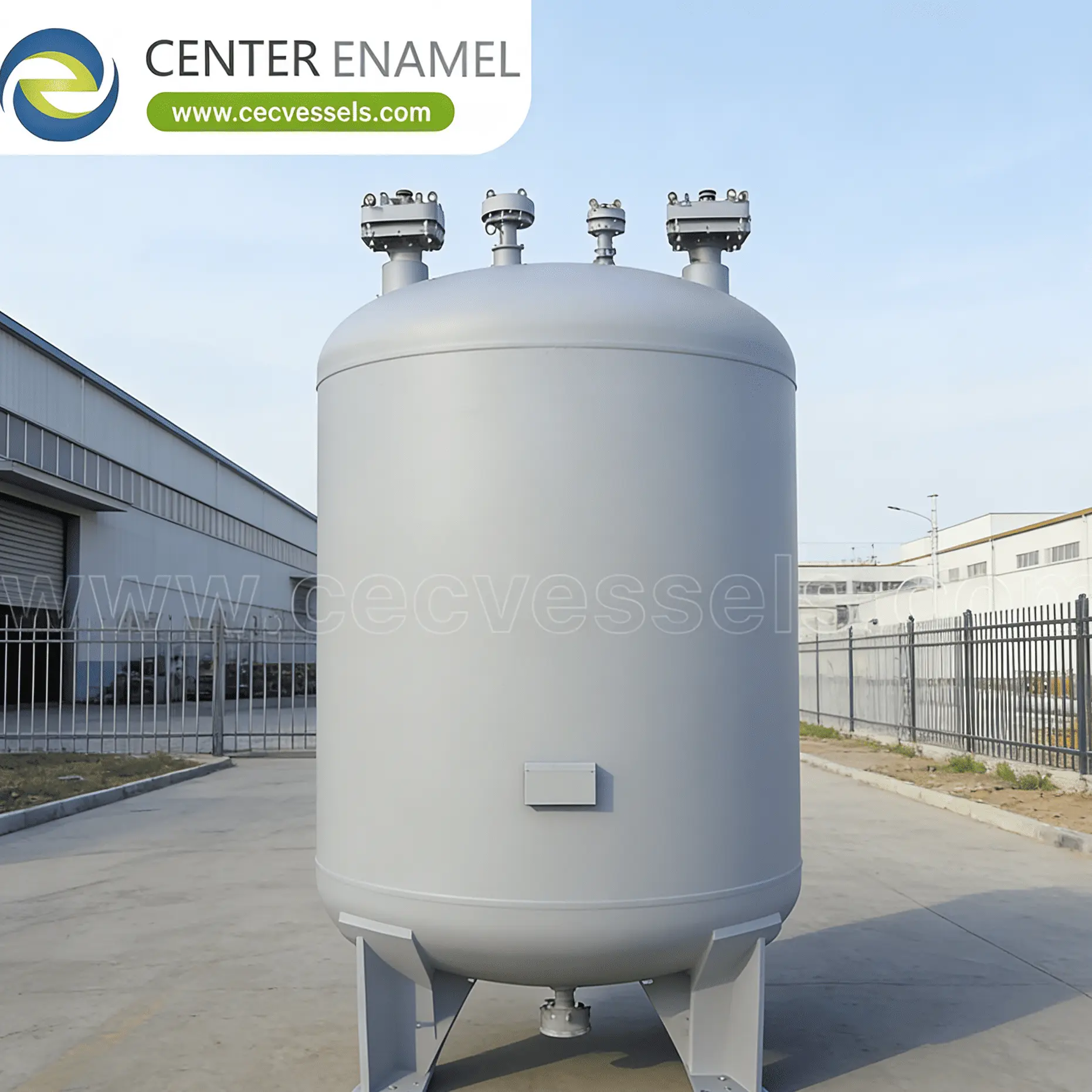
Double-Effect Evaporator Understanding Two-Effect Liquid Concentration
A Double-Effect Evaporator is an industrial evaporation system designed to concentrate liquids through two connected evaporation effects. Compared with a single-effect evaporator, the double-effect configuration makes more effective use of thermal energy by utilizing vapor generated in the first effect as a heating source for the second effect. The main purpose of evaporation is to remove part of a liquid solvent, commonly water, from a process solution while retaining the desired dissolved materials in a more concentrated form. This process is widely used in chemical processing, food production, pharmaceutical manufacturing, wastewater treatment, salt processing, and other industries. In a Double-Effect Evaporator, the evaporation process is divided into two stages. The first effect receives the primary heating source and generates secondary vapor. This vapor is then directed to the heating section of the second effect, where it provides thermal energy for further evaporation. This arrangement allows the same thermal energy to participate in more than one evaporation stage. As a result, the system can provide improved steam utilization compared with a conventional single-effect evaporation process. How Does a Double-Effect Evaporator Work? The working principle of a Double-Effect Evaporator is based on sequential evaporation and heat recovery. The feed liquid first enters the initial evaporation effect. A heating medium transfers thermal energy through a heat-transfer surface, causing part of the solvent to evaporate. The remaining liquid becomes more concentrated as evaporation proceeds. The vapor generated in the first effect is not simply discharged. Instead, it is introduced into the heating section of the second effect. The second effect operates under suitable process conditions that allow the vapor from the first effect to provide the required heat for additional evaporation. As the second effect continues evaporation, the liquid concentration increases further. The final concentrated product can then be discharged from the system for subsequent processing, storage, crystallization, drying, or packaging. The two effects can be arranged according to the feed characteristics and desired process configuration. Different feed arrangements, including forward-feed, backward-feed, or other suitable configurations, can be considered according to the material properties and production requirements. What Are the Main Components of a Double-Effect Evaporator? A Double-Effect Evaporator consists of several interconnected components that work together to provide controlled evaporation and heat transfer. The evaporator bodies are the main process chambers where liquid concentration takes place. Each effect contains a heat-transfer area designed according to the required evaporation capacity and material characteristics. Heat exchangers or heating chambers provide the thermal interface between the heating medium and process liquid. Their surface area is selected according to the evaporation load and required heat-transfer performance. Vapor separators are also important components. They help separate generated vapor from concentrated liquid before the vapor is transferred to the next effect or downstream equipment. Pumps may be used to circulate feed liquid, transfer concentrated liquid, or maintain the required material flow between different sections. The system can also include condensers, piping, valves, temperature sensors, pressure monitoring instruments, level controls, sight glasses, sampling ports, and other process accessories. A professional Double-Effect Evaporator Manufacturer can integrate these components according to the customer's production capacity, feed characteristics, concentration requirements, and plant layout. Why Does a Double-Effect Evaporator Improve Thermal Efficiency? The main advantage of the two-effect configuration is the reuse of generated vapor. In a single-effect evaporation system, the heating energy supplied to the evaporator is mainly used for one evaporation stage. In a double-effect system, vapor generated during the first effect becomes a useful heat source for the second effect. This means that thermal energy is used more effectively across the complete evaporation process. The exact energy performance depends on feed concentration, evaporation temperature, heat-transfer conditions, operating configuration, and other process parameters. The system can therefore be suitable for industrial applications where continuous liquid concentration and efficient steam utilization are important. Heat recovery can also be considered in the broader evaporation system. Condensed vapor and other available thermal energy streams may be incorporated into the process design when technically appropriate. How Is a Double-Effect Evaporator Designed? The design of a Double-Effect Evaporator begins with understanding the customer's process requirements. Important parameters include feed flow rate, initial concentration, final concentration, evaporation capacity, material characteristics, desired operating temperature, heating medium, and required residence time. The heat-transfer area is then determined according to the evaporation duty and thermal characteristics of the process. The dimensions of the evaporation chambers and vapor separators are also selected to provide appropriate liquid and vapor flow. The configuration of the two effects is another important design consideration. Engineers can select a suitable arrangement based on the feed properties and concentration behavior of the material. Piping between the two effects must also be properly designed so that vapor and liquid can move efficiently through the system. Instrumentation is incorporated according to the process control requirements. Temperature, liquid level, flow, and other relevant parameters can be monitored to support stable operation. The final equipment configuration is developed around the customer's production line and available installation space. Which Materials Are Used for Double-Effect Evaporators? Material selection directly affects the service performance and suitability of an evaporation system. Stainless steel and carbon steel are commonly considered for industrial evaporation equipment, with the final selection depending on the process medium. Stainless steel is widely used when the liquid being concentrated has corrosive characteristics or when a smooth, cleanable process surface is required. It is also frequently selected for food, pharmaceutical, and specialty chemical applications. Different stainless steel grades can be selected according to the chemical composition and operating conditions of the feed liquid. Carbon steel can be suitable for compatible industrial media and structural components where corrosion resistance requirements are relatively moderate. Its fabrication performance and mechanical properties make it useful for various industrial equipment structures. Material selection can also be applied separately to different components. The evaporator body, heat-transfer surfaces, piping, supports, valves, and other wetted parts can be specified according to their individual service conditions. A qualified China Double-Effect Evaporator Manufacturer should evaluate the entire process system before recommending the appropriate material combination. How Is a Double-Effect Evaporator Manufactured? The manufacturing process begins with engineering design and material preparation. Once the technical specifications and drawings are confirmed, steel plates and other materials are inspected before entering production. The plates are cut according to the required dimensions and processed through rolling, forming, welding, and assembly procedures. Evaporator bodies, heating chambers, vapor separators, support structures, nozzles, and other components are manufactured according to the approved drawings. Welding is an important stage of equipment fabrication. Qualified welding procedures and trained technicians are used to maintain consistent joint quality and dimensional accuracy. Heat-transfer components require careful fabrication because their surface area and geometry directly influence evaporation performance. The manufacturing process therefore includes dimensional verification and assembly inspection. After the main components are completed, the equipment is assembled and inspected. Nozzle positions, connections, support structures, and overall dimensions are checked against the engineering requirements. Surface treatment is selected according to the material and application. Stainless steel components may receive suitable surface finishing, while carbon steel components can receive appropriate surface preparation and protective coating where required. How Does Center Enamel Control Evaporator Quality? Center Enamel incorporates quality control throughout the manufacturing process of industrial evaporation equipment. Incoming materials are checked against the relevant specifications and documentation before fabrication. During production, dimensional inspections and welding quality checks are carried out at appropriate stages. For applicable equipment and project specifications, non-destructive testing can be used to evaluate welded joints. Suitable methods may include ultrasonic testing, radiographic testing, or other inspection methods required by the applicable standards and customer specifications. Assembly inspections are performed after fabrication to verify the position and connection of major components. Heat-transfer sections, vapor separators, nozzles, supports, and other assemblies are checked before final delivery. Final quality inspection includes dimensional verification, appearance inspection, connection checks, and applicable functional or tightness testing according to project requirements. Manufacturing and inspection records can also be prepared according to the customer's documentation requirements, supporting project traceability from material preparation through final delivery. Where Can Double-Effect Evaporators Be Used? Double-Effect Evaporators are used across a wide range of industries that require efficient liquid concentration. In the chemical industry, they can be used to concentrate process solutions, recover valuable materials, and reduce liquid volume before downstream processing. In food processing, evaporation can be used for concentrating products such as liquid extracts, dairy-related products, fruit-based solutions, and other food ingredients. Appropriate material selection and cleanable surfaces are particularly important for these applications. Pharmaceutical production can also use evaporation equipment for concentration processes where controlled thermal conditions and suitable equipment materials are required. In environmental applications, Double-Effect Evaporators can support the concentration and volume reduction of industrial process liquids and wastewater streams. Other applications include salt processing, mineral-related processing, organic chemical production, and various specialty liquid concentration processes. Why Choose a Double-Effect Evaporator Manufacturer? Choosing the right Double-Effect Evaporator Manufacturer involves evaluating engineering capability, manufacturing capacity, customization options, quality control, and project support. Every evaporation process has different requirements. Feed concentration, evaporation capacity, material properties, heating source, final concentration, and installation conditions all influence equipment design. An experienced manufacturer can evaluate these parameters and develop an evaporation system that matches the customer's actual process. Manufacturing capability is equally important because a Double-Effect Evaporator contains multiple interconnected components. Consistent fabrication of evaporator bodies, heat-transfer surfaces, vapor separators, piping, supports, and accessories is necessary for proper system integration. For international projects, experience with different technical standards and documentation requirements can also simplify project communication and equipment delivery. Center Enamel combines engineering design and industrial fabrication to provide customized evaporation equipment for customers in different markets. Why Choose Center Enamel for Double-Effect Evaporator Manufacturing? Shijiazhuang Zhengzhong Technology Co., Ltd. (Center Enamel) has established a large-scale production and R&D base covering more than 150,000 square meters. The manufacturing facility includes automated production equipment, precision laser cutting systems, automatic rolling machinery, material testing facilities, and other production resources. Our engineering and manufacturing teams can develop customized Double-Effect Evaporator systems according to feed characteristics, evaporation capacity, concentration requirements, heating conditions, material specifications, and installation space. The equipment can be configured with suitable evaporation chambers, heat-transfer components, vapor separators, pumps, piping, instrumentation, and other process accessories. Center Enamel also supports customized fabrication for different industrial applications. From initial engineering design and material preparation to fabrication, inspection, assembly, and delivery, our manufacturing process is coordinated around the technical requirements of each project. For customers searching for a reliable Double-Effect Evaporator Manufacturer or China Double-Effect Evaporator Manufacturer, Center Enamel provides customized evaporation equipment designed for efficient liquid concentration and integration with industrial processing systems. Double-Effect Evaporator Solutions for Liquid Concentration A Double-Effect Evaporator uses two interconnected evaporation stages to improve the utilization of thermal energy during liquid concentration. By using vapor generated from the first effect as a heating source for the second effect, the system can provide a more efficient evaporation configuration than a conventional single-effect system. The final equipment design depends on the feed characteristics, required evaporation capacity, target concentration, material selection, heat-transfer requirements, and plant layout. Center Enamel provides customized Double-Effect Evaporator solutions for chemical, food, pharmaceutical, environmental, and other industrial applications. Customers can provide information about feed flow rate, initial and final concentration, material characteristics, heating conditions, and installation requirements. Our engineering team can then evaluate the process and develop a suitable two-effect evaporation configuration for the project.
|