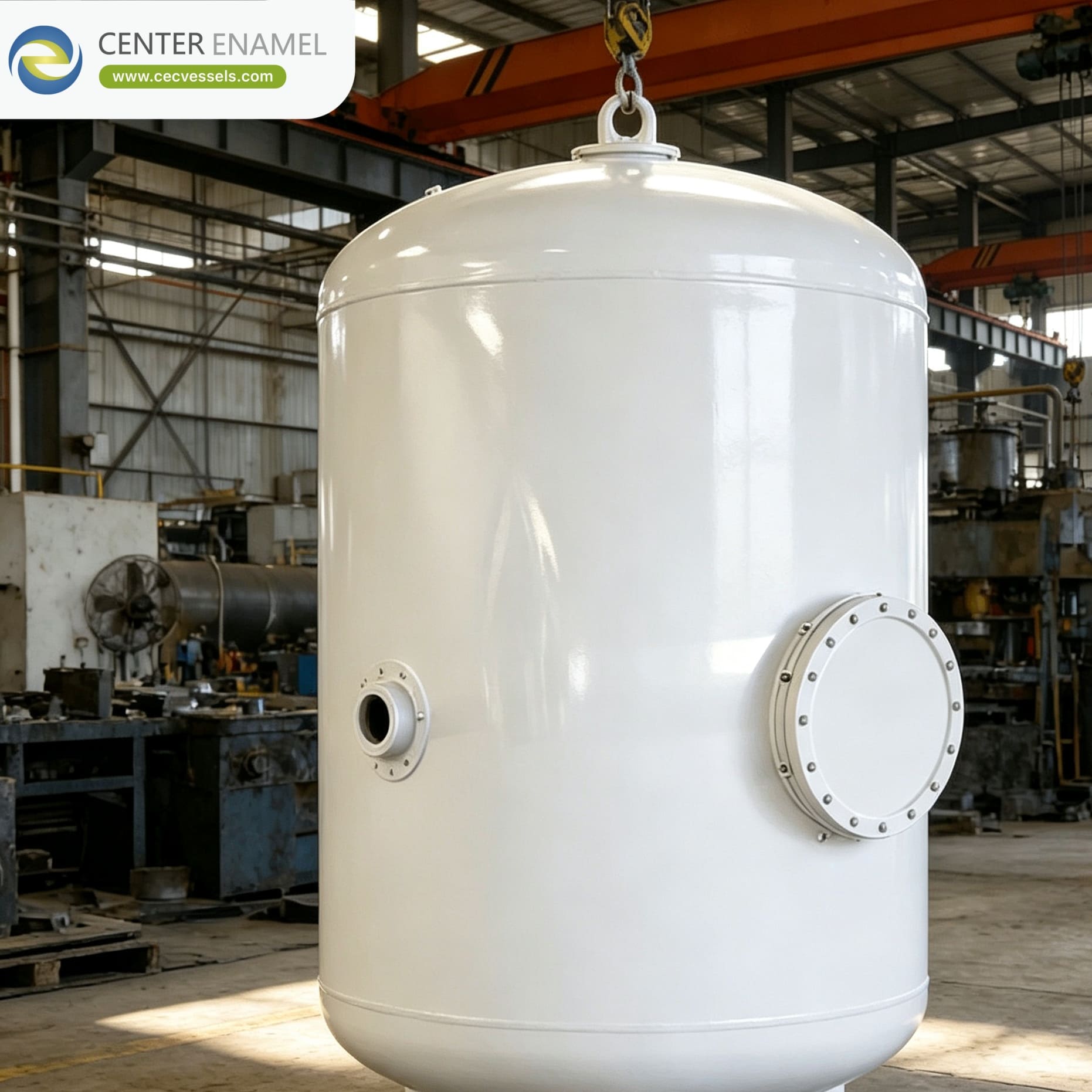
Exploring Distillation Columns : The Art of Separation
An industrial distillation columnis a process vessel designed to separate liquid mixtures into different components based on their boiling points and relative volatility. Through repeated vaporization and condensation, the equipment produces separated streams with different compositions and purity levels. Distillation is widely used in petroleum refining, petrochemical manufacturing, pharmaceutical production, food processing, and solvent recovery. Depending on the production requirements, columns can be designed for batch or continuous operation. The effectiveness of a distillation system depends on its internal configuration, operating conditions, feed properties, and overall equipment design. Understanding the Working Principle of Column SeparationThe basic principle of column separationinvolves the differences in volatility between components within a liquid mixture. During operation, the feed enters the column at a designated location. Heat supplied by the reboiler causes part of the liquid to vaporize. The vapor rises through the column and contacts the descending liquid, creating repeated vapor-liquid mass transfer. The more volatile components tend to concentrate in the vapor phase and move toward the top of the column. Meanwhile, less volatile components become enriched in the liquid phase and move toward the bottom. The main stages of the process include:
lFeed Introduction:The liquid mixture enters the column through a designated feed nozzle. lHeating and Vaporization:The reboiler supplies heat to generate vapor from the bottom liquid. lVapor-Liquid Contact:Rising vapor interacts with descending liquid through trays or packing. lCondensation:Overhead vapor enters the condenser and is converted into liquid. lReflux and Product Collection:Part of the condensed liquid returns to the column, while the remaining portion is collected as the top product.
This continuous exchange between vapor and liquid allows the column to achieve the required separation performance. Different Types of Distilling ColumnsThe selection of a distilling columndepends on production capacity, feed characteristics, separation requirements, and operating methods. Several common configurations are used in industrial processing. Batch Distillation ColumnsBatch columns process a fixed quantity of feed during each production cycle. The composition of the liquid changes as the separation progresses. They are suitable for specialty chemicals, pharmaceutical intermediates, and small-volume solvent purification, where production flexibility is important. Continuous Distillation ColumnsContinuous columns receive feed and discharge separated products throughout operation. They are widely used in petroleum refineries and large-scale chemical plants. Their continuous production capability makes them suitable for industrial facilities requiring stable throughput and consistent product specifications. Tray Distillation ColumnsTray columns contain multiple horizontal plates that support vapor-liquid contact at different stages. Common tray configurations include:
lSieve trays lValve trays lBubble-cap trays
Tray columns are frequently applied in refinery fractionation and chemical separation processes. Packed Distillation ColumnsPacked columns contain structured or random packing materials that provide contact surfaces for vapor and liquid. Structured packing offers an organized flow path, while random packing consists of individual elements distributed throughout the column. Packed columns are often selected for applications requiring efficient mass transfer and compact separation equipment. Main Components of Industrial Separation ColumnsA complete industrial distillation columnconsists of several interconnected components. Each component contributes to the overall separation process. Column Shell:The main vertical vessel that contains the internal separation equipment. Its height and diameter are determined by process calculations and production requirements. Column Internals:Trays or packing materials provide the contact area needed for vapor-liquid mass transfer. Reboiler:Supplies thermal energy to the bottom liquid, generating vapor that travels upward through the column. Condenser:Removes heat from overhead vapor and converts it into liquid. Reflux Drum:Collects condensed liquid and provides a controlled supply of reflux to the column. Piping and Control Systems:Connect the equipment and regulate temperature, liquid levels, flow rates, and other operating parameters. The coordinated design of these components helps maintain consistent process conditions and separation performance. Important Considerations in Designing of Distillation ColumnThe designing of distillation columnsystems requires detailed process calculations and mechanical engineering. Several parameters must be evaluated before equipment fabrication. Feed Properties and Separation RequirementsEngineers need to identify the chemical composition, boiling points, relative volatility, feed temperature, and flow rate of the mixture. These properties help determine the number of theoretical stages and the appropriate column configuration. Column Height and DiameterColumn height is associated with the required separation stages and the efficiency of the selected internals. Column diameter is calculated according to vapor and liquid flow rates to provide sufficient space for effective phase contact. Reflux RatioThe reflux ratio describes the relationship between the liquid returned to the column and the collected overhead product. Increasing reflux can improve separation performance, although it generally requires additional heating and cooling energy. Engineers must balance product purity with energy consumption. Material SelectionMaterial selection should consider fluid composition, operating temperature, corrosion characteristics, and applicable manufacturing standards. Stainless steel, carbon steel, and suitable corrosion-resistant alloys may be selected according to the specific process environment. Industrial Applications of Distillation & Separation SystemsModern distillation & separation systemssupport production processes across numerous industries. Petroleum Refining:Refinery columns separate crude oil into different fractions, including gasoline components, kerosene, diesel fractions, and heavier products. Petrochemical Manufacturing:Distillation equipment separates chemical intermediates and recovers valuable process materials for downstream production. Pharmaceutical Production:Separation columns are used for solvent purification, ingredient recovery, and the preparation of materials with specific purity requirements. Food and Beverage Processing:Distillation systems support alcohol production, flavor extraction, and the purification of selected liquid ingredients. Biofuel Production:Ethanol and other renewable fuel components can be concentrated and purified through appropriate distillation configurations. Solvent Recovery:Industrial facilities use distillation to recover reusable solvents from process mixtures, supporting material recycling and resource utilization. Different applications require customized separation systems according to feed composition, production capacity, and product specifications. How to Improve Distillation Column PerformanceImproving the performance of separation columnsinvolves optimizing equipment design and coordinating the operation of supporting systems. Several engineering approaches can help achieve better results:
lOptimize Internal Components:Select suitable trays or packing materials to improve vapor-liquid contact. lAdjust Reflux Conditions:Establish an appropriate reflux ratio according to product purity and energy requirements. lImprove Heat Transfer:Optimize reboiler and condenser configurations to support effective heating and cooling. lUse Process Monitoring:Monitor temperature, flow rate, liquid level, and other important operating parameters. lIntegrate Heat Recovery:Recover available process heat for use in other heating requirements where practical. lMaintain Equipment Regularly:Inspect column internals, heat exchangers, and connected equipment to maintain long-term operating efficiency.
Combining these measures helps industrial plants achieve more consistent separation and better energy utilization. Frequently Asked Questions About Distillation ColumnsQ1: What is the main purpose of an industrial distillation column? Its main purpose is to separate liquid mixtures into different components according to differences in volatility and boiling points. Q2: What is the difference between a distillation column and a separation column? A distillation column is a specific type of separation column that uses vaporization and condensation. Separation columns is a broader term that can also include equipment based on other separation principles. Q3: Which type of distillation column is suitable for industrial production? Continuous tray and packed columns are common choices for large-scale industrial production. Batch columns are often suitable for smaller production volumes and specialty products. The final selection depends on process requirements. Q4: What equipment is required for a complete distillation system? A typical system includes a distillation column, reboiler, condenser, reflux drum, pumps, piping, instruments, and control systems. Additional equipment depends on the specific production process. Advancing Industrial Separation Through Better Equipment DesignDistillation remains an essential technology for modern industrial separation. By combining suitable column configurations, efficient internal components, accurate process calculations, and effective heat integration, manufacturers can develop reliable industrial distillation columnsfor diverse production requirements. Well-engineered distillation & separation systemsalso support product quality, resource recovery, and efficient industrial operations.
|