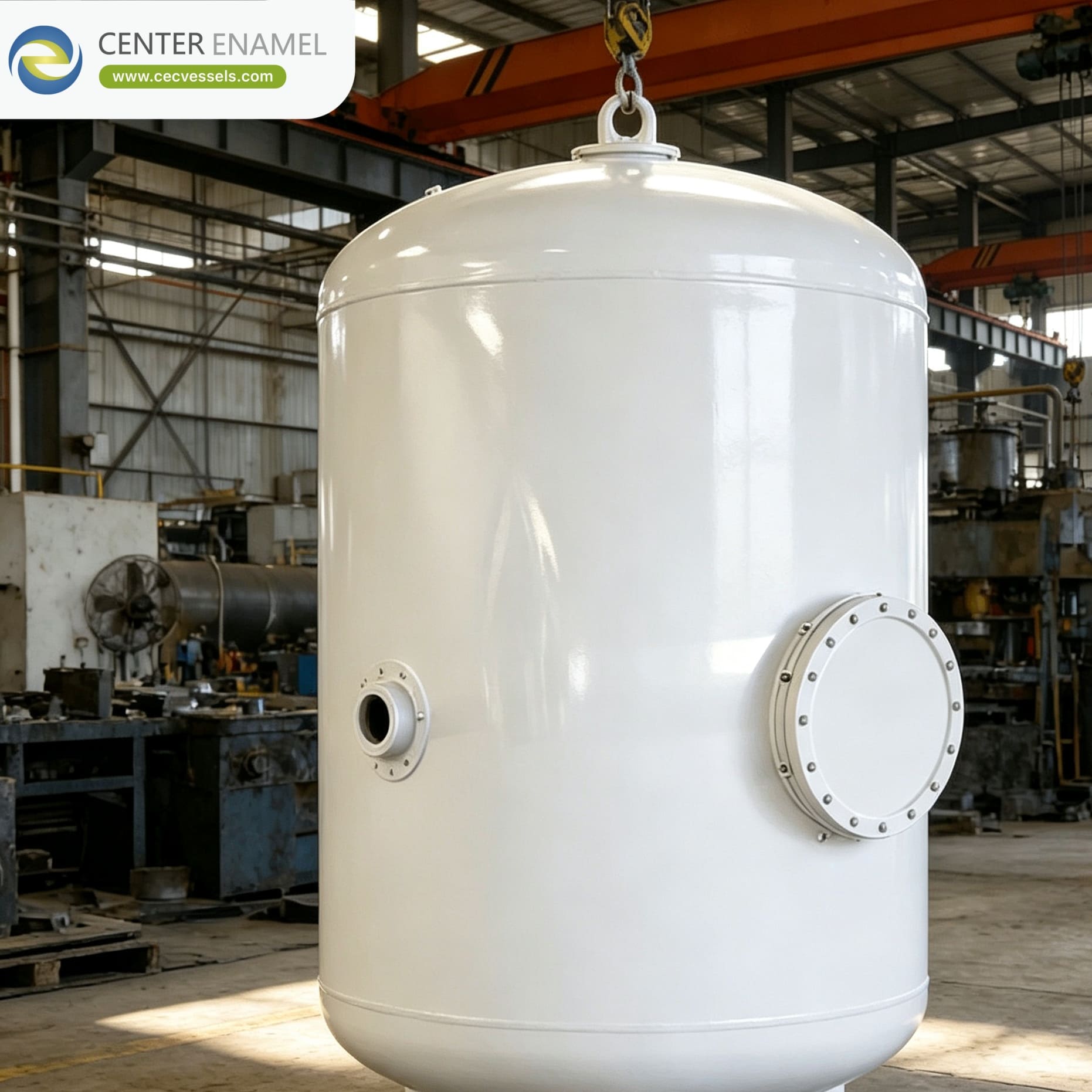
Food Processing Heating Vessel for Uniform Heating and Efficient Ingredient Preparation
Food production depends on heat applied evenly and gently. A Food Processing Heating Vessel combines a jacketed heating surface with controlled agitation, so sauces, soups, jams and other products reach the required temperature without scorching or uneven cooking. Sanitary Design for Food ProductionHygienic design shapes every detail. Product contact surfaces are smooth and free of crevices, corners are rounded for cleaning, and the vessel drains completely. These features reduce the effort needed to verify cleanliness between production runs. A Food Processing Heating Vessel built for food service also separates the product zone from the heating medium. The jacket is sealed from the chamber, and all connections are arranged so cleaning fluids reach every wetted area without leaving pockets behind. Uniform Heating Through Jacket and AgitatorThe jacket surrounds the product chamber and carries steam, hot water or a thermal fluid. Its internal passages distribute the heating medium across the full surface, which keeps wall temperature even and avoids the local hot spots that cause scorching. Agitation works with the jacket to even out temperature. Sweeping blades or a scraper assembly keep product moving across the heated surface, so heat transfers into the bulk rather than accumulating at the wall. Together they give the Food Processing Heating Vessel its consistent heating performance. Ingredient Preparation and BlendingMany recipes combine heating with mixing, dissolving or emulsifying. The vessel can be supplied with high-shear agitators, scrapers or simple paddle units, depending on whether the product needs gentle turnover or vigorous dispersion. Addition points are positioned for practical operation. Dry ingredients can be introduced through a hopper, liquids through a dosing line, and sampling access allows the operator to check consistency. The China Food Processing Heating Vessel Manufacturer aligns these details with the actual recipe steps. Materials and Surface FinishStainless steel is standard for food contact, with grades selected for the product's acidity and salt content. Interior surfaces are polished to a finish that supports cleaning, and welds are dressed to remove crevices where residue could collect. Non-contact parts are protected against the washdown environment. Frames, motors and controls are designed for wet cleaning routines, and insulation is clad to prevent water ingress. Materials and finishes are documented for food safety review. Controls and Recipe RepeatabilityTemperature control holds the product at set point through the heating and holding stages. Sensors in the jacket and the product feed a controller that modulates the heating valve, and agitator speed can be adjusted for each recipe. Recipe management lets operators select a program rather than adjust settings by hand. Heating rate, hold time, agitator speed and discharge sequence run in the same order every batch, which supports consistent texture and flavour across production. Applications in Food PlantsThese vessels prepare sauces, gravies, soups, jams, fillings, dairy blends and confectionery bases. They also support vegetable and fruit processing, where gentle heating preserves colour and structure. Central kitchens and ready-meal producers rely on them for large-volume preparation, while smaller units serve recipe development. The same Food Processing Heating Vessel platform scales from trial batches to full production with predictable behaviour. Cleaning, Changeover and Daily OperationDaily cleaning is part of the production schedule. Spray balls, drain points and accessible surfaces shorten wash cycles, and the control system can store cleaning routines alongside product recipes. Operators benefit from straightforward access. The manway, sight glass and sampling valve are placed for routine checks without opening the vessel, and the discharge valve is designed for complete emptying before the next product starts. Scale and Layout for Production LinesVessel size follows the batch and the schedule. Small units serve recipe development and specialty products, while larger vessels support continuous preparation on high-volume lines. Jacket area and agitator power scale with volume to keep heating times practical. Layout matters in a busy processing hall. Connection positions, discharge height and cleaning access are arranged around the surrounding equipment, so the Food Processing Heating Vessel fits the line instead of disrupting it. Quality Checks Before DeliveryEach vessel is inspected before shipment. Dimensions, nozzle positions, jacket integrity, surface finish and agitator alignment are verified, and the chamber is checked for cleanliness. Material certificates, test reports and finish records form the documentation package. For food producers these records support hygiene audits, and they give the China Food Processing Heating Vessel Manufacturer a clear basis for handover. Center Enamel Support for Food ProjectsCenter Enamel works with food producers to match vessel size, agitation and heating capacity to the product range and batch schedule. Recipe details, cleaning practice and floor space all feed into the design before production begins. As a Food Processing Heating Vessel Manufacturer, the company provides drawings for approval, inspection records and delivery coordination. The result is a vessel that prepares ingredients consistently and fits the rhythm of the plant. |