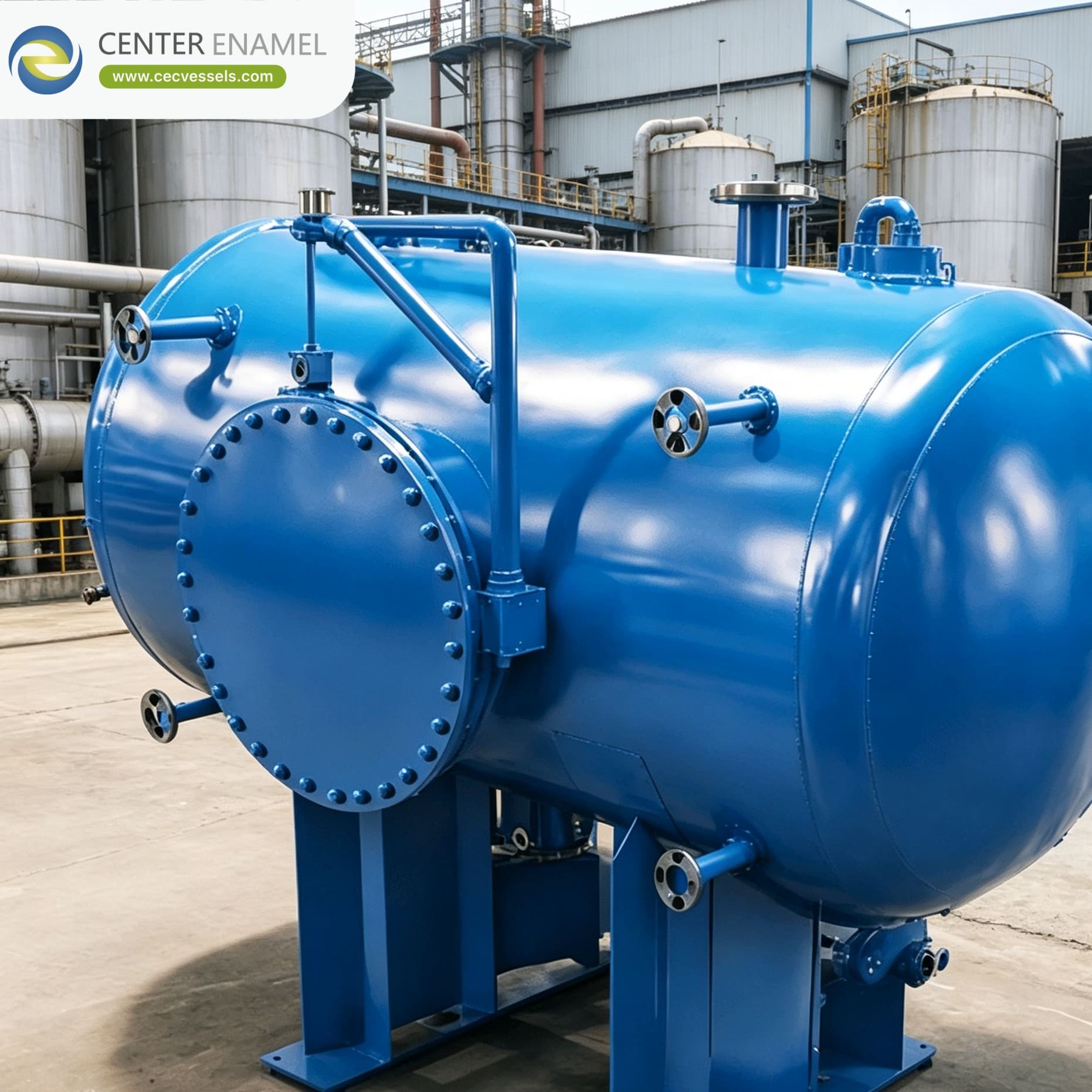
Gas-Liquid Separator for Efficient Separation in Industrial Process Systems
A Gas-Liquid Separatoris industrial process equipment designed to separate gas and liquid phases from a mixed stream. It is widely used in chemical processing, oil and gas operations, petrochemical manufacturing, power generation, and other industrial applications where gas and liquid need to be handled separately. During industrial production, process streams may contain gas bubbles, entrained liquid droplets, or a combination of both phases. A gas-liquid separator provides a designated space for these phases to separate according to differences in density, flow behavior, and operating conditions. The separated gas and liquid can then be directed to their respective downstream systems. Depending on the process requirements, a Gas-Liquid Separatormay use gravity separation, changes in flow direction, centrifugal effects, or internal demisting components. The equipment configuration is selected according to the gas and liquid flow rates, fluid properties, operating temperature, and required separation performance. Center Enamelprovides industrial equipment solutions tailored to project specifications and process requirements, supporting the integration of separation vessels into different industrial production systems. How Does a Gas-Liquid Separator Work?The operating principle of a Gas-Liquid Separatoris based on separating gas and liquid phases through controlled flow and differences in their physical properties. First, the mixed stream enters the separator through an inlet nozzle. The inlet arrangement helps distribute the incoming flow and may reduce its velocity or change its direction, creating conditions that support phase separation. Inside the vessel, liquid droplets and heavier liquid components tend to move downward under gravity, while the gas phase occupies the upper section. The separated liquid collects in the lower part of the vessel and can be discharged through a liquid outlet. The gas leaves through a designated gas outlet. For applications requiring improved droplet removal, the separator may incorporate a mist eliminator or demister. This component captures fine liquid droplets carried by the gas stream, allowing the droplets to combine and drain back into the vessel. Level instruments can monitor the accumulated liquid, while pressure, temperature, and flow instruments may be incorporated as required by the process design. Automated controls can coordinate liquid discharge and other operating functions. The overall separation efficiency depends on vessel dimensions, inlet conditions, gas and liquid properties, droplet size, residence time, and the selected internal components. Main Components of an Industrial Gas-Liquid SeparatorA well-designed Gas-Liquid Separatorintegrates several components to support effective separation and reliable process operation. Separator VesselThe vessel provides the main space for gas-liquid separation. Its diameter, length, orientation, and internal arrangement are determined by the expected flow rates, fluid properties, and installation conditions. Horizontal and vertical vessels are commonly used in industrial applications. The appropriate arrangement depends on the available space, liquid handling requirements, and the characteristics of the incoming stream. Inlet Nozzle and Flow DistributorThe inlet nozzle introduces the mixed gas-liquid stream into the vessel. Depending on the design, an inlet diverter or flow distributor can help manage the incoming flow and encourage initial phase separation. Mist EliminatorA mist eliminator removes entrained liquid droplets from the gas stream. Common configurations include mesh pads and vane-type demisters, with selection based on droplet characteristics, gas flow rate, and required outlet quality. Liquid Collection SectionThe lower section of the vessel collects separated liquid before discharge. Its capacity and outlet arrangement are designed according to liquid flow rate and the expected operating conditions. Gas and Liquid OutletsSeparate outlets direct the gas and liquid phases to their respective downstream equipment. Proper nozzle positioning supports the intended flow arrangement and helps maintain separation performance. Instrumentation and Control SystemDepending on the application, the separator may include level transmitters, temperature instruments, flow meters, and other monitoring devices. These instruments help operators observe process conditions and coordinate equipment operation. Types of Gas-Liquid SeparatorsDifferent industrial processes require different separator configurations. Choosing the appropriate Gas-Liquid Separatorhelps align equipment design with process conditions and installation requirements. Vertical Gas-Liquid SeparatorA vertical gas-liquid separator uses an upright vessel arrangement. The gas phase moves toward the upper section, while separated liquid collects at the bottom. Vertical separators can be suitable for applications with relatively high gas flow rates, limited installation space, or specific liquid drainage requirements. They are commonly considered for process skids and industrial systems where a compact footprint is beneficial. Horizontal Gas-Liquid SeparatorA horizontal gas-liquid separator provides a longer vessel arrangement that can offer a substantial liquid collection area and separation volume. This configuration may be suitable for streams with higher liquid throughput or applications requiring additional liquid residence time. Horizontal vessels can also be selected when the process requires convenient access to internal components and liquid handling equipment. Three-Phase SeparatorA three-phase separator separates gas, oil, and water from a mixed process stream. After the gas phase separates, the liquid section provides space for oil and water to separate according to their density differences. This equipment is commonly used in petroleum processing and other applications where gas, hydrocarbon liquids, and water need to be collected independently. Separator with Demisting InternalsA gas-liquid separator fitted with demisting components provides an additional stage for removing liquid droplets entrained in the gas stream. This configuration is useful when the downstream process requires improved gas quality or reduced liquid carryover. The type and arrangement of the demister should be selected according to the process conditions and the required separation performance. Industrial Applications of Gas-Liquid SeparatorsA Gas-Liquid Separatorsupports phase separation in a wide range of industrial processes. Chemical and Petrochemical ManufacturingChemical plants frequently handle mixed gas-liquid streams generated during reactions, evaporation, condensation, and material transfer. Gas-liquid separators help remove entrained liquid before the gas enters downstream processing equipment. They can also separate gas from liquid process streams before the liquid moves to storage, recycling, or further treatment. Oil and Gas ProcessingOil and gas facilities use separators to manage production streams containing gas and liquid hydrocarbons. Depending on the process, the equipment may be configured for two-phase or three-phase separation. The separated streams can then be directed to gas treatment, liquid storage, water handling, or other processing units. Power GenerationPower generation systems may require gas-liquid separation in utility circuits, condensate handling arrangements, and selected process applications. Suitable separator equipment helps manage mixed-phase flow and supports the intended operation of connected equipment. Industrial Wastewater TreatmentSome wastewater treatment systems generate gas-liquid mixtures during aeration, biological processing, or other treatment operations. Gas-liquid separation equipment can help separate entrained gas from liquid streams or collect gas for designated handling. The equipment configuration depends on the characteristics of the liquid, gas generation rate, and treatment process. Food and Pharmaceutical ProcessingCertain food, beverage, and pharmaceutical manufacturing processes involve gas-liquid mixtures during mixing, heating, cooling, and product transfer. Properly designed separation equipment can support process flow management and the required downstream treatment steps. Material selection and sanitary requirements should be evaluated according to the specific application. Benefits of Using a Gas-Liquid SeparatorA properly selected Gas-Liquid Separatorprovides several operational benefits for industrial process systems. First, it helps separate gas and liquid before the streams enter downstream equipment. This supports more predictable process conditions and allows each phase to be handled according to its intended purpose. Second, effective liquid removal can reduce liquid carryover into gas processing equipment, while suitable gas disengagement can help limit unwanted gas entrainment in liquid outlet streams. Third, the separator can be integrated with pumps, compressors, heat exchangers, storage tanks, filters, and other process equipment to create a coordinated industrial system. Finally, customized vessel dimensions, internal components, nozzle arrangements, and material options allow the separator to accommodate different production requirements. Actual performance depends on the fluid properties, flow conditions, equipment design, and specified separation objectives. How to Select the Right Gas-Liquid SeparatorSelecting a suitable Gas-Liquid Separatorrequires an evaluation of process conditions and equipment requirements. · Gas and liquid flow rates:Determine the expected operating flow rates and the required separation capacity. · · Fluid properties:Consider density, viscosity, temperature, and other characteristics that influence phase separation. · · Droplet size:Evaluate the size distribution of liquid droplets entrained in the gas stream. · · Vessel orientation:Compare vertical and horizontal configurations based on separation requirements and available space. · · Separation efficiency:Define the required outlet gas and liquid quality. · · Internal components:Determine whether inlet diverters, demisters, or other separation elements are needed. · · Material selection:Choose materials according to the process medium, operating temperature, and project specifications. · · Instrumentation:Identify the monitoring and control functions required for the application. · · Plant integration:Review nozzle connections, piping arrangements, maintenance access, and installation conditions. · A thorough review of these factors helps establish a separator configuration suited to the intended industrial process. Why Choose Center Enamel as a Gas-Liquid Separator Manufacturer?As a Gas-Liquid Separator Manufacturer, Center Enamel provides industrial vessel solutions developed around customer requirements and project specifications. The equipment design can be evaluated according to process flow rates, fluid properties, operating temperature, vessel configuration, material selection, and internal separation requirements. These parameters help determine an appropriate vessel arrangement and the necessary inlet, outlet, and instrumentation connections. Depending on the project scope, a separator package may incorporate the main vessel, inlet distribution components, demisting internals, liquid collection arrangements, and interfaces with related process equipment. Customers looking for a China Gas-Liquid Separator Manufacturercan provide process flow information, technical drawings, equipment dimensions, material requirements, and relevant operating parameters for engineering evaluation. Center Enamel can assess the supplied project information and develop an equipment proposal according to the specified application. The final design, manufacturing scope, applicable standards, and performance requirements should be confirmed for each individual project. Customized Gas-Liquid Separation Solutions for Industrial ProcessesA Gas-Liquid Separatoris an important component in industrial process systems that require controlled separation of gas and liquid phases. Through suitable vessel design, flow distribution, gravity separation, and optional demisting components, the equipment helps prepare gas and liquid streams for subsequent processing. From chemical manufacturing and petrochemical production to oil and gas processing, power generation, and wastewater treatment, the appropriate separator configuration depends on flow rates, fluid characteristics, separation objectives, and plant integration requirements. Center Enamelprovides customized industrial equipment solutions based on individual project specifications. By evaluating process conditions and coordinating vessel design, internal components, and connection arrangements, Center Enamel supports industrial customers in selecting gas-liquid separation equipment suited to their production processes.
|