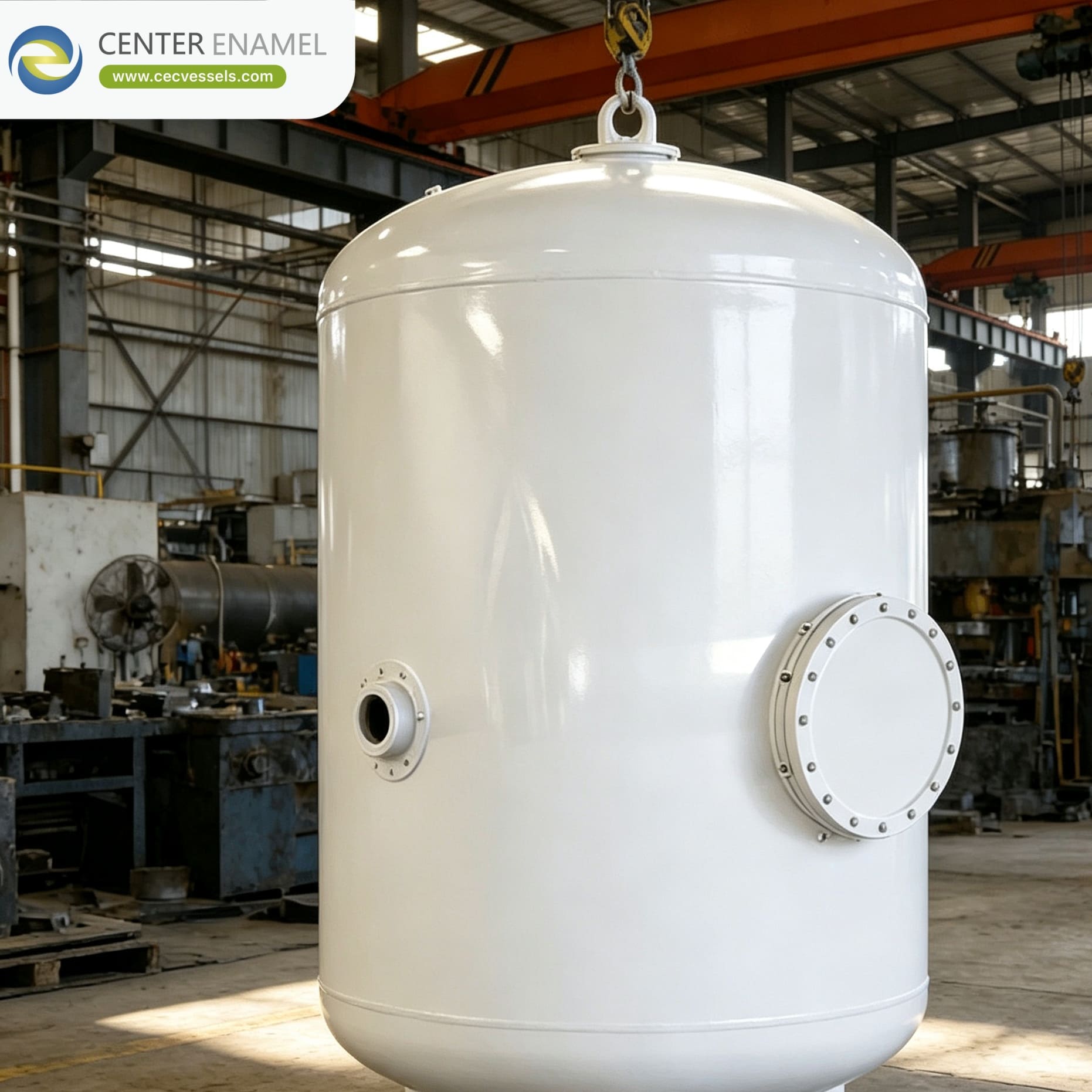
Reactor Pressure Vessel Design of the High Temperature Engineering
A high temperature pressure vesselis specialized industrial equipment designed to contain process materials while maintaining defined operating temperatures and other specified conditions. Its design requires careful coordination of materials, heat transfer systems, structural components, and process controls. In high temperature engineering, the vessel must be suitable for the intended process, operating temperature, material characteristics, and service requirements. A well-designed reactor vessel supports consistent processing, reliable temperature management, and efficient industrial production. What Is a High Temperature Reactor Pressure Vessel?A reactor pressure vessel is a container used in processes where materials undergo chemical, thermal, or other transformations under controlled operating conditions. In high temperature engineering, the vessel design must account for the effects of elevated temperatures on material properties, heat transfer, dimensional stability, and component performance. A high temperature pressure vesselmay be used in chemical processing, thermal research, material synthesis, energy-related applications, and specialized industrial production systems. The vessel typically includes a main shell, end closures, process connections, temperature sensors, and associated control equipment. Depending on the application, it may also incorporate an agitator, heating jacket, internal coils, or thermal insulation. The design should be developed according to the intended operating conditions and applicable engineering codes. Temperature, process materials, equipment geometry, and the required service life all influence the final configuration. Key Design Considerations for High Temperature Pressure Vessels1. Material SelectionMaterial selection is one of the most important aspects of high temperature pressure vesseldesign. Elevated temperatures can change the mechanical properties of metals, including their strength, stiffness, and resistance to deformation over time. Common material options may include carbon steel, stainless steel, and specialized heat-resistant alloys. The appropriate material depends on the operating temperature, process media, required corrosion resistance, and applicable design standards. Stainless steel is widely used in industrial processing because of its durability, fabrication characteristics, and compatibility with many process environments. Specialized alloys may be considered for applications that require particular high-temperature performance. Engineers should evaluate material properties at the intended operating temperature rather than relying exclusively on room-temperature data. Material certificates, fabrication procedures, and inspection requirements should also be considered during equipment specification. 2. Structural Configuration and GeometryThe vessel's geometry influences its structural behavior, internal volume, heat transfer characteristics, and installation requirements. Common configurations include vertical cylindrical vessels, horizontal vessels, and specialized reactor designs developed for particular processes. Cylindrical shells with suitable end closures are widely used because their geometry can provide efficient load distribution when designed according to the relevant engineering requirements. The vessel dimensions should reflect the required working volume, available installation space, material flow, and process arrangement. Design calculations typically consider the vessel shell, end closures, supports, connections, and other structural components. Where applicable, engineers must also evaluate thermal expansion and the interaction between connected piping and the vessel. For a high temperature pressure vessel, geometry and structural details should be reviewed together with the intended operating conditions to establish a suitable equipment configuration. 3. Thermal Management and Temperature ControlThermal management is essential for high temperature engineering because temperature directly affects process performance and material behavior. A reactor vessel may use electric heating, a circulating thermal medium, steam, or another suitable heat source. The heating method depends on the required temperature range, heating rate, process characteristics, and available utilities. Temperature sensors measure conditions at selected locations, while control systems regulate the heat input according to the process requirements. Depending on the application, multiple sensors may be installed to monitor temperature distribution throughout the equipment. Thermal insulation can reduce unwanted heat loss and help maintain more stable operating conditions. Its design should account for the vessel temperature, insulation material properties, maintenance access, and the surrounding installation environment. Engineers should also consider thermal expansion during heating and cooling cycles. Appropriate support arrangements, connection details, and material selection help accommodate dimensional changes during normal operation. 4. Heating Surface and Heat Transfer DesignHeat transfer performance affects how efficiently a reactor vessel reaches and maintains its target temperature. Depending on the process, heat can be transferred through the vessel wall, an external jacket, internal coils, or another engineered heat exchange arrangement. The required heat transfer area depends on the process material, vessel volume, heating medium, and desired processing time. For vessels containing viscous liquids, agitation may help improve heat distribution by moving material between warmer and cooler regions. Impeller selection and operating speed should be matched to the material properties and mixing objectives. In processes involving temperature-sensitive ingredients, consistent heat transfer can support product quality and repeatable production. Engineers should therefore evaluate heating capacity, material circulation, insulation, and temperature measurement as parts of one integrated system. 5. Instrumentation and Process ControlInstrumentation provides the information required to monitor the operating condition of a high temperature pressure vessel. Typical instruments include temperature sensors, pressure indicators, flow meters, and other devices selected according to the application. More complex systems may include automated controllers, data recording functions, and process monitoring interfaces. A temperature control system can adjust the heating output to maintain the specified process range. Additional instruments may monitor the flow of heating media or other relevant operating parameters. The placement of sensors is important because measurements should represent the conditions that matter to the process. Their range, accuracy, installation method, and suitability for the operating environment should be considered during the design stage. Control system specifications should also reflect the intended operating procedure and applicable equipment requirements. 6. Fabrication, Inspection, and Quality AssuranceThe performance of a reactor vessel depends not only on its design calculations but also on manufacturing quality. Fabrication activities may include material preparation, forming, welding, machining, surface finishing, and component assembly. The selected procedures should be appropriate for the vessel material and the applicable manufacturing standards. Inspection and quality assurance activities can include material traceability, dimensional checks, weld examinations, and other verification procedures required by the governing code and project specification. For equipment intended for elevated-temperature service, engineers should ensure that the selected materials, welding procedures, and fabrication details are suitable for the specified operating conditions. Documentation should record relevant design parameters, material information, inspection results, and equipment specifications. This information supports installation, maintenance planning, and long-term equipment management. Industrial Applications of High Temperature Reactor VesselsHigh temperature pressure vesselsserve a variety of industrial and research applications. Chemical processing:Specialized reactor vessels support chemical synthesis, thermal processing, and selected catalytic reactions. Materials research:Laboratory and pilot-scale vessels provide controlled environments for studying material transformations and process behavior at elevated temperatures. Petrochemical production:Suitable reactor equipment can be integrated into processes that require controlled thermal conditions and specific material compatibility. Energy research:Specialized vessels may be used in thermal experiments and selected energy-related engineering systems, depending on their design and applicable requirements. Advanced materials manufacturing:Certain processes used to produce or modify industrial materials require carefully controlled heating and material handling. Each application has different requirements for temperature, vessel volume, material selection, heat transfer, and instrumentation. Equipment design should therefore begin with a clear definition of the process and its operating conditions. How to Select a Suitable High Temperature Pressure VesselSelecting a suitable high temperature pressure vesselrequires a systematic review of the intended application. First, determine the operating temperature, required working volume, process media, and expected production cycle. These parameters establish the initial design requirements. Next, evaluate material compatibility and high-temperature properties. The selected construction material should match the process environment and applicable design requirements. The heating system should provide sufficient thermal capacity while supporting the required temperature control. Vessel geometry, insulation, and agitation should be evaluated according to heat transfer and material handling needs. Engineers should also identify applicable design codes, fabrication standards, inspection procedures, instrumentation requirements, and maintenance arrangements. For equipment operating under pressure, the design must comply with the relevant pressure vessel code and jurisdictional requirements. Working with an experienced vessel manufacturer helps coordinate these technical factors and develop a configuration suited to the intended industrial application. Advancing High Temperature Engineering Through Better Vessel DesignEffective reactor vessel design brings together structural engineering, material science, thermal management, fabrication quality, and process control. Each element contributes to the vessel's ability to perform its intended function under defined operating conditions. For applications involving a high temperature pressure vessel, careful evaluation of materials, geometry, heating systems, instrumentation, and applicable engineering standards provides the foundation for appropriate equipment selection. By aligning vessel specifications with actual process requirements, manufacturers and engineers can support consistent thermal performance, efficient production, and reliable equipment operation across a wide range of high temperature industrial applications.
|