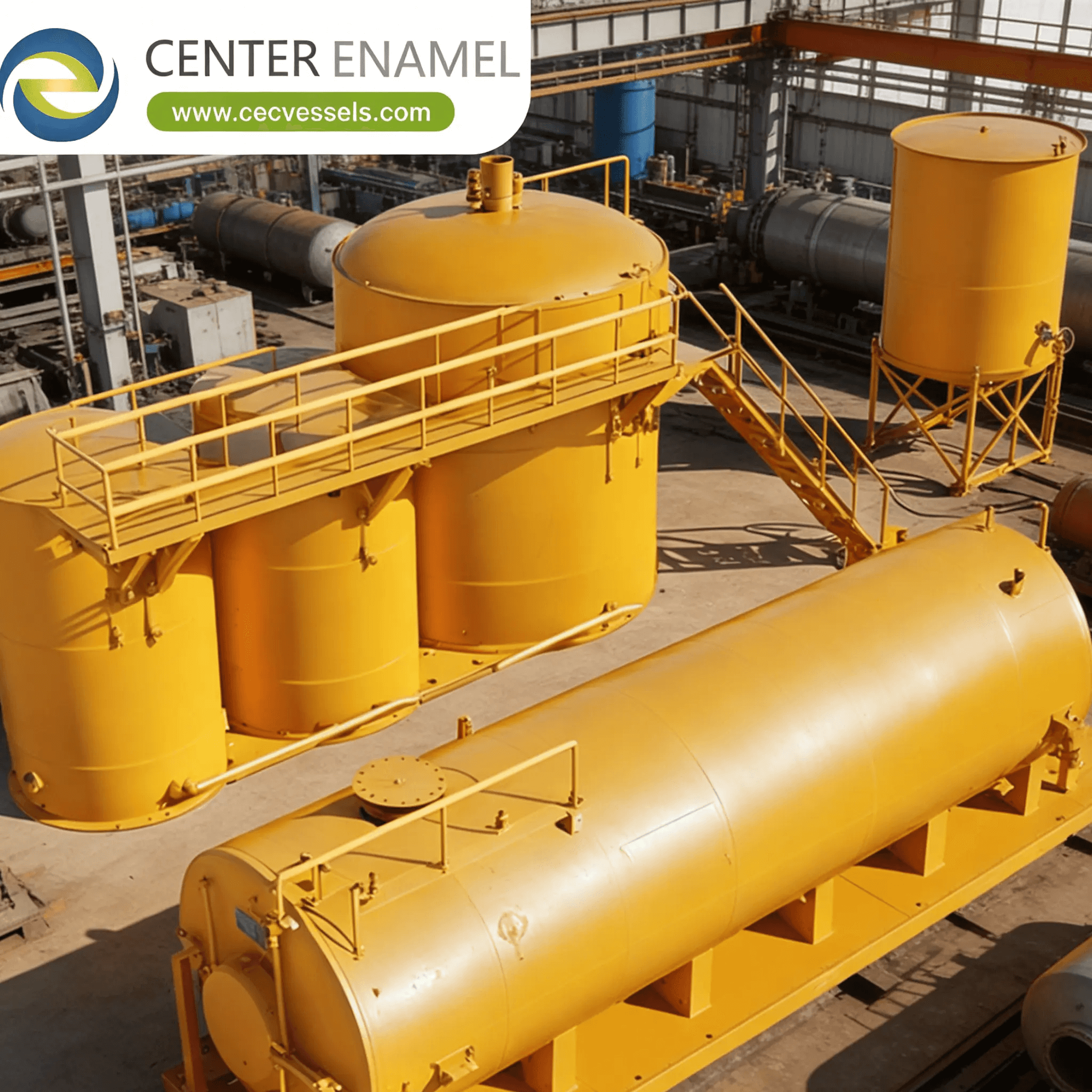
How Does a Polymerization Reactor Work?
A polymerization reactor is a process vessel where monomers are converted into polymers through a controlled chemical reaction. It provides the required environment for mixing raw materials, controlling temperature, managing feed rates, and maintaining suitable reaction conditions. In industrial production, polymerization reactors can operate in batch, semibatch, or continuous modes. The selected configuration depends on the polymerization process, production capacity, material properties, reaction kinetics, and required polymer characteristics. ScienceDirect identifies batch, semibatch, continuous stirred-tank, loop, tubular, and other reactor configurations as important options for polymer manufacturing. How Does a Polymerization Reactor Work? The basic working process begins with the preparation and introduction of monomers and other required materials. Depending on the polymerization process, these materials may include initiators, catalysts, solvents, comonomers, additives, or dispersion media. Once the materials enter the reactor, the agitator or circulation system distributes them throughout the reaction zone. Temperature is controlled according to the selected polymerization conditions, while sensors monitor important process parameters. The polymerization reaction then converts monomers into longer polymer chains. As the reaction progresses, the composition and physical properties of the reaction mixture can change. The control system adjusts selected operating parameters to maintain the required conditions. After the desired reaction stage is completed, the polymer product is transferred to subsequent separation, purification, drying, or finishing operations within the polymerization plant. What Happens Inside a Polymerization Reactor? Several processes take place simultaneously inside a polymerization reactor. Raw materials are mixed, chemical reactions occur, heat is transferred, and the physical properties of the reaction mixture change over time. The monomer molecules react to form polymer chains. Depending on the polymerization method, the reaction may occur in a solution, suspension, emulsion, or other reaction medium. As polymer chains grow, viscosity may increase. This change influences the movement of the reaction mixture and the performance of the mixing system. For this reason, reactor operation is not simply a matter of adding materials and waiting for the reaction to finish. Mixing, temperature, feed rate, and reaction time must be coordinated throughout the process. ScienceDirect notes that viscosity changes can influence heat transfer, mixing, mass transfer, and residence-time behavior during polymerization. How Does Mixing Work in a Polymerization Reactor? Mixing is one of the main functions of a polymer reactor. An agitator creates fluid movement inside the vessel and distributes materials throughout the reaction zone. Good mixing helps maintain relatively uniform concentrations and temperatures. It can also support the dispersion of different phases, such as liquid droplets or suspended polymer particles, depending on the polymerization process. The agitator design should match the characteristics of the reaction mixture. Impeller type, rotation speed, motor capacity, reactor geometry, and viscosity all affect mixing performance. For low-viscosity materials, turbine-type or similar impellers may provide suitable circulation. As viscosity increases, the reactor may require an agitator designed specifically for more viscous materials. ScienceDirect describes mixing, agitation, suspension, and dispersion as important functions of agitators in polymerization reactors. How Does Temperature Control Work? Temperature control is another essential part of polymerization reactor operation. Polymerization reactions are affected by temperature, and temperature changes can influence reaction rate and polymer properties. A polymerization reactor may use a jacket, internal heat-transfer surfaces, or an external circulation system to provide heating or cooling. During operation, temperature sensors measure the reaction mixture and send information to the control system. The system can then adjust the heating or cooling medium according to the required operating temperature. Maintaining a controlled temperature helps create stable reaction conditions throughout the production cycle. Research on polymerization reactor control also shows that reactor temperature can be used to influence important polymer characteristics such as conversion and molecular weight distribution. How Are Materials Fed Into a Polymerization Reactor? Material feeding depends on the reactor type and polymerization process. In a batch polymerization reactor, the main raw materials may be charged before the reaction begins. Additional ingredients can be introduced at selected stages when required. In a semibatch polymerization reactor, one or more materials can be continuously or intermittently fed into the vessel during the reaction. This allows the concentration of selected components to be controlled over time. Continuous polymerization reactors receive feed continuously while product is removed continuously or at a controlled rate. Feed systems may include storage tanks, pumps, flow meters, valves, and automated control systems. Accurate feed control helps maintain stable reaction conditions and supports consistent product properties. What Types of Polymerization Reactors Are Used? Different reactor configurations provide different operating characteristics. Batch reactors are often suitable for small-to-intermediate production volumes, specialty polymers, and applications requiring flexible production. Semibatch reactors provide additional control over the timing and rate of material addition. Continuous stirred-tank reactors provide continuous material flow with agitation throughout the reaction volume. Multiple stirred tanks can also be connected in series to provide different reaction stages. Loop reactors use circulation to move the reaction mixture through a reactor loop. Tubular reactors provide continuous flow through a defined reactor path and can contain different heating and cooling zones. The appropriate reactor configuration depends on the polymerization process, production scale, reaction medium, heat-transfer requirements, and desired polymer properties. How Does Residence Time Affect Polymerization? Residence time refers to the amount of time that material remains within the reaction system. It is particularly important for continuous polymerization. The reactor volume and feed rate influence the average residence time. Reactor configuration and mixing behavior also influence how long individual portions of material remain inside the reactor. A suitable residence time allows the polymerization reaction to reach the desired conversion level while providing the required polymer characteristics. In a batch reactor, reaction time is generally controlled by the production cycle. In continuous systems, residence time is associated with the reactor volume and material flow. Therefore, residence time is an important parameter when designing and operating a polymerization reactor. How Does a Polymerization Reactor Fit Into a Polymerization Plant? A polymerization reactor is normally one part of a larger polymerization plant. The complete production system may include raw material storage, purification, feeding, polymerization, separation, recovery, drying, blending, and product packaging. Before entering the reactor, raw materials may need to be purified or prepared according to the polymerization process. After the reaction, the polymer product may require separation from solvents, water, unreacted materials, or other process components. The reactor therefore needs to be integrated with upstream and downstream equipment. A well-designed polymerization plant coordinates material flow, heat transfer, process monitoring, and production scheduling between these different units. How Is a Polymerization Reactor Controlled? Modern polymerization reactors can use sensors and automated control systems to monitor temperature, flow, liquid level, agitator speed, and other process variables. The control system collects process information and compares it with the required operating conditions. Adjustments can then be made to heating, cooling, feeding, agitation, or other equipment. Online monitoring is particularly useful because some polymer properties are difficult to measure directly during the reaction. Process measurements can provide indirect information about reaction progress and help maintain consistent operating conditions. What Determines the Performance of a Polymerization Reactor? The performance of a polymerization reactor depends on the interaction between several factors. Reactor configuration determines how materials move through the system. Mixing affects concentration and temperature distribution. Temperature control influences reaction rate and polymer properties. Feed control determines how reactants enter the reaction zone. The physical properties of the reaction mixture also change during polymerization. Increasing viscosity can influence mixing and heat transfer, so the reactor and agitator should be selected according to the complete operating range rather than only the initial material condition. How Can Polymerization Reactors Support Consistent Production? Consistent polymer production requires the reactor to maintain controlled conditions throughout the reaction cycle. The polymerization reactor must provide suitable mixing, temperature management, material feeding, and process monitoring. The reactor configuration should also match the production method. Batch systems can provide flexibility, while continuous systems can support large-volume production with stable material flow. Within a modern polymerization plant, the reactor works together with upstream and downstream equipment to form an integrated production system. Understanding Polymerization Reactor Operation A polymerization reactor works by providing a controlled environment where monomers and other raw materials can react and form polymer chains. Mixing distributes the materials, temperature-control systems manage thermal conditions, and feed systems regulate the addition of process materials. Batch, semibatch, continuous stirred-tank, loop, and tubular reactors can be selected according to different polymerization requirements. Each configuration provides a different combination of mixing, residence time, heat transfer, and production characteristics. For an industrial polymerization plant, the reactor is the central processing unit connecting material preparation with downstream polymer separation and finishing. By coordinating reactor design, agitation, temperature control, feeding, and process monitoring, manufacturers can achieve stable polymerization conditions and consistent polymer production.
|