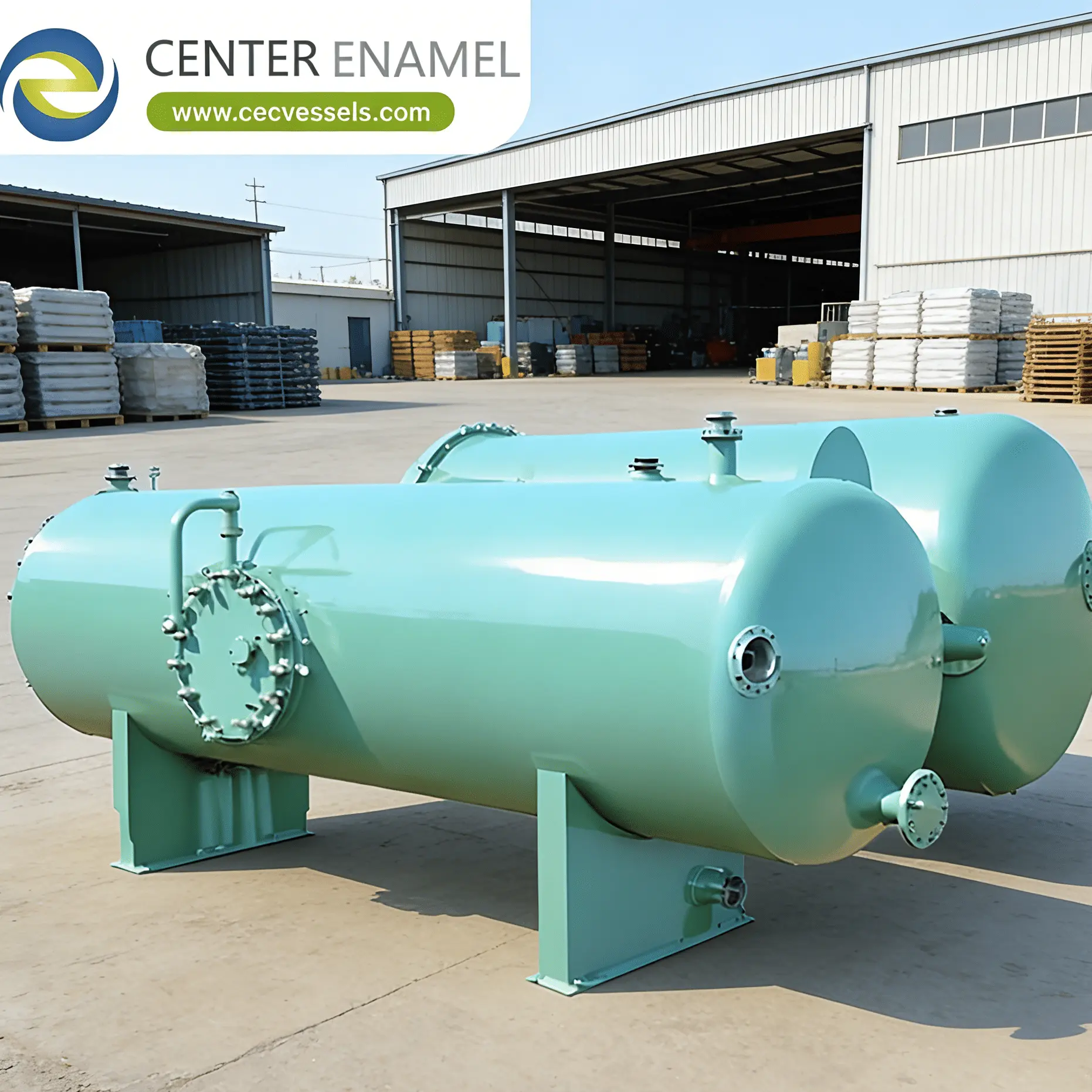
What is a Reactor and How Does it Work in Modern Technology
A reactor in modern technology is an engineered vessel designed to facilitate, contain, and control chemical, physical, or biological transformations under precise environment parameters.
Modern industrial processing relies heavily on advanced reaction systems to convert raw materials into valuable refined products. Across industries ranging from pharmaceuticals and advanced materials to renewable energy and specialty chemicals, reactors serve as the central hub of production. Rather than acting as simple holding tanks, contemporary reactors are sophisticated systems integrating fluid dynamics, thermal management, precision agitation, and digital automation.
Understanding the Fundamentals of Modern Reactors
At its core, a reactor provides an optimized environment where substances interact under controlled conditions. The fundamental objective of any reactor design is to maximize reaction efficiency, product yield, and consistency while maintaining total control over process variables such as temperature, agitation speed, flow rate, and residence time.
In traditional industrial settings, chemical reactions often occurred in basic open or closed vessels with manual oversight. Today, modern technology reactors utilize closed-loop feedback systems, specialized geometry, and continuous monitoring to ensure that molecular interactions proceed along intended pathways. By maintaining strict control over internal fluid dynamics and thermal gradients, these systems eliminate unwanted side reactions and improve the purity of the end output.
How a Modern Technology Reactor Works
The operation of a modern reactor involves several integrated physical and chemical processes working simultaneously. When reactants are introduced into the vessel, the reactor system regulates their physical state, spatial distribution, and kinetic energy.
Controlled Reactant Feed and Dosing
The reaction cycle begins with precise fluid or solid introduction. Modern reactors utilize automated dosing systems equipped with mass flow meters and proportioning pumps. This ensures that stoichiometry remains exact throughout the batch or continuous cycle, preventing localized imbalances that could skew reaction kinetics.
Thermal Energy Transfer
Chemical reactions either absorb thermal energy or release it. A modern reactor manages this heat exchange using internal coils, external jackets, or integrated heat exchangers. Circulating heat transfer fluids maintain uniform temperatures across the entire liquid volume, ensuring that kinetic rates remain consistent from the core of the vessel to its internal walls.
Agitation and Homogenization
Uniform mixing is critical for efficient molecular collisions. Impellers, turbines, and specialized agitator blades are selected based on fluid viscosity and rheological properties. Advanced impellers create specific flow patterns, such as axial or radial flow, ensuring that reactants, catalysts, and thermal energy are distributed evenly without creating excessive shear force.
Separation and Phase Interaction
Many modern reactions involve multiple phases, such as gas-liquid, liquid-liquid, or solid-liquid systems. Modern reactors incorporate specialized spargers, baffles, and surface dispersion tools to maximize interfacial contact area. For instance, in gas-liquid reactions, micro-spargers break incoming gas streams into microscopic bubbles, drastically increasing mass transfer rates across the phase boundary.
Real-Time Process Monitoring and Outlet Control
Sensors positioned within the reaction zone measure parameters like temperature, pH, conductivity, viscosity, and dissolved oxygen. This data flows continuously into process control units, which make real-time micro-adjustments to heating, cooling, or feed rates. Once the desired conversion efficiency is reached, the product is discharged through automated valves for downstream purification.
Core Structural Components of Modern Reactors
To achieve precise operational control, modern technology reactors combine durable structural materials with high-precision internal mechanisms. Each component plays a vital role in maintaining system performance.
Vessel Shell and Linings The main vessel housing is designed to withstand internal mechanical forces and chemical interaction. High-grade stainless steel, nickel alloys, titanium, and specialized polymer or ceramic linings are common choices. Smooth internal surface finishes prevent product accumulation and facilitate thorough cleaning between process cycles.
Agitation Systems and Drives The agitation assembly consists of a drive motor, mechanical seals, a shaft, and impellers. Variable frequency drives allow operators to tune rotation speeds to exact fluid requirements. Mechanical seals isolate internal processing conditions from external environments, maintaining sterility and preventing volatile compounds from escaping.
Thermal Control Jackets Jackets wrapped around the exterior of the vessel serve as conduits for heating or cooling media. Dimple jackets, half-pipe coils, and conventional jackets provide uniform surface contact, allowing rapid adjustments in temperature to match complex reaction profiles.
Internal Baffles Baffles are vertical plates mounted along the vessel walls. They disrupt unmixed tangential fluid flow and swirl patterns created by the rotating impeller, converting rotational velocity into useful top-to-bottom vertical circulation. This maximizes mixing efficiency and prevents liquid vortex formation.
Instrumentation and Sampling Ports Modern reactors feature multiple access ports along the top head and side walls. These accommodate inline analytical probes, sight glasses, safety relief valves, and automated sampling devices that allow operators to extract samples without interrupting process continuity.
Primary Types of Reactors in Modern Processing
Modern technology reactors are categorized based on their operational mode, flow characteristics, and specific application requirements.
Batch Reactors Batch reactors are self-contained processing units where reactants are loaded, processed, and unloaded sequentially. They offer high flexibility, making them ideal for multi-product facilities, fine chemical synthesis, and pharmaceutical manufacturing where strict batch tracking and clean-in-place operations are required.
Continuous Stirred Tank Reactors Continuous Stirred Tank Reactors operate continuously, with reactants entering and products leaving at constant flow rates. Internal impellers ensure that the contents are thoroughly mixed, resulting in uniform internal properties throughout the vessel volume. These systems are widely used in large-scale chemical production where continuous throughput is necessary.
Plug Flow Reactors In Plug Flow Reactors, reactants pass through a cylindrical tube or pipe at a steady rate. As the fluid travels along the length of the reactor, the transformation progresses continuously. These reactors feature high volumetric conversion rates and excellent surface-to-volume ratios for efficient heat transfer.
Fluidized Bed Reactors Fluidized Bed Reactors utilize a solid catalyst bed suspended by an upward flow of gas or liquid. This fluid-like behavior of the solid bed provides exceptional mixing and thermal distribution, making these systems highly efficient for catalytic gas-phase processing and material conversions.
Bioreactors and Fermenters Bioreactors are specialized modern reactors designed to support living biological systems, such as cell cultures, bacteria, or enzymes. They require delicate agitation to avoid damaging biological structures, precise dissolved oxygen control, and strict sterile containment to foster biological growth and protein synthesis.
Key Technological Advancements in Modern Reactors
The integration of advanced engineering techniques and digital technologies has significantly enhanced the performance, reliability, and precision of modern reactors.
Advanced Automation and Control Systems Modern reactors are governed by Programmable Logic Controllers and Distributed Control Systems running sophisticated process algorithms. These systems continuously adjust operational parameters in real time, reducing human error, optimizing yield, and ensuring batch-to-batch repeatability.
Micro-Reactor Technology Micro-reactors feature channel dimensions in the sub-millimeter range. By reducing the physical scale, the surface-area-to-volume ratio increases dramatically. This enables extremely rapid heat and mass transfer, allowing complex chemical reactions to occur in fractions of the time required by traditional macro-scale vessels.
Digital Twins and Predictive Simulation Engineers now utilize Digital Twin technology to create real-time virtual replicas of physical reactor systems. Combined with Computational Fluid Dynamics modeling, operators can simulate fluid flow patterns, temperature distributions, and reaction kinetics prior to physical execution, optimizing batch recipes and preventing processing bottlenecks.
Modular and Skid-Mounted Architecture Modern industrial design increasingly favors modular reactor systems. Fully assembled on portable skid frames with integrated piping, instrumentation, and control interfaces, these units allow facilities to scale production capacity rapidly and adjust process configurations with minimal downtime.
Applications of Modern Reactors Across Key Industries
Modern reactors are essential equipment across a wide spectrum of technical and industrial sectors.
Pharmaceutical Synthesis In drug development and commercial manufacturing, modern reactors ensure precise control over chemical synthesis pathways. They produce active pharmaceutical ingredients with high purity levels, precise crystal structures, and strict batch consistency required by regulatory bodies.
Specialty Chemicals and Polymers From performance coatings and adhesives to advanced polymers, modern reactors facilitate complex polymerization and molecular restructuring. Precise control over temperature profiles and mixing intensity ensures uniform molecular weight distribution in output materials.
Biotechnology and Healthcare Bioreactors enable the cultivation of cellular lines used to produce vaccines, monoclonal antibodies, therapeutic proteins, and biofuels. Controlled environmental parameters allow biological organisms to thrive and yield high-value products under completely sterile conditions.
Food, Beverage, and Nutraceutical Processing In food and nutritional processing, modern reactors perform controlled enzymatic conversions, extraction, fermentation, and homogenization. Stainless steel construction and sanitary fitting designs ensure compliance with hygiene standards while maintaining flavor profile and nutrient integrity.
Advanced Energy and Environmental Applications Modern technology reactors contribute directly to environmental processing, wastewater treatment, catalytic conversion of industrial emissions, and the development of synthetic fuels. Precision processing enables cleaner output streams and efficient recovery of valuable secondary materials.
Energy Efficiency and Sustainability in Reactor Design
Sustainability is a driving force behind modern reactor engineering. Modern systems are optimized to minimize energy consumption, reduce material waste, and improve resource efficiency.
Optimized Heat Recovery Systems Modern reactor designs integrate internal and external heat recovery loops. Thermal energy generated during exothermic reaction phases is captured and redirected to preheat incoming feed streams or supply heat to adjacent facility operations, significantly lowering total energy consumption.
Enhanced Mixing and Low-Power Impellers Improvements in fluid dynamics modeling have led to high-efficiency impeller designs. These impellers achieve uniform fluid movement and superior mass transfer rates at lower rotational speeds, reducing motor energy requirements and lowering mechanical wear over time.
Waste Reduction Through High Conversion Yields By eliminating hot spots, stagnant zones, and unmixed pockets inside the vessel, modern reactors ensure that a higher percentage of raw reactants convert into desired primary products. This high conversion selectivity minimizes unwanted side-products, reducing downstream purification costs and waste treatment needs.
Selecting and Optimizing the Right Reactor System Choosing the correct reactor system requires a thorough evaluation of processing goals, material characteristics, and operational parameters.
Fluid Properties and Rheology Viscosity, density, surface tension, and non-Newtonian behavior influence impeller selection, drive power requirements, and internal vessel geometry. Highly viscous materials require specialized double-helical or anchor impellers to ensure complete circulation.
Reaction Kinetics and Residence Time The required time for a transformation to reach completion dictates whether a batch or continuous reactor configuration is most suitable. Rapid reactions benefit from continuous flow or micro-reactor formats, whereas slower, complex reactions often favor batch processing.
Thermal Management Demands The magnitude of thermal release or absorption determines the required heat transfer surface area. High thermal flux operations necessitate specialized dimple jackets, internal cooling coils, or high-velocity fluid recirculation loops.
Materials of Construction and Chemical Compatibility
Vessel components must resist chemical interaction with process fluids. Selecting appropriate alloys, ceramics, or protective surface coatings preserves vessel integrity, prevents product contamination, and extends total equipment service life.
Modern technology reactors are sophisticated engineering systems designed to provide precise, repeatable, and efficient control over physical, chemical, and biological transformations. By integrating advanced agitation mechanisms, optimized thermal transfer jackets, automated digital controls, and durable material construction, modern reactors drive progress across pharmaceuticals, biotechnology, chemical manufacturing, and environmental technologies. As industries move toward greater automation, continuous manufacturing, and sustainable resource management, modern reactors will continue to evolve. Through digital integration, micro-scale engineering, and advanced fluid dynamic design, these essential processing vessels remain at the forefront of modern technical innovation.
|