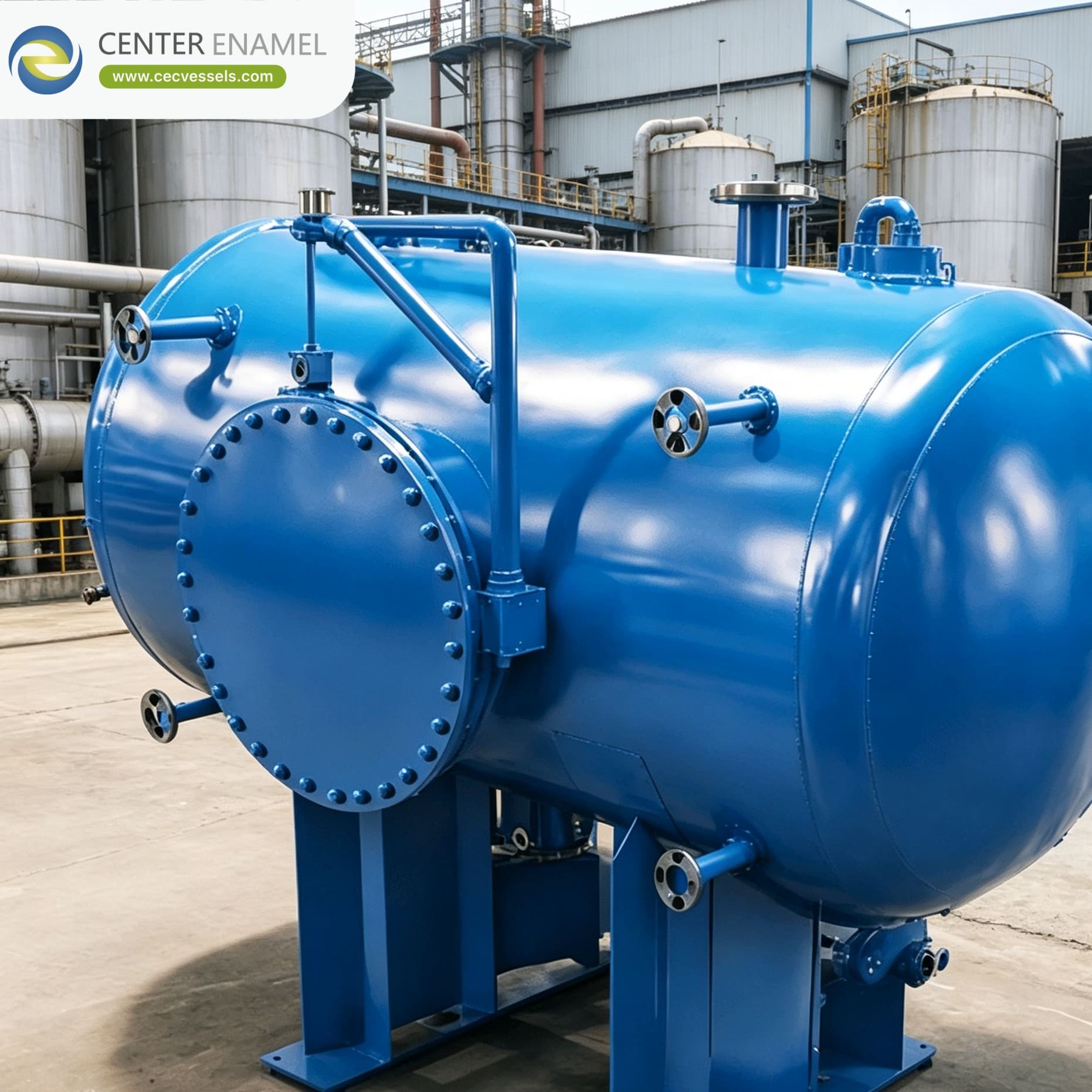
How Is Mechanical Vapor Recompression (MVR) Used Across Different Industries
Mechanical Vapor Recompression (MVR)is an energy recovery technology widely used in industrial evaporation processes. It captures secondary vapor generated during evaporation, compresses it mechanically, and reuses its thermal energy as a heating source. A mechanical vapor recompression evaporatorreduces the need for continuous external steam supply by recycling vapor within the system. This approach helps manufacturers improve thermal efficiency, reduce operating costs, and recover water from industrial liquid streams. Today, MVR evaporator technologyis applied in food processing, chemical manufacturing, pharmaceutical production, wastewater treatment, and other industries that require continuous evaporation and concentration. How Does a Mechanical Vapor Recompression System Work?A mechanical vapor recompression systemoperates through a continuous cycle of evaporation, vapor separation, compression, and heat recovery. The main operating steps include:
lFeed Preheating:Raw liquid enters the system and is preheated through heat exchange with recovered condensate or other process streams. lEvaporation:The liquid receives heat in the evaporator, causing part of it to evaporate. lVapor Separation:A vapor separator removes liquid droplets from the generated secondary vapor. lMechanical Compression:A compressor increases the vapor temperature using mechanical energy supplied by an electric motor. lHeat Recovery:The compressed vapor transfers its latent heat to the incoming liquid through a heat exchanger. lProduct Concentration:The remaining liquid becomes more concentrated and is discharged when the target concentration is reached.
This process allows the system to reuse thermal energy that would otherwise be lost during conventional evaporation. How Is MVR Used in Different Industries?The flexibility of mechanical vapour recompressionmakes it suitable for different industrial processes. Equipment configuration, heat transfer design, and operating conditions can be adjusted according to material properties and production requirements. 1. Food and Beverage Industry<AsyncImage query="industrial MVR evaporator food beverage milk fruit juice concentration processing plant" aspectRatio="16:9" width="100%"/> The food and beverage industry is one of the major application areas for MVR evaporators. Many food products require water removal to increase concentration, reduce transportation volume, or prepare materials for subsequent processing. Typical applications include:
lMilk Concentration:Removing water from milk to produce concentrated dairy products. lFruit Juice Processing:Concentrating apple, orange, and other fruit juices while maintaining suitable product quality. lSugar Processing:Concentrating sugar solutions before crystallization. lWhey Processing:Recovering and concentrating valuable components from dairy processing streams. lFood Wastewater Treatment:Reducing wastewater volume and recovering reusable water.
MVR systems can be integrated with falling film evaporators, which are suitable for many heat-sensitive food materials because of their relatively short residence time. 2. Chemical Manufacturing Industry<AsyncImage query="industrial chemical MVR evaporation system stainless steel evaporator chemical plant" aspectRatio="16:9" width="100%"/> Chemical manufacturing frequently involves the concentration of liquid solutions and the recovery of useful materials. A mechanical recompression evaporatorcan support these operations by recycling the heat generated during evaporation. Common applications include:
lConcentration of inorganic chemical solutions. lSodium sulfate and sodium chloride processing. lFertilizer solution concentration. lRecovery of valuable chemical components. lChemical wastewater treatment. lPreparation of concentrated solutions for crystallization.
Depending on the chemical composition and viscosity of the feed, manufacturers can select falling film or forced circulation evaporation configurations. 3. Pharmaceutical Industry<AsyncImage query="pharmaceutical stainless steel industrial MVR evaporator clean processing equipment" aspectRatio="16:9" width="100%"/> In pharmaceutical manufacturing, evaporation is used to concentrate solutions, recover process water, and separate useful materials. A mechanical vapor recompression systemcan be applied to:
lPharmaceutical intermediate concentration. lProcess water recovery. lPurification-related evaporation processes. lConcentration of suitable aqueous solutions. lRecovery of selected solvents through compatible system designs.
For pharmaceutical applications, equipment design should consider material compatibility, internal surface finishing, cleaning procedures, and process consistency. Stainless steel 316L is commonly considered for equipment requiring suitable corrosion resistance and cleanable product-contact surfaces. 4. Industrial Wastewater Treatment<AsyncImage query="industrial wastewater MVR evaporator zero liquid discharge treatment plant" aspectRatio="16:9" width="100%"/> MVR evaporator technologyplays an important role in industrial wastewater concentration and water recovery. Industrial wastewater may contain dissolved salts, organic compounds, and other substances that require separation or concentration before further treatment. Typical applications include:
lChemical plant wastewater concentration. lHigh-salt wastewater treatment. lIndustrial process water recovery. lMetal processing wastewater treatment. lLeachate concentration. lZero Liquid Discharge (ZLD) projects.
In ZLD systems, an MVR evaporator can be integrated with pretreatment equipment, membrane concentration systems, crystallizers, and solid-liquid separation equipment. This arrangement helps reduce wastewater volume while recovering water for potential reuse. 5. Salt and Brine Processing<AsyncImage query="industrial salt brine MVR evaporation crystallization production equipment" aspectRatio="16:9" width="100%"/> Salt production requires the concentration of brine to increase dissolved salt content and support crystallization. A mechanical vapor recompression evaporatorcan be used to concentrate brine before it enters a crystallizer. Common applications include:
lSodium chloride production. lSodium sulfate concentration. lIndustrial brine treatment. lSalt recovery from wastewater. lChemical salt crystallization.
Forced circulation MVR evaporators are frequently considered for these applications because they can handle concentrated liquid streams and integrate with crystallization equipment. 6. Petrochemical and Solvent Recovery Industry<AsyncImage query="industrial solvent recovery MVR vapor recompression distillation chemical processing equipment" aspectRatio="16:9" width="100%"/> In petrochemical and chemical processing facilities, MVR technology can support selected distillation and solvent recovery processes. Typical applications include:
lEthanol and methanol processing. lRecovery of suitable organic solvents. lConcentration of process liquid streams. lVapor recovery and thermal energy reuse. lSelected distillation operations.
The design of a mechanical vapor recompression systemfor solvent applications requires careful evaluation of vapor composition, material compatibility, compressor selection, and condensation characteristics. 7. Pulp and Paper Industry<AsyncImage query="industrial pulp paper mill evaporation plant black liquor evaporator equipment" aspectRatio="16:9" width="100%"/> The pulp and paper industry uses evaporation to concentrate process liquids and support chemical recovery operations. MVR technology can be considered for suitable evaporation duties involving:
lProcess water recovery. lConcentration of selected industrial liquid streams. lWastewater volume reduction. lThermal energy recovery in evaporation processes.
The final configuration depends on the composition of the process liquid, evaporation capacity, and integration with existing plant utilities. What Are the Main Benefits of MVR Evaporator Technology?Compared with conventional steam-based evaporation, MVR evaporator technologyoffers several important advantages.
Actual energy savings depend on feed characteristics, evaporation capacity, compressor efficiency, electricity prices, and operating conditions. How to Select a Suitable MVR Evaporator?Selecting the right MVR evaporatorrequires an understanding of the production process and material properties. Important factors include:
lFeed Composition:Identify the chemical characteristics and solid content of the raw liquid. lEvaporation Capacity:Determine the required water evaporation rate per hour. lInitial and Final Concentration:Establish the required concentration range. lMaterial Viscosity:Select an appropriate falling film or forced circulation design. lOperating Temperature:Determine the suitable evaporation temperature. lCompressor Selection:Match compressor capacity with the required vapor flow rate. lConstruction Material:Choose stainless steel or other compatible materials. lSystem Configuration:Consider connections with pretreatment, crystallization, and condensate recovery equipment. A customized engineering design helps ensure that the MVR system matches the actual production requirements. Frequently Asked Questions About Mechanical Vapor RecompressionQ1: Which industries commonly use MVR evaporators? MVR evaporators are widely used in food and beverage processing, chemical manufacturing, pharmaceutical production, wastewater treatment, salt production, petrochemicals, and pulp and paper processing. Q2: What is the difference between MVR and traditional steam evaporation? Traditional evaporation mainly uses external steam as its heating source. MVR captures and mechanically compresses secondary vapor, allowing its thermal energy to be reused. Q3: Does a mechanical vapor recompression evaporator require external steam? External steam is generally used during startup. Once the system reaches stable operation, recompressed secondary vapor provides most of the heating energy. Q4: Can MVR technology be used for wastewater treatment? Yes. MVR systems can concentrate industrial wastewater, recover water, and reduce liquid discharge volumes. They are also used in integrated ZLD projects. Q5: What is the difference between steam MVR and TVR? Steam MVR uses a mechanical compressor powered by electricity or another mechanical drive. Thermal Vapor Recompression (TVR) uses a steam ejector to recover and recompress vapor. Q6: What information is needed for an MVR evaporator quotation? Important information includes feed composition, processing capacity, initial concentration, target concentration, evaporation temperature, material properties, and required condensate quality. MVR Technology for Efficient Industrial EvaporationMechanical vapor recompression technologyprovides an effective way to improve industrial evaporation efficiency by recovering and reusing secondary vapor. From food concentration and chemical manufacturing to pharmaceutical processing and wastewater treatment, MVR systems support a wide range of industrial production requirements. Choosing the appropriate mechanical vapor recompression evaporatorrequires careful consideration of material properties, evaporation capacity, compressor performance, and process integration. With a suitable equipment configuration, manufacturers can improve energy utilization, recover water, and optimize the operation of industrial evaporation systems.
|