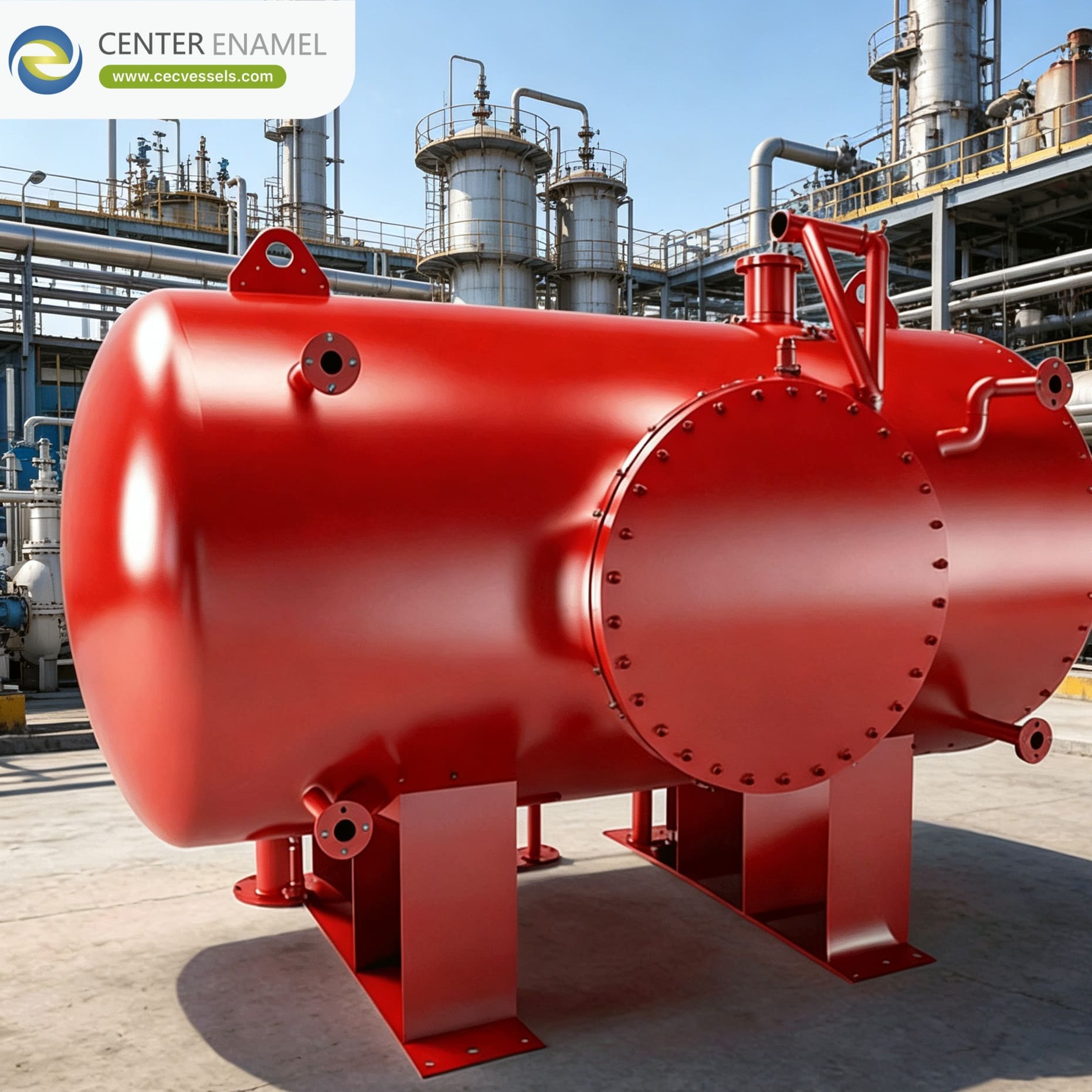
How Thermal Management Improves Process Consistency in Battery Manufacturing
Battery manufacturing involves multiple processes that require precise temperature control to achieve consistent product quality. From electrode preparation to cell assembly, temperature variations can influence material properties, reaction rates, and production efficiency. Effective thermal management helps manufacturers maintain stable operating conditions, improve process repeatability, and support reliable battery production. Why Thermal Management Matters in Battery ManufacturingThermal management in battery manufacturingrefers to controlling and monitoring temperature throughout different production stages. Many battery materials and chemical processes respond to temperature changes, making stable thermal conditions essential for consistent manufacturing results. For example, electrode slurry preparation requires controlled material conditions to support uniform mixing and coating performance. During drying, temperature affects solvent evaporation and the condition of the coated electrode. In other production stages, controlled heating and cooling help maintain suitable conditions for material treatment and equipment operation. A well-designed thermal management system integrates cooling equipment, heat exchangers, temperature sensors, circulation pumps, and process control devices. Together, these components help maintain specified temperature ranges and reduce variations between production batches. Key Manufacturing Processes That Require Temperature ControlBattery Material ProcessingBattery material processingincludes mixing, dispersion, material preparation, and other operations used to produce electrode materials and related compounds. Temperature control during these stages helps maintain consistent material characteristics. During slurry mixing, mechanical energy generates heat that can change the viscosity of the mixture. Excessive temperature variation may affect mixing behavior and the uniformity of the resulting slurry. Cooling jackets, external heat exchangers, and temperature-controlled circulation systems can help maintain the required processing conditions. For manufacturers producing cathode and anode materials, selecting suitable cooling equipment supports stable material preparation and repeatable production procedures. Electrode Coating and DryingElectrode coating applies a prepared slurry to a metal current collector. The coated material then passes through a drying process to remove the required amount of solvent. Temperature distribution within the drying equipment influences solvent evaporation and the final condition of the electrode coating. Consistent thermal conditions help manufacturers maintain more uniform drying results across the electrode surface. Thermal management solutions may include controlled heating zones, exhaust heat management, and temperature monitoring systems. Coordinating these elements helps maintain repeatable drying conditions and supports consistent electrode quality. Battery Material SynthesisSome battery manufacturing processes involve chemical reactions, crystallization, or thermal treatment to prepare active materials. These operations require carefully controlled temperature profiles to support the desired material properties. Industrial reactors equipped with heating and cooling systems can regulate process temperatures according to established production procedures. Heat exchangers and circulation systems help transfer thermal energy between the process and the utility system. Consistent temperature control allows manufacturers to reproduce validated operating conditions across batches, supporting more predictable material characteristics. Cell Formation and AgingAfter cell assembly, battery cells may undergo formation and aging procedures. Formation involves controlled charging and discharging to establish the electrochemical behavior of the cell, while aging allows manufacturers to evaluate cell performance over a defined period. Temperature monitoring and appropriate cooling arrangements help maintain consistent environmental conditions during these stages. Reliable thermal control supports repeatable testing procedures and helps manufacturers compare cell performance under similar conditions. How Battery Production Cooling Systems Improve ConsistencyBattery production cooling systemshelp remove unwanted heat from manufacturing equipment and maintain stable process temperatures. Their configuration depends on the production process, heat load, operating temperature, and facility requirements. Maintaining Stable Process TemperaturesA properly designed cooling system helps prevent unnecessary temperature fluctuations during production. Cooling capacity should match the heat generated by equipment, mixing operations, and material processing. Chillers, industrial coolers, heat exchangers, and temperature-controlled circulation units can work together to provide the required cooling performance. Maintaining stable temperatures helps production teams follow established process parameters and achieve more repeatable results. Improving Temperature UniformityTemperature consistency involves more than controlling the average temperature. Some processes also require uniform temperature distribution throughout the equipment or material. For example, a mixing vessel may require effective heat transfer across its working volume. A reactor jacket or internal heat-transfer surface can help distribute heating or cooling more evenly, depending on the equipment design. Engineers should evaluate heat-transfer area, circulation flow, equipment geometry, and sensor placement when designing thermal control systems. Supporting Continuous ProductionContinuous battery manufacturing depends on stable operating conditions across interconnected production stages. Changes in one process can affect downstream operations, making coordinated temperature control important. Automated cooling systems can adjust operating parameters in response to temperature measurements and changing process loads. This approach helps production lines maintain suitable thermal conditions as throughput changes. Coordinating cooling equipment with manufacturing controls also helps operators identify process variations and maintain consistent operating procedures. Improving Energy EfficiencyThermal management influences both product consistency and energy consumption. Oversized cooling equipment, unnecessary circulation, and poorly coordinated control settings may increase utility demand. Manufacturers can improve efficiency by matching cooling capacity to actual process requirements, using suitable heat exchangers, and optimizing pump operation. Where appropriate, variable-speed drives and automated temperature controls can adjust equipment operation according to changing loads. Efficient thermal management supports stable manufacturing conditions while helping control operating costs. Common Equipment Used in Battery Thermal ManagementSeveral types of industrial equipment contribute to temperature control throughout battery manufacturing. Industrial reactorsprovide controlled environments for material synthesis and chemical processing. Depending on the application, they may incorporate heating jackets, cooling jackets, internal coils, and temperature sensors. Industrial coolers and chillersremove heat from process fluids and supply cooling at the temperatures required by production equipment. They can serve mixing vessels, reactors, and other temperature-sensitive operations. Heat exchangerstransfer thermal energy between separate fluid streams. Plate, shell-and-tube, and other heat exchanger designs can be selected according to fluid properties, heat duty, and installation requirements. Mixing vessels with temperature controlsupport the preparation of electrode slurries and other battery-related materials. Integrated heating or cooling arrangements help maintain suitable material temperatures during mixing. Circulation pumps and control instrumentssupport coolant movement and temperature monitoring. Proper coordination between pumps, valves, sensors, and control systems helps maintain predictable thermal performance. Selecting equipment according to the specific process requirements allows manufacturers to establish a more integrated and reliable thermal management system. Best Practices for Consistent Thermal PerformanceManufacturers can improve thermal consistency by combining suitable equipment design with effective operating procedures. First, define the required temperature range for each manufacturing stage. Different materials and processes may require different thermal conditions, so a single temperature setting should not be applied across the entire production line without evaluation. Second, select cooling equipment according to the actual heat load and required temperature difference. Engineers should consider peak production demand, continuous operating conditions, fluid properties, and future capacity requirements. Third, install temperature sensors at representative locations. Accurate measurements help operators understand actual process conditions and identify deviations from established operating parameters. Fourth, establish regular inspection and maintenance procedures for heat exchangers, pumps, valves, and temperature control instruments. Maintaining clean heat-transfer surfaces and checking instrument accuracy help preserve system performance. Finally, use production data to evaluate temperature trends and compare results between batches. Monitoring process temperatures alongside product quality indicators helps manufacturers identify opportunities to improve process repeatability. Building More Consistent Battery Manufacturing ProcessesThermal managementis an essential part of modern battery manufacturing, influencing material preparation, electrode production, thermal treatment, and cell formation. By integrating appropriate battery production cooling systems, industrial reactors, heat exchangers, and temperature monitoring equipment, manufacturers can maintain stable operating conditions and improve process repeatability. A well-planned thermal management strategy supports consistent product quality, efficient resource use, and reliable long-term production performance.
|