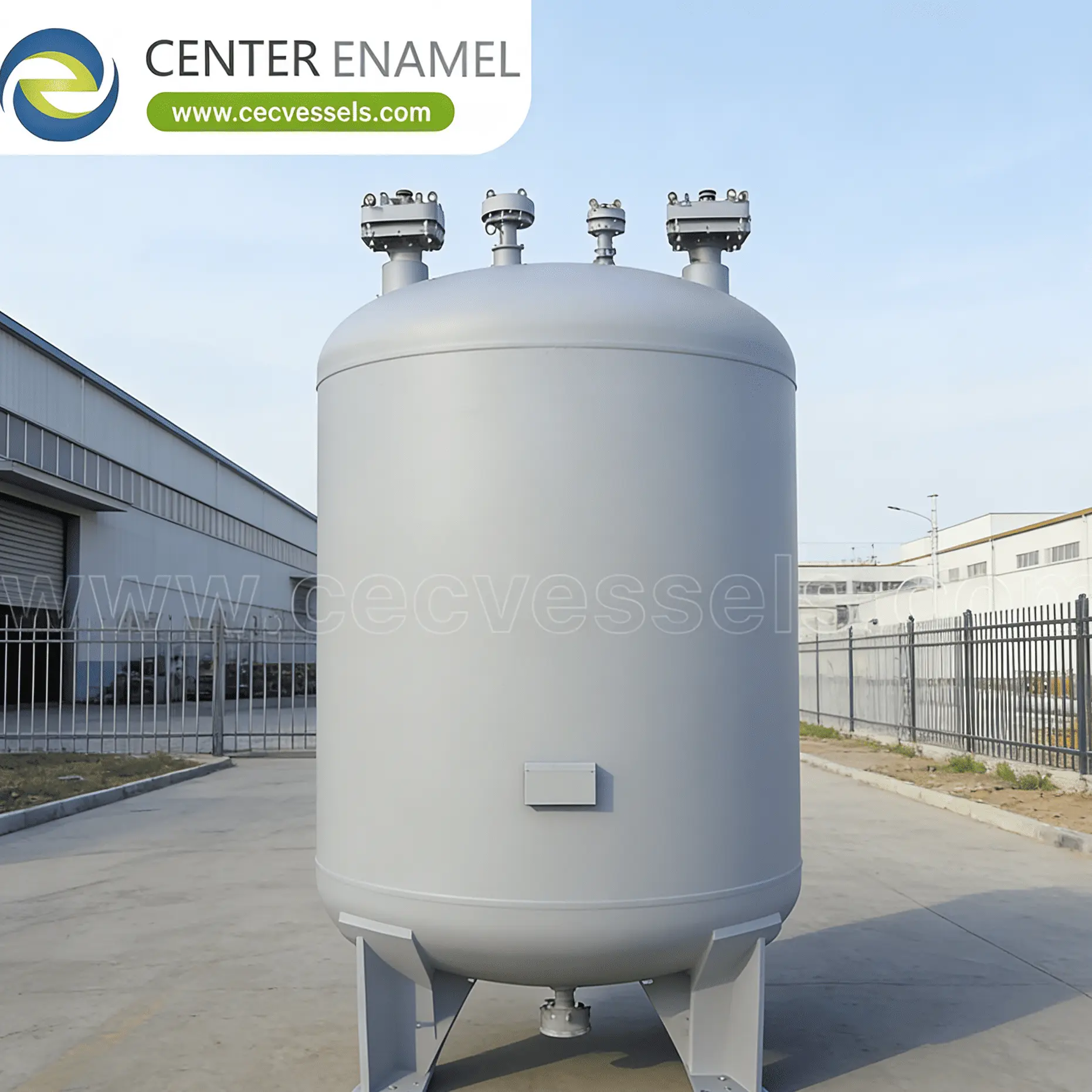
Hydrogenation Reactor: Design, Working Principle, And Applications
Modern industrial chemical manufacturing relies heavily on specialized pressure equipment to alter molecular structures, eliminate unwanted impurities, and create refined commercial goods. Among these vital industrial apparatuses, the hydrogenation reactor stands out as a core component across numerous production sectors. By bringing feedstock materials into contact with hydrogen gas in the presence of specialized solid catalysts, facility operators can effectively transform raw materials into high-purity items. The versatility and efficiency of this specialized reactor system make it indispensable for modern processing plants worldwide, bridging the gap between raw chemical extraction and advanced material refinement.
Core Operating Principles of Hydrogenation Reactors
At its fundamental core, the working principle of a hydrogenation reactor revolves around facilitating a catalytic reaction between gaseous hydrogen and liquid or solid reactants. Inside the vessel chamber, reactants are introduced alongside a meticulously chosen solid catalyst, which serves to lower the activation energy required for the chemical transformation to proceed smoothly.
The process typically begins with the preparation and pressurization of the reactant stream. Hydrogen gas is injected into the reactor vessel, where it must dissolve into the liquid phase or interact directly with the multi-phase mixture. Effective mass transfer is critical during this stage. Gas dispersion mechanisms, such as specialized internal spargers and high-efficiency agitation systems or fixed-bed distributors, ensure that the hydrogen gas spreads uniformly throughout the entire reaction zone.
As the molecules of hydrogen encounter the unsaturated compounds present in the feedstock, they chemically bond with them. This addition reaction saturates double or triple carbon-carbon bonds, effectively stabilizing the molecular configuration. Simultaneously, heteroatoms such as sulfur, nitrogen, and oxygen are removed through hydrodesulfurization and hydrodenitrogenation pathways. Because these chemical transformations are frequently exothermic, releasing substantial amounts of thermal energy, the reactor system must manage and dissipate this heat effectively to maintain stable internal conditions and prevent undesirable side reactions or runaway temperatures.
Engineering Design and Structural Characteristics
Designing a robust hydrogenation reactor requires meticulous engineering to withstand harsh operating environments characterized by elevated pressures and high temperatures. Engineers and fabricators must adhere strictly to international pressure vessel codes, such as standard industrial guidelines, ensuring structural integrity and longevity under severe stress.
Pressure Vessel Shell and Materials
The main outer shell of the reactor must be built to endure extreme internal pressures, often ranging from several megapascals to much higher thresholds depending on the specific industrial application. Because standard carbon steels can suffer from degradation under hydrogen-rich environments at elevated temperatures, material selection is paramount. Fabricators commonly utilize low alloy steels, chromium-molybdenum steels, or specialized base metals protected by internal corrosion-resistant overlays.
Internal Linings and Overlays To protect the structural steel shell from hydrogen attack, hydrogen embrittlement, and high-temperature corrosion, manufacturers apply specialized internal linings. Austenitic stainless steels or nickel-based superalloys, such as Inconel, are frequently weld-overlayed onto the inner surfaces of the vessel. This protective barrier ensures that corrosive reactants and hydrogen gas do not compromise the integrity of the primary load-bearing shell over extended periods of operation.
Catalyst Bed Structures and Internals Most industrial-scale reactors utilize a fixed-bed configuration where solid catalysts are packed neatly inside the vessel. Multiple support grids, quenching zones, and liquid distributors are integrated along the vertical height of the reactor. These internal components guarantee that both the incoming hydrogen gas and the liquid feedstock distribute evenly across every layer of the catalyst bed, preventing channeling and ensuring uniform conversion rates throughout the entire volume of the reactor.
Inlet, Outlet, and Control Nozzles Precision-engineered nozzles and ports are strategically positioned on the vessel to manage the continuous flow of reactants, hydrogen gas, and reaction products. Advanced monitoring instrumentation, including multi-point thermocouples and pressure sensors, is integrated into the design to track internal profiles closely, detect any localized thermal anomalies, and maintain optimal operating parameters.
Key Industrial Applications
The adaptability of hydrogenation technology ensures its widespread adoption across diverse manufacturing and processing sectors.
Petroleum Refining and Clean Fuels Production
In the petroleum and petrochemical sector, hydrogenation reactors play an indispensable role in hydrotreating and hydrocracking operations. Hydrotreating units utilize these reactors to cleanse petroleum fractions by stripping out sulfur, nitrogen, heavy metals, and other contaminants before the fuel reaches final distribution. This purification step is vital for producing ultra-low-sulfur diesel and cleaner gasoline that comply with strict environmental regulations. Furthermore, hydrocracking processes use high-performance reactors to break down heavy, low-value hydrocarbon fractions into lighter, highly valuable products such as jet fuel, naphtha, and premium gasoline components.
Fine Chemicals and Specialty Synthesis
The fine chemical industry relies heavily on hydrogenation reactors for the synthesis of various intermediate compounds and active pharmaceutical ingredients. Processes such as aromatic ring saturation, ketone reduction, nitro compound conversion, and selective hydrogenation of complex organic molecules are routinely carried out inside these specialized vessels. The ability to precisely control temperature, pressure, and catalyst exposure allows chemical manufacturers to achieve exceptional product purity and high yields for specialized markets.
Food Processing and Edible Oil Modification
In the food processing industry, hydrogenation reactors are utilized to alter the physical and chemical properties of edible oils and fats. By partially hydrogenating vegetable oils, manufacturers can increase the melting point and thermal stability of the lipids, converting liquid oils into semi-solid fats suitable for creating products like margarine, shortening, and various bakery ingredients. This application requires meticulous hygiene standards and precise control systems to ensure food safety and consistent product texture.
Coal-to-Chemicals and Alternative Energy Sectors
As global energy paradigms evolve, coal-to-chemicals processing has gained prominence. Hydrogenation reactors are deployed in direct and indirect coal liquefaction processes, where carbon-rich coal materials react with hydrogen under severe conditions to produce synthetic liquid fuels and valuable chemical feedstocks, diversifying energy sources and reducing reliance on conventional petroleum reserves.
Safety, Maintenance, and Quality Assurance
Operating high-pressure, high-temperature equipment handling hydrogen requires rigorous safety protocols and proactive maintenance strategies. Before any reactor is commissioned, comprehensive hydrostatic pressure testing is performed to verify structural soundness. Additionally, strict purging procedures utilizing inert gases like nitrogen are executed before introducing hydrogen to eliminate any risk of forming combustible mixtures inside the vessel.
Routine maintenance involves non-destructive testing techniques, such as ultrasonic testing and radiographic examination, to detect potential flaws, weld anomalies, or material degradation early in the equipment lifecycle. Regular inspections for hydrogen-induced cracking and high-temperature hydrogen attack ensure that the reactor remains safe and reliable throughout its intended operational span. Thermocouple arrays monitor catalyst bed temperatures continuously to identify and neutralize potential hotspots before they affect product quality or equipment safety.
The hydrogenation reactor stands as a pinnacle of modern chemical engineering, merging sophisticated metallurgical design with precise thermodynamic control. By understanding its intricate working principles, structural characteristics, and diverse industrial applications, engineering professionals can optimize processing efficiency, enhance product quality, and drive sustainable advancement across the global chemical and energy landscapes.
|