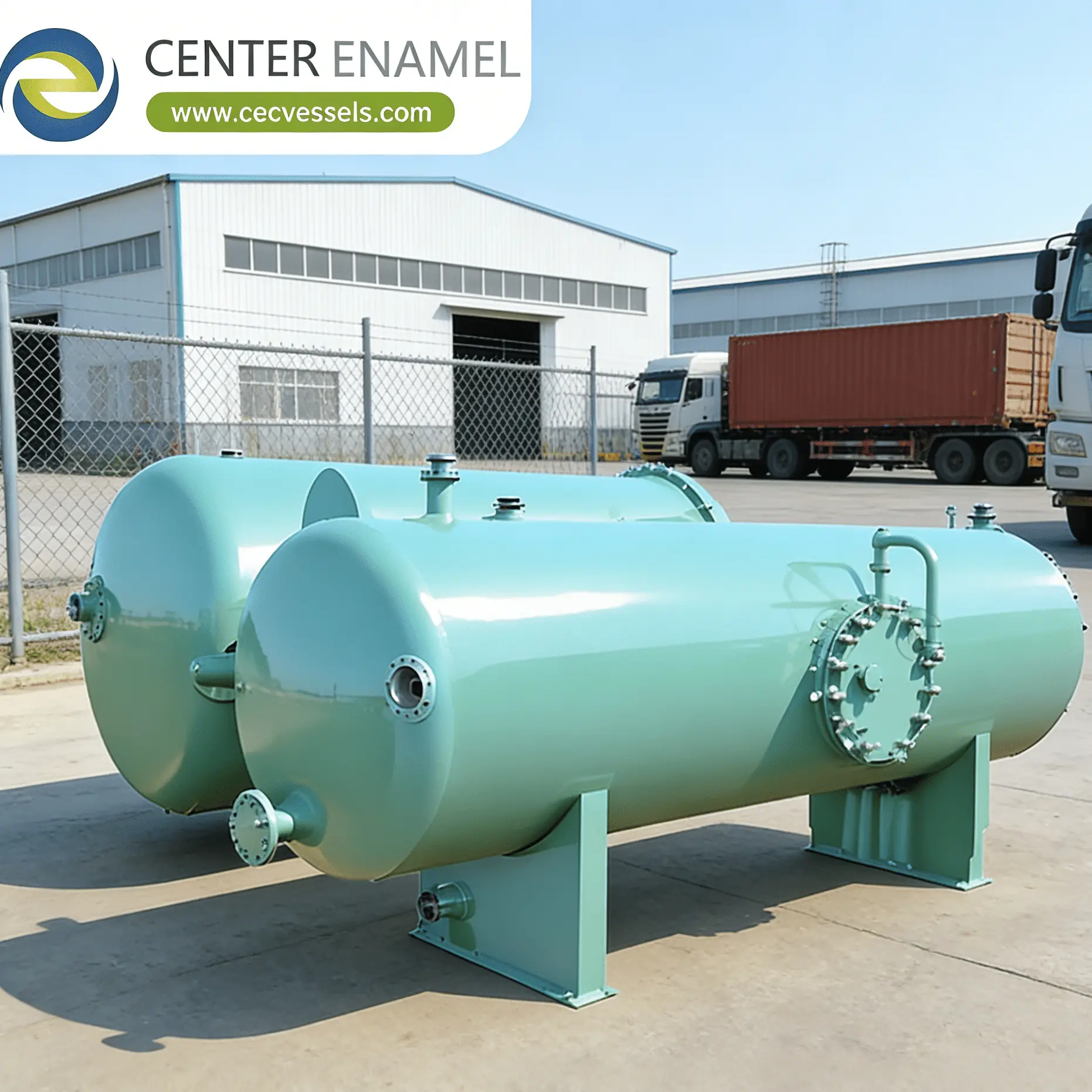
Structural Advantages, And Industrial Applications of Modern Stirred Tank Reactors
Stirred tank reactors are widely used in chemical, pharmaceutical, biotechnology, food processing, and environmental industries due to their flexible design and reliable mixing performance. By integrating advanced agitation systems, optimized vessel structures, and intelligent monitoring technologies, modern stirred tank reactors provide efficient solutions for various reaction processes. Overview of Modern Stirred Tank ReactorsA stirred tank reactor is a type of reaction vessel equipped with a mechanical stirring system to achieve uniform mixing of different materials. The basic structure usually includes a cylindrical tank body, agitator, drive system, baffles, temperature control components, and monitoring instruments. Different designs of impellers and internal components allow the reactor to meet various process requirements. Modern stirred tank reactors are developed based on traditional reactor technology while incorporating improved mechanical structures and automated control systems. These improvements help operators maintain stable process conditions, optimize material mixing, and achieve consistent product quality. The reactor can operate in batch, semi-batch, or continuous modes, making it suitable for different production scales and manufacturing processes. Its adaptability is one of the main reasons why stirred tank reactors remain important equipment in industrial production. Core Structural Design of Stirred Tank ReactorsThe structural design of a stirred tank reactor directly affects mixing efficiency, heat transfer performance, and operational flexibility. A typical reactor consists of several key components that work together to create a suitable reaction environment. The vessel body is usually designed with a vertical cylindrical structure to provide sufficient reaction space and convenient material circulation. Different materials can be selected according to process requirements, including stainless steel, carbon steel with protective coatings, and other industrial materials. The agitator system is the central component of the reactor. It includes a motor, shaft, and impeller. Various impeller designs, such as turbine impellers, anchor agitators, and propeller agitators, generate different flow patterns inside the tank. Selecting the proper agitator type helps achieve effective liquid circulation and uniform distribution of materials. Baffles are commonly installed inside stirred tank reactors to improve mixing performance by preventing excessive liquid rotation. They help create stronger turbulence and improve contact between different components in the reaction system. Advanced Mixing Technology and Intelligent ControlThe mixing system is one of the most important technologies of modern stirred tank reactors. Efficient mixing ensures that raw materials, catalysts, and additives are evenly distributed throughout the reactor, supporting stable reaction conditions. Modern reactor designs often use optimized impeller structures and computer-assisted simulation methods to improve fluid movement inside the vessel. These technologies help engineers select suitable agitator configurations according to liquid properties, production capacity, and reaction requirements. Intelligent control systems are another important development direction for stirred tank reactors. Sensors and automated control units can monitor key operating parameters such as temperature, mixing speed, and material conditions. Real-time data collection allows operators to adjust processes more accurately and improve production management. With digital monitoring technology, intelligent stirred tank reactors can provide better process visibility and support automated production systems. This makes them increasingly valuable in modern manufacturing facilities. Key Structural Advantages of Stirred Tank ReactorsOne major advantage of stirred tank reactors is their flexible configuration. The reactor structure can be customized according to different industries, production capacities, and reaction characteristics. This flexibility allows one reactor design to serve multiple applications. Another advantage is excellent mixing capability. The mechanical agitation system promotes continuous circulation inside the vessel, helping different materials achieve better contact. This feature is especially important for chemical reactions, fermentation processes, and material synthesis. Stirred tank reactors also provide convenient temperature management. Heating and cooling systems, such as external jackets or internal coils, can be integrated into the reactor structure to maintain suitable processing conditions. The modular structure of modern stirred tank reactors also supports easier installation, maintenance, and process upgrades. Components such as agitators, sensors, and control systems can be selected or modified based on specific production needs. Industrial Applications of Stirred Tank ReactorsStirred tank reactors are applied across many industrial sectors because of their reliable performance and adaptability. In the chemical industry, stirred tank reactors are commonly used for processes such as polymerization, neutralization, blending, and chemical synthesis. Their flexible operation modes allow manufacturers to handle different reaction formulas and production requirements. In pharmaceutical production, stirred tank reactors are important equipment for active ingredient preparation, fermentation, and biological processing. Precise mixing and monitoring systems help maintain consistent production conditions. The biotechnology industry also widely uses stirred tank reactors for fermentation and cell culture processes. These reactors provide controlled environments for microorganisms and biological materials, supporting the production of enzymes, bio-based products, and other valuable materials. In environmental engineering, stirred tank reactors are applied in wastewater treatment and biological treatment systems. The continuous mixing function helps maintain contact between microorganisms and organic materials, improving treatment efficiency. Food and beverage industries also use stirred tank reactors for fermentation, ingredient mixing, and processing applications. Their hygienic design and controllable operation make them suitable for producing various food-related products. Role of Intelligent Stirred Tank Reactors in Industrial ProductionThe development of intelligent stirred tank reactors represents an important trend in industrial automation. By combining sensors, digital monitoring systems, and automated control technologies, these reactors can achieve more accurate process management. Intelligent systems can collect operational data and provide information for production optimization. Operators can analyze process conditions, adjust operating parameters, and improve overall equipment utilization. The integration of smart technologies also supports predictive maintenance strategies. By monitoring equipment conditions, manufacturers can better arrange maintenance schedules and improve production continuity. Future stirred tank reactors will continue to develop toward higher automation, improved energy efficiency, and more flexible production capabilities. These advancements will help industries achieve more efficient and sustainable manufacturing processes. Choosing a Suitable Stirred Tank Reactor for Industrial NeedsSelecting the right stirred tank reactor requires consideration of several factors, including reaction type, material characteristics, production capacity, and control requirements. The agitator design should match the properties of the processed materials. Low-viscosity liquids, high-viscosity materials, and multiphase systems may require different stirring solutions to achieve effective mixing. The reactor volume and structural design should also correspond with production objectives. Customized reactor solutions allow manufacturers to achieve better compatibility with existing production systems. A professional stirred tank reactor manufacturer can provide engineering support, including equipment design, material selection, and system integration, helping customers develop suitable solutions for different industrial applications. Future Development of Stirred Tank Reactor TechnologyModern stirred tank reactors continue to evolve with advancements in automation, digital technology, and process engineering. Future designs will focus on improving mixing efficiency, optimizing structural performance, and enhancing intelligent operation capabilities. As industries require more flexible and efficient production equipment, stirred tank reactors will remain an important solution for chemical processing, biotechnology, environmental engineering, and many other fields. Their combination of reliable structure, adaptable operation, and intelligent control makes them a valuable technology for modern industrial manufacturing.
|