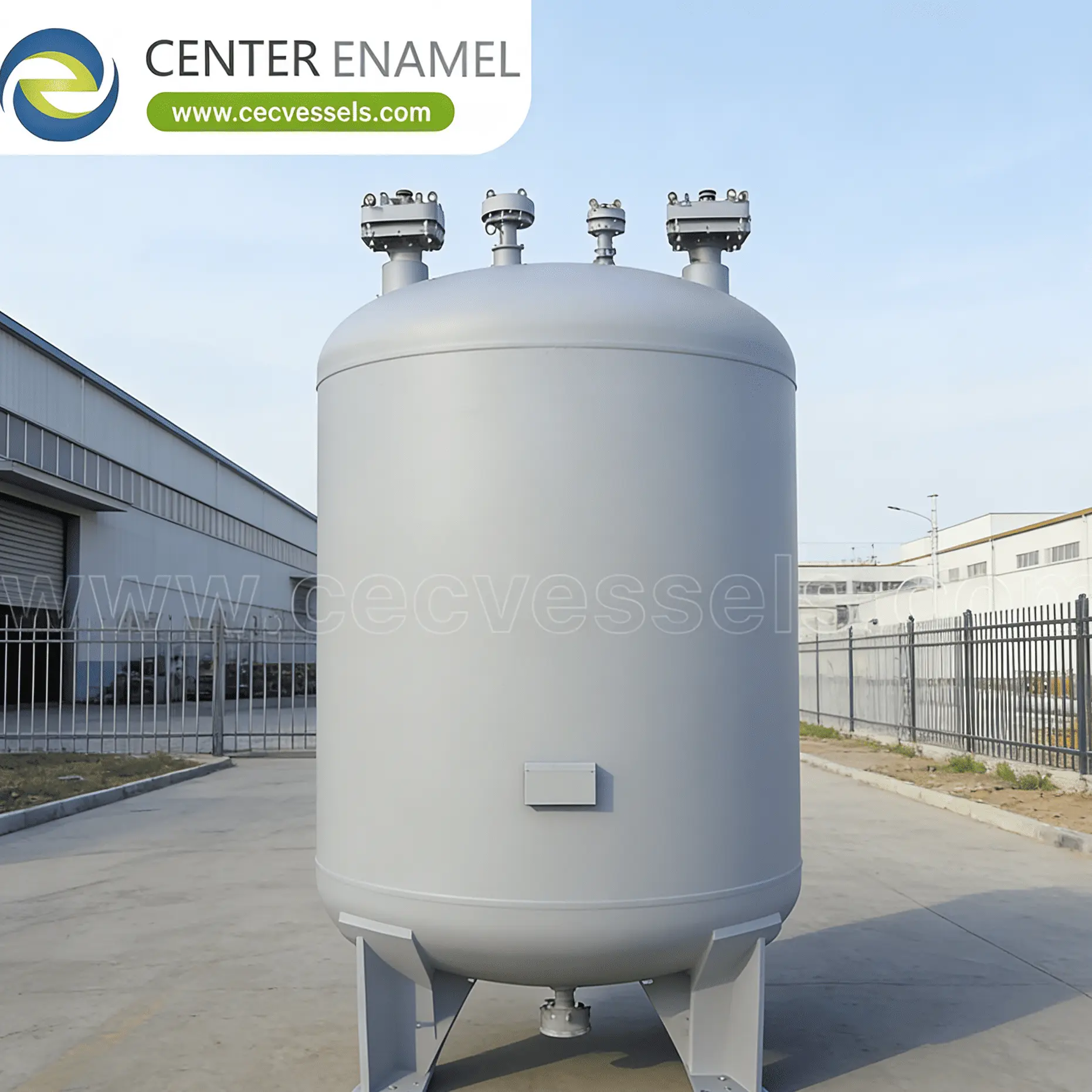
Industrial Chemical Reactors for Resin, Solvent & Fusion
An industrial chemical reactoris a process vessel designed to provide a controlled environment for chemical reactions. It brings raw materials together and provides the required conditions for mixing, heat transfer, reaction time, and material conversion. Industrial reactors are widely used in resin manufacturing, solvent processing, chemical synthesis, coatings, adhesives, pharmaceuticals, specialty chemicals, and material production. Reactor configuration can be customized according to the characteristics of the process, including working volume, material properties, viscosity, temperature requirements, mixing requirements, and production capacity. A modern reactor is usually part of a larger process system. Pumps, storage vessels, heat exchangers, condensers, evaporators, filtration equipment, and control instruments can be connected to the reactor to complete the overall production process. How Does a Reactor Work? Understanding how does a reactor workstarts with the movement and transformation of materials inside the vessel. Raw materials are introduced into the reactor through dedicated feed connections. Depending on the production process, ingredients may be added at the same time or in a predetermined sequence. Once the materials enter the vessel, an agitator can create controlled circulation inside the reactor. Mixing allows different components to contact one another and helps maintain a more uniform material composition. Heating or cooling can also be provided during the reaction. A jacket, coil, or external heat exchanger can be used to transfer heat between the process material and a utility medium. Temperature sensors can monitor the process and provide information to the control system. When the required reaction or processing stage is completed, the finished material can be discharged through an outlet. The product may then move to another reactor, storage vessel, separator, filter, evaporator, or packaging system. Therefore, a reactor combines material handling, mixing, heat transfer, reaction time, and process monitoring within one coordinated process unit. Chemical Reactors for Resin Manufacturing Resin production is one of the important applications of industrial reactors. Resin manufacturing can involve polymerization, condensation, blending, heating, cooling, and viscosity adjustment. A reactor used for resin production needs to provide effective mixing because resin materials can change in viscosity as the reaction progresses. The agitator should be selected according to the characteristics of the material and the required mixing pattern. Heating systems are also commonly incorporated into resin reactors. Controlled heating can support the reaction process and maintain the required processing temperature. After the reaction stage, cooling may be required to bring the material to the desired discharge condition. Depending on the resin formulation, the reactor can be equipped with different agitator configurations, temperature monitoring devices, feed systems, sampling ports, and discharge arrangements. Typical applications include polymer resins, epoxy resin production, adhesive formulations, coating materials, and other specialty resin products. Chemical Reactors for Solvent Processing Solvents are widely used in chemical manufacturing, coatings, pharmaceutical production, extraction, cleaning formulations, and other industrial processes. A chemical reactorfor solvent processing can be designed for controlled blending, reaction, concentration, recovery, or formulation. The reactor configuration depends on the type of solvent, process temperature, material compatibility, mixing requirements, and production method. Agitation is useful when solvents are combined with other liquid or solid components. The agitator promotes material circulation and helps achieve consistent composition throughout the vessel. Heating and cooling systems can also be integrated into the reactor. Depending on the process, temperature control may be required during blending, reaction, condensation, or solvent recovery. A solvent processing system can also include condensers and collection vessels. These supporting units allow vapor streams to be condensed and collected as part of an integrated process. Chemical Reactors for Fusion Processes Fusion processes require controlled heating and material mixing to combine different components into a uniform material or reaction product. Industrial reactors designed for fusion applications can be equipped with heating systems, agitators, temperature monitoring devices, and specialized internal components. The reactor design depends on the material being processed and the required fusion temperature. The heating system can be configured around the vessel through a jacket, coil, or other suitable heat transfer arrangement. Mixing is also important because materials need to remain properly distributed during processing. An appropriately designed agitator can support material circulation and help maintain consistent processing conditions. Fusion reactors can be used in chemical synthesis, material production, specialty compounds, resin processing, and other industrial applications where controlled heating and mixing are required. What Are Chemical Synthesis Reactors? Chemical synthesis reactorsare process vessels used to convert selected raw materials into specific chemical products through controlled reactions. A chemical synthesis reactorcan be designed for batch or continuous operation. Batch systems are suitable when different formulations or production quantities need to be processed in separate cycles. Continuous systems are designed for processes where materials enter and leave the reactor on an ongoing basis. The reactor can include an agitator to promote contact between reactants. Heating and cooling systems help maintain the desired reaction temperature, while sensors and instruments provide process information. Chemical synthesis may involve multiple ingredients, staged feeding, controlled residence time, temperature adjustment, and downstream separation. For this reason, reactor design needs to consider the complete process rather than only the vessel itself. What Is a Chemistry Reactor Used For? A chemistry reactoris used to provide the physical environment required for a chemical transformation. Different reactors can support different types of reactions and material processing methods. For example, a reactor can be used for polymerization, esterification, hydrolysis, neutralization, oxidation, crystallization, condensation, or other chemical processes. The reactor provides a defined working volume where the materials can interact. Agitation controls material movement, while heat transfer systems regulate temperature. The internal design can be adjusted according to the process. Different impellers can be selected for low-viscosity liquids, high-viscosity materials, solid-liquid mixtures, or other process conditions. This flexibility makes the chemistry reactoran important piece of equipment for chemical manufacturing and specialty material production. Batch and Continuous Reactor Operation Industrial reactors can generally be divided into batch and continuous operating systems. In a batch reactor, raw materials are charged into the vessel before processing begins. The materials remain inside the reactor for a defined period while mixing, heating, cooling, or reaction takes place. After processing is completed, the product is discharged. Batch operation provides flexibility for different formulations and production quantities. It is commonly used for specialty chemicals, resin products, pharmaceutical intermediates, coatings, and other products requiring individual production cycles. A continuous reactor receives feed materials continuously and discharges processed material continuously. This arrangement can be suitable for production systems designed around consistent material flow. The selection between batch and continuous operation depends on production requirements, reaction characteristics, product specifications, and overall plant design. Mixing Systems in Industrial Chemical Reactors Mixing is a fundamental function of many industrial reactors. A properly selected agitator helps distribute raw materials and maintain consistent conditions throughout the working volume. A typical mixing system includes a motor, gearbox, shaft, and impeller. The impeller design determines how material moves inside the reactor. For low-viscosity liquids, conventional impellers may provide sufficient circulation. Higher-viscosity materials may require specialized agitators designed to move thicker materials through the vessel. Resin production is an example where viscosity can change significantly during processing. As the material becomes thicker, the mixing system needs to continue providing effective circulation. Agitator selection should therefore consider viscosity, density, solids content, vessel geometry, operating speed, and required mixing performance. Heating and Cooling Systems for Reactors Temperature control is another important part of reactor design. Many chemical reactions require a defined temperature range to achieve the desired processing result. A reactor jacket can surround the vessel and provide a heat transfer surface. Heating or cooling media can circulate through the jacket to adjust the temperature of the process material. Internal coils can also be used where additional heat transfer area is required. External heat exchangers provide another option for processes involving material circulation outside the reactor. Temperature sensors can be positioned at appropriate locations to monitor the process. The collected data can be connected to a control system for automatic or manual temperature adjustment. For resin, solvent, and fusion applications, the heating and cooling system should be selected according to the process material, required temperature range, heat transfer rate, and production cycle. Reactors Fabrication and Material Selection Reactors fabricationinvolves multiple stages, including engineering design, material selection, vessel forming, welding, surface treatment, component installation, inspection, and final testing. The material of construction should be selected according to the process requirements. Stainless steel is commonly used for chemical process equipment because it offers suitable mechanical properties and corrosion resistance for many applications. Carbon steel can also be used for compatible processes. Other materials or special internal surfaces may be selected when specific chemical compatibility or product requirements apply. Fabrication also includes the installation of nozzles, agitator supports, heating and cooling connections, inspection ports, sampling connections, discharge outlets, and instrumentation interfaces. For customized reactors, the fabrication process should follow the approved engineering drawings and project specifications. How Are Synthesis Reactors Designed? The design of synthesis reactorsstarts with understanding the chemical process. Engineers normally need information about raw materials, product characteristics, reaction type, production capacity, operating temperature, mixing requirements, and processing time. The required working volume is then determined according to production capacity and operating method. A suitable vessel geometry can be selected based on the process and available installation space. The agitator is selected according to material properties and mixing requirements. Heating or cooling equipment is then incorporated where necessary. Nozzle locations are also important because feed, discharge, sampling, instrumentation, and auxiliary connections need to work together with the process layout. For larger industrial systems, the reactor can be integrated with pumps, heat exchangers, storage vessels, condensers, filters, and other equipment. Applications of Industrial Chemical Reactors Industrial chemical reactorsserve many industries and production processes. In resin manufacturing, reactors support polymerization, condensation, blending, heating, and cooling. In solvent processing, reactors can be used for controlled mixing, formulation, chemical processing, concentration, and recovery. In pharmaceutical manufacturing, reactors can support synthesis, dissolution, crystallization, and other process stages. In paint and coating production, reactors can be combined with mixing and dispersion systems to prepare different formulations. In specialty chemical manufacturing, reactors can be customized for different synthesis routes and production capacities. Other applications include adhesives, pigments, dyes, agricultural chemicals, detergents, fine chemicals, and advanced materials. Selecting the Right Industrial Chemical Reactor Selecting an industrial reactor requires an understanding of both the chemical process and the complete production system. The first consideration is the process itself. Engineers need to identify the reaction type, material properties, processing time, temperature requirements, and required mixing performance. The second consideration is capacity. Reactor size should correspond to the production target and operating method. Material selection is also important. The vessel material and internal components should be compatible with the materials being processed. Agitator design, heating and cooling systems, feed connections, discharge configuration, instrumentation, and maintenance access should also be evaluated. For customized projects, working with an experienced reactor manufacturer can help align the vessel design with the actual process requirements. Industrial Reactors for Resin, Solvent and Fusion Applications Industrial reactors provide the controlled processing environment required for resin production, solvent processing, fusion operations, and chemical synthesis. A suitable reactor combines vessel design, mixing, heat transfer, material handling, and process monitoring into one coordinated system. From batch chemical synthesis reactorsto customized continuous processing equipment, reactor configurations can be developed for different production requirements. Proper agitator selection, temperature control, material construction, and fabrication methods are essential parts of the overall design. For resin, solvent, and fusion applications, the right chemical synthesis reactor, chemistry reactor, or Process Reactorshould be selected according to the actual process conditions, production capacity, material properties, and supporting equipment. With appropriate design and reactors fabrication, industrial manufacturers can build process systems suited to consistent and efficient chemical production. |