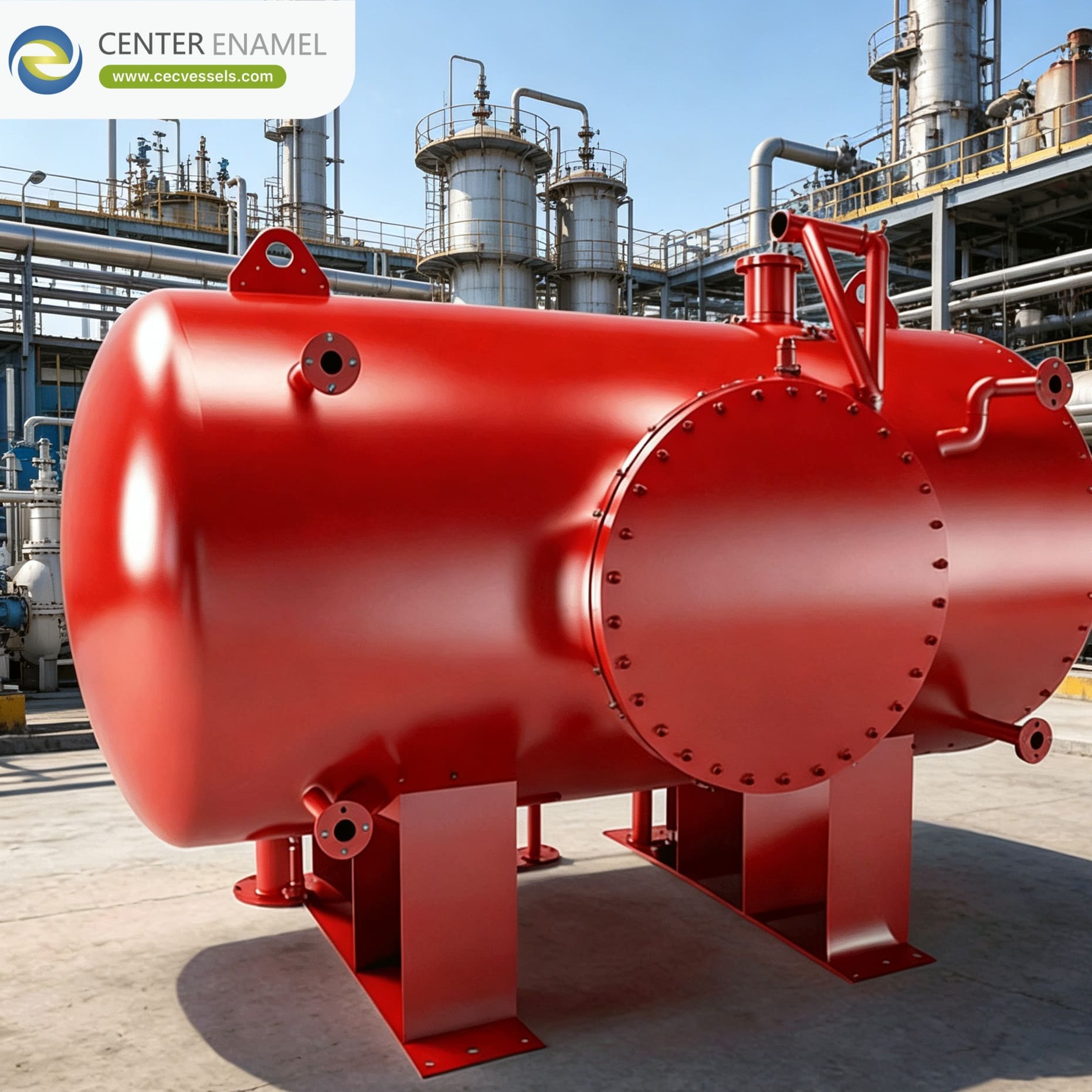
Integrated Cooling and Heat Recovery Systems for Industrial Facilities
Integrated Cooling and Heat Recovery Systemscombine industrial cooling equipment with heat recovery technologies to manage thermal energy throughout manufacturing facilities. During industrial production, equipment and process materials generate heat that must be removed to maintain suitable operating temperatures. Instead of releasing all this thermal energy into the surrounding environment, heat recovery systems can capture part of it and transfer it to other processes that require heating. A typical integrated system includes chillers, heat exchangers, cooling vessels, circulation pumps, heat recovery units, and automated control equipment. By coordinating cooling and heat utilization, industrial facilities can improve energy efficiency and optimize overall production operations. How Do Industrial Cooling Systems Work?Industrial Cooling Systemsremove excess heat from manufacturing equipment, process fluids, and production environments. The cooling process generally involves circulating a cooling medium through equipment or heat exchange surfaces. The medium absorbs thermal energy and transfers it to another cooling unit or heat rejection system. Common industrial cooling configurations include: Chilled Water Cooling Industrial chillers produce chilled water that circulates through heat exchangers, cooling coils, and process equipment. The water absorbs heat and returns to the chiller for temperature adjustment. Cooling Water Circulation Cooling water systems transfer heat from industrial equipment to cooling towers or other heat rejection units. They are widely used in chemical plants, manufacturing facilities, and processing industries. Jacketed Vessel Cooling Cooling water or glycol solution circulates through a jacket surrounding a process vessel. Heat transfers from the vessel contents to the cooling medium without direct contact between the two materials. External Heat Exchange Cooling Process fluids pass through external heat exchangers to adjust their temperatures before returning to the production system. Each configuration can be selected according to process capacity, temperature requirements, fluid characteristics, and available cooling resources. What Are Industrial Heat Recovery Systems?Industrial Heat Recovery Systemscapture thermal energy generated during production and transfer it to applications where heating is required. Many industrial processes release heat through exhaust gases, hot water, steam condensate, heated process fluids, and cooling circuits. Rather than allowing all this energy to be lost, heat recovery equipment can collect and reuse suitable thermal energy. Typical heat recovery applications include:
Water preheating:Using recovered heat to warm process water before production.
Feedstock heating:Raising the temperature of incoming materials before processing.
Boiler feedwater heating:Using recovered thermal energy to improve water heating efficiency.
Space heating:Supplying recovered heat to suitable facility heating systems.
Process heating:Supporting production stages that require moderate temperature increases.
The actual recovery potential depends on the available heat source, temperature level, heat demand, and system configuration. What Equipment Is Used in Industrial Heat Recovery Systems?Industrial Heat Recovery Equipmentincludes several components that work together to capture, transfer, and reuse thermal energy.
Heat Recovery Heat Exchangersare particularly important because they allow thermal energy to move between separate fluid circuits without mixing the fluids. Plate heat exchangers are commonly selected for compact installations, while shell-and-tube configurations are suitable for many customized industrial applications. How Do Heat Recovery Heat Exchangers Improve Energy Efficiency?Heat Recovery Heat Exchangerstransfer thermal energy from a warmer fluid to a cooler fluid, allowing the recovered energy to be reused in another production stage. For example, hot water returning from an industrial cooling process may still contain useful thermal energy. A heat exchanger can transfer part of this energy to incoming process water. The basic process involves three steps:
Heat collection:A suitable heat source supplies warm fluid to the recovery system.
Thermal transfer:The heat exchanger transfers energy between separate fluid circuits.
Heat utilization:The warmed fluid is directed to another process that requires heating.
This arrangement can reduce the amount of additional energy needed for heating operations. Heat exchanger selection should consider inlet and outlet temperatures, flow rates, heat transfer area, fluid compatibility, and cleaning requirements. How Can Cooling and Heat Recovery Systems Be Integrated?Integrated Cooling Systemscoordinate heat removal and energy reuse through interconnected equipment and circulation networks. A typical industrial configuration may include:
Industrial chillers for supplying cooling capacity.
Heat exchangers for transferring thermal energy.
Cooling vessels for temperature-controlled material processing.
Heat recovery units for collecting usable thermal energy.
Hot water storage tanks for storing recovered heat.
Pumps and control valves for fluid circulation.
Temperature sensors and automated control systems.
For example, a chemical manufacturing facility may use a cooling system to remove heat from a process vessel. The heated cooling medium then passes through a heat recovery exchanger, where part of its thermal energy is transferred to incoming process water. After heat recovery, the cooling medium returns to the cooling system for further temperature adjustment. This arrangement connects cooling and heating operations into a coordinated thermal management network. What Industries Benefit from Process Cooling and Heat Recovery?Process Cooling and Heat Recoverycan be applied across different industries where production involves both heat generation and heating requirements. Chemical Manufacturing Chemical plants use cooling vessels and heat exchangers to control reaction temperatures. Recovered heat can be reused for feedstock preheating, water heating, or other suitable production stages. Food and Beverage Processing Food production facilities require cooling, heating, and temperature-controlled storage. Heat recovered from refrigeration and processing equipment may be reused for water preheating and cleaning operations. Pharmaceutical Manufacturing Pharmaceutical production often involves controlled heating, cooling, and liquid preparation. Integrated heat exchange equipment supports stable processing temperatures and thermal energy utilization. Battery Manufacturing Lithium battery production involves material mixing, slurry preparation, and temperature-controlled processing. Cooling vessels, industrial chillers, and heat exchangers help maintain suitable operating conditions. Data Centers Data centers generate substantial thermal energy through server operations. Cooling systems remove this heat, while selected facilities can recover thermal energy for water heating or other compatible applications. What Factors Should Be Considered When Designing Industrial Thermal Management Systems?Effective Industrial Thermal Management Systemsrequire coordination between cooling capacity, heat recovery potential, and production requirements. Important design considerations include: Heat Source Characteristics Identify where heat is generated and evaluate its temperature, flow rate, and availability throughout the production cycle. Cooling Capacity Calculate the heat load generated by process equipment and determine the required cooling capacity. Heat Demand Identify processes that require heating and evaluate whether recovered thermal energy can meet their temperature requirements. Heat Exchanger Selection Choose suitable plate, shell-and-tube, or other heat exchanger configurations according to fluid properties and thermal performance requirements. Material Compatibility Select equipment materials according to the chemical composition of process fluids, operating temperatures, and cleaning procedures. Stainless steel SS304 and SS316 are common options for many industrial applications. Automation and Control Temperature sensors, flow meters, control valves, and automated systems help coordinate cooling and heat recovery operations. How Can Industrial Energy Recovery Systems Reduce Operating Costs?Industrial Energy Recovery Systemshelp facilities make better use of thermal energy already generated during production. Several strategies can improve overall system performance:
Heat reuse:Transfer recovered thermal energy to processes that require heating.
Optimized cooling:Adjust cooling capacity according to actual production demand.
Centralized management:Connect multiple cooling and heating units through coordinated circulation networks.
Thermal storage:Use insulated hot water tanks to store recovered heat for later applications.
Automated operation:Monitor system temperatures and fluid circulation to improve equipment coordination.
The economic benefits depend on heat availability, recovery efficiency, operating schedules, and the cost of the energy source being replaced. Frequently Asked Questions About Industrial Cooling and Heat RecoveryQ1: What is the difference between industrial cooling and heat recovery? Industrial cooling removes unwanted thermal energy from equipment and process materials. Heat recovery captures usable thermal energy and transfers it to other applications. Q2: What equipment is commonly used in integrated cooling systems? Common equipment includes chillers, heat exchangers, cooling vessels, circulation pumps, cooling towers, buffer tanks, and temperature control instruments. Q3: Can waste heat from industrial cooling systems be reused? Yes. Depending on its temperature and availability, heat from cooling circuits can be recovered for water preheating, process heating, or other suitable applications. Q4: Which heat exchanger is suitable for industrial heat recovery? Plate heat exchangers are suitable for many compact fluid-to-fluid applications, while shell-and-tube heat exchangers are commonly used in larger industrial processes. The final selection depends on operating conditions. Q5: Can heat recovery systems be customized? Yes. Equipment capacity, exchanger configuration, vessel dimensions, materials, pipeline connections, and control systems can be customized according to specific facility requirements. Integrated Thermal Solutions for More Efficient Industrial OperationsIntegrated Cooling Systemsand Industrial Heat Recovery Systemsprovide an effective approach to managing thermal energy in modern manufacturing facilities. By combining cooling equipment, heat exchangers, process vessels, and energy recovery units, manufacturers can coordinate heat removal with thermal energy reuse. From chemical processing and battery manufacturing to food production and data center infrastructure, customized Industrial Heat Exchange Systemshelp improve temperature control and energy utilization. Selecting suitable equipment and designing an integrated thermal network according to actual production requirements can support more efficient, stable, and sustainable industrial operations.
|