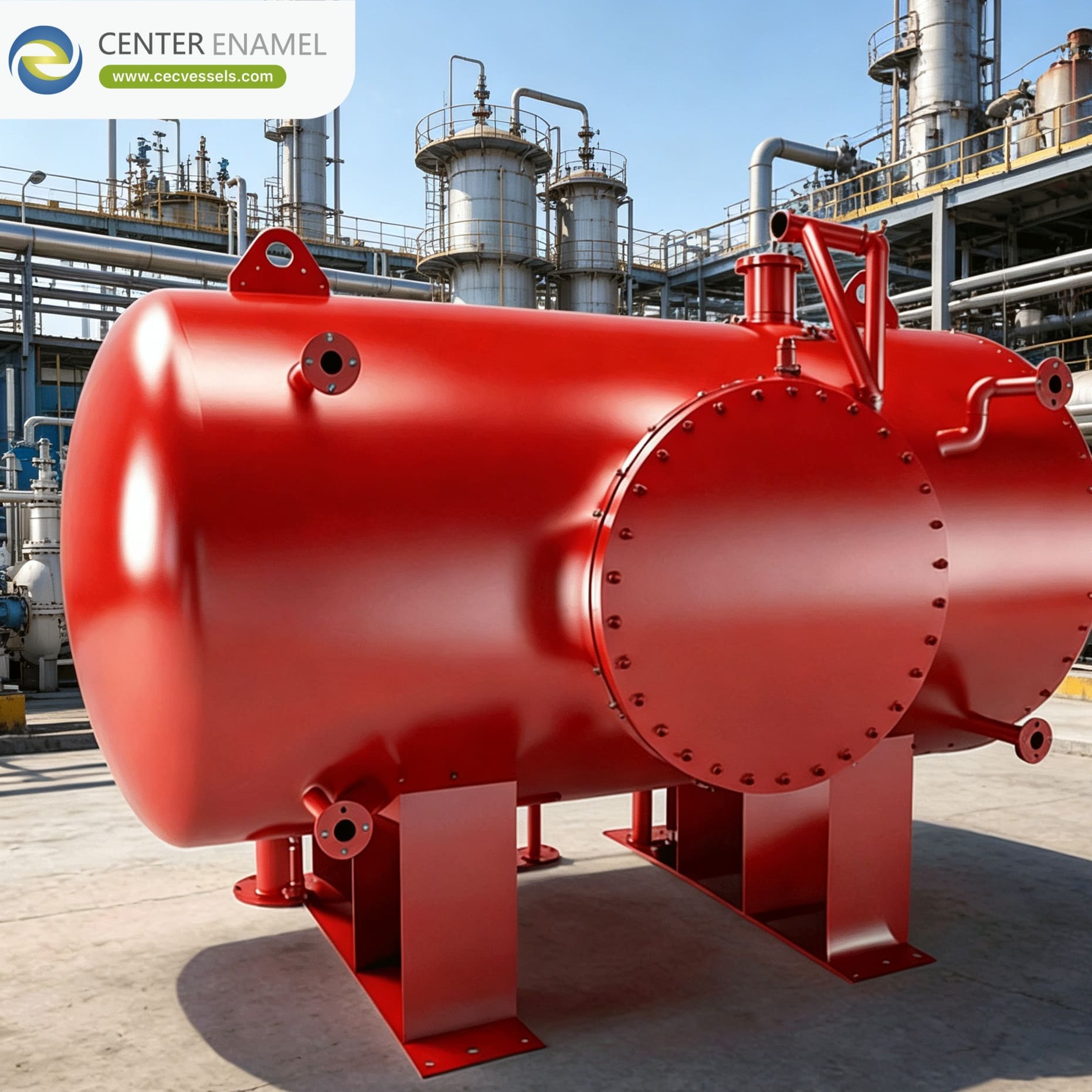
Integrated Heating, Cooling and Condensation Systems for Chemical Plants
Chemical plants rely on accurate temperature management to maintain stable production, improve energy efficiency and support consistent product quality. Integrated heating, cooling and condensation systems combine multiple thermal processes into a coordinated solution, allowing different production stages to operate more efficiently. By connecting heating equipment, cooling vessels, heat exchangers and condensation units, chemical manufacturers can optimize thermal management across their facilities. What Are Integrated Heating, Cooling and Condensation Systems?Integrated heating, cooling and condensation systems are interconnected process solutions designed to manage heat throughout chemical production. Rather than operating individual thermal units independently, these systems coordinate heating, cooling and vapor condensation according to specific process requirements. A typical integrated thermal system may include: lProcess Heating Equipment: Supplies thermal energy for chemical reactions, material preparation and fluid temperature adjustment. lIndustrial Cooling Equipment: Removes excess heat from reactors, storage vessels and process streams. lChemical Plant Heat Exchangers: Transfers thermal energy between different fluids without direct mixing. lIndustrial Condensation Systems: Convert process vapors into liquid through controlled cooling. lHeating and Cooling Vessels: Provide temperature-controlled environments for mixing, reaction and storage. lCirculation and Control Systems: Regulate fluid flow, temperature and heat exchange throughout the process. These components work together to support continuous thermal management, improve energy utilization and maintain stable operating conditions. Why Do Chemical Plants Need Integrated Thermal Systems?Temperature control affects almost every stage of chemical manufacturing. Heating is required for reactions and material processing, while cooling helps control reaction temperatures and prepare products for subsequent operations. Condensation is also essential for recovering solvents, collecting vapors and managing process materials. An integrated approach offers several operational advantages. Improved Energy Efficiency Independent heating and cooling equipment may consume additional energy when thermal resources are not coordinated. Integrated thermal systems can recover usable heat from hot process streams and transfer it to other production stages that require heating. For example, heat removed from a cooling process may be reused for preheating incoming materials, reducing the demand for external energy. More Consistent Temperature Control Chemical reactions often require specific temperature ranges. Coordinating heating and cooling equipment allows operators to adjust thermal conditions according to production requirements. Better Material Recovery Condensation systems help recover valuable solvents and other process materials from vapor streams. Recovered liquids can potentially be reused, depending on their composition and purity. Simplified Process Integration Combining multiple thermal operations into a coordinated system can reduce unnecessary equipment connections and improve communication between different process units. Key Equipment in Integrated Heating and Cooling SystemsDifferent chemical production processes require different equipment configurations. The following components form the foundation of many integrated thermal solutions. Industrial Heat Transfer SystemsIndustrial heat transfer systems move thermal energy between process fluids, allowing manufacturers to heat or cool materials without introducing additional substances into the process. Common equipment includes shell-and-tube heat exchangers, plate heat exchangers and specialized heat transfer vessels. Their applications include: lPreheating raw materials before chemical reactions. lCooling intermediate products between processing stages. lRecovering heat from outgoing process streams. lMaintaining temperatures during material circulation. lSupporting energy exchange between different production units. Equipment selection depends on fluid properties, operating temperatures, heat transfer requirements and production capacity. Process Heating EquipmentProcess heating equipment provides the thermal energy required for chemical reactions, dissolution, evaporation and material preparation. Common solutions include jacketed reactors, heating vessels, thermal oil heating systems and steam-heated heat exchangers. Jacketed vessels are particularly useful in batch chemical production. A heating medium circulates through the vessel jacket, transferring heat to the materials inside. For applications requiring different heating conditions, equipment can be customized according to vessel volume, material characteristics, heating area and temperature requirements. Chemical Plant Cooling SystemsChemical plant cooling systems remove excess heat generated during reactions and other manufacturing operations. Typical cooling equipment includes: lIndustrial cooling vessels. lJacketed cooling reactors. lShell-and-tube cooling heat exchangers. lProcess water circulation systems. lIndustrial chillers and cooling units. For example, an exothermic chemical reaction generates heat during processing. A cooling jacket or external heat exchanger can circulate cooling water or another suitable medium to remove this energy and maintain the required reaction temperature. Industrial Condensation SystemsIndustrial condensation systems convert vapor into liquid through heat removal. They are commonly used in solvent recovery, distillation, evaporation and chemical purification processes. A typical condensation process involves passing vapor through a condenser, where a cooling medium absorbs heat from the vapor. As its temperature decreases, the vapor changes into liquid and is collected for further processing. Depending on process requirements, condensation systems may include: lShell-and-tube condensers. lSurface condensers. lVapor collection vessels. lCondensate storage tanks. lCooling water circulation equipment. Proper condenser sizing and cooling medium selection are important for achieving the required condensation capacity. How Integrated Thermal Systems Work in Chemical PlantsAn integrated thermal system coordinates several operations through connected equipment and process control. A representative process can be divided into four stages. Step 1: Material Heating Raw materials enter a heating vessel or reactor. Steam, thermal oil or another suitable heating medium supplies the required thermal energy. Step 2: Reaction Temperature Management During chemical processing, temperature sensors monitor the operating conditions. Heating or cooling circuits adjust thermal input according to the reaction requirements. Step 3: Product Cooling and Heat Recovery After the reaction, the processed material may pass through a heat exchanger or cooling vessel. Where appropriate, the recovered thermal energy can be transferred to incoming materials. Step 4: Vapor Condensation and Recovery Vapors generated during production enter a condenser. The cooling medium removes heat, allowing the vapor to become liquid. The recovered condensate is then collected for reuse, storage or further treatment. These stages can be connected through a centralized control system to coordinate temperatures, flow rates and equipment operation. Applications of Integrated Heating, Cooling and Condensation SystemsIntegrated thermal solutions are widely used across chemical manufacturing industries.
For solvent recovery plants, heating equipment vaporizes or separates solvents from process mixtures, while condensers recover the vapor as liquid. Cooling systems support condensation and help prepare recovered materials for storage or reuse. In polymer manufacturing, integrated heating and cooling equipment helps maintain appropriate reaction conditions and supports product temperature adjustment after processing. How to Select Integrated Heating and Cooling EquipmentSelecting suitable equipment requires an understanding of the entire production process rather than evaluating individual units separately. Several technical factors should be considered. Process Temperature Requirements Determine the required heating and cooling temperatures for each production stage. The temperature difference between process fluids and heating or cooling media affects heat exchanger performance. Heat Transfer Capacity Equipment should provide sufficient thermal capacity for the required production rate. Heat transfer area, fluid flow rate and thermal properties all influence equipment sizing. Material Compatibility Chemical composition, corrosion characteristics and fluid properties determine suitable construction materials. Stainless steel grades such as SS304 and SS316L are commonly considered for different chemical processing applications. Condensation Requirements For vapor recovery, engineers should evaluate vapor composition, inlet temperature, condensation temperature, required recovery rate and cooling medium availability. Automation and Process Control Temperature sensors, flow meters, control valves and automated operating systems help coordinate heating, cooling and condensation operations. A properly engineered configuration should also consider equipment maintenance, cleaning requirements, available installation space and future production expansion. The Role of Chemical Plant Heat Exchangers in Energy RecoveryChemical plant heat exchangers are essential components of integrated thermal management because they allow energy to move between process streams. One common application is heat recovery between outgoing and incoming materials. For example, a hot product stream leaving a chemical reactor may transfer part of its thermal energy to a colder feed stream through a heat exchanger. This reduces the energy required to bring the incoming material to its target temperature. Heat exchangers can also support: lCooling of chemical products before storage. lPreheating of process water. lTemperature adjustment before distillation. lHeat recovery from evaporation systems. lCooling water circulation and thermal management. The actual energy savings depend on process conditions, heat exchanger design, operating hours and the availability of compatible heat sources and demands. Customized Integrated Thermal Solutions from Center EnamelEvery chemical plant has different production requirements, material characteristics and thermal management needs. Standard equipment configurations may not always provide the most suitable solution. Center Enamel provides industrial vessel and process equipment solutions for applications involving chemical processing, heating, cooling, heat exchange and condensation. Depending on project requirements, integrated equipment configurations may incorporate: lIndustrial Heating and Cooling Systems for controlled material processing. lHeating and Cooling Vessels for batch reactions and temperature adjustment. lChemical Plant Heat Exchangers for thermal energy transfer and recovery. lIndustrial Condensation Systems for vapor cooling and liquid recovery. lIndustrial Cooling Equipment for process temperature management. lCustomized Process Vessels designed around specific production requirements. Engineering considerations include equipment capacity, construction materials, operating temperatures, heat transfer requirements and integration with existing production lines. By coordinating equipment selection and process design, chemical manufacturers can establish thermal systems that support reliable operation and efficient resource utilization. Frequently Asked QuestionsQ1: What is an integrated heating and cooling system in a chemical plant? An integrated heating and cooling system connects heating vessels, cooling equipment, heat exchangers and related process units to manage temperatures across multiple production stages. Q2: What is the purpose of condensation systems in chemical processing? Condensation systems remove heat from process vapors and convert them into liquid. They are commonly used for solvent recovery, distillation and vapor collection. Q3: Can industrial heat exchangers reduce energy consumption? Yes. Heat exchangers can recover thermal energy from hot process streams and transfer it to colder materials, reducing the need for additional heating or cooling energy. Q4: Which materials are suitable for chemical plant heat exchangers? Stainless steel, carbon steel and other corrosion-resistant alloys may be selected depending on fluid composition, temperature, corrosion characteristics and applicable design requirements. Q5: How are heating and cooling vessels used in chemical manufacturing? Heating and cooling vessels provide controlled environments for mixing, chemical reactions, material preparation and product temperature adjustment. Q6: Can heating, cooling and condensation equipment be integrated into one process system? Yes. These units can be connected through process piping, circulation systems and automated controls. The configuration depends on production requirements, equipment capacity and the thermal balance of the plant. Building More Efficient Thermal Processing SystemsIntegrated heating, cooling and condensation systems provide chemical plants with a coordinated approach to temperature management, energy recovery and material processing. By combining process heating equipment, industrial cooling equipment, chemical plant heat exchangers and industrial condensation systems, manufacturers can improve thermal efficiency and maintain consistent production conditions. With customized vessel and process equipment solutions, Center Enamel supports chemical manufacturers in developing integrated thermal systems suited to their production processes, equipment requirements and long-term operational objectives.
|