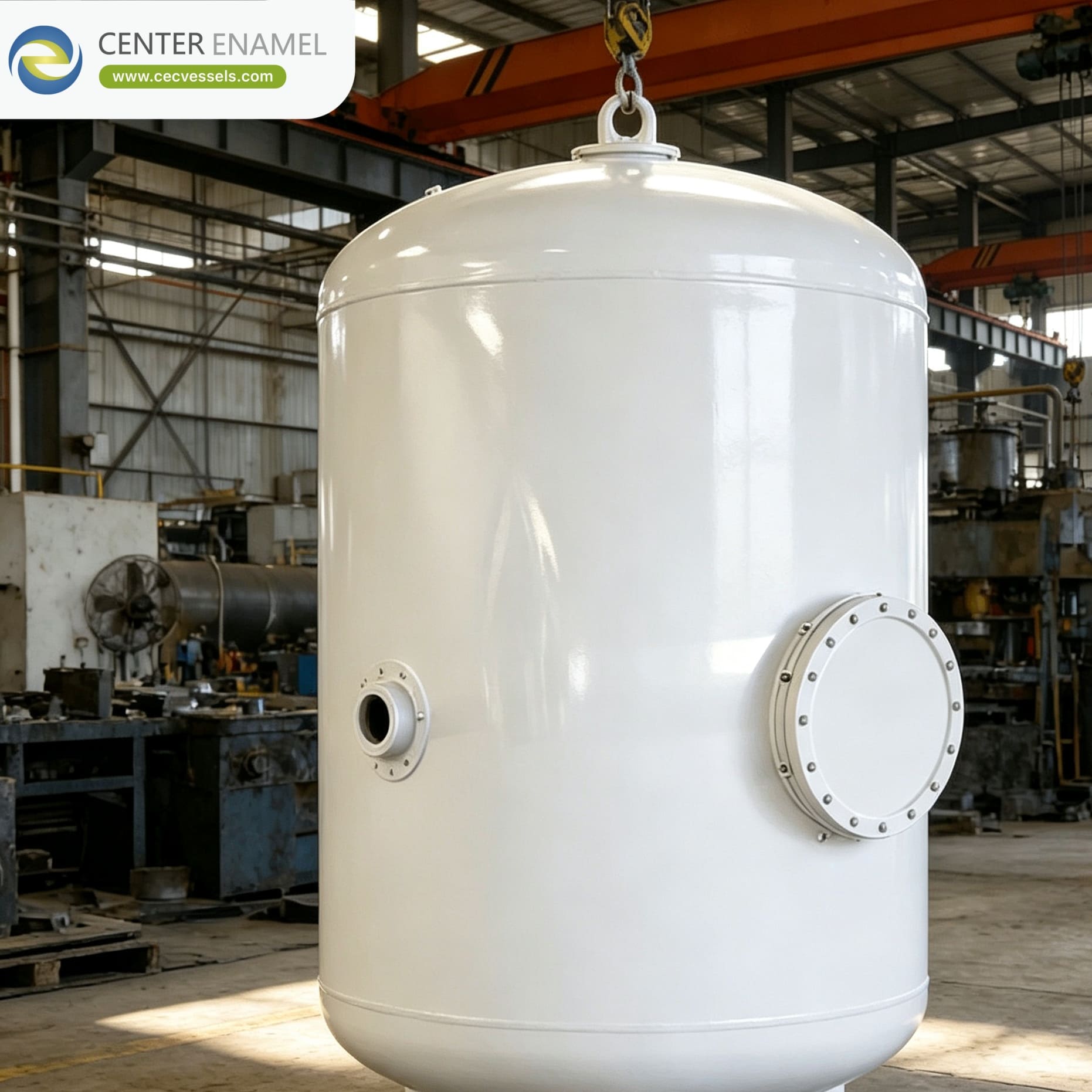
Gas Metering and Regulating Skid for Accurate Flow Control in Natural Gas Distribution
A Gas Metering and Regulating Skidis an integrated system designed to measure natural gas flow and regulate gas pressure during distribution. By combining metering instruments, control valves, filtration equipment, and pipeline components, it supports accurate measurement and consistent gas delivery across industrial and commercial applications. What Is a Gas Metering and Regulating Skid?A Gas Metering and Regulating Skidis a packaged gas processing unit that integrates flow measurement and pressure regulation equipment onto a common structural frame. It is designed to monitor incoming gas, adjust operating pressure, and measure the volume of gas supplied to downstream users. Unlike separately installed pipeline instruments, a skid-mounted system brings essential components together in a compact and coordinated arrangement. This design simplifies equipment transportation, installation, commissioning, and maintenance. Depending on project requirements, the system can be configured for natural gas transmission stations, city gas distribution networks, industrial gas supply facilities, and commercial gas consumption systems. Main Components of a Gas Metering and Regulating SkidA complete Gas Metering and Regulating Skidconsists of several interconnected components. Each component performs a specific function to maintain reliable gas measurement and distribution. 1. Gas FilterThe gas filter removes solid particles, dust, and other impurities from the incoming gas stream. Clean gas helps protect downstream instruments, control valves, and metering devices while supporting stable system operation. Filter selection depends on gas composition, flow capacity, filtration requirements, and the operating conditions of the project. 2. Pressure RegulatorThe pressure regulator adjusts the incoming gas pressure to the required downstream operating level. It automatically responds to changes in gas demand and helps maintain a consistent supply pressure. Different regulator configurations can be selected according to inlet conditions, outlet pressure requirements, flow capacity, and control accuracy. 3. Gas Flow MeterThe flow meter measures the volume or mass of gas passing through the pipeline. Common metering technologies include:
lTurbine flow meters:Suitable for applications requiring continuous gas volume measurement. lUltrasonic flow meters:Measure gas flow using ultrasonic signals and are often selected for larger pipeline applications. lRotary gas meters:Commonly used in industrial and commercial gas distribution systems. lOrifice flow meters:Measure flow based on the differential pressure generated by a restriction in the pipeline.
The appropriate metering technology depends on flow range, measurement accuracy, gas properties, and project specifications. 4. Control ValvesControl valves regulate gas flow and help coordinate the operation of the metering and pressure regulation sections. They can work with pressure transmitters, flow instruments, and automated control systems to support stable gas delivery. 5. Instrumentation and Control SystemPressure transmitters, temperature sensors, flow computers, and control panels provide operating data for system monitoring. Automated control functions can support pressure adjustment, flow calculation, alarm management, and data recording. 6. Pipeline and Structural FrameThe skid frame supports the integrated equipment and provides a defined arrangement for pipelines, valves, instruments, and connections. The structural design considers equipment weight, transportation requirements, installation space, and maintenance access. How Does a Gas Metering and Regulating Skid Work?A Gas Metering and Regulating Skidoperates through a coordinated sequence of filtration, pressure adjustment, flow measurement, and monitoring. The typical operating process includes the following steps:
lGas Inlet:Natural gas enters the skid through the designated inlet pipeline. lFiltration:The gas passes through a filter that removes solid impurities. lPressure Regulation:The pressure regulator adjusts the gas pressure according to downstream requirements. lFlow Measurement:The metering device measures the gas flow rate and accumulated consumption. lData Monitoring:Instruments transmit operating information to the control system for monitoring and recording. lGas Outlet:The regulated and measured gas flows to the connected distribution network or industrial equipment.
The actual equipment sequence may vary according to the system design, metering technology, and process requirements. Key Applications of Gas Metering and Regulating SkidsGas Metering and Regulating Skidsare widely used in natural gas infrastructure and industrial energy supply systems. Natural Gas Distribution NetworksIn city gas distribution stations, these skids measure incoming gas consumption and regulate supply pressure before gas enters local distribution pipelines. They help coordinate gas delivery between transmission networks and end users. Industrial Manufacturing FacilitiesManufacturing plants use natural gas for boilers, furnaces, heating systems, and production processes. A metering and regulating skid provides controlled gas supply and supports consumption monitoring. Gas Transmission and Receiving StationsAt gas receiving stations, integrated metering and regulation equipment helps measure gas transferred between pipeline sections and adjust operating conditions for downstream transportation. Commercial Gas Supply SystemsHotels, commercial kitchens, heating facilities, and large buildings may use skid-mounted gas systems to manage gas flow and maintain suitable supply conditions for connected equipment. Energy and Utility ProjectsGas-fired power generation facilities and utility infrastructure require reliable gas measurement and pressure control. Skid-mounted systems provide an integrated solution for these applications. Important Factors When Selecting a Gas Metering and Regulating SkidChoosing the appropriate Gas Metering and Regulating Skidrequires consideration of several technical and operational factors. 1. Gas Flow Capacity Determine the minimum, normal, and maximum gas flow rates. The selected metering equipment and pipeline dimensions should accommodate the expected operating range. 2. Inlet and Outlet Pressure Specify the inlet pressure range and required downstream pressure. These parameters influence regulator selection, pipeline configuration, and control system design. 3. Gas Composition Natural gas composition affects density, calorific value, and metering calculations. Gas composition data should be considered when selecting instruments and configuring flow computers. 4. Metering Accuracy Different applications have different measurement requirements. Commercial settlement, industrial consumption monitoring, and pipeline transfer measurement may require different metering technologies and accuracy levels. 5. Automation Requirements Consider whether the project requires local instrument displays, remote monitoring, automatic pressure adjustment, data logging, or integration with a supervisory control system. 6. Installation Environment Outdoor installation, ambient temperature, available space, maintenance access, and connection standards should all be considered during skid design. Why Choose an Integrated Skid-Mounted Design?An integrated Gas Metering and Regulating Skidoffers several practical advantages compared with installing individual components separately.
lCompact Equipment Arrangement:Multiple functional units are assembled on one structural frame, helping optimize installation space. lSimplified Installation:Factory integration reduces the amount of field assembly required at the project site. lCoordinated System Design:Metering instruments, regulators, valves, and pipelines are configured as a complete system. lConvenient Maintenance:Components can be arranged with appropriate access for inspection, calibration, and servicing. lFlexible Customization:Equipment specifications and skid layouts can be adjusted to match different flow capacities and project requirements.
These advantages make skid-mounted systems suitable for both new gas distribution projects and upgrades to existing facilities. How to Choose a Reliable Gas Metering and Regulating Skid Manufacturer?Selecting an experienced Gas Metering and Regulating Skid Manufactureris an important part of project planning. Buyers should evaluate the manufacturer's engineering capabilities, equipment integration experience, production quality, and ability to provide customized solutions. Important evaluation criteria include:
lEngineering and Design Capability:The manufacturer should be able to develop equipment layouts according to flow rate, pressure conditions, gas properties, and site requirements. lComponent Selection:Metering instruments, pressure regulators, filters, valves, and control systems should be selected according to the project specifications. lManufacturing Quality:Structural fabrication, pipeline assembly, welding procedures, and inspection processes should follow applicable project standards. lTesting and Documentation:Equipment inspection records, material documentation, instrument information, and factory testing arrangements should be clearly defined. lTechnical Support:Engineering communication, installation guidance, commissioning assistance, and after-sales service contribute to long-term equipment performance.
For international projects, a China Gas Metering and Regulating Skid Manufacturercan also be evaluated based on export experience, customization capabilities, technical documentation, and coordination with overseas project teams. Frequently Asked Questions About Gas Metering and Regulating Skids1. What is the main function of a gas metering and regulating skid?Its main function is to measure natural gas flow and regulate gas pressure before the gas enters downstream pipelines or industrial equipment. It combines several components into one integrated system. 2. What equipment is included in a gas metering and regulating skid?A typical system includes gas filters, pressure regulators, flow meters, control valves, pressure and temperature instruments, pipelines, and a control panel. The exact configuration depends on project requirements. 3. Can a gas metering and regulating skid be customized?Yes. Manufacturers can customize the skid according to gas flow capacity, inlet and outlet pressure, gas composition, metering accuracy, automation requirements, installation conditions, and applicable standards. 4. Which flow meter is suitable for natural gas measurement?Turbine, ultrasonic, rotary, and orifice flow meters are commonly used. The selection depends on the required measurement range, accuracy, pipeline size, gas properties, and operating conditions. 5. What information is needed to obtain a quotation?Buyers should provide the required gas flow range, inlet and outlet pressure, gas composition, operating temperature, metering accuracy, automation requirements, applicable standards, and project location. A process flow diagram or technical specification is also helpful. Center Enamel: Integrated Equipment Solutions for Industrial ProjectsA well-designed Gas Metering and Regulating Skidcombines accurate flow measurement, coordinated pressure regulation, and integrated instrumentation to support natural gas distribution and industrial gas supply. Center Enamelfocuses on industrial equipment and customized engineering solutions. For projects involving gas metering and regulation systems, buyers can discuss process conditions, equipment configuration, structural layout, and project specifications with the technical team. By selecting an equipment solution that matches actual operating requirements, project owners can establish a more coordinated gas supply system for industrial and commercial applications.
|