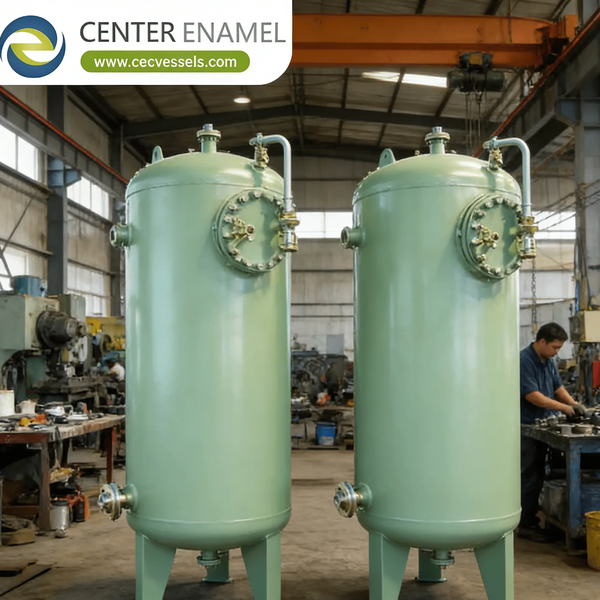
Multifunctional reactors for adhesive production are configurable process vessels designed to combine mixing, heating, cooling, reaction processing, temperature control, and process monitoring in one system. By selecting suitable agitators, heat-transfer systems, materials, and instrumentation, the reactor can be customized for different adhesive formulations, viscosities, batch sizes, and production requirements.
What Are Multifunctional Reactors for Adhesive Production?
A multifunctional reactor is a process vessel designed to perform several manufacturing operations within the same equipment. In adhesive production, the reactor can provide controlled mixing, heat transfer, reaction processing, and temperature management while maintaining the required process conditions.
Unlike a vessel designed for only one operation, a multifunctional reactor can integrate different process components according to the formulation. The configuration may include an agitator, heating jacket, cooling system, temperature sensors, pressure monitoring devices, and other customized process-control components.
This flexible configuration makes multifunctional reactors suitable for adhesive manufacturing processes where raw materials may require controlled mixing, heating, reaction, cooling, and final discharge in sequence.
The reactor configuration should be determined according to the adhesive formulation and actual operating conditions rather than using one standard design for every application.
How Does a Multifunctional Reactor Work in Adhesive Manufacturing?
The working process of a multifunctional reactor generally involves material charging, mixing, heating or cooling, reaction processing, temperature monitoring, and discharge.
1. Material Charging
Raw materials are introduced into the reactor according to the production formulation. The charging system can be configured according to the physical characteristics of the materials and the production process.
2. Mixing
The agitator distributes the components throughout the reactor and promotes consistent material mixing. Agitator selection depends on factors such as viscosity, solids content, batch volume, and required mixing characteristics.
3. Heating
Some adhesive formulations require controlled heating during processing. A reactor can be equipped with a suitable heating system, such as a heating jacket, steam heating, thermal oil heating, or electric heating, depending on the process requirements.
4. Reaction Processing
During the reaction stage, the reactor maintains the required mixing and temperature conditions. Process parameters can be monitored through integrated instrumentation.
5. Cooling
After heating or reaction processing, cooling may be required before the product reaches the desired processing or discharge temperature. A suitable cooling configuration can be integrated into the reactor according to the heat-transfer requirements.
6. Discharge
After the adhesive reaches the required process condition, the finished material can be discharged through a suitable outlet system for subsequent processing, storage, filling, or packaging.
What Functions Can Be Integrated Into a Multifunctional Reactor?
A multifunctional reactor can combine several process functions in one vessel. The exact configuration depends on the adhesive formulation and production requirements.
Agitation
The agitation system is one of the most important components of an adhesive production reactor. Different adhesive materials may require different mixing characteristics because viscosity and material behavior can change during processing.
The agitator can therefore be selected according to the material properties, batch size, mixing requirements, and reactor configuration.
For higher-viscosity materials, the agitator design and drive system should be evaluated according to the actual viscosity range and required mixing performance.
Heating
Heating allows the reactor to maintain the temperature required for a specific formulation or processing step.
Possible heating configurations include:
The appropriate heating method depends on the required temperature range, heat-transfer requirements, batch volume, and available plant utilities.
Cooling
Cooling can be integrated when the adhesive production process requires controlled temperature reduction.
A jacket or other suitable heat-transfer system can be designed to remove heat from the process material. Cooling requirements should be evaluated together with the material characteristics, batch size, initial temperature, target temperature, and required cooling rate.
Temperature Control
Temperature control is important when adhesive properties depend on processing temperature. Temperature sensors and control components can be incorporated into the reactor system to monitor process conditions.
The heating and cooling systems can then be coordinated with the temperature-control system to maintain the required operating range.
Pressure Monitoring
Where the process requires pressure monitoring, suitable pressure measurement and control components can be incorporated into the reactor configuration.
The vessel design and pressure-related components should be determined from the actual operating conditions and applicable design requirements.
Process Monitoring
A multifunctional reactor can be equipped with customized instrumentation for monitoring important process parameters. Depending on the process, this may include temperature, pressure, level, and other process variables.
The instrumentation configuration should be selected according to the customer's production process and control requirements.
Why Are Multifunctional Reactors Suitable for Adhesive Production?
Adhesive manufacturing can involve different formulations, viscosities, temperatures, and processing sequences. A multifunctional reactor allows several process functions to be integrated into one production system.
Flexible Process Configuration
The reactor can be configured according to different formulations and production requirements. Agitation, heating, cooling, instrumentation, and other components can be selected according to the process.
Controlled Mixing
A suitable agitation system helps maintain consistent material distribution during processing. Agitator selection can be adjusted according to viscosity and other material characteristics.
Integrated Heating and Cooling
Combining heating and cooling functions in one reactor allows temperature-related process steps to be performed within the same vessel.
Batch Processing Flexibility
Multifunctional reactors can be designed for batch production, making them suitable for manufacturing processes that require different formulations or production quantities.
Customized Process Control
Temperature monitoring, pressure monitoring, and other instrumentation can be integrated according to the process requirements, providing a more controlled production environment.
What Types of Adhesives Can Be Produced?
The suitable reactor configuration depends on the specific adhesive formulation and process conditions. Depending on the formulation and equipment design, multifunctional reactors can be used for various industrial adhesive and resin-based production processes.
Potential applications include:
Epoxy adhesive formulations
Resin-based adhesives
Structural adhesive formulations
Industrial adhesive products
High-viscosity adhesive formulations
Sealant-related formulations
The actual reactor design should be confirmed according to the customer's formulation, viscosity, operating temperature, mixing requirements, and other process parameters.
What Agitator Is Suitable for Adhesive Production?
There is no single agitator design suitable for every adhesive formulation. The selection should be based on the physical and chemical characteristics of the material.
Important selection factors include:
Material viscosity
Viscosity changes during processing
Batch volume
Solids content
Required mixing intensity
Heat-transfer requirements
Reactor geometry
Required mixing time
Motor and drive requirements
For low-viscosity materials, a conventional mixing configuration may be sufficient. Higher-viscosity materials may require a different agitator geometry and drive configuration.
For this reason, the agitator should be selected as part of the complete reactor design rather than treated as an independent component.
How Do You Select a Multifunctional Reactor for Adhesive Production?
Reactor selection should begin with the actual production process rather than only the required vessel volume.
Batch Capacity
The reactor volume should correspond to the required batch size and working volume. Adequate space should also be considered for mixing and process operation.
Adhesive Viscosity
Viscosity directly affects agitator selection, mixing requirements, motor sizing, and overall reactor configuration.
Heating Requirements
The required heating temperature, heating rate, available utilities, and heat-transfer area should be considered when selecting the heating system.
Cooling Requirements
If cooling is required, the required cooling capacity, target temperature, cooling rate, and process heat load should be evaluated.
Material Compatibility
The materials in contact with the adhesive should be selected according to the formulation and operating conditions. Material compatibility is particularly important when the formulation contains chemically active or corrosive components.
Operating Conditions
Operating temperature and pressure requirements should be defined before the reactor is designed. These parameters affect vessel construction, components, instrumentation, and applicable design standards.
Agitation Requirements
The agitator type, speed, drive system, and mixing configuration should be selected according to the viscosity and mixing characteristics of the adhesive.
Instrumentation
The reactor can incorporate process instruments according to the required level of monitoring and control.
What Information Is Required to Design an Adhesive Production Reactor?
For a customized reactor, customers should provide as much process information as possible. Important information includes:
Adhesive or resin type
Raw material characteristics
Batch volume
Working volume
Material viscosity
Solids content
Operating temperature
Required heating method
Required cooling method
Mixing requirements
Agitator requirements
Operating pressure
Material compatibility requirements
Required instrumentation
Production cycle
Applicable design standards
This information allows the reactor configuration to be evaluated according to the actual process instead of relying on a generic vessel design.
Multifunctional Reactor Technical Configuration
A multifunctional reactor can be customized according to process requirements. Typical configuration considerations include:
Reactor type: Customized process reactor
Agitation system: Selected according to viscosity, batch size, and mixing requirements
Heating system: Steam, thermal oil, electric heating, or other suitable configurations
Cooling system: Jacket or customized cooling configuration
Temperature monitoring: Integrated temperature measurement and control
Pressure monitoring: Customized according to operating requirements
Instrumentation: Selected according to process-control requirements
Vessel material: Selected according to adhesive formulation and material compatibility
Reactor volume: Determined according to batch size and working volume
Design standard: Selected according to project requirements and applicable regulations
The final configuration should be confirmed through process and engineering evaluation.
How Is a Multifunctional Reactor Customized?
Customization can involve the vessel dimensions, working volume, agitator system, heating and cooling configuration, instrumentation, material selection, and connection arrangement.
For adhesive production, customization is particularly important because different formulations may have different viscosities, temperature requirements, mixing characteristics, and reaction conditions.
Center Enamel can evaluate the reactor configuration according to the customer's process data and develop a suitable equipment design.
What Standards Can Be Applied to Multifunctional Reactors?
The applicable design and manufacturing standards depend on the reactor type, operating conditions, project requirements, and destination market.
Center Enamel states that its reactor manufacturing capabilities include designs according to standards and codes such as ASME Boiler and Pressure Vessel Code, BS EN 13445, and GB/T 150.1-150.4-2024.
The applicable standard should be confirmed during the engineering stage based on the specific reactor design and project requirements.
Why Choose Center Enamel for Multifunctional Reactors?
Center Enamel provides customized process equipment for industrial applications, including multifunctional reactors designed according to specific production requirements.
The reactor configuration can be evaluated according to:
Center Enamel also states that its production and R&D base covers approximately 150,000 square meters and supports industrial equipment manufacturing and engineering activities.
Rather than applying one fixed reactor configuration to every adhesive process, the equipment can be engineered according to the customer's formulation and operating conditions.
Frequently Asked Questions
What is a multifunctional reactor for adhesive production?
A multifunctional reactor for adhesive production is a configurable process vessel that integrates functions such as mixing, heating, cooling, reaction processing, temperature control, and process monitoring.
What does a multifunctional reactor do?
It performs multiple process operations within one vessel, reducing the need to transfer materials between separate processing units for different stages of production.
What types of adhesives can be produced in a multifunctional reactor?
Depending on the reactor configuration and formulation, multifunctional reactors can be designed for epoxy, resin-based, structural, industrial, and other adhesive-related production processes.
Which agitator is suitable for high-viscosity adhesives?
The suitable agitator depends on the actual viscosity, batch size, solids content, mixing requirements, reactor geometry, and required mixing performance. A customized agitator should be selected based on the specific formulation.
What heating methods are available?
Common heating options include steam heating, thermal oil heating, electric heating, and jacket-based heat-transfer systems. The appropriate option depends on the process temperature and heat-transfer requirements.
Can a multifunctional reactor provide cooling?
Yes. Cooling can be integrated through a suitable jacket or other heat-transfer configuration when the production process requires controlled cooling.
How is temperature controlled during adhesive production?
Temperature can be monitored through integrated temperature sensors and controlled by coordinating the reactor's heating and cooling systems according to the required process conditions.
Can the reactor be customized for different adhesive formulations?
Yes. Reactor volume, agitator configuration, heating and cooling systems, materials, instrumentation, and other components can be customized according to the formulation and production requirements.
How is reactor capacity determined?
Reactor capacity is determined from batch size, working volume, production capacity, material characteristics, mixing requirements, and the space required for safe and effective process operation.
What information is needed to design a customized reactor?
Key information includes the formulation, viscosity, batch volume, operating temperature, operating pressure, heating and cooling requirements, mixing requirements, material compatibility, production cycle, instrumentation, and applicable design standards.
Need a Customized Multifunctional Reactor for Adhesive Production?
Center Enamel can design and manufacture multifunctional reactors according to adhesive formulation, batch capacity, viscosity, agitation requirements, heating and cooling conditions, material compatibility, instrumentation, and applicable design standards.
Share your process requirements with our engineering team to evaluate the appropriate reactor volume, configuration, agitation system, heat-transfer system, and process-control components for your adhesive production application.


