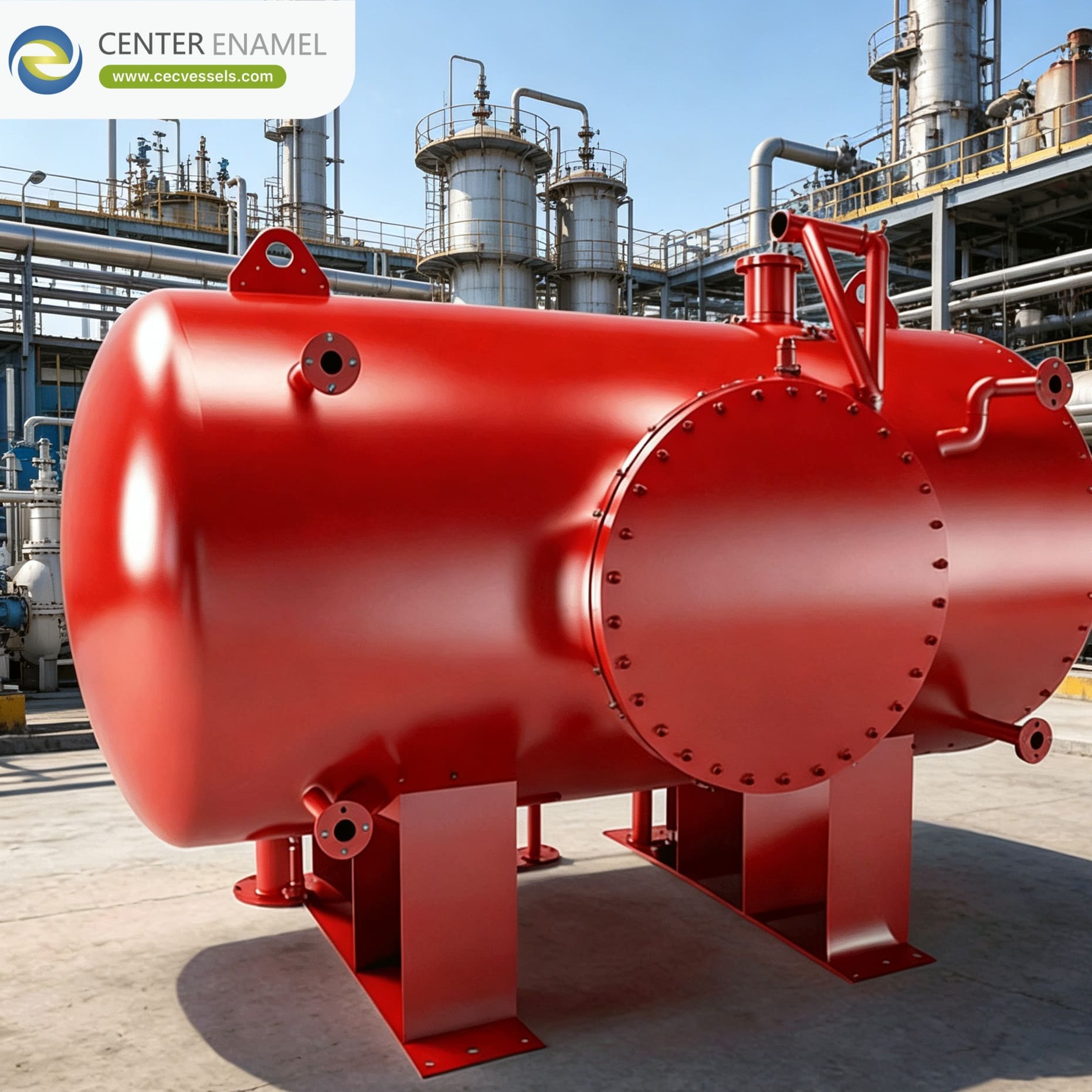
Neutralizer Vessel for Accurate pH Adjustment in Industrial Processing
A Neutralizer Vessel is an essential piece of industrial process equipment used to adjust the pH of liquids through controlled chemical reactions. It supports stable processing conditions in wastewater treatment, chemical production, and other industrial applications. What Is a Neutralizer Vessel?A Neutralizer Vessel is a specialized tank designed to mix acidic or alkaline liquids with neutralizing agents to achieve a required pH level. It provides a controlled environment for chemical dosing, agitation, and reaction. During operation, acidic or alkaline materials enter the vessel and react with an appropriate neutralizing chemical. An agitation system promotes uniform mixing, while pH monitoring instruments help operators track the reaction and determine when the target pH has been reached. Depending on process requirements, a neutralizer vessel can be designed as a batch or continuous processing unit. Its capacity, material selection, mixing configuration, and auxiliary equipment are determined by the characteristics of the liquid and the required treatment capacity. How Does a Neutralizer Vessel Work?The working principle of a neutralizer vessel is based on acid-base neutralization. When an acidic solution reacts with an alkaline substance, or an alkaline solution reacts with an acidic substance, the reaction changes the pH of the liquid. A typical neutralization process involves the following steps: 1. Liquid Feeding The liquid requiring pH adjustment is transferred into the vessel through an inlet pipeline. Feed pumps and flow control devices help maintain the required liquid flow. 2. Chemical Dosing A neutralizing agent is introduced according to the initial pH value and the desired treatment target. Common chemicals include sodium hydroxide, lime, sulfuric acid, and hydrochloric acid, depending on the process. 3. Mixing and Reaction An agitator distributes the neutralizing agent throughout the liquid. Uniform mixing improves contact between the reacting substances and supports consistent pH adjustment. 4. pH Monitoring A pH sensor measures the liquid's acidity or alkalinity. The monitoring system provides feedback that allows operators or an automatic control system to adjust chemical dosing. 5. Discharge After the liquid reaches the specified pH range, it can be transferred to the next processing stage, such as filtration, sedimentation, biological treatment, or product processing. This controlled operating sequence helps maintain consistent treatment quality and supports efficient chemical consumption. Main Components of an Industrial Neutralizer VesselA complete Neutralizer Vessel system consists of several components that work together to achieve reliable pH adjustment. The configuration can be customized according to the process flow, chemical properties, and production requirements. 1. Vessel Body The vessel body provides the required volume for liquid retention and chemical reactions. Its dimensions are determined by the treatment capacity, liquid characteristics, and required reaction time. 2. Agitation System The agitator helps distribute neutralizing chemicals evenly throughout the liquid. Its design depends on liquid viscosity, tank geometry, mixing requirements, and operating conditions. 3. Chemical Dosing System Chemical dosing pumps deliver acids or alkaline solutions into the vessel at controlled rates. The dosing arrangement can include chemical storage tanks, pipelines, valves, and flow control instruments. 4. pH Measurement and Control System pH sensors continuously measure the acidity or alkalinity of the liquid. Combined with a control panel and dosing equipment, the system can automatically adjust chemical addition according to the required pH range. 5. Inlet and Outlet Connections Inlet and outlet nozzles connect the vessel to upstream and downstream equipment. Additional connections can be provided for drainage, sampling, cleaning, instrumentation, and maintenance. 6. Support Structure and Accessories Depending on installation requirements, the vessel can include support legs, skirts, platforms, ladders, manholes, and other customized accessories. The integration of these components allows a neutralizer vessel to operate as an individual processing unit or as part of a complete industrial treatment system. Mech-Chem -+2 What Are the Main Applications of Neutralizer Vessels?Neutralizer Vessels are widely used in industries where liquid pH must be adjusted before further processing, recycling, or discharge. 1. Industrial Wastewater Treatment Industrial wastewater may contain acidic or alkaline substances from manufacturing operations. A neutralizer vessel adjusts the wastewater pH before subsequent treatment processes, such as sedimentation, filtration, or biological treatment. 2. Chemical Manufacturing In chemical production, pH adjustment is often required during reaction preparation, intermediate processing, and final product treatment. Neutralizer vessels provide controlled mixing conditions for adding acidic or alkaline reagents. 3. Pharmaceutical Production Pharmaceutical manufacturing involves liquid preparation and chemical processing steps that may require specific pH conditions. A properly configured neutralizer vessel supports consistent mixing and process control. 4. Metal Surface Treatment Metal cleaning, pickling, and surface finishing operations can generate wastewater with varying acidity or alkalinity. Neutralization equipment helps adjust the wastewater pH before additional treatment. 5. Food and Beverage Processing Certain cleaning operations and liquid processing procedures in food and beverage facilities require pH adjustment. Neutralizer vessels can be integrated into wastewater treatment or process liquid preparation systems. 6. Battery Material Manufacturing Battery production involves chemical preparation, material processing, and wastewater treatment. Neutralizer vessels can be used to adjust the pH of process wastewater and support subsequent separation and treatment operations. How to Select the Right Neutralizer Vessel?Choosing a suitable Neutralizer Vessel requires consideration of the process characteristics and operating requirements. A properly selected vessel helps maintain stable pH adjustment and supports efficient industrial production. The following factors should be evaluated before equipment selection:
Processing Capacity: The vessel volume should match the expected liquid flow rate and required reaction time. For continuous systems, the design should also consider variations in incoming flow. Material Selection: Stainless steel, carbon steel with suitable protective lining, and other corrosion-resistant materials can be considered according to the chemical composition and operating conditions. Mixing Configuration: The agitator should provide sufficient mixing performance to distribute the neutralizing agent throughout the liquid. Tank geometry and internal components should also be considered. Automation Level: Manual, semi-automatic, and fully automatic control systems can be selected according to production requirements. Automatic pH monitoring and chemical dosing can help maintain consistent operating conditions. Customized Design: Vessel dimensions, nozzle positions, support structures, and auxiliary equipment should be coordinated with the overall process layout. Batch Neutralization vs. Continuous NeutralizationNeutralizer vessels can generally operate in batch or continuous mode. The appropriate configuration depends on the production scale, liquid flow characteristics, and process control requirements.
Batch neutralization offers flexibility when liquid composition or treatment volume changes between production cycles. Continuous neutralization is suitable for facilities requiring ongoing liquid treatment. For processes with fluctuating feed characteristics, multiple neutralization stages may be considered to improve pH control and provide additional reaction time. ScienceDirect+2 Why Choose Center Enamel as Your Neutralizer Vessel Manufacturer?Selecting an experienced Neutralizer Vessel Manufacturer is important for obtaining equipment that matches specific industrial processing requirements. Center Enamel specializes in industrial tank and process equipment solutions, providing customized equipment configurations for different industrial applications. When supplying a Neutralizer Vessel, key manufacturing and engineering considerations include:
lCustomized Vessel Design: Vessel dimensions, capacity, structural configuration, and connection arrangements can be tailored to project requirements. lMaterial Selection: Suitable construction materials are selected according to the chemical properties of the processing medium and operating environment. lAgitation Configuration: Mixing equipment can be designed to meet specific liquid circulation and chemical reaction requirements. lProcess Integration: Inlet and outlet connections, dosing interfaces, instrumentation, and auxiliary components can be coordinated with the customer's process system. lProject Support: Technical communication and equipment configuration support help customers identify suitable solutions for their industrial facilities. As a professional China Neutralizer Vessel Manufacturer, Center Enamel aims to provide reliable industrial equipment solutions for wastewater treatment, chemical processing, and other manufacturing sectors. Frequently Asked Questions About Neutralizer VesselsQ1: What is the main function of a neutralizer vessel? A: Its main function is to adjust the pH of acidic or alkaline liquids by adding suitable neutralizing chemicals and providing sufficient mixing time for the reaction. Q2: Which chemicals are commonly used in neutralization? A: Common neutralizing agents include sodium hydroxide, calcium hydroxide, sulfuric acid, and hydrochloric acid. The selection depends on the initial pH, required final pH, and liquid composition. Q3: Can a neutralizer vessel operate automatically? A: Yes. A neutralizer vessel can be equipped with pH sensors, chemical dosing pumps, and an automatic control panel to monitor liquid conditions and regulate chemical addition. Q4: What materials are suitable for neutralizer vessels? A: Stainless steel, lined carbon steel, and other compatible materials can be selected according to the chemical medium, temperature, and project requirements. Q5: What is the difference between a neutralizer vessel and a mixing tank? A: A mixing tank is primarily designed to blend different materials, while a neutralizer vessel is specifically configured for controlled acid-base reactions and pH adjustment. A neutralizer vessel typically requires additional chemical dosing and pH monitoring equipment. Customized Neutralization Solutions from Center EnamelA well-designed Neutralizer Vessel plays an important role in industrial pH adjustment, chemical processing, and wastewater treatment. Its performance depends on appropriate vessel sizing, material selection, mixing configuration, and pH control systems. Center Enamel provides industrial equipment solutions tailored to different project requirements. Whether you need an individual neutralization vessel or customized equipment for an integrated processing system, our team can assist with equipment configuration and technical consultation. Contact Center Enamel to discuss your project requirements and explore suitable Neutralizer Vessel solutions for your industrial applications. |