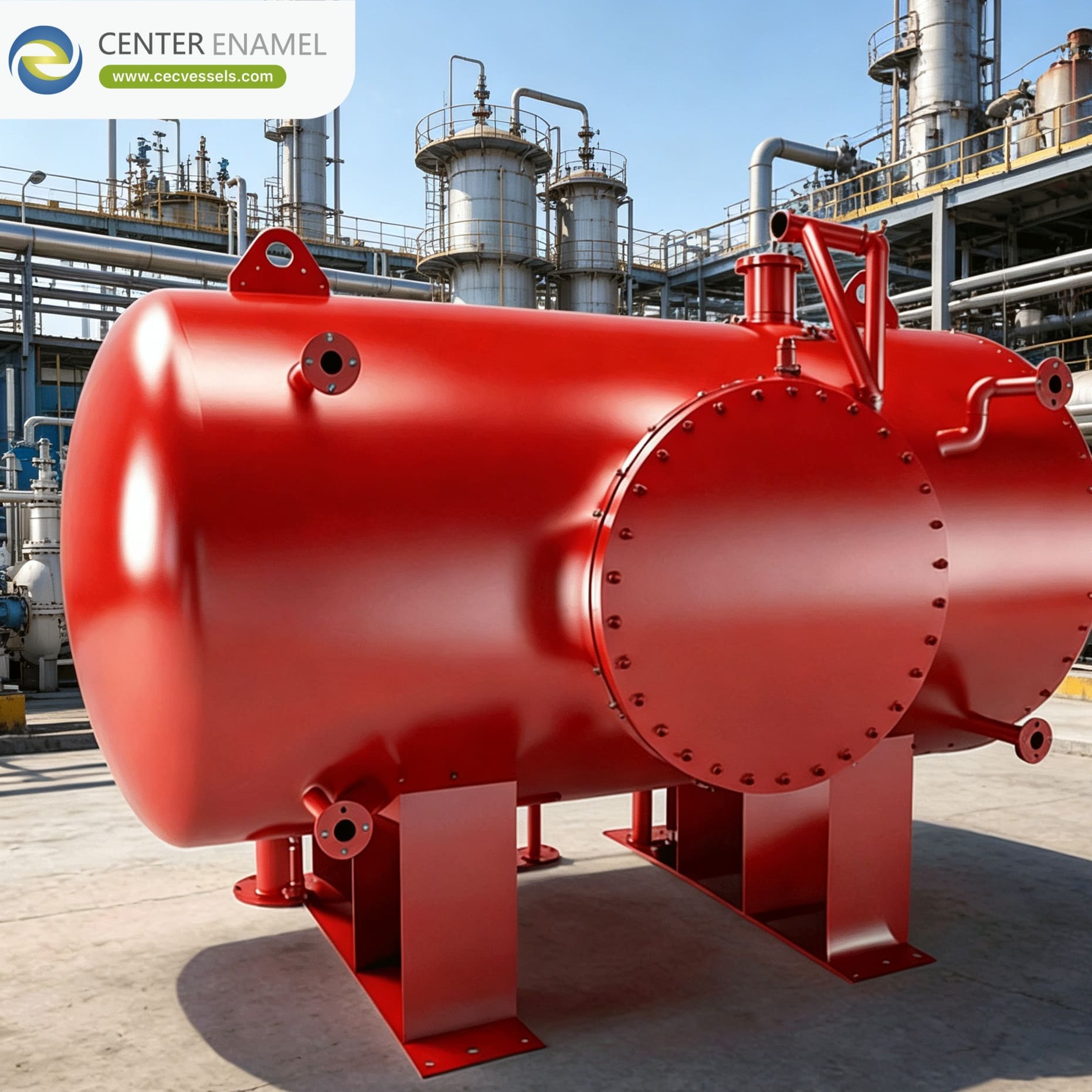
Selecting Industrial Heat Transfer Equipment for Data Centers and Battery Plants
Industrial Heat Transfer Equipmentis designed to transfer thermal energy between different fluids or process materials. It plays an important role in cooling, heating, and temperature regulation across industrial facilities. In data centers and battery manufacturing plants, heat transfer equipment helps maintain suitable operating temperatures for electronic systems, production machinery, and process materials. Common equipment includes:
Industrial heat exchangersfor transferring heat between separate fluid circuits.
Cooling vesselsfor temperature-controlled material processing.
Chillersfor supplying chilled water or cooling fluids.
Circulation pumpsfor maintaining fluid movement.
Buffer tanksfor stabilizing cooling water supply.
Temperature control systemsfor monitoring and adjusting operating conditions.
Selecting suitable equipment requires evaluating heat loads, fluid properties, operating temperatures, cooling capacity, and system integration requirements. Why Do Data Centers Need Specialized Heat Transfer Equipment?Data Center Heat Transfer Equipmentsupports the removal of heat generated by servers, storage systems, networking devices, and other electronic components. As computing workloads increase, data centers require more effective thermal management systems. High-density server racks and AI computing infrastructure can generate substantial heat within relatively compact spaces. Heat transfer equipment helps move this thermal energy away from IT equipment and transfer it to external cooling systems. Typical applications include: Chilled Water Cooling Industrial chillers produce chilled water that circulates through cooling coils, air handling units, and other cooling equipment. Heat transfers from the server room air to the chilled water system. Direct-to-Chip Liquid Cooling Liquid cooling systems circulate coolant through cold plates attached to server processors and other heat-generating components. The heated coolant then flows through a heat exchanger to release thermal energy. Immersion Cooling Selected electronic components are immersed in specialized dielectric fluids. Heat transfers from electronic components into the fluid and is subsequently removed through a heat exchange system. These configurations require appropriately sized heat exchangers, pumps, piping, and temperature control equipment. What Types of Industrial Heat Exchangers Are Used in Data Centers?Industrial Heat Exchangersare essential components in modern data center cooling infrastructure. Different exchanger configurations are suitable for different cooling capacities and fluid circulation arrangements. Plate Heat ExchangersPlate heat exchangers use multiple metal plates to create separate flow channels for two fluids. Heat transfers through the plates without direct mixing between the fluid circuits. Main advantages include:
Compact equipment structure.
Large heat transfer surface area.
Flexible capacity configuration.
Convenient integration into chilled water systems.
They are commonly used in cooling distribution units and facility cooling networks. Shell-and-Tube Heat ExchangersShell-and-tube heat exchangers consist of multiple tubes installed inside a cylindrical shell. One fluid flows through the tubes while another circulates around them. They are suitable for industrial cooling applications requiring specific flow arrangements, larger equipment configurations, or customized thermal performance. Air-Cooled Heat ExchangersAir-cooled heat exchangers transfer heat from process fluids to surrounding air through finned heat transfer surfaces. They can be used in facilities where air-based heat rejection is suitable for the cooling system design. The selection of an exchanger should consider heat load, flow rate, temperature difference, fluid characteristics, and available installation space. How Does Heat Transfer Equipment Support Battery Manufacturing?Battery Manufacturing Cooling Equipmentis important for maintaining controlled temperatures throughout lithium-ion battery production. Battery manufacturing includes several stages, such as slurry preparation, electrode coating, drying, cell assembly, and formation. Different production stages have different thermal management requirements. Slurry Mixing Mixing equipment generates heat through mechanical operation. Jacketed mixing vessels and external heat exchangers can help maintain suitable slurry temperatures. Electrode Coating Temperature control supports consistent processing conditions during electrode coating. Cooling equipment can regulate the temperature of selected process fluids and supporting machinery. Battery Formation During formation, battery cells undergo controlled charging and discharging procedures. Temperature management equipment helps maintain suitable conditions throughout the process. Material Preparation Chemical materials and battery production fluids may require cooling before storage, mixing, or further processing. Industrial cooling vessels provide temperature-controlled environments for these operations. By connecting cooling equipment with process vessels and circulation systems, manufacturers can establish integrated temperature management solutions. What Heat Transfer Systems Are Suitable for Battery Plants?Heat Transfer Systemsin battery plants are generally designed around the thermal requirements of individual production processes. Several equipment configurations are commonly used.
For example, a battery material preparation system may combine a jacketed stainless steel vessel, an industrial chiller, a circulation pump, and a plate heat exchanger. This arrangement allows process materials and cooling media to exchange thermal energy through separate circulation paths. What Factors Should Be Considered When Selecting Industrial Heat Transfer Equipment?Choosing appropriate Industrial Heat Transfer Equipmentrequires a complete understanding of the operating conditions and thermal requirements. Heat Load and Cooling CapacityThe total heat load determines the required equipment capacity. Data centers should consider server heat generation, while battery plants should evaluate heat generated by mixing, processing, and supporting equipment. Operating TemperatureSupply and return temperatures influence heat exchanger sizing and cooling system configuration. The required temperature range should be clearly defined before equipment selection. Fluid PropertiesFluid viscosity, density, thermal conductivity, and chemical compatibility influence heat transfer performance. Water, glycol solutions, and specialized cooling fluids may require different equipment configurations. Heat Transfer AreaThe available heat transfer surface affects thermal exchange capacity. Equipment dimensions and internal structures should be selected according to the required duty. Material SelectionStainless steel is widely used in industrial heat transfer equipment because of its durability and cleanability. SS304 and SS316 are common choices for different industrial applications, depending on fluid characteristics and operating conditions. Maintenance and InstallationEquipment should allow convenient access for inspection, cleaning, and routine maintenance. Connection locations, pipeline arrangements, and installation space should also be considered during engineering. How Does Liquid Cooling Improve Data Center Thermal Management?Liquid Cooling Heat Exchangersare increasingly important in data centers with high-density computing infrastructure. Compared with conventional air cooling, liquid cooling transfers heat directly through a circulating liquid medium. This approach can improve heat removal efficiency in applications where servers generate concentrated thermal loads. A typical liquid cooling system includes:
Cold plates or liquid cooling components connected to IT equipment.
Coolant circulation pipelines.
Cooling distribution units.
Plate heat exchangers.
Facility water circulation systems.
Pumps, valves, and temperature monitoring instruments.
The heat generated by servers is absorbed by the coolant and transferred through a heat exchanger to the facility cooling circuit. This configuration allows the IT cooling loop and facility cooling loop to operate separately while exchanging thermal energy efficiently. How Can Industrial Thermal Management Improve Energy Efficiency?Industrial Thermal Managementfocuses on optimizing heat removal, fluid circulation, and equipment operation throughout a facility. Several strategies can improve overall system performance. Variable-Speed Pumping Variable-frequency drives adjust pump speeds according to actual cooling demand, helping reduce unnecessary energy consumption. Heat Recovery Thermal energy removed from data center equipment or battery production processes can sometimes be recovered for suitable heating applications. Optimized Heat Exchange Selecting appropriate exchanger types and heat transfer areas helps improve system performance. Intelligent Temperature Control Sensors and automated control systems monitor fluid temperatures, flow rates, and equipment conditions to adjust cooling operations. Centralized Cooling Systems Centralized cooling infrastructure allows multiple production units or server cooling circuits to share cooling resources. These approaches help facilities coordinate cooling capacity with actual operating requirements. How to Choose a Reliable Industrial Heat Transfer Equipment Manufacturer?A qualified manufacturer should understand both equipment fabrication and the technical requirements of industrial cooling systems. Before selecting a supplier, buyers should evaluate:
Engineering capabilities:Ability to design customized heat exchangers, vessels, and integrated cooling equipment.
Material expertise:Experience with stainless steel and other materials suitable for different process fluids.
Manufacturing quality:Fabrication, welding, surface treatment, and assembly capabilities.
Customization options:Availability of different capacities, connection arrangements, and heat exchange structures.
Quality inspection:Material verification, dimensional inspection, and relevant equipment testing.
Project experience:Previous experience with data center cooling, battery manufacturing, or similar industrial applications.
Providing detailed process information helps manufacturers recommend equipment that matches the actual application. Frequently Asked QuestionsQ1: What is the most common heat exchanger used in data centers? Plate heat exchangers are widely used in data center cooling systems because of their compact structure and effective heat transfer performance. Shell-and-tube designs are also used in selected industrial cooling applications. Q2: What cooling equipment is needed in battery manufacturing plants? Common equipment includes industrial chillers, heat exchangers, jacketed mixing vessels, cooling tanks, circulation pumps, and temperature control systems. Q3: Can one heat exchanger serve multiple cooling circuits? Yes. Depending on the system design, heat exchangers can connect different cooling circuits. Capacity, flow rate, temperature requirements, and circuit arrangements must be evaluated. Q4: Why is stainless steel commonly used for industrial heat transfer equipment? Stainless steel provides durability, cleanability, and corrosion resistance in many industrial environments. The specific grade should be selected according to process fluid compatibility. Q5: Can heat transfer equipment be customized for specific projects? Yes. Equipment capacity, materials, heat transfer surfaces, connections, and structural configurations can be customized according to project specifications. Integrated Heat Transfer Solutions for Data Centers and Battery PlantsIndustrial Heat Transfer Equipmentis essential for maintaining stable thermal conditions in modern data centers and battery manufacturing facilities. From liquid cooling heat exchangers and chilled water systems to jacketed process vessels and industrial cooling equipment, each component contributes to effective thermal management. Selecting suitable equipment requires considering cooling capacity, fluid characteristics, operating temperatures, and overall system configuration. By combining customized heat exchangers, process vessels, pumps, and intelligent control systems, industrial facilities can establish efficient and reliable heat transfer solutions for changing production and computing requirements.
|