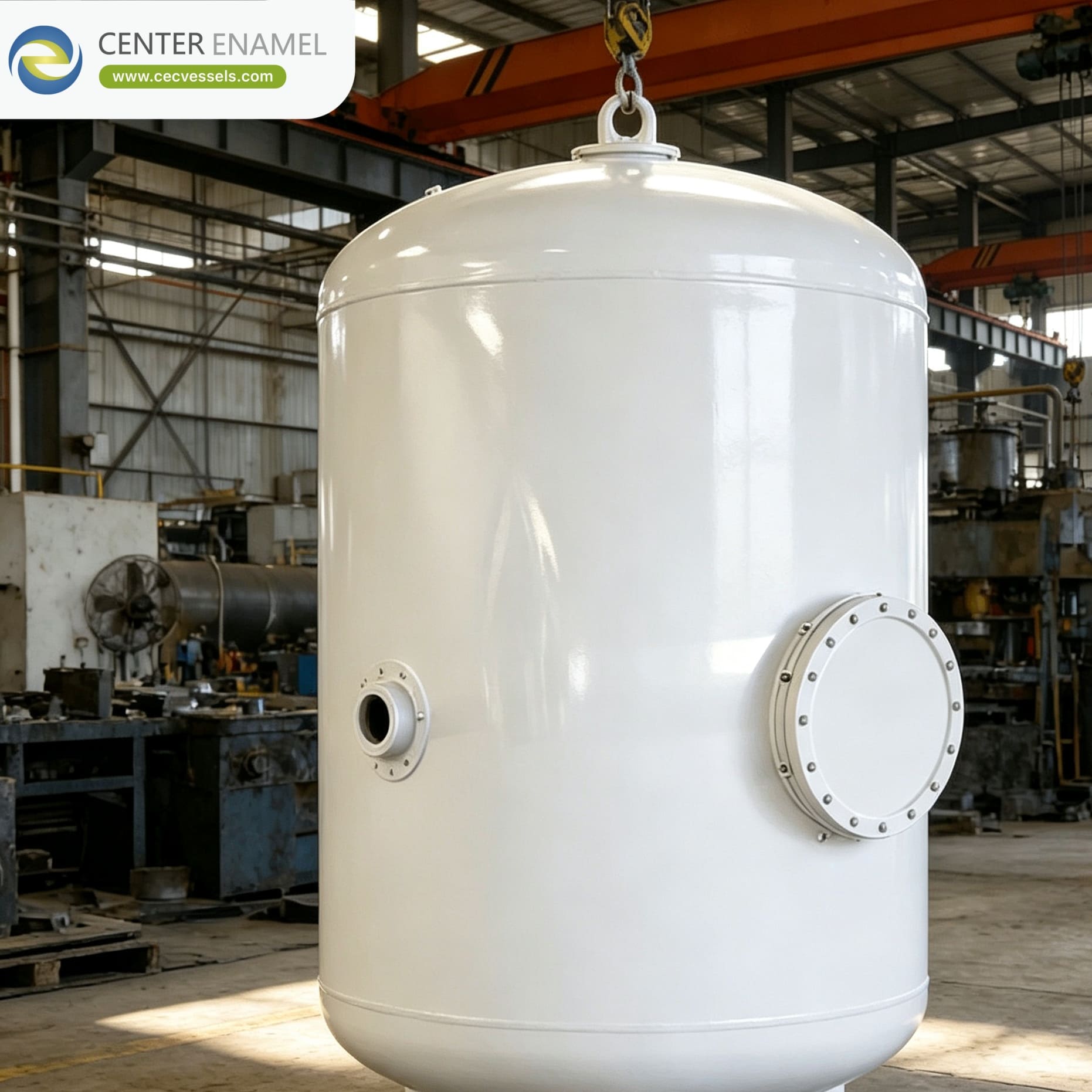
Separators: Precision Engineering for Oil and Gas
An oil and gas separatoris an essential piece of production equipment designed to divide well fluids into separate gas, oil, and water streams. Through carefully engineered vessel geometry and internal components, separators support efficient hydrocarbon recovery and prepare fluids for downstream processing. Modern oil and gas separatorsare available in different configurations, capacities, and materials to accommodate varying production conditions. Their performance depends on accurate process calculations, suitable internal components, reliable instrumentation, and consistent manufacturing quality. How Precision Engineering Improves Separator PerformancePrecision engineering helps ensure that a separator matches the physical properties of the incoming fluid and the requirements of the production facility. Every design element contributes to separation efficiency, operating stability, and equipment service life. Accurate Process DesignThe design process begins with an evaluation of gas flow rate, liquid production volume, fluid density, viscosity, and expected operating temperature. Engineers use these parameters to determine the vessel dimensions, liquid retention capacity, and required separation space. Accurate sizing helps prevent excessive gas velocity and provides sufficient time for liquid droplets to settle. It also allows the equipment to accommodate expected variations in production without compromising the required outlet quality. Optimized Internal ComponentsInternal components guide the movement of gas and liquid inside the vessel. An inlet diverter reduces the momentum of the incoming stream, while baffles help control internal flow. Mist extractors capture fine liquid droplets carried by the gas. In three-phase separators, additional components support the separation of oil and water. The arrangement of these components should match the feed characteristics and the intended separation duty. A properly engineered internal structure improves phase distribution and helps maintain consistent performance. Reliable Liquid Level ControlLiquid level control is essential for maintaining the separation zones inside a vessel. Instruments monitor the liquid inventory, while control valves regulate the discharge of oil and water. For three-phase equipment, the oil-water interface must also remain within the specified operating range. Appropriate instrumentation and control logic help maintain stable separation and coordinate the separator with downstream equipment. Types of Oil and Gas SeparatorsThe selection of oil and gas separatorsdepends on the number of phases to be separated, production volume, available installation space, and process requirements. Two-Phase SeparatorsA two-phase separatorseparates gas from liquid. The liquid outlet may contain oil and water together, depending on the composition of the incoming wellstream. These vessels are commonly used in well testing, gas-liquid separation, and production systems where further liquid treatment takes place downstream. Three-Phase SeparatorsA three-phase separatordivides the incoming mixture into gas, oil, and water streams. Gravity allows the liquid phases to form separate layers, while internal components support efficient gas removal and liquid separation. Three-phase designs are suitable for production facilities that handle significant quantities of produced water and require separate liquid outlets. Horizontal SeparatorsHorizontal separators provide a long vessel layout with substantial liquid collection capacity. They are frequently selected for applications involving large liquid volumes or extended liquid retention requirements. Their geometry can support effective oil-water separation when the vessel is correctly sized for the feed composition and operating conditions. Vertical SeparatorsVertical separators arrange the gas separation section above the liquid collection area. Their smaller ground footprint makes them useful for installations with limited space. They can also suit selected production streams with relatively high gas content and lower liquid volumes. The final configuration should be determined by process calculations and site requirements. Material Selection and Fabrication QualityThe materials used to manufacture an oil and gas separatordirectly affect its durability, compatibility with process fluids, and maintenance requirements. Selecting Suitable MaterialsMaterial selection should consider fluid composition, temperature, corrosion characteristics, and applicable engineering standards. Carbon steel is commonly used for many industrial separator applications, while stainless steel or specialized corrosion-resistant materials may be appropriate for particular process conditions. Protective coatings and internal linings can also be specified when required by the service environment. Engineers should evaluate material compatibility before finalizing the vessel design. Precision Welding and FabricationFabrication quality is important for maintaining dimensional accuracy and structural integrity. Manufacturing procedures typically include material verification, controlled welding, dimensional inspection, and appropriate examination of completed welds. Depending on the project specification, inspection may involve visual examination, nondestructive testing, and other quality verification procedures. Documentation provides traceability and helps confirm that the manufactured vessel meets the agreed requirements. Design Codes and Quality AssuranceSome projects require separators designed and fabricated in accordance with recognized codes, such as the ASME Boiler and Pressure Vessel Code. Other applications may follow different applicable standards and project specifications. The selected design basis should be confirmed before fabrication begins. Consistent quality assurance helps align engineering calculations, material selection, manufacturing procedures, and final inspection. Key Applications of Oil and Gas SeparatorsOil and gas separatorsare used throughout upstream production and selected downstream processing operations.
lWellhead production:Separates produced gas and liquids before they enter downstream systems. lWell testing:Helps measure the proportions of gas, oil, and water produced by an individual well. lOil and gas processing plants:Prepares production streams for additional treatment and processing. lOffshore production facilities:Supports phase separation within compact, carefully integrated equipment layouts. lGas gathering systems:Removes entrained liquids before gas enters selected treatment or transportation equipment. lEnhanced oil recovery projects:Handles production streams containing changing proportions of oil, gas, and injected water.
For each application, equipment capacity, vessel configuration, materials, and internal components should be selected according to the specific process requirements. How to Select the Right Oil and Gas SeparatorChoosing the right oil and gas separatorrequires coordination between process engineering, equipment design, and installation planning. Consider the following factors:
lFeed composition:Establish the expected gas, oil, water, and solids content. lProcessing capacity:Determine normal flow rates and expected production variations. lSeparation requirements:Define the required outlet quality for each phase. lVessel configuration:Compare horizontal and vertical designs according to capacity and available space. lMaterial compatibility:Select suitable materials based on fluid properties and service conditions. lInstrumentation requirements:Specify liquid level monitoring, flow measurement, and control valves. lInstallation arrangement:Evaluate foundations, piping connections, maintenance access, and transportation requirements. lFabrication standards:Confirm applicable codes, inspection procedures, and documentation requirements.
A clear technical specification helps equipment suppliers develop a design that fits the intended process and reduces unnecessary modifications during installation. Frequently Asked Questions About Oil and Gas SeparatorsWhat Is the Main Function of an Oil and Gas Separator?The main function is to separate gas and liquid phases from produced well fluids. Depending on its configuration, the equipment can also divide oil and water into separate streams for further processing. What Determines the Efficiency of an Oil and Gas Separator?Separation efficiency depends on vessel sizing, feed composition, flow rate, droplet size, residence time, internal component design, and liquid level control. These factors should be evaluated together during equipment engineering. Are Oil and Gas Separators Available in Customized Designs?Yes. Oil and gas separatorscan be customized according to processing capacity, vessel orientation, material requirements, internal components, instrumentation, and applicable design standards. Skid-mounted configurations may also be specified when integrated installation is preferred. Why Are Inspection and Maintenance Important?Routine inspection and maintenance help verify the condition of the vessel, instruments, valves, and internal components. Maintenance schedules should follow the equipment manufacturer's recommendations, applicable standards, and site operating procedures. Engineering Reliable Separation SolutionsPrecision engineering brings together process calculations, vessel configuration, material selection, internal component design, and fabrication quality. When these elements are coordinated, oil and gas separatorscan provide consistent phase separation and integrate effectively with production and processing systems. By defining process requirements clearly and selecting equipment based on actual operating conditions, operators can improve production consistency, simplify equipment integration, and establish a reliable foundation for long-term oil and gas processing.
|