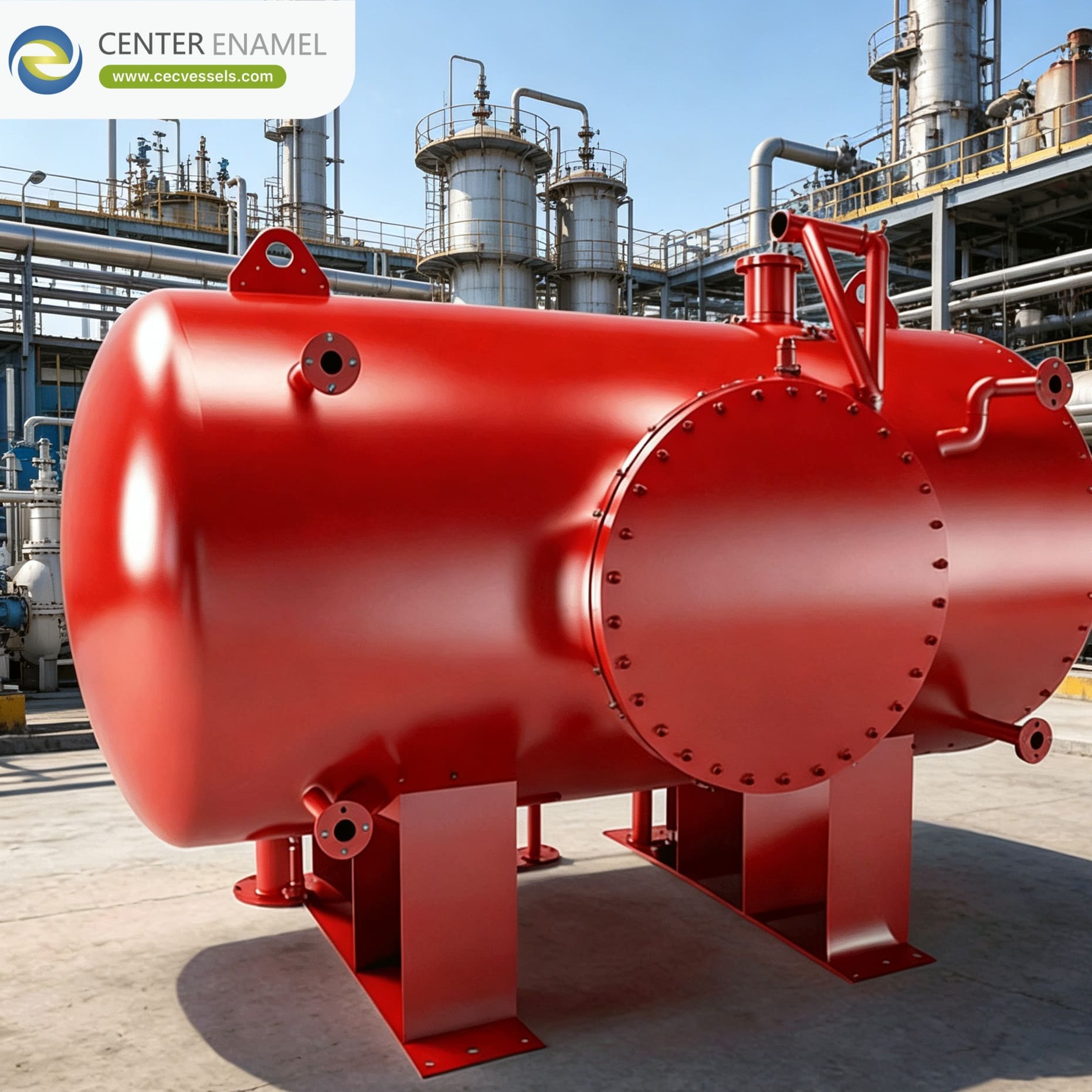
Solid Liquid Separation Systems
Solid liquid separation systems are integrated process solutions designed to separate solid particles from liquid streams. Depending on the process, solids may be recovered as a valuable product, while the liquid is clarified for further processing or reuse. A solid liquid separatorcan use filtration, centrifugation, sedimentation, or other separation principles. Modern systems can combine several stages into one process package, allowing separation, washing, drying, and related operations to work together within an organized production process. How Does Solid Liquid Separation Work?The basic principle of solid liquid separationis to take advantage of differences between solid particles and the surrounding liquid. A mixture containing solids and liquid enters the separation system. The selected equipment creates conditions that allow the solid phase to move away from the liquid phase. In filtration, the mixture passes through a filter medium. The liquid passes through the filter material while the solid particles are retained. In centrifugation, rotational movement generates centrifugal force. The denser solid particles move toward the outer part of the rotating equipment, while the liquid occupies a different region. In sedimentation, gravity causes solid particles with suitable density and size to settle through the liquid. The choice of separation method depends on particle size, solids concentration, liquid properties, flow rate, and the required condition of the separated streams. Main Types of Solid Liquid Separation SystemsDifferent technologies can be used to create a solid liquid separationprocess. Filtration SystemsFiltration is one of the most widely used methods for separating solids from liquids. A filtration system uses a porous medium that allows liquid to pass through while retaining solid particles. As filtration continues, the solids accumulate on the filter surface and form a filter cake. The filter cake can then be removed periodically or continuously, depending on the equipment configuration. Filter presses, vacuum filters, candle filters, cartridge filters, and other industrial filtration equipment can be incorporated into a complete separation system. Filtration is particularly useful when a relatively clear liquid and a concentrated solid product are required. Centrifugal Separation SystemsA centrifugal solid liquid separatoruses rotational motion to accelerate separation. When a solid-liquid mixture enters a centrifuge, centrifugal force causes the denser solids to move toward the outer section of the rotating bowl or chamber. The liquid moves toward a different region and can be discharged separately. Decanter centrifuges are designed for continuous separation. They can transport accumulated solids through the rotating bowl while clarified liquid is discharged from another outlet. Centrifugal separation is suitable for applications involving fine particles or suspensions where gravity separation alone may provide a relatively slow separation rate. Sedimentation SystemsSedimentation uses gravity to separate solids from liquids. The feed enters a vessel where the flow velocity is reduced. Solid particles gradually settle toward the bottom, while clarified liquid remains in the upper section. Clarifiers, settlers, and thickeners use this principle. Sedimentation systems are commonly incorporated into water treatment, mineral processing, chemical processing, and industrial liquid treatment. Screening and Dewatering SystemsScreens can separate larger solid particles from liquids according to particle size. A screen contains openings that allow liquid and smaller particles to pass through while retaining larger solids. Dewatering screens can also remove a portion of the liquid associated with solid materials. This type of equipment can be used as a preliminary separation stage before filtration or centrifugation. Components of a Solid Liquid Separation SystemA complete solid liquid separationsystem can include several interconnected components. Feed SystemThe feed system transfers the solid-liquid mixture into the separation equipment. Proper feed distribution is important because it helps maintain consistent flow through the separator. Pumps, piping, valves, storage tanks, and feed vessels may be included depending on the process configuration. Separation EquipmentThe central component is the solid liquid separator. The selected separator may be a filter, centrifuge, clarifier, thickener, hydrocyclone, or another separation device. The equipment is selected according to the physical properties of the feed and the desired separation result. Solids Collection SystemAfter separation, the recovered solids need to be collected and transferred. The solids may be discharged through a conveyor, screw system, collection vessel, rotary valve, or other material handling equipment. The collection method depends on whether the solids are a final product, an intermediate material, or a process residue. Liquid Collection SystemThe separated liquid is collected through a dedicated outlet. Depending on the application, the liquid may be sent to another process stage, returned for reuse, stored in a tank, or subjected to additional treatment. Control SystemModern process systems can include instrumentation and control components to monitor flow, temperature, pressure, liquid level, solids concentration, and other operating parameters. Automation can help coordinate the different components of an integrated separation package. Filtration in Solid Liquid SeparationFiltration is an important part of many solid liquid separation systems. During filtration, the solid-liquid mixture is brought into contact with a filter medium. The liquid passes through the medium while solid particles are retained. As the filtration cycle continues, the retained solids form a cake. The characteristics of this cake depend on particle size, particle shape, compressibility, concentration, and liquid properties. Different filtration technologies can be selected according to the process. A filter press is commonly operated in cycles. Slurry enters the filter chambers and liquid passes through the filter cloth. Solids remain within the chambers and form a filter cake. Vacuum filtration can provide continuous filtration. A vacuum creates a pressure difference across the filter medium, drawing liquid through the medium while solids remain on the filter surface. Other systems use candle filters, cartridge filters, or specialized filter elements. Centrifugation in Solid Liquid SeparationCentrifugation provides another important method of solid liquid separation. The separation principle is based on density differences. When the feed rotates, centrifugal force acts on the suspended particles. The solid particles generally move toward the outer region of the rotating equipment, while the liquid occupies the inner region. Decanter centrifuges can continuously remove separated solids through a rotating scroll. This makes them suitable for continuous industrial processes. Centrifuges can also be configured for batch operation when the production process requires periodic separation and discharge. The appropriate centrifuge design depends on particle characteristics, liquid viscosity, solids concentration, feed flow rate, and required separation performance. Integrated Solid Liquid Separation SystemsAn integrated solid liquid separationsystem can combine several process stages. For example, a process may begin with screening to remove larger solids. The liquid can then move into a clarifier or hydrocyclone for additional particle separation. A filter or centrifuge can provide further separation and dewatering. In another application, the separation system may include filtration followed by washing and drying. This configuration can allow the recovered solids to move through several process stages within one integrated production line. GMM Pfaudler presents solid-liquid separation as part of broader process systems and packages, where separation equipment can be incorporated into integrated process solutions. Solid Liquid Separation in Chemical ProcessingChemical manufacturing frequently produces mixtures containing solid particles and liquid components. For example, crystallization processes generate solid crystals that need to be separated from the mother liquor. Filtration or centrifugation can recover the crystals while allowing the liquid phase to continue to another process stage. Precipitation processes can also produce solid materials that must be recovered from a liquid suspension. In these applications, the solid liquid separatorbecomes an important connection between reaction, crystallization, washing, drying, and product recovery operations. A complete process system can be designed so that the separated solids are automatically transferred to the next stage. Solid Liquid Separation in Pharmaceutical ProcessingPharmaceutical manufacturing can involve crystallization, precipitation, filtration, washing, and drying. After crystallization, the desired product may be present as solid crystals suspended in a liquid. A suitable separation system can recover the crystals while separating them from the mother liquor. The recovered crystals may then undergo washing and drying. Equipment selection in pharmaceutical applications can consider material compatibility, cleanability, product recovery, filtration characteristics, and the desired final moisture content. An integrated process package can connect the separation equipment with upstream and downstream operations. Solid Liquid Separation in Food ProcessingFood processing also uses solid liquid separationfor clarification, filtration, concentration, and product recovery. Examples include separating pulp from juice, removing suspended particles from process liquids, recovering solid ingredients, and separating crystals from liquid streams. Centrifuges, filters, screens, and clarifiers can be selected according to the characteristics of the food product. The system can be configured for continuous or batch processing depending on production requirements. Solid Liquid Separation for Industrial Water TreatmentA solid liquid separatoris widely used in water treatment applications. Industrial water streams can contain suspended solids, mineral particles, organic materials, or other particulate matter. Sedimentation can remove larger and denser particles, while filtration can provide additional clarification. Centrifugal equipment and hydrocyclones can also be used for specific water treatment applications. After the solid particles have been removed, the clarified liquid can proceed to additional treatment or reuse. The separated solids can be collected for further processing or handling. Factors Affecting Solid Liquid SeparationSeveral factors influence the selection and design of solid liquid separationsystems. Particle SizeParticle size affects how easily solids can be separated. Large particles generally settle or screen more easily, while fine particles may remain suspended in the liquid for longer periods. Fine particles may therefore require filtration or centrifugal separation. Solids ConcentrationThe concentration of solids in the feed affects separator capacity and equipment configuration. Dilute suspensions may be suitable for clarification, while concentrated slurries may require equipment designed for higher solids loading. Liquid ViscosityLiquid viscosity influences particle movement and filtration behavior. A higher-viscosity liquid may require different filtration characteristics or longer residence time for gravity separation. Particle CharacteristicsParticle shape, density, compressibility, and surface properties can influence separation performance. For filtration systems, the characteristics of the filter cake are particularly important. Required Product ConditionThe desired condition of the separated solids and liquid should be established before selecting the equipment. One process may prioritize liquid clarification, while another may prioritize solids recovery and dewatering. Designing a Solid Liquid SeparatorThe design of a solid liquid separatorstarts with process information. Important parameters include feed flow rate, solids concentration, particle size distribution, liquid density, liquid viscosity, temperature, and desired outlet conditions. For filtration systems, engineers may also consider filter area, filtration cycle time, cake thickness, washing requirements, and cake discharge. For centrifuges, rotational characteristics, bowl configuration, solids loading, and liquid flow rate are important. For sedimentation systems, settling characteristics, residence time, vessel dimensions, and solids collection arrangements need to be considered. An integrated system should also provide suitable connections between the separator and the upstream and downstream equipment. Benefits of Integrated Separation SystemsAn integrated solid liquid separationsystem can provide a coordinated approach to industrial processing. Combining separation equipment with feed systems, solids collection, liquid recovery, washing, drying, and controls can simplify the overall process arrangement. The separated liquid can be directed to another production stage or recovered for reuse. Recovered solids can be transferred directly to storage, drying, packaging, or additional processing. Integrated equipment can also provide a more organized process layout and allow different operations to work together as one production system. Solid Liquid Separation for Efficient Process OperationsSolid liquid separationis an essential process for industries that handle suspensions, slurries, crystallized products, or particulate-containing liquids. A solid liquid separatorcan use filtration, centrifugation, sedimentation, screening, or other physical separation principles to divide solid and liquid phases. The most suitable technology depends on particle size, solids concentration, liquid properties, flow rate, and the desired characteristics of the separated products. Modern solid-liquid separation systems can combine separation with washing, dewatering, drying, collection, and process control. This integrated approach allows the separation stage to become part of a complete production process rather than functioning as an isolated piece of equipment. By matching the separator type and system configuration with the process requirements, solid liquid separation systems can support efficient material recovery, liquid clarification, product processing, and continuous industrial operations.
|