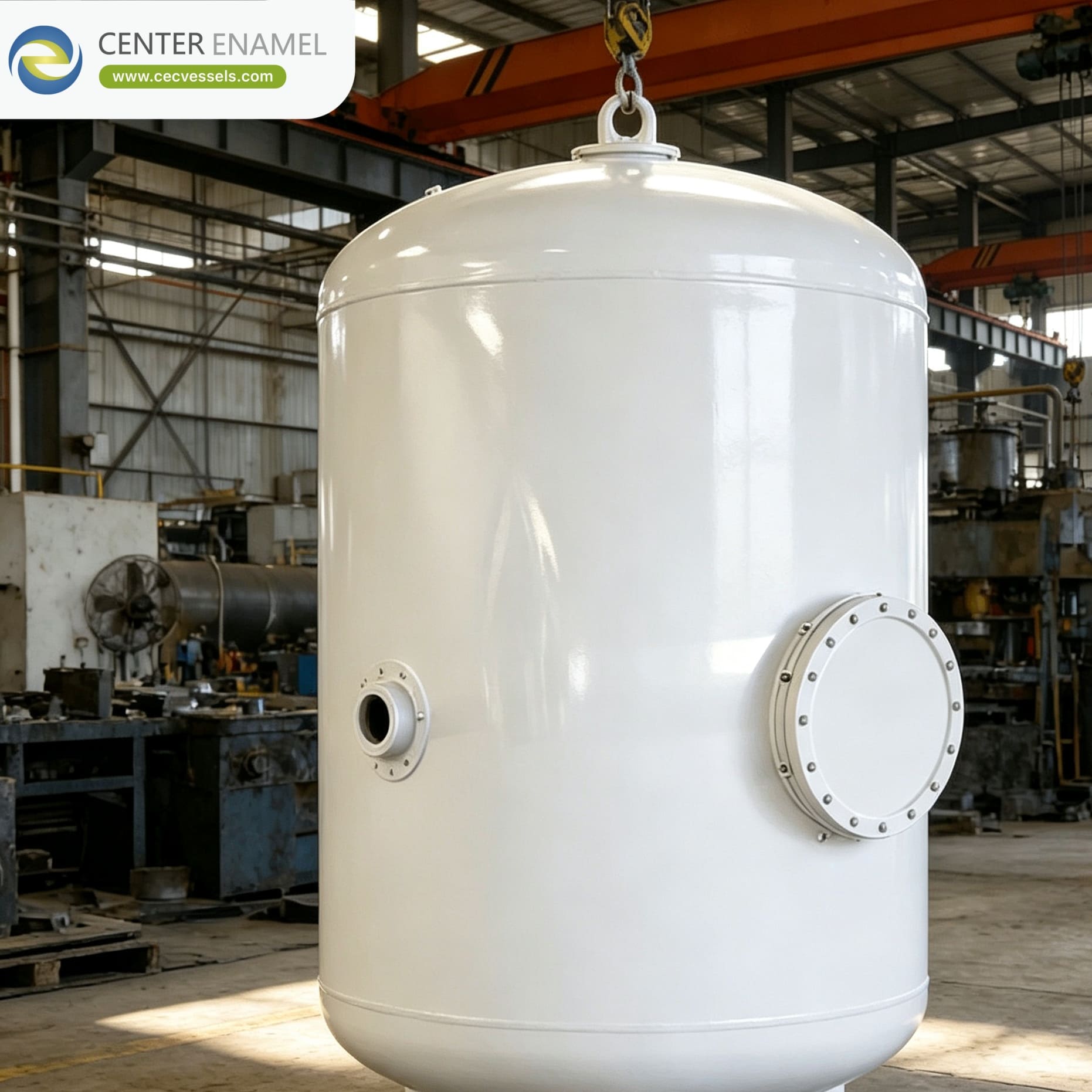
Solvent Recovery Systems for Lithium Battery Manufacturing
Solvent recovery is an important process in lithium battery manufacturing, particularly during electrode production. Efficient recovery systems help manufacturers recycle valuable solvents, reduce material consumption, and improve production efficiency. What Is a Solvent Recovery System for Lithium Battery Manufacturing?A Lithium Battery Solvent Recovery System is an industrial processing solution designed to collect, separate, purify, and reuse solvents generated during battery production. N-Methyl-2-pyrrolidone (NMP) is widely used as a solvent in the preparation of lithium battery cathode slurries. During electrode coating and drying, NMP evaporates and enters the exhaust gas stream. A recovery system collects this solvent and processes it for potential reuse. A typical solvent recovery system consists of several equipment components:
lExhaust gas collection and transportation equipment lCooling and condensation units lSolvent separation equipment lStorage tanks lPurification and distillation equipment lPumps, pipelines, and control systems
By integrating these components, manufacturers can establish a continuous solvent recovery process that connects with existing battery production lines. Why Is NMP Recovery Important in Lithium Battery Production?NMP plays an important role in traditional lithium-ion battery cathode manufacturing. It is commonly used to dissolve PVDF binders and prepare cathode electrode slurries. During the electrode coating process, the coated material passes through drying ovens, where NMP evaporates as hot air removes moisture and solvent from the electrode surface. Without an effective recovery process, a significant amount of NMP would remain in the exhaust stream. Lithium Battery NMP Recovery provides several important production benefits: Reduced Solvent Consumption Recovered NMP can be purified and returned to the production process when it meets the required quality specifications. This reduces the demand for newly purchased solvent. Improved Resource Utilization Solvent recovery allows manufacturers to reuse valuable chemical materials instead of relying entirely on fresh solvent supplies. Lower Operating Costs Recovering and reusing NMP can reduce raw material expenses and improve the overall economic efficiency of battery manufacturing. More Efficient Exhaust Treatment Integrated recovery systems help collect and process solvent-containing exhaust streams, supporting industrial air management requirements. How Does an NMP Solvent Recovery System Work?An NMP Solvent Recovery System generally combines condensation, separation, and purification technologies to recover NMP from exhaust gas generated during electrode drying. The specific process depends on exhaust gas composition, NMP concentration, airflow, and required recovery efficiency. The typical process includes the following stages. Step 1: Exhaust Gas Collection NMP-containing exhaust gas is collected from the cathode electrode drying ovens and transported through dedicated pipelines to the recovery system. The collection system is designed according to exhaust volume, temperature, and production line operating conditions. Step 2: Gas Cooling and Condensation The exhaust gas enters a cooling and condensation unit. Heat exchangers reduce the gas temperature, allowing part of the NMP vapor to condense into liquid form. The condensed solvent is then collected for further processing. Step 3: Solvent Separation The collected liquid may contain water and other impurities. Separation equipment is used to separate different liquid components according to their physical and chemical properties. Depending on the process design, additional separation stages may be required. Step 4: NMP Purification The recovered NMP may undergo further purification to meet the quality requirements for reuse. Distillation equipment can separate NMP from certain impurities based on differences in boiling points and volatility. Step 5: Solvent Storage and Reuse After purification and quality inspection, recovered NMP is transferred to storage tanks. The qualified solvent can then be supplied back to the battery manufacturing process. Key Equipment Used in Industrial Solvent Recovery SystemsAn effective Industrial Solvent Recovery System requires several types of industrial equipment working together. Each component performs a specific function within the recovery process.
Heat Exchangers and Condensers Heat exchangers and condensers are essential components of solvent recovery systems. They provide controlled cooling and support the condensation of NMP vapor. The equipment configuration depends on gas flow rate, inlet temperature, cooling medium, and required outlet conditions. Separation Vessels Separation vessels are used to separate recovered liquid components. Their design should consider liquid composition, residence time, operating temperature, and required separation performance. Distillation Equipment Distillation systems provide additional purification for recovered NMP. Depending on the required product quality, the system may include distillation columns, reboilers, condensers, and receiving tanks. Industrial Storage Tanks Storage tanks are used to collect and temporarily store recovered NMP before further purification or reuse. Stainless steel material selection depends on solvent compatibility and process requirements. NMP Recovery Equipment and Purification TechnologiesSelecting appropriate NMP Recovery Equipment is important for achieving stable recovery performance and consistent solvent quality. Different technologies can be combined according to the characteristics of the exhaust gas and recovered liquid. Condensation Technology Condensation is commonly used to recover NMP vapor from drying oven exhaust gas. By controlling cooling temperatures and heat transfer conditions, the system converts solvent vapor into liquid form. Liquid Separation Technology When recovered NMP contains water or other liquid impurities, separation equipment can be used to improve the quality of the collected solvent. The appropriate separation method depends on the composition and physical properties of the mixture. Distillation Technology Distillation is commonly applied when higher solvent purity is required. It separates NMP from impurities through controlled heating, vaporization, and condensation. Multi-Stage Recovery Processes Some lithium battery production facilities require multiple recovery stages to handle different exhaust conditions and solvent concentrations. Combining condensation, liquid separation, and distillation can provide a more comprehensive recovery solution. Important Design Considerations for Lithium Battery Solvent Recovery SystemsThe design of a Lithium Battery Solvent Recovery System should be based on actual production conditions rather than equipment capacity alone. Several factors need to be evaluated during system planning. Exhaust Gas Volume The system should match the airflow generated by electrode drying ovens. Accurate airflow data helps determine the capacity of condensers, heat exchangers, and gas transportation equipment. NMP Concentration The NMP concentration in exhaust gas directly affects recovery process selection and equipment configuration. Different concentration ranges may require different cooling and recovery arrangements. Temperature Control Cooling temperature and heat transfer efficiency influence the condensation performance of NMP recovery equipment. A suitable thermal design helps maintain stable operation under changing production conditions. Material Compatibility Equipment materials should be selected according to the chemical properties of NMP and other substances present in the process. Stainless steel grades such as SS304 or SS316L may be considered based on application requirements. Automation and Process Monitoring Automatic control systems can monitor temperature, pressure, liquid levels, flow rates, and other operating parameters. Integrated controls help coordinate different recovery stages and improve process consistency. Benefits of Integrated Solvent Recovery SystemsAn integrated Industrial Solvent Recovery System connects exhaust gas collection, condensation, separation, purification, and storage into a coordinated process. This configuration provides several advantages for lithium battery manufacturers.
lHigher Resource Efficiency: Recovered NMP can be reused after meeting the required quality specifications. lReduced Material Costs: Solvent recycling helps reduce the consumption of newly purchased NMP. lStable Production Support: Integrated equipment provides continuous processing support for battery electrode manufacturing. lImproved Process Management: Centralized monitoring helps operators manage recovery equipment and operating conditions. lFlexible System Configuration: Recovery capacity and equipment arrangements can be customized for different battery production lines.
For large-scale battery factories, an integrated recovery solution can also be designed to connect multiple electrode drying ovens and centralized solvent processing units. How to Select Suitable NMP Solvent Recovery EquipmentChoosing suitable NMP Recovery Equipment requires an understanding of the entire battery manufacturing process. Manufacturers should consider the following factors:
lProduction Capacity: Determine the number of electrode coating lines and their corresponding exhaust gas volumes. lSolvent Characteristics: Identify NMP concentration, moisture content, and other components in the exhaust stream. lRecovery Requirements: Define the expected recovery rate and the required purity of recycled NMP. lEquipment Configuration: Select suitable condensers, heat exchangers, separation vessels, distillation columns, and storage tanks. lEnergy Consumption: Evaluate heating, cooling, and circulation requirements to improve overall system efficiency. lAutomation Level: Determine the necessary monitoring instruments and centralized control functions. lFactory Layout: Consider equipment dimensions, pipeline connections, installation space, and integration with existing production facilities.
A customized equipment solution should match both current production requirements and potential future capacity expansion. Customized Solvent Recovery Solutions for Lithium Battery FactoriesAs lithium battery manufacturing capacity continues to expand, efficient solvent recycling has become an important part of industrial production planning. Customized Solvent Recovery Systems can integrate NMP condensation, liquid separation, distillation, heat exchange, and solvent storage equipment into a complete processing solution. Depending on project requirements, an industrial equipment supplier can provide stainless steel vessels, condensers, heat exchangers, distillation columns, storage tanks, pumps, and automated control systems. The system design can be adjusted according to exhaust gas volume, NMP concentration, recovery targets, and factory layout. For lithium battery manufacturers, investing in properly designed Lithium Battery Solvent Recovery Systems helps improve solvent utilization, reduce production costs, and establish more efficient electrode manufacturing processes.
|