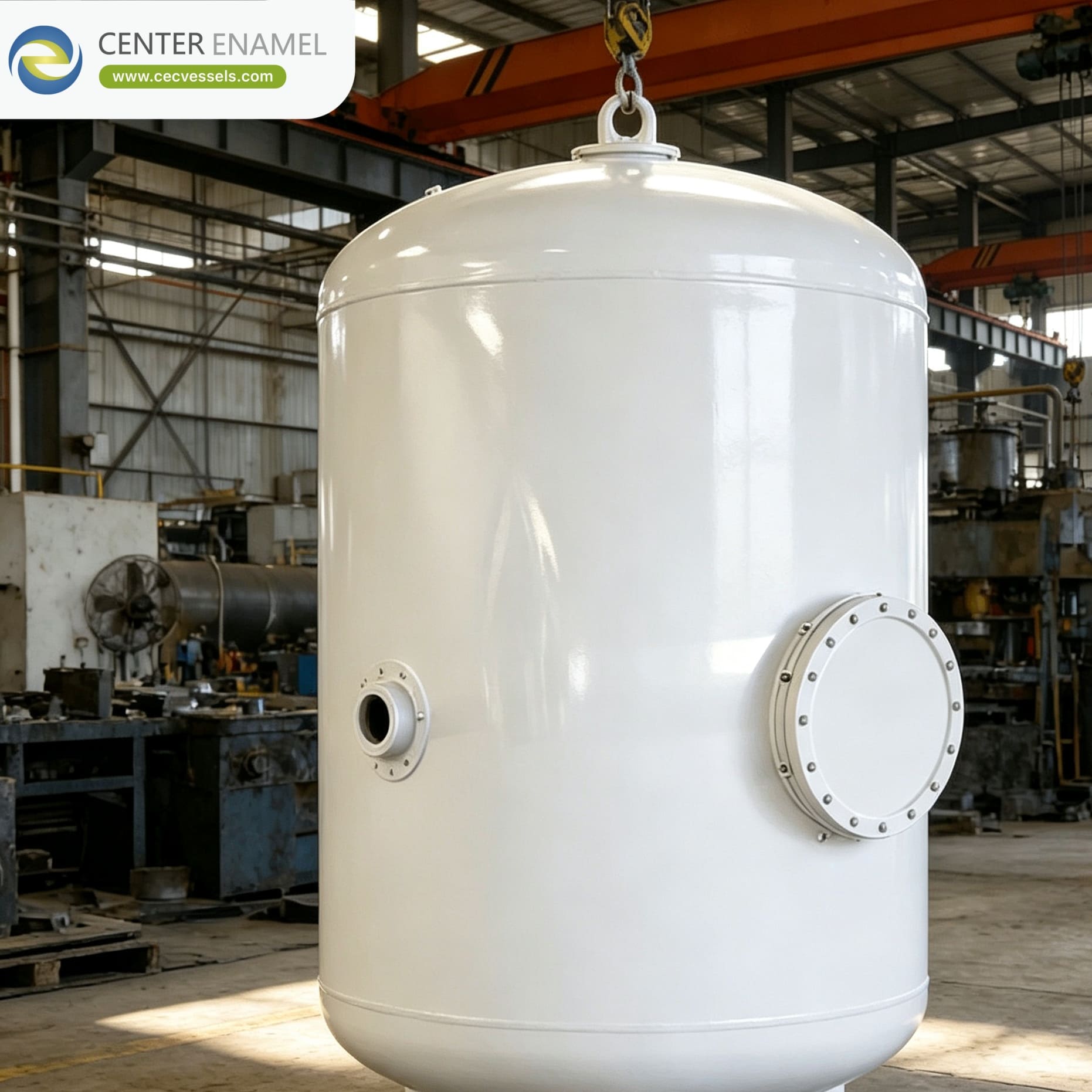
Stainless Steel Distillation Column for Efficient Separation and Purification of Chemical Mixtures
Separation is often the step that decides final product quality. A Stainless Steel Distillation Column uses repeated vapour-liquid contact to separate components by boiling point, turning a mixed feed into purified product and a controlled bottoms stream. Separation Fundamentals Inside the ColumnDistillation works on differences in volatility. Vapour rising through the column meets liquid falling from above, and at each contact stage the more volatile component enriches the vapour while the less volatile component returns to the liquid. The number of stages, the reflux ratio and the feed point determine how sharp the separation can be. A Stainless Steel Distillation Column is designed around the required purity, the feed composition and the energy available for reflux. Column height follows the stage count, so the design balances purity against building height and support structure. A shorter column with more efficient internals can meet the same target where space is limited. Column Internals: Trays and PackingTrays provide discrete contact stages. Sieve, valve and bubble-cap designs differ in capacity and turndown, and the choice depends on the duty and how much the plant's throughput varies. Packing offers continuous contact with low flow resistance. Structured packing gives high surface area for difficult separations, while random packing suits smaller columns and services where fouling is possible. Internals are matched to the process, not chosen by habit. Reflux, Reboiler and Condenser ArrangementThe reboiler supplies vapour at the base, and the condenser returns liquid reflux at the top. Together they set the energy balance that keeps the column operating at steady state. Reflux ratio control is central to product quality. Flow and composition instruments feed the control system, which adjusts reflux and boil-up to hold specifications. The Stainless Steel Distillation Column performs best when these loops are tuned to the actual dynamics of the system. Stainless Steel ConstructionStainless steel suits the hot vapours and condensates found in distillation. Grades are selected for the chemistry of the feed, the operating temperature and the presence of chlorides or acids. Fabrication quality protects performance. Column shells are rolled and welded to maintain straightness, internals are aligned carefully, and surfaces are finished to limit fouling. A Stainless Steel Distillation Column Manufacturer documents material certificates and weld inspection for each unit. Control and InstrumentationTemperature profile, overhead composition and bottoms quality are the key measurements. Sensors at several points show how the column is behaving, and the control system responds before off-specification material accumulates. Advanced options include composition analysers and model-based control. These help where feed composition changes frequently, and they let the China Stainless Steel Distillation Column Manufacturer support plants that need tight purity control. Applications for PurificationChemical plants use columns for solvent recovery and product purification. Pharmaceutical production relies on them for high-purity intermediates. Petrochemical and refining operations separate hydrocarbon mixtures at large scale. Food and beverage producers apply distillation to alcohol recovery and flavour concentration, while environmental facilities use stripping and distillation for water treatment. Each case sets its own purity target and energy budget. Feed Conditioning and Column OperationFeed conditions affect separation. Preheating the feed to the right stage temperature reduces the disturbance it creates inside the column, and a steady feed rate keeps the profile stable. Where composition varies, a small buffer tank smooths changes before they reach the column. This simple arrangement helps the Stainless Steel Distillation Column hold purity even when upstream batches differ. Energy Use and Heat IntegrationDistillation is energy intensive, so heat recovery matters. Preheating the feed with hot bottoms liquid, or pairing the reboiler with the condenser circuit, reduces the steam and cooling demand of the column. Efficiency also depends on operating close to design reflux. Excess reflux raises energy use without improving purity, so the control strategy aims at the minimum ratio that meets specification. For the China Stainless Steel Distillation Column Manufacturer, these choices belong to the design conversation. Material Handling and Product Take-OffProduct streams leave at different points. Overhead condensate, side draws and bottoms each need clear routing, sampling access and storage arrangements that protect the achieved purity. Piping, valves and sampling points are planned with the column rather than added later. That gives the Stainless Steel Distillation Column a clean interface with the rest of the plant and limits the chance of contamination after separation. Installation, Commissioning and SupportTall columns need careful site planning. Foundations, lifting arrangements and access platforms are reviewed before delivery, and the erection sequence is agreed with the installation contractor. Commissioning confirms that the column meets its design duty. Operating parameters are adjusted during the first runs, and documentation supports operator training. With a Stainless Steel Distillation Column matched to the process, purification stays predictable through the campaign. |