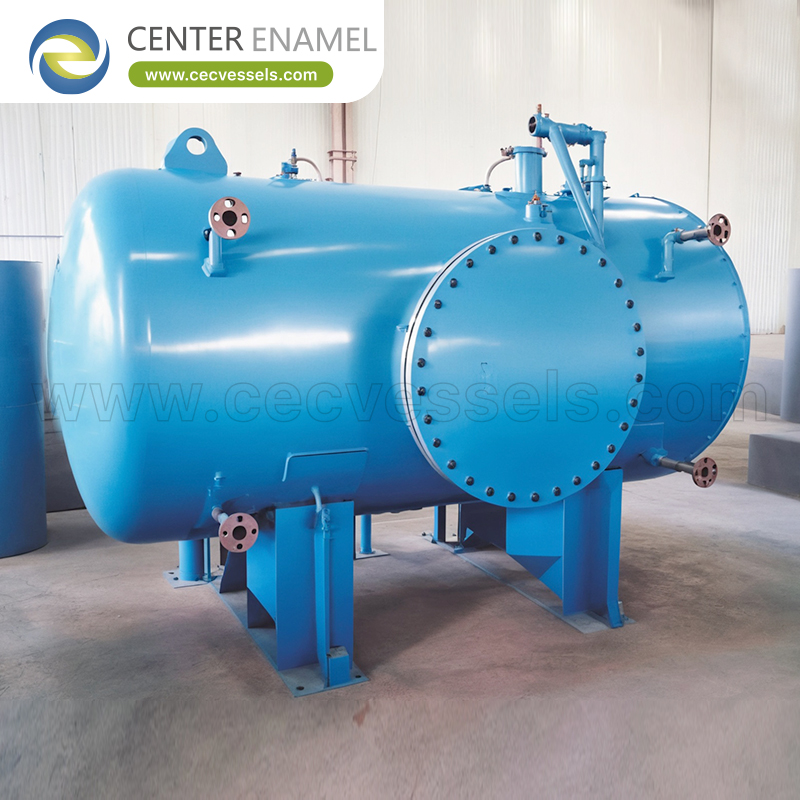
Top-Rated Air Coolers for Hydrogen Cooler Applications in Industrial Gas Systems
Hydrogen (H2), as a foundational element in industrial gas systems and a pivotal energy vector for the future, necessitates highly specialized processing and handling. Its unique physical properties—extremely low density, high thermal conductivity, and small molecular size—place unique and stringent demands on all contact equipment, especially heat exchangers. The most crucial process in the H2 lifecycle, from production (e.g., electrolysis, SMR) to distribution and end-use (e.g., fuel cells, ammonia synthesis), is compression. Compression is inherently an adiabatic process, meaning the work done on the gas translates directly into a massive temperature rise.1 For safe, efficient, and multi-stage compression, this heat must be aggressively and repeatedly removed. If left uncontrolled, the elevated temperature degrades compressor seals and components, significantly increases the work required for the next compression stage, and risks thermal decomposition of any trace impurities. This requirement for intense, high-reliability cooling is met by the Hydrogen Cooler, a critical piece of equipment within the compression train. Modern industrial gas operators overwhelmingly favor the robust, low-maintenance solution offered by the specialized Air Coolers for Hydrogen Cooler applications. These systems provide a superior dry-cooling mechanism, minimizing the risks associated with water-side maintenance and potential cross-contamination. Shijiazhuang Zhengzhong Technology Co., Ltd (Center Enamel), drawing upon its extensive engineering legacy in high-pressure vessels and thermal equipment, has positioned itself as a world-leading Air Coolers Manufacturer for these critical H2 applications. We design our Air Coolers not just to transfer heat, but to guarantee the purity and mechanical integrity essential for hydrogen service.
The Engineering Imperatives of Hydrogen Cooler Applications
Hydrogen service presents distinct engineering challenges that transcend standard industrial gas cooling requirements. An H2 cooler must deliver exceptional thermal performance while rigidly adhering to three core imperatives: high-pressure containment, guaranteed purity, and resistance to hydrogen embrittlement.
1. Extreme Pressure Containment and Multi-Stage DesignHydrogen compression often involves multiple stages to reach pressures required for storage or synthesis (ranging from hundreds to thousands of bar). Since heat is rejected between each stage, the Air Cooler system must be mechanically designed as a series of distinct heat exchanger bundles—an intercooler between stages and an aftercooler at the discharge—each capable of handling incrementally higher pressures.
Header and Tube Integrity: Due to the high pressures, the mechanical design of the headers and the tube-to-header joints is non-negotiable. Center Enamel utilizes advanced pressure vessel design techniques, often employing fully welded construction or specialized box headers, to ensure absolute seal integrity. The thickness and material selection for tubes and headers are precisely calculated to safely contain the working pressure with mandated safety factors, complying strictly with global pressure codes.
2. Purity and Leak Integrity for H2 ServiceHydrogen purity is crucial, particularly for emerging uses like fuel cells, which are sensitive to contaminants. The small molecular size of H2 makes it highly susceptible to leakage, necessitating construction with zero tolerance for compromised seals.
Minimal Connections and Joints: Our Air Coolers for Hydrogen Cooler are designed to minimize flanged and mechanical joints on the gas side, favoring highly reliable, high-integrity welding to prevent leaks.
Material Cleanliness: All components in contact with the hydrogen stream are subject to rigorous surface preparation and cleanliness standards to prevent trace contaminants from fouling the gas.
Leak Detection and Testing: Every hydrogen cooler is subjected to mandatory, non-destructive testing (NDT), including rigorous helium leak testing, to verify the absolute seal integrity required for H2 containment.
3. Combating Hydrogen EmbrittlementHydrogen molecules can permeate and react with certain metal alloys, leading to material degradation known as hydrogen embrittlement. This is a primary risk in high-pressure H2 applications.
Engineered Metallurgy: Center Enamel selects specific grades of materials (e.g., specialized stainless steels or chrome-molybdenum alloys) for the tube-side and header components that exhibit optimal resistance to hydrogen attack and embrittlement, ensuring a long, predictable operational lifespan for the cooler under extreme conditions.
Thermal and Operational Excellence of Air Coolers
The core function of the Air Cooler is to provide efficient, reliable thermal exchange using ambient air as the cooling medium.2 This dry-cooling approach offers strategic advantages over water-cooled systems in the context of industrial gas operations.
High-Efficiency Finned Tube TechnologyThe heat transfer performance of an Air Cooler is directly related to the surface area available for air contact. Our top-rated design leverages high-density, continuously bonded finned tubes:
Fin Geometry and Bonding: We employ specialized finning techniques, such as extruded aluminum fins, which are helically wound or mechanically bonded to the core tube. This ensures a permanent, highly conductive thermal path between the metal wall and the cooling air, maximizing the heat transfer coefficient and maintaining performance over decades of operation.
Optimized Thermal Design: The coolers are designed with sophisticated thermal models that account for the thermodynamic behavior of hydrogen, ensuring the gas is cooled to the precise target temperature—crucial for reducing the volume before the next compression stage (governed by the ideal gas law: PV=nRT).
Energy-Efficient Fan and Control SystemsEfficiency in an Air Cooler is defined by the thermal output relative to the electrical power consumed by the fans and motors (parasitic load).
VFD Integration: Our fan banks are equipped with Variable Frequency Drive (VFD) controls. This intelligent control system dynamically adjusts fan speed based on the H2 temperature and ambient air conditions. Since fan power consumption varies with the cube of the speed, VFDs provide substantial energy savings when operating at reduced cooling loads, significantly enhancing the overall energy efficiency of the industrial gas system.
Low-Noise Fan Design: Fan selection focuses on high-efficiency, low-noise axial flow designs that meet increasingly stringent acoustic emission standards for industrial sites, balancing maximum airflow with minimal power consumption and noise output.
Reliability Through Dry CoolingThe use of air as the cooling medium eliminates the need for complex, resource-intensive cooling tower infrastructure and all associated water treatment and maintenance costs. This dry-cooling solution:
Reduces Maintenance: Eliminates scaling, fouling, and corrosion risks inherent to water-side cooling loops.
Enhances Reliability: Removes dependency on external water supply and treatment, ensuring continuous cooling capacity regardless of water scarcity or quality.
Simplifies Operation: Provides a cleaner, more robust system that maintains its design performance with minimal intervention.
Center Enamel’s Manufacturing Assurance: The China Air Coolers Manufacturer of Choice
Shijiazhuang Zhengzhong Technology Co., Ltd (Center Enamel) delivers its top-rated Air Coolers from a foundation of massive manufacturing capacity and uncompromised adherence to global quality standards. Our position as a leading China Air Coolers Manufacturer is built on proven reliability in critical industrial applications.
Global-Scale Production and R&D BaseOur expansive 150,000㎡ production and R&D base represents a state-of-the-art hub for manufacturing high-pressure thermal equipment. This facility is equipped with specialized fabrication bays dedicated to high-pressure tube bundle manufacturing, automated welding for critical header joints, and high-capacity assembly lines for large-scale cooler structures. This capacity ensures that we meet the demands of major global industrial gas projects with speed, consistency, and volume, delivering fully factory-assembled or modular coolers ready for swift site integration.
Uncompromising Code Compliance and Quality ControlFor the extreme safety demands of hydrogen service, code compliance is non-negotiable. Our Air Coolers are designed, fabricated, and rigorously tested in strict conformity with the world’s leading pressure vessel standards:
ASME Boiler & Pressure Vessel Code (BPVC): Ensures mechanical integrity and safe operation under high pressure.
BS EN 13445 (Unfired Pressure Vessels): Provides a comprehensive framework for design, fabrication, and inspection.
GB/T 150.1-150.4-2024 (Pressure Vessels): Guarantees compliance with Chinese national standards for critical equipment.
Our quality assurance program includes:
Full Material Traceability: Ensuring all materials, especially high-strength alloys, meet required metallurgical specifications.
Advanced NDT: Comprehensive non-destructive testing (including radiographic, ultrasonic, and magnetic particle inspection) on all pressure-retaining welds.
Design Certification: All designs are peer-reviewed and certified to meet the specified pressure and thermal duties before fabrication commences.
Customization and System IntegrationThe modularity of the Air Cooler allows for seamless integration into complex multi-stage compressor skids. Center Enamel’s engineering team works closely with Original Equipment Manufacturers (OEMs) and end-users to provide customized features:
Structural Load Design: Tailoring the cooler structure to withstand high wind loads, seismic activity, or specific pipe rack connection requirements.
Noise Attenuation: Incorporating custom acoustic enclosures or advanced fan blade designs to meet strict site-specific noise constraints.
Material Optimization: Selecting the most cost-effective and chemically-resistant materials for all components in contact with the hydrogen gas stream.
The Future of Industrial Gas: Hydrogen Cooler Applications
As the global shift towards decarbonization accelerates, the need for robust and reliable H2 infrastructure will only intensify. Center Enamel's Air Coolers for Hydrogen Cooler applications are central to this future, serving as the cooling backbone in multiple industrial segments:
Hydrogen Production Plants (Electrolysis/SMR): Cooling the product gas stream before final purification or storage, ensuring a stable temperature for molecular sieve beds and pressure swing adsorption (PSA) units.
Hydrogen Refueling Stations: Providing critical thermal management for high-pressure piston or diaphragm compressors used to fill vehicle storage tanks, often operating at 700 bar (70 MPa). The Air Cooler ensures the gas is pre-cooled before dispensing, a crucial safety and efficiency requirement for rapid refueling.3
Industrial Ammonia/Methanol Synthesis: Cooling compressed synthesis gas, of which hydrogen is a key component, before it enters catalytic reactors, optimizing reaction kinetics and managing exothermic heat release.
Generator Cooling in Power Generation: Cooling hydrogen used as the heat transfer medium within large electrical power generators, ensuring the safe, continuous operation of the machine windings.
By mastering the extreme thermal and mechanical demands of H2 service, Center Enamel continues to deliver top-rated Air Coolers that secure the efficiency, safety, and longevity of the world's most critical industrial gas systems. Our commitment to quality, backed by our large-scale manufacturing and adherence to global codes, establishes us as the indispensable partner in the global hydrogen transition.
|