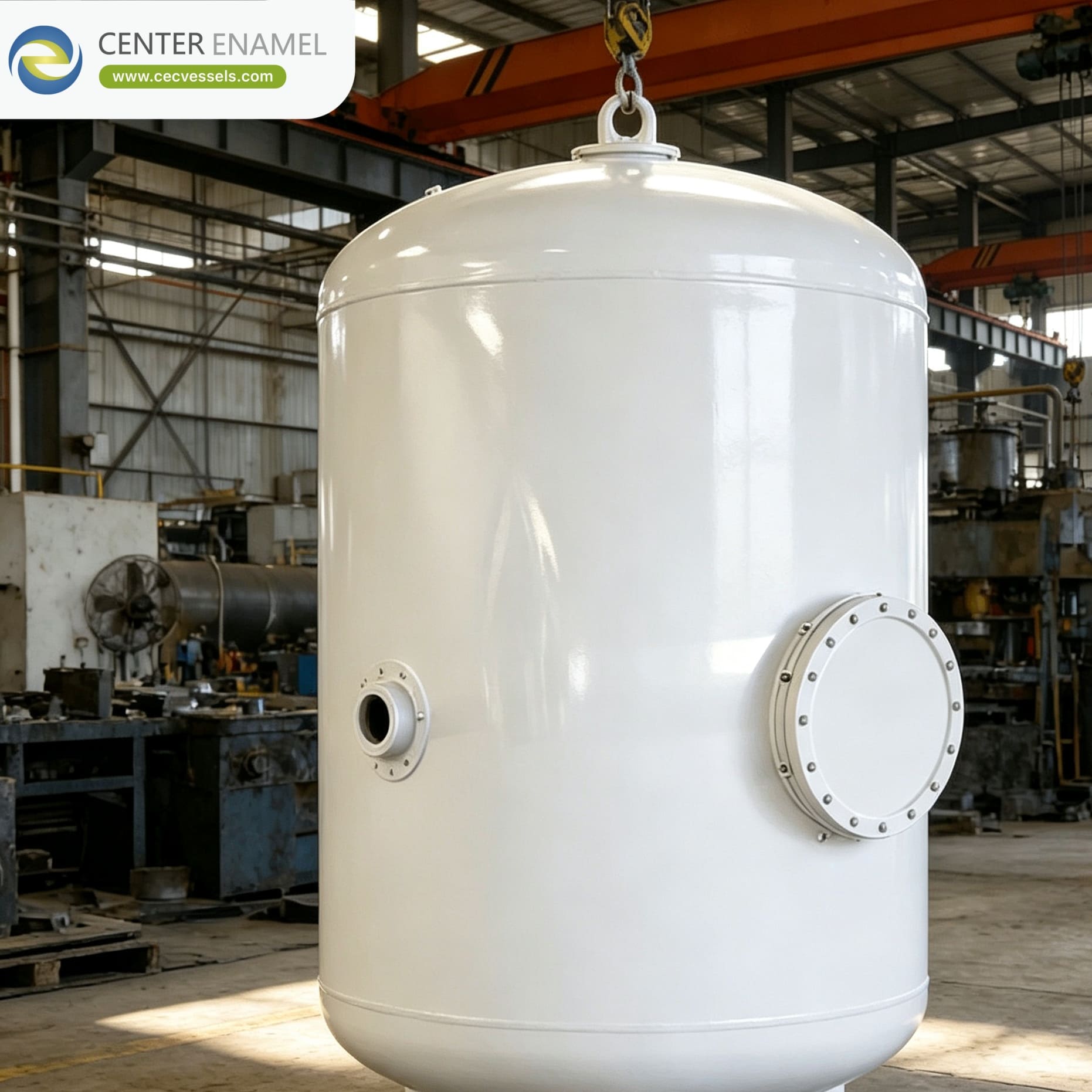
TEG Dehydration Package for Natural Gas Moisture Removal and Drying
A TEG Dehydration Packageis an integrated process system designed to remove water vapor from natural gas using triethylene glycol (TEG) as a liquid desiccant. It helps gas processing facilities achieve specified moisture content before gas transportation, further treatment, or industrial use. Natural gas often contains water vapor after production and initial separation. Removing this moisture helps maintain gas quality and supports reliable operation of downstream equipment. A TEG dehydration system combines absorption, glycol circulation, regeneration, heat exchange, and process monitoring in a coordinated arrangement. Center Enamel provides industrial equipment engineering and manufacturing solutions for customized process applications, with equipment configuration determined by project requirements and operating conditions. How Does a TEG Dehydration Package Work?The operating principle of a TEG natural gas dehydration packageis based on the ability of triethylene glycol to absorb water from a gas stream. The glycol is then regenerated so it can be reused in a continuous process. A typical system operates through the following stages:
lWet gas inlet:Natural gas enters the dehydration system after suitable upstream separation. lGas-glycol contact:Wet gas flows through a contactor, where it contacts lean TEG. The glycol absorbs water vapor from the gas. lDry gas outlet:The treated gas exits the contactor with a reduced moisture content and proceeds to the next process stage. lRich glycol collection:The water-rich glycol leaves the contactor and flows toward the regeneration section. lGlycol regeneration:Heating and separation remove absorbed water from the glycol, restoring its ability to absorb moisture. lGlycol cooling and circulation:The regenerated lean glycol is cooled as required and pumped back to the contactor.
This circulation loop allows the dehydration package to operate continuously when designed for the specified feed conditions, regeneration capacity, and gas throughput. What Are the Main Components of a TEG Dehydration Package?A complete TEG Dehydration Packageincludes several interconnected components. Their size and arrangement depend on gas flow rate, inlet moisture content, required outlet specifications, and the selected process design. 1. Gas-Glycol ContactorThe TEG contactoris the primary vessel for moisture absorption. Wet natural gas contacts lean glycol through trays or structured packing, depending on the equipment design. The contact area and operating conditions influence water removal performance. Properly designed gas distribution and liquid circulation help maintain effective contact between the two streams. 2. Glycol Regeneration SystemThe regeneration section removes absorbed water from rich glycol. It commonly includes a regeneration still or stripping section, a reboiler, and associated vapor-handling components. The regenerated glycol returns to the absorption circuit. Regeneration conditions should be selected according to the required lean glycol concentration, process specifications, and thermal operating limits. 3. Heat ExchangersHeat exchangerstransfer energy between process streams to improve thermal utilization. In a typical TEG system, rich glycol may be preheated using hot regenerated glycol before entering the regeneration section. The regenerated glycol can then be cooled before returning to the contactor. Appropriate heat integration helps reduce external utility requirements and maintain suitable operating temperatures. 4. Glycol Circulation PumpThe circulation pump moves lean and rich glycol through the process loop. Pump selection depends on the required circulation rate, fluid properties, system layout, and operating conditions. Stable glycol circulation supports consistent contactor operation and moisture removal. 5. Flash Separator and FiltersDepending on the process configuration, a flash separator can remove dissolved or entrained gas from rich glycol before regeneration. Filters may be installed to remove selected contaminants and maintain glycol quality. The need for these components depends on feed composition, upstream separation performance, and the condition of the circulating glycol. 6. Instrumentation and Control SystemTemperature, flow, liquid level, and other relevant operating parameters can be monitored through suitable instruments. Automated controls help coordinate glycol circulation, regeneration, and system operation. The instrumentation package should reflect the required level of automation and the facility's operating procedures. What Are the Benefits of TEG Dehydration for Natural Gas?A properly configured TEG Dehydration Packagesupports several important natural gas processing objectives.
lMoisture reduction:TEG absorption reduces water vapor in natural gas to meet specified outlet requirements. lContinuous operation:Regeneration allows glycol to be reused in a continuous treatment cycle. lGas quality management:Controlled dehydration helps maintain the required moisture specification for downstream processing or transportation. lThermal energy utilization:Rich-lean glycol heat exchange can recover energy within the regeneration circuit. lIntegrated equipment layout:A packaged system combines key components and connections into a coordinated process arrangement. lProcess monitoring:Instrumentation helps operators track relevant operating conditions and maintain consistent performance.
Actual performance depends on gas composition, inlet moisture, glycol concentration, circulation rate, regeneration conditions, and the design of the complete system. Applications of TEG Dehydration PackagesTEG dehydration systemsare widely considered for natural gas treatment across different industrial settings. Natural Gas Processing PlantsGas processing facilities use TEG systems to reduce water vapor before additional separation, gas conditioning, or product delivery. The required outlet moisture specification determines the system design. Gas Gathering and Production FacilitiesProduced natural gas may contain water vapor after initial gas-liquid separation. A dehydration package can be integrated into gathering or production facilities where gas drying is required. Gas Transmission SystemsNatural gas transportation systems may require controlled moisture content to meet pipeline specifications. TEG dehydration can be applied where the feed characteristics and operating requirements are suitable. Petrochemical and Industrial Gas FacilitiesSelected industrial gas streams may require moisture removal before downstream processing or use. The dehydration technology should be chosen according to the gas composition and required product quality. Key Factors When Selecting a TEG Dehydration Package ManufacturerSelecting a suitable TEG Dehydration Package Manufacturerrequires evaluating process design, equipment quality, and integration requirements. Gas Flow Rate and CompositionThe supplier needs the expected gas throughput, gas composition, inlet temperature, operating conditions, and inlet moisture content. These parameters influence contactor sizing and glycol circulation requirements. Required Outlet Moisture ContentThe target water content or dew point should be defined according to the downstream process or transportation specification. The system must be designed to achieve the required outlet conditions across the expected operating range. Glycol Circulation and RegenerationGlycol concentration, circulation rate, regeneration temperature, and heat-transfer performance affect dehydration efficiency. These parameters should be selected together rather than considered independently. Materials and Equipment CompatibilityMaterials should be appropriate for the gas composition, glycol service, operating environment, and project specifications. Vessel materials, piping, valves, and seals should be reviewed as part of the complete equipment design. Energy Consumption and UtilitiesThe regeneration section may require heating, while pumps and auxiliary equipment consume electricity. Reviewing available steam, fuel, electricity, and cooling utilities helps establish a practical configuration. Maintenance and System IntegrationThe package should provide suitable access for inspection, filter replacement, glycol sampling, and routine maintenance. Connections to upstream separators, downstream pipelines, and utility systems should be defined during engineering. Why Consider Center Enamel for TEG Dehydration Projects?Center Enamel provides industrial equipment engineering and manufacturing capabilities for customized process equipment projects. For natural gas dehydration applications, the required package configuration should be determined by gas throughput, moisture specifications, regeneration requirements, and plant integration conditions. For buyers evaluating a China TEG Dehydration Package Manufacturer, the initial project assessment should include the principal process data and equipment requirements. This helps establish a clear technical scope before configuration and quotation. Useful information to prepare includes:
lNatural gas composition and flow rate. lInlet moisture content and target outlet specification. lGas temperature and operating conditions. lRequired dehydration capacity. lAvailable heating, cooling, and electrical utilities. lMaterial requirements and equipment layout. lInstrumentation, automation, and documentation requirements. These details provide a foundation for evaluating equipment configuration, process performance, and project integration. Frequently Asked Questions About TEG Dehydration PackagesWhat does TEG stand for in gas dehydration?TEG stands for triethylene glycol, a liquid desiccant used to absorb water vapor from natural gas. The glycol is regenerated and circulated back through the dehydration system. Why is TEG used for natural gas drying?TEG is commonly used because it absorbs water from gas and can be regenerated for repeated use. Its suitability depends on the required moisture specification, process conditions, and overall system design. What determines the size of a TEG dehydration package?Key factors include gas flow rate, gas composition, inlet moisture content, required outlet dew point, operating temperature, and glycol circulation and regeneration requirements. Can a TEG dehydration package operate continuously?Yes. A properly designed system can support continuous dehydration by circulating lean glycol through the contactor and regenerating rich glycol for reuse. How can a buyer request a TEG dehydration package quotation?Prepare the gas composition, flow rate, moisture specifications, operating conditions, available utilities, and installation requirements. This information helps the supplier assess the required system configuration. Supporting Natural Gas Drying with Center EnamelA TEG Dehydration Packageprovides an established method for removing water vapor from natural gas through glycol absorption and regeneration. Proper equipment selection helps maintain gas moisture specifications while supporting continuous processing and efficient use of thermal energy. Center Enamel offers industrial equipment engineering and manufacturing solutions for customized projects. By matching the dehydration package to gas properties, outlet moisture requirements, utility availability, and plant interfaces, operators can establish a practical solution for natural gas drying and downstream process integration.
|