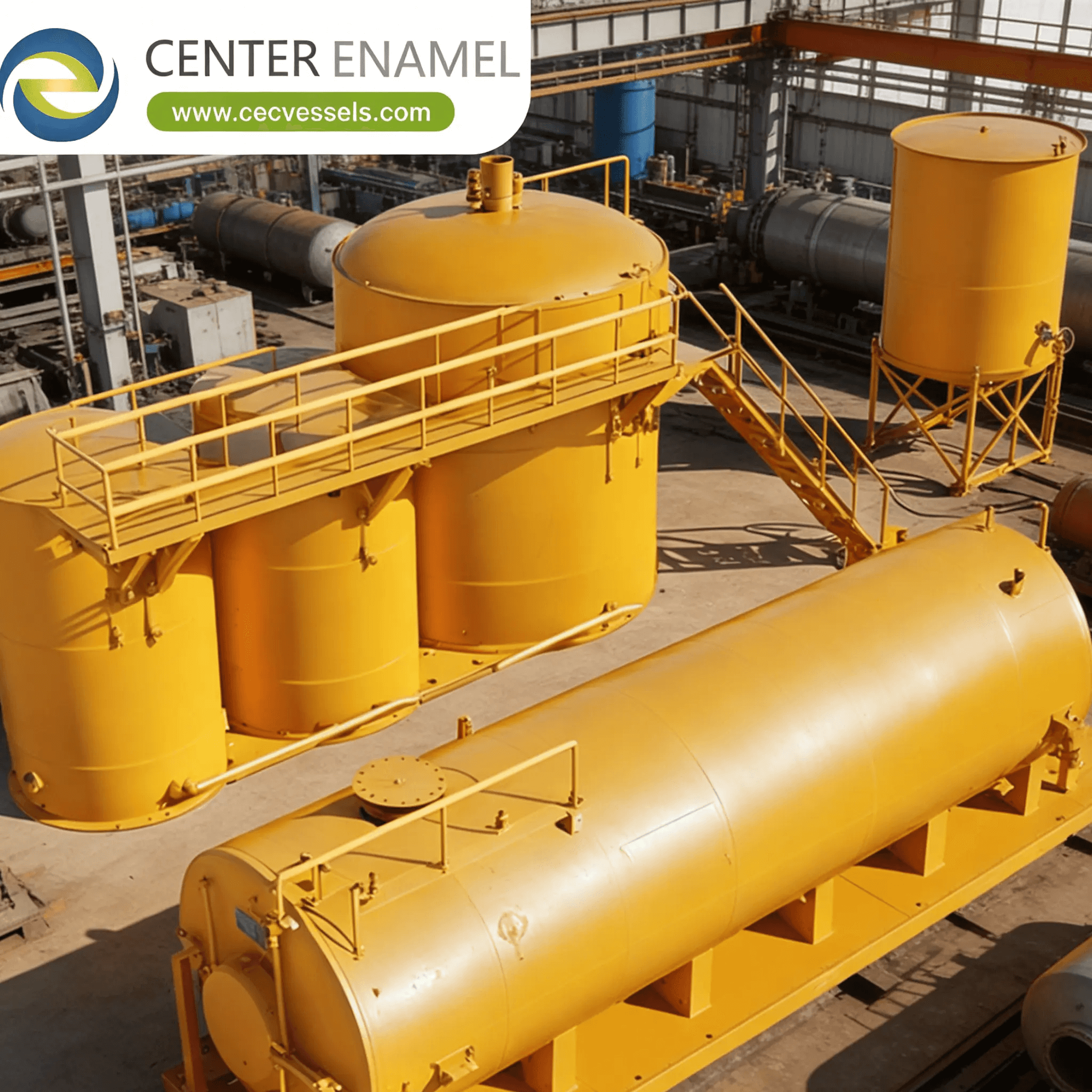
The 4 Different Types of Stirred Tank Bioreactors
Stirred tank bioreactors are among the most commonly applied bioreactor systems in biotechnology and industrial production. With effective mixing, oxygen transfer, and flexible operation, these systems support various biological processes including fermentation, cell cultivation, and specialized applications. A stirred tank reactor can be designed according to different biological materials and production requirements, creating multiple bioreactor types for different industries. What Is a Stirred Tank Bioreactor?A stirred tank bioreactor, also called an STR bioreactor or stir tank bioreactor, is a vessel equipped with a mechanical agitation system to provide uniform mixing inside the culture environment. The main components usually include a tank body, agitator, impeller, gas supply system, sensors, and control units. The stirring system helps distribute nutrients, oxygen, and other components evenly throughout the liquid. By adjusting the impeller design, mixing speed, and operating conditions, a stirred tank can support different microorganisms and cell types. Due to its adaptable structure and scalable design, the stirred tank reactor is widely used in pharmaceutical production, food biotechnology, enzyme manufacturing, bio-based materials, and other biological industries. Type 1: Microbial Stirred Tank BioreactorsMicrobial bioreactors are one of the traditional applications of stirred tank reactor technology. They are mainly used for cultivating microorganisms such as bacteria, yeast, and fungi. These systems are commonly applied in fermentation processes for producing enzymes, organic acids, biofuels, food ingredients, and other biological products. A microbial stirred tank bioreactor usually focuses on efficient mixing and oxygen transfer. The impeller design is selected to maintain good circulation and create suitable conditions for microbial growth. Turbine impellers are often used because they provide effective liquid movement and gas dispersion. The design of microbial STR bioreactors allows operators to control important parameters such as temperature, pH, dissolved oxygen, and nutrient supply. These features make them suitable for both laboratory research and industrial-scale fermentation. Typical characteristics of microbial stirred tank bioreactors include:
lEfficient liquid mixing lSuitable oxygen transfer capability lFlexible fermentation operation lAdaptable design for different microorganisms
Microbial fermenters have been used for many years in industrial biotechnology because microorganisms can efficiently produce valuable biological compounds through controlled cultivation. Type 2: Cell Culture Stirred Tank BioreactorsCell culture bioreactors are designed for growing animal cells, insect cells, and other sensitive biological materials. Compared with microbial fermentation systems, these bioreactor systems usually require more gentle mixing conditions to maintain a suitable environment for cell growth. A cell culture stirred tank bioreactor commonly uses specially designed impellers that provide smooth circulation while maintaining consistent nutrient distribution. Marine impellers and other low-shear designs are frequently selected for cell culture applications. These STR bioreactors are widely used in areas such as vaccine production, antibody manufacturing, and biological research. The system can provide accurate control of temperature, dissolved oxygen, carbon dioxide levels, and pH values. Important features of cell culture bioreactors include:
lGentle agitation performance lStable culture conditions lPrecise process monitoring lCompatibility with different cell cultivation methods
With the development of biotechnology, cell culture stirred tank reactors have become important equipment for producing advanced biological products. Type 3: Single-Use Stirred Tank BioreactorsSingle-use bioreactors, also known as disposable bioreactors, are another important category of STR bioreactor systems. Instead of using a permanent vessel, these systems use disposable culture bags or containers designed for specific production processes. Single-use stirred tank bioreactors provide flexibility for research, pilot production, and manufacturing processes that require fast preparation and convenient operation. They are often used in pharmaceutical and biotechnology industries where different products may require separate production batches. The main advantages of single-use bioreactor systems include simplified preparation procedures, reduced cleaning requirements, and improved production flexibility. Their modular design also allows companies to adjust production capacity according to project needs. Common features of single-use STR systems include:
lDisposable culture containers lFlexible production arrangement lReduced preparation time lSuitable options for different scales
As biotechnology production becomes more diversified, single-use systems continue to provide practical solutions for modern bioprocessing. Type 4: Stirred Tank Bioreactors for Special ApplicationsThe fourth category includes stirred tank bioreactors developed for special biological applications. These systems are customized according to the characteristics of specific organisms, materials, or production processes. Special application STR bioreactors may be used for processes involving algae cultivation, solid-state fermentation, plant-based biological materials, and other unique biotechnology fields. Their designs often include customized vessel structures, mixing systems, and process control methods. For example, some applications require specific impeller designs to handle materials with different physical properties. The reactor geometry and internal components can be adjusted to improve material circulation and biological performance. Typical applications include:
lAlgae cultivation lBiofuel production lAgricultural biotechnology lSpecial fermentation processes
These specialized bioreactor systems demonstrate the flexibility of stirred tank technology and its ability to support various biological production methods. Main Components of a Stirred Tank Reactor SystemAlthough different STR bioreactor types have different designs, most systems include several basic components. The vessel provides a controlled environment for biological reactions. The agitator and impeller create movement inside the tank, helping maintain uniform conditions. Gas supply equipment supports oxygen transfer when required, while sensors monitor important parameters during operation. Common components include:
lReactor vessel lMechanical stirring system lImpellers lGas distribution system lTemperature control system lpH and dissolved oxygen sensors
The combination of these components allows stirred tank reactors to achieve reliable performance in different biological processes. Applications of Stirred Tank BioreactorsStirred tank bioreactors are used in many industries because of their flexible design and wide application range. In pharmaceutical manufacturing, they support the production of vaccines, proteins, and other biological products. In food biotechnology, they are used for fermentation processes involving microorganisms. Other applications include enzyme production, bio-based chemical manufacturing, environmental biotechnology, and research development. Different bioreactor types can be selected according to the biological materials, production scale, and process requirements. Small laboratory systems are commonly used for research, while larger industrial STR bioreactors are designed for continuous production. Choosing the Right STR Bioreactor TypeSelecting a suitable stirred tank bioreactor requires consideration of several factors, including biological materials, production goals, operating volume, and process conditions. Microbial fermentation generally requires efficient mixing and oxygen transfer. Cell culture applications often focus on gentle agitation and stable environmental control. Single-use systems provide flexibility for changing production requirements, while special application reactors are designed for unique biological processes. A properly selected bioreactor system can improve production efficiency and provide a reliable platform for biotechnology development. Future Development of Stirred Tank Bioreactor SystemsWith continuous progress in biotechnology, stirred tank reactors are becoming more advanced through improved designs, automation systems, and process monitoring technologies. Modern STR bioreactors combine mechanical engineering with biological process control to achieve better adaptability for different applications. From laboratory research to large-scale industrial production, stirred tank bioreactors remain an important part of modern bioprocessing. The development of different bioreactor types allows industries to select suitable solutions for microbial cultivation, cell culture, and specialized biological production. Understanding the differences between microbial bioreactors, cell culture systems, single-use designs, and special application reactors helps companies choose the right bioreactor system for their specific needs.
|