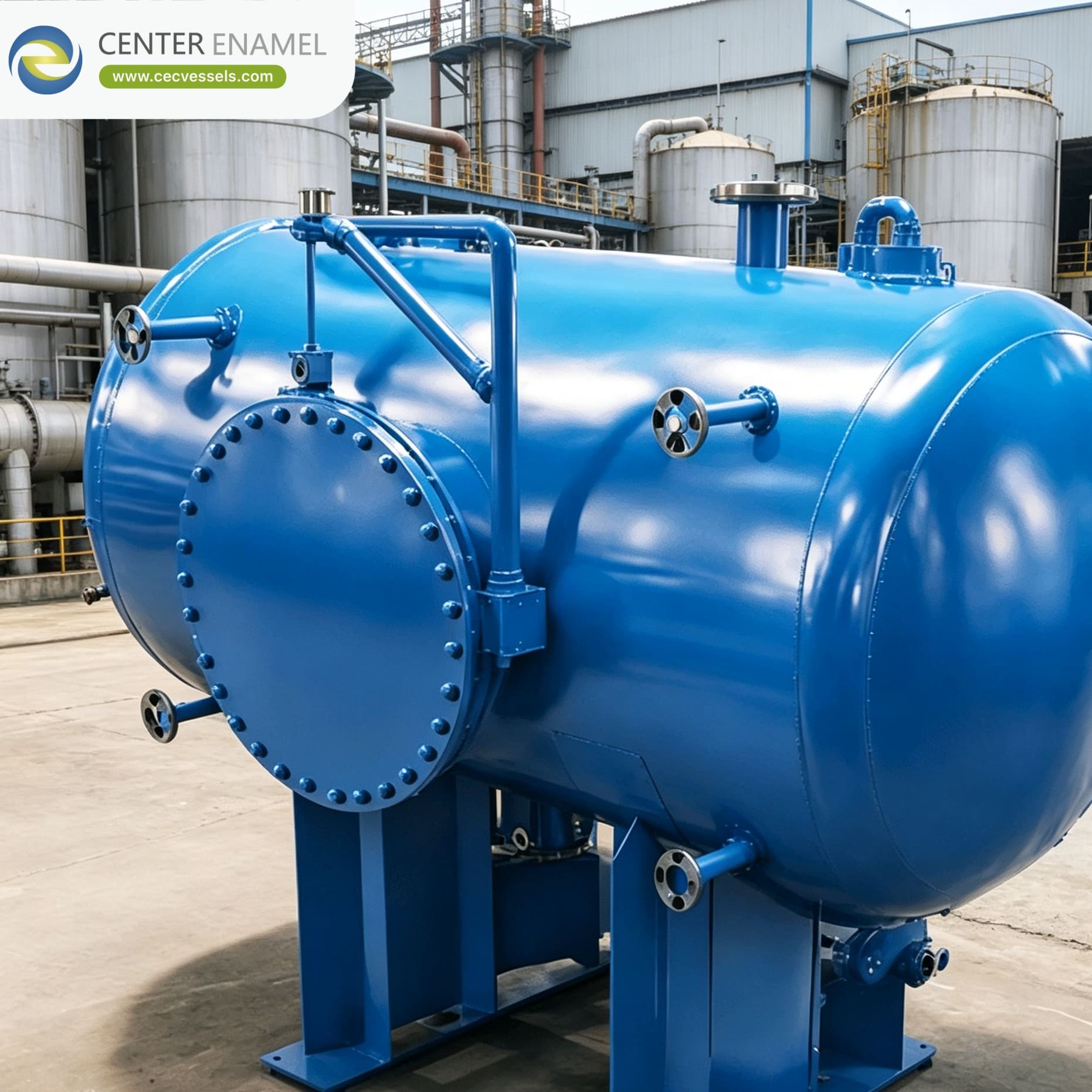
Thermal Oil Heater System for Stable and Efficient Industrial Process Heating
A Thermal Oil Heater Systemprovides consistent thermal energy for industrial production processes that require accurate temperature control and continuous heating. By circulating heated thermal oil through a closed-loop system, it delivers efficient indirect heat to reactors, heat exchangers, tanks, and other process equipment. What Is a Thermal Oil Heater System?A Thermal Oil Heater Systemis an industrial heating solution that uses thermal oil or another suitable heat transfer fluid to transfer thermal energy from a heating unit to production equipment. Unlike direct heating methods, thermal oil systems transfer heat indirectly through circulation pipelines, heating jackets, or heat exchangers. The heat transfer fluid absorbs energy inside the heater and carries it to the equipment that requires heating. After releasing thermal energy, the fluid returns to the heater for reheating, creating a continuous circulation process. A complete thermal oil heating system generally consists of:
lThermal oil heater lThermal oil circulation pump lHeat transfer fluid lExpansion tank lHeat exchangers or heating jackets lInsulated circulation pipelines lTemperature sensors and control valves lElectrical control cabinet These components work together to provide a coordinated heating solution for different industrial production requirements. How Does a Thermal Oil Heater System Work?The operating principle of a Thermal Oil Heater Systemis based on continuous heat generation, fluid circulation, and indirect heat transfer. The process can be divided into several stages. 1. Thermal Oil Heating The process begins when thermal oil enters the heating unit. Depending on the selected configuration, the heater can use natural gas, diesel, electricity, or another suitable energy source. Heat is transferred to the thermal oil through heating coils or electrical heating elements, increasing its temperature to the required operating level. 2. Thermal Oil Circulation A circulation pump moves the heated oil through the distribution pipeline toward the connected process equipment. The pump maintains the required flow rate to ensure continuous heat delivery throughout the system. 3. Indirect Heat Transfer When heated thermal oil enters a reactor jacket, heat exchanger, heating coil, or other process equipment, thermal energy transfers through the equipment surfaces to the process material. This indirect heating arrangement allows manufacturers to regulate material temperature according to production requirements. 4. Return and Reheating After transferring heat, the thermal oil returns to the heating unit at a lower temperature. The heater raises the fluid temperature again, and the circulation cycle continues. 5. Temperature Monitoring and Control Temperature sensors, flow instruments, and automated valves monitor system conditions. The control system adjusts heating output and fluid circulation according to the required process temperature, helping maintain stable thermal conditions during production. Main Components of an Industrial Thermal Oil Heating SystemThe performance of an industrial Thermal Oil Heater Systemdepends on the coordinated operation of its main components. Thermal Oil Heater The heater provides the thermal energy required by the production process. Common configurations include gas-fired heaters, oil-fired heaters, and electric thermal oil heaters. The appropriate type depends on available energy sources, required heating capacity, operating temperature, and project conditions. Circulation Pump The circulation pump maintains the movement of thermal oil between the heater and connected equipment. Its capacity should be selected according to the required flow rate, pipeline resistance, and total heat demand. Expansion Tank The expansion tank accommodates changes in thermal oil volume as the fluid temperature increases or decreases. It also provides space for fluid expansion and supports the circulation system's overall arrangement. Heat Exchanger Heat exchangers transfer thermal energy from the thermal oil to another process medium. They are widely used in chemical production, food processing, and other industrial heating applications. Insulated Pipelines Insulated pipelines transport heated thermal oil between the heater and process equipment while helping reduce heat loss. Automatic Control System The control system monitors operating temperature, fluid flow, and other important parameters. It coordinates the heater, circulation pump, and temperature regulation equipment to support consistent operation. Types of Thermal Oil Heater SystemsDifferent industrial processes require different heating configurations. Selecting the appropriate Thermal Oil Heater Systemdepends on energy availability, heating capacity, and process temperature requirements. 1. Electric Thermal Oil Heater An electric thermal oil heater uses electrical heating elements to transfer energy to the circulating fluid. Its main advantages include:
lConvenient temperature adjustment. lCompact equipment arrangement. lNo on-site fuel combustion. lCompatibility with automated control systems.
Electric configurations are suitable for facilities with sufficient electrical capacity and applications requiring controlled heating. 2. Gas-Fired Thermal Oil Heater A gas-fired thermal oil heater uses natural gas or another suitable gaseous fuel as its energy source. The combustion process generates heat, which is transferred to thermal oil through the heater's heating surfaces. This configuration is commonly considered for industrial facilities with available gas supplies and substantial continuous heating requirements. 3. Oil-Fired Thermal Oil Heater An oil-fired system uses liquid fuel to generate thermal energy. It can be configured for industrial facilities where suitable fuel storage and supply infrastructure are available. 4. Waste Heat Recovery Thermal Oil System Some industrial facilities generate recoverable heat from exhaust gases or other production processes. A waste heat recovery system can transfer this energy to thermal oil, allowing the recovered heat to serve other production equipment and improve overall energy utilization. Industrial Applications of Thermal Oil Heater SystemsA Thermal Oil Heater Systemis widely used in industries that require controlled and continuous process heating. Chemical Processing Industry Chemical production often involves heating, mixing, polymerization, evaporation, and other temperature-dependent operations. Thermal oil can provide indirect heating for:
lChemical reactors. lJacketed reaction vessels. lMixing tanks. lDistillation equipment. lIndustrial heat exchangers.
The heating system can be configured according to the required reaction temperature and process capacity. Petrochemical Industry Thermal oil heating is used in selected petrochemical processes, including material preheating, heat transfer, and temperature control for production equipment. Its closed-loop circulation arrangement supports continuous heat delivery across different process units. Food and Beverage Industry Food manufacturing requires controlled heating for processing liquids, oils, syrups, and other materials. Thermal oil systems can supply heat to processing tanks, heat exchangers, and other equipment according to product-specific temperature requirements. Pharmaceutical Industry Pharmaceutical manufacturing involves temperature-controlled preparation, mixing, concentration, and other processing operations. Thermal oil heating can provide an indirect heat source for compatible production equipment. Plastic and Rubber Manufacturing Plastic and rubber production often requires consistent heating for material preparation, molding, and processing. Thermal oil systems can supply thermal energy to production machinery and heating equipment. Key Factors in Selecting a Thermal Oil Heater SystemChoosing the appropriate Thermal Oil Heater Systemrequires consideration of production conditions and the complete heat distribution arrangement. Important selection factors include: Heating Capacity:Calculate the total thermal energy demand based on the number of connected process users and their operating schedules. Operating Temperature:Determine the required supply and return temperatures according to the production process and selected heat transfer fluid. Heat Transfer Fluid:Select suitable thermal oil based on temperature range, viscosity, thermal stability, and compatibility with system materials. Circulation Flow Rate:Determine the required fluid flow according to heat demand and the thermal performance of connected equipment. Equipment Materials:Consider the temperature, fluid characteristics, and operating environment when selecting carbon steel, stainless steel, or other suitable materials. Control Requirements:Evaluate temperature regulation, automated operation, monitoring instruments, and integration with the plant control system. System Layout:Consider equipment location, pipeline distance, installation space, and connections with existing production equipment. A coordinated evaluation of these factors helps establish an appropriate heating configuration for each industrial project. Why Choose Center Enamel for Industrial Thermal Equipment?Center Enamelis an industrial equipment manufacturer specializing in the design, research, development, and fabrication of storage vessels, reaction vessels, heat exchange pressure vessels, and separation equipment. For industrial thermal processing applications, equipment configuration and material selection are important considerations. Center Enamel provides customized vessel manufacturing solutions according to project specifications, process media, operating temperatures, and equipment requirements. Its manufacturing capabilities include:
lHeat Exchange Pressure Vessels:Equipment designed for industrial heat transfer applications.
lReaction Vessels:Customized vessels for chemical processing, mixing, and temperature-controlled production. lStorage Vessels:Industrial storage equipment for different process materials. lStainless Steel Equipment:Fabrication using suitable stainless steel grades according to project requirements. lCarbon Steel Equipment:Customized equipment for various industrial applications.
As a Thermal Oil Heater System Manufacturersearch partner for industrial equipment projects, Center Enamel can support customers with customized thermal process vessels and related equipment fabrication requirements. For projects involving thermal oil circulation, reactor heating, or integrated heat exchange arrangements, equipment specifications can be evaluated according to the overall process design. With its manufacturing facilities, engineering team, and quality inspection procedures, Center Enamel provides industrial equipment solutions for chemical, petrochemical, pharmaceutical, food processing, and environmental protection applications. Developing Efficient Industrial Heating SolutionsA well-designed Thermal Oil Heater Systemprovides consistent heat transfer, controlled operating temperatures, and flexible integration with industrial production equipment. From heater selection and thermal oil circulation to heat exchangers, process vessels, and automated control systems, every component contributes to the overall heating performance. For companies searching for a China Thermal Oil Heater System Manufacturer, Center Enamel offers customized industrial vessel manufacturing and thermal process equipment solutions based on individual project requirements. Its manufacturing expertise supports customers in developing reliable equipment configurations for diverse industrial heating applications.
|