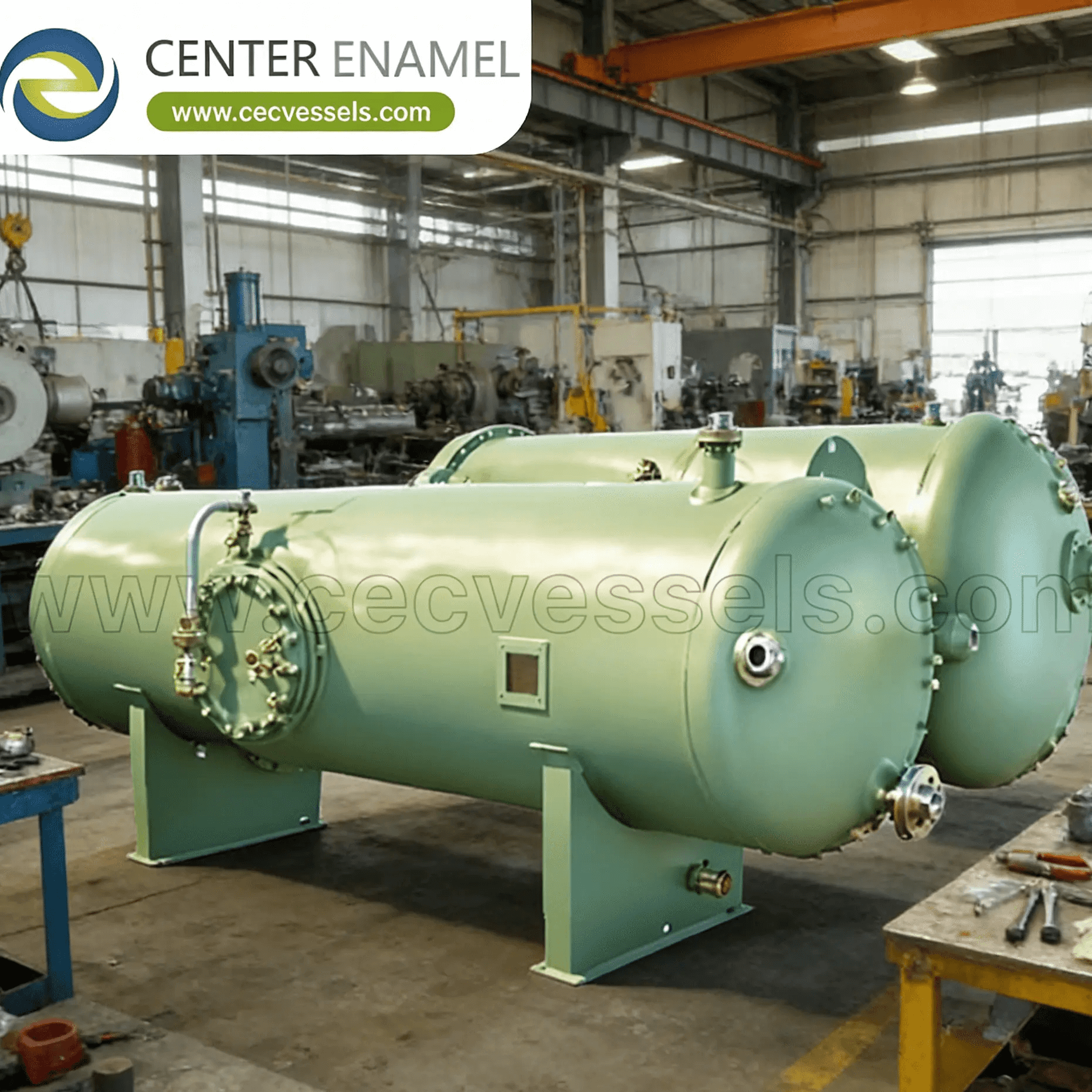
Types of Reactors and Their Role in Hydrocarbon Refining Processes
Modern petroleum refining relies heavily on specialized chemical vessels to alter molecular structures. A reactor in refinery operations is engineered to handle extreme operational conditions, including high temperatures, high pressures, and corrosive environments. The primary purpose of a refinery reactor is to facilitate reactions such as cracking, reforming, hydrotreating, and alkylation with maximum efficiency and selectivity.
Understanding how these engineering marvels function requires looking at the fundamental components of chemical reaction engineering. Raw crude oil straight from the ground consists of a complex mixture of hydrocarbons ranging from light gases to heavy asphaltenes. Directly utilizing this raw mixture is impossible for modern transportation and industrial needs. Therefore, refiners employ various thermal and catalytic reactors to break large molecules down into smaller ones, remove impurities like sulfur and nitrogen, and rearrange molecular structures to boost performance metrics like octane ratings.
The Design Philosophy of Refinery Reactors
The design of any chemical reactor is dictated by thermodynamics, reaction kinetics, and mass transfer principles. Engineers must account for whether a reaction is exothermic, releasing heat, or endothermic, absorbing heat. In hydrocarbon refining, maintaining precise temperature control is critical to prevent thermal degradation, coke deposition, or unwanted side reactions. Furthermore, the choice of reactor geometry depends heavily on the phase of the reactants—whether they are gases, liquids, or a mixture of both—and whether a solid catalyst is required to speed up the chemical transformation. Continuous operation is the standard in modern petrochemical plants, ensuring that reactants flow smoothly into the vessel while products are continuously withdrawn from the effluent stream, maintaining a steady-state condition over extended operational cycles.
Fixed-Bed Reactors in Hydrocarbon Processing
Fixed-bed reactors are among the most common types utilized in modern petroleum refineries. In a fixed-bed reactor, the solid catalyst remains stationary inside the vessel while the hydrocarbon feed, typically in gaseous or liquid phase, flows through the packed bed of catalyst particles.
These reactors are heavily relied upon in hydrotreating processes. Hydrotreating is an essential cleanup step designed to remove undesirable contaminants such as sulfur, nitrogen, and heavy metals from middle distillates like diesel and jet fuel. By reacting the hydrocarbon stream with hydrogen gas over a metal sulfide catalyst inside a fixed-bed reactor, sulfur is converted into hydrogen sulfide gas, which is subsequently scrubbed out. This not only meets strict environmental regulations regarding sulfur dioxide emissions from vehicle exhausts but also protects downstream catalysts from poisoning.
Another major application for fixed-bed reactors is catalytic reforming. During reforming, low-octane naphtha fractions are transformed into high-octane aromatic hydrocarbons used in gasoline blending. The fixed-bed arrangement ensures uniform contact between the feed and the precious metal catalysts, such as platinum or rhenium, under moderate-to-high temperature conditions.
Although fixed-bed reactors are efficient and provide high conversion rates, they do suffer from gradual catalyst deactivation due to coke accumulation, requiring periodic regeneration cycles or catalyst replacement.
Fluidized-Bed Reactors and Catalytic Cracking
When processes demand continuous catalyst regeneration and superior heat transfer capabilities, fluidized-bed reactors become the industry standard. In a fluidized-bed reactor, solid catalyst particles are suspended in an upward-flowing stream of gas or liquid, causing the solid bed to behave like a boiling fluid. This dynamic state promotes exceptional mixing and eliminates hot spots within the vessel.
The most prominent example of this technology in hydrocarbon refining is Fluid Catalytic Cracking. FCC units take heavy gas oils from the vacuum distillation column and break them down into lighter, highly valuable products such as gasoline, liquefied petroleum gas, and olefinic feedstocks. Because heavy feedstocks cause rapid coke deposition on the catalyst surface, the catalyst must be continuously circulated between the reactor, where the cracking reactions take place, and a separate regenerator vessel, where coke is burned off using air to restore catalyst activity.
Fluidized-bed reactors are also integral to processes like fluid coking and certain types of alkylation or gasification setups. Their ability to handle high solids throughput and maintain a nearly isothermal temperature profile makes them indispensable for handling highly endothermic or exothermic cracking reactions efficiently.
Tubular Reactors and Thermal Cracking Applications
Tubular reactors consist of long, narrow cylindrical tubes through which reactants flow at high velocities. Because of their geometry, tubular reactors offer a high surface-area-to-volume ratio, making them exceptionally well-suited for high-temperature thermal reactions where external heat input is required. In petroleum refining, tubular configurations are commonly found in thermal cracking units and steam-reforming furnaces. Unlike catalytic reactors that rely on active chemical agents to lower activation energy, thermal reactors drive reactions purely through intense heat supplied by furnace burners surrounding the tubes. Reagents move swiftly through the pipe bundle, minimizing back-mixing and reducing residence time distribution, which prevents secondary decomposition reactions and maximizes the yield of desired light olefins like ethylene and propylene.
However, operating tubular reactors comes with distinct engineering challenges. The extreme thermal stress requires advanced metallurgy capable of withstanding creep and oxidation at elevated temperatures. Additionally, coke formation on the inner walls of the tubes can act as a thermal insulator, reducing heat transfer efficiency and necessitating regular decoking procedures using steam-air mixtures.
Bubble Column and Stirred-Tank Reactors in Refining
While fixed-bed and fluidized-bed units dominate primary conversion processes, bubble column and continuous stirred-tank reactors play vital supportive roles in specific refining and treating sections.
Bubble column reactors involve passing gas bubbles upward through a liquid phase. These vessels are frequently utilized in specialized hydrogenation steps, wastewater treatment facilities within the refinery complex, and certain petrochemical synthesis routes. Their design is mechanically simple, featuring no moving parts, which lowers capital and maintenance costs. However, managing precise gas dispersion and handling highly viscous fluids can present operational limitations.
Continuous stirred-tank reactors, conversely, rely on mechanical agitators or impellers to achieve thorough mixing of liquid reactants. While less common in massive continuous fuel-production streams compared to tubular or fixed-bed models, CSTR principles are applied in treating units, acid-catalyzed alkylation processes, and chemical neutralization stages where uniform concentration and immediate thermal dissipation are mandatory.
The Critical Role of Catalysts and Reaction Variables
The success of any hydrocarbon refining reactor is inextricably linked to the synergy between reactor design and catalyst technology. Catalysts provide alternative reaction pathways with lower activation energies, allowing refiners to operate at lower temperatures and pressures than would otherwise be required, saving energy and improving safety.
Process operators carefully monitor key reaction variables to optimize performance. Temperature dictates reaction rates and selectivity; higher temperatures generally accelerate reactions but can promote coke formation and thermal cracking degradation. Pressure influences phase behavior and equilibrium, particularly in hydrogen-consuming processes like hydrocracking and hydrotreating where maintaining adequate hydrogen partial pressure is vital. Space velocity, defined as the volumetric flow rate of the feed divided by the reactor volume, determines the residence time of the reactants inside the catalyst bed, directly affecting conversion depth and product quality.
Integration Within the Overall Refinery Complex
Refinery reactors do not operate in isolation; they form an interconnected network linked to distillation columns, fractionators, compressors, and heat exchangers. A typical barrel of crude oil enters an atmospheric distillation unit first, where it is separated into fractions based on boiling points. The heavier fractions, which cannot be sold directly as premium fuels, are routed directly to catalytic cracking and hydrotreating reactors.
Following reaction, the effluent mixture is sent to separation and fractionation trains to isolate the newly created lighter hydrocarbons, unreacted feed components, and gaseous by-products. By-products such as hydrogen sulfide are often routed to a Claus reactor, where sulfur recovery units convert hazardous gaseous waste into elemental sulfur, mitigating environmental impact while producing a valuable industrial commodity.
Environmental and Economic Impact of Advanced Reactor Engineering
As global energy demands shift and environmental regulations grow progressively stricter, the role of the refinery reactor continues to evolve. Modern research focuses heavily on developing more active, selective, and durable catalysts that can process heavier, lower-quality crude oils while consuming less hydrogen and emitting fewer greenhouse gases.
Optimized reactor design directly translates to higher energy efficiency, reduced carbon footprints, and improved product yields. By transforming heavy residual oils into clean-burning, low-sulfur fuels, advanced reactor technologies enable refineries to meet stringent specifications while maximizing economic profitability. Understanding the distinct characteristics of fixed-bed, fluidized-bed, tubular, and specialty reactors remains fundamental to mastering the science of petroleum refining and chemical process engineering. |