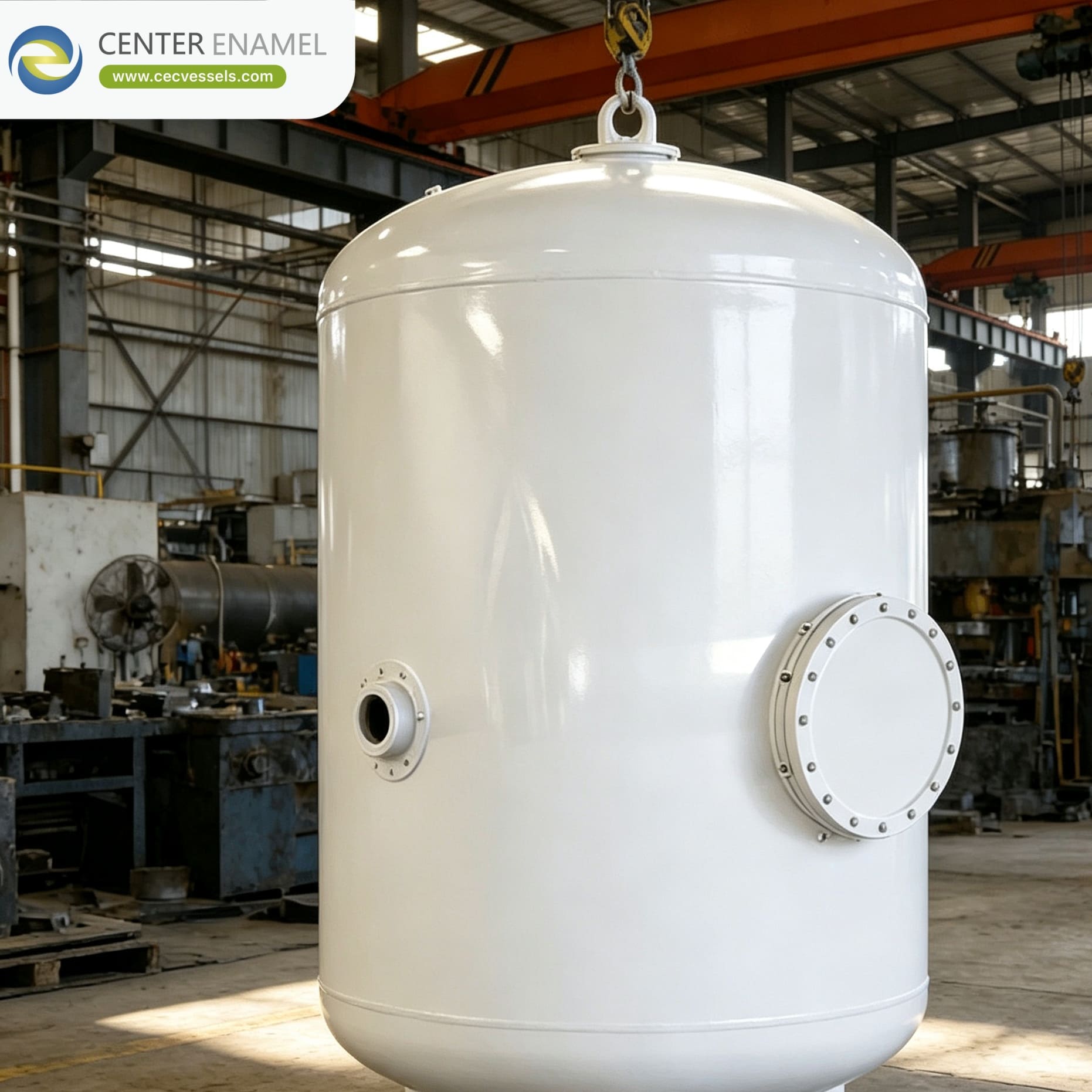
Understanding Heat Exchangers
Heat exchangers are essential equipment used to transfer thermal energy between fluids at different temperatures. They support heating, cooling, condensation, and temperature regulation in industries such as chemical manufacturing, food processing, pharmaceutical production, and energy generation. Understanding the heat exchange process, equipment structure, and practical applications helps businesses select suitable solutions for their production requirements and improve thermal efficiency. What Is a Heat Exchanger?A heat exchanger is a device that transfers heat from one fluid to another without necessarily allowing the fluids to mix. The fluids may be liquids, gases, or combinations of different phases, depending on the equipment design. In a typical system, a hot fluid releases thermal energy while a cooler fluid absorbs it. A conductive surface, such as a metal tube or plate, separates the fluids and allows heat to pass between them. Heat exchangers can be designed for different capacities, temperatures, flow rates, and installation conditions. Some are used for simple water heating, while others support complex industrial processes involving multiple fluids. The main purpose of a heat exchanger is to control temperatures efficiently while maintaining the required process conditions. How Does the Heat Exchange Process Work?The heat exchange processinvolves transferring thermal energy from a warmer medium to a cooler medium. In most indirect heat exchangers, this process occurs through three basic steps. First, heat moves from the warmer fluid to the surface separating the two fluids. Second, thermal energy conducts through the solid surface. Finally, the cooler fluid absorbs the heat and increases in temperature. At the same time, the warmer fluid loses thermal energy and decreases in temperature. The final temperatures depend on the inlet conditions, flow rates, fluid properties, heat transfer area, and exchanger design. Understanding Heat Transfer MechanismsConduction occurs when thermal energy passes through a solid material, such as the metal wall of a heat exchanger tube. Convection occurs when heat moves between a surface and a flowing fluid. Fluid movement helps carry thermal energy away from or toward the heat transfer surface. Radiation transfers energy through electromagnetic waves. Although radiation is important in some thermal systems, most conventional liquid-to-liquid heat exchangers primarily rely on conduction and convection. Together, these mechanisms enable heat exchangers to provide controlled heating and cooling for industrial processes. What Are the Main Types of Heat Exchangers?Different heat exchanger designs are available to meet specific process requirements. The appropriate type depends on fluid properties, heat transfer capacity, available space, and maintenance needs. Shell and Tube Heat ExchangersShell and tube heat exchangers consist of a bundle of tubes enclosed within an outer shell. One fluid flows through the tubes, while another flows through the shell-side passage. Heat transfers through the tube walls without direct mixing of the fluids. This configuration is widely used in chemical processing, power generation, industrial cooling, and general manufacturing. The tube arrangement, materials, and heat transfer area can be customized according to the application. Depending on the design, components may also be accessible for inspection and cleaning. Plate Heat ExchangersPlate heat exchangers use a series of thin metal plates to create separate channels for two fluids. Their compact structure provides a relatively large heat transfer area. They are commonly used in food and beverage processing, HVAC systems, refrigeration, and industrial water heating. Plate heat exchangers are suitable for many applications requiring efficient thermal transfer within limited installation space. The selected design should match the fluid characteristics, operating temperatures, and cleaning requirements. Tube and Tube Heat ExchangersTube and tube heat exchangers feature an inner tube and an outer passage that carry separate fluids. Heat passes through the inner tube wall from one stream to the other. These exchangers can be suitable for applications involving certain viscous liquids and process materials that benefit from tubular flow passages. They are used in chemical manufacturing, food processing, and pharmaceutical production, depending on the product properties and equipment design. Air-Cooled Heat ExchangersAir-cooled heat exchangers transfer heat from a process fluid to the surrounding air. Finned surfaces and fans may be used to improve airflow and heat dissipation. These systems are common in industrial facilities where air is a practical cooling medium or where reducing cooling water consumption is a priority. What Are Some Practical Heat Exchange Examples?Real-world heat exchange examplesdemonstrate how different equipment designs support temperature control across industries. Example 1: Heating Water in ManufacturingA manufacturing facility may use steam or hot water to raise the temperature of process water. The heating medium transfers thermal energy through a heat exchanger surface, allowing the process water to reach its required outlet temperature. This arrangement can support equipment cleaning, production preparation, and other industrial operations. Example 2: Cooling Process LiquidsA chemical plant may need to reduce the temperature of a liquid before transferring it to a storage tank. Cooling water flows through one side of a heat exchanger, while the process liquid passes through the other. Heat moves from the warmer process liquid to the cooler water, lowering the product temperature before the next production step. Example 3: Recovering Thermal EnergyAn industrial facility may have a warm outgoing process stream and a cooler incoming stream. A heat exchanger can transfer energy from the outgoing stream to the incoming material. This approach helps reduce the additional energy required to heat the incoming stream and supports more effective energy utilization. Example 4: Cooling Food and Beverage ProductsFood and beverage manufacturers use heat exchangers to regulate product temperatures during processing. For example, a beverage may be heated during one production stage and cooled before filling. Suitable equipment materials and cleaning procedures help maintain the hygienic conditions required for the application. Example 5: Refrigeration and Air ConditioningIn refrigeration systems, evaporators absorb heat from the area being cooled, while condensers release heat to the surrounding environment or another cooling medium. These heat exchange operations allow refrigeration equipment and air conditioning systems to maintain their required temperatures. What Is a Heat Exchanger Section?A heat exchanger sectioncan refer to a functional part of the equipment or a section of a larger thermal processing system. Its exact meaning depends on the equipment design and engineering documentation. In a shell and tube heat exchanger, the tube side and shell side represent two primary fluid flow regions. The tube bundle provides the surface through which thermal energy passes, while the shell distributes the second fluid around the tubes. In a plate heat exchanger, individual plate channels guide the two fluids through alternating passages. The plates provide the surface area needed for heat transfer. Some larger systems also contain multiple heat exchanger sections arranged in series or parallel. A series arrangement allows a fluid to pass through successive stages, while a parallel arrangement divides the flow between separate units. Understanding each heat exchanger section helps engineers evaluate flow distribution, temperature changes, maintenance access, and overall system performance. Which Industries Use Heat Exchangers?The heat exchanger industry serves many sectors that require reliable heating and cooling. In chemical manufacturing, heat exchangers regulate process temperatures, cool liquids, and recover energy between process streams. In food and beverage production, they support liquid heating, cooling, and temperature control before packaging. Hygienic equipment designs are particularly important for product-contact applications. In pharmaceutical manufacturing, heat exchangers help control the temperature of ingredients, process liquids, and selected utility systems. In power generation, they support steam condensation, cooling water circulation, and thermal energy transfer. In data centers, heat exchangers can transfer heat between equipment cooling circuits and facility cooling systems, depending on the overall cooling architecture. These applications highlight the importance of selecting equipment according to actual operating conditions rather than relying on a single standard design. How to Choose the Right Heat ExchangerSelecting the right heat exchanger starts with defining the required inlet and outlet temperatures, fluid flow rates, and heat transfer capacity. Fluid characteristics are also important. Viscosity, chemical composition, suspended particles, and heat capacity can influence the design and material selection. Available installation space, cleaning requirements, maintenance access, and utility supply should also be considered. For sanitary applications, product-contact materials and cleaning compatibility require particular attention. Working with an experienced manufacturer helps ensure that equipment dimensions, materials, and flow arrangements match the process requirements. Improving Industrial Performance With Heat ExchangersHeat exchangers support effective temperature control across a wide range of industrial operations. Understanding the heat exchange process, equipment types, and practical heat exchange examplesmakes it easier to identify the right solution for each application. By selecting suitable equipment, maintaining clean heat transfer surfaces, and monitoring operating temperatures, businesses can improve thermal efficiency and maintain consistent production conditions. A well-designed heat exchanger system provides a reliable foundation for industrial heating, cooling, and energy recovery. |