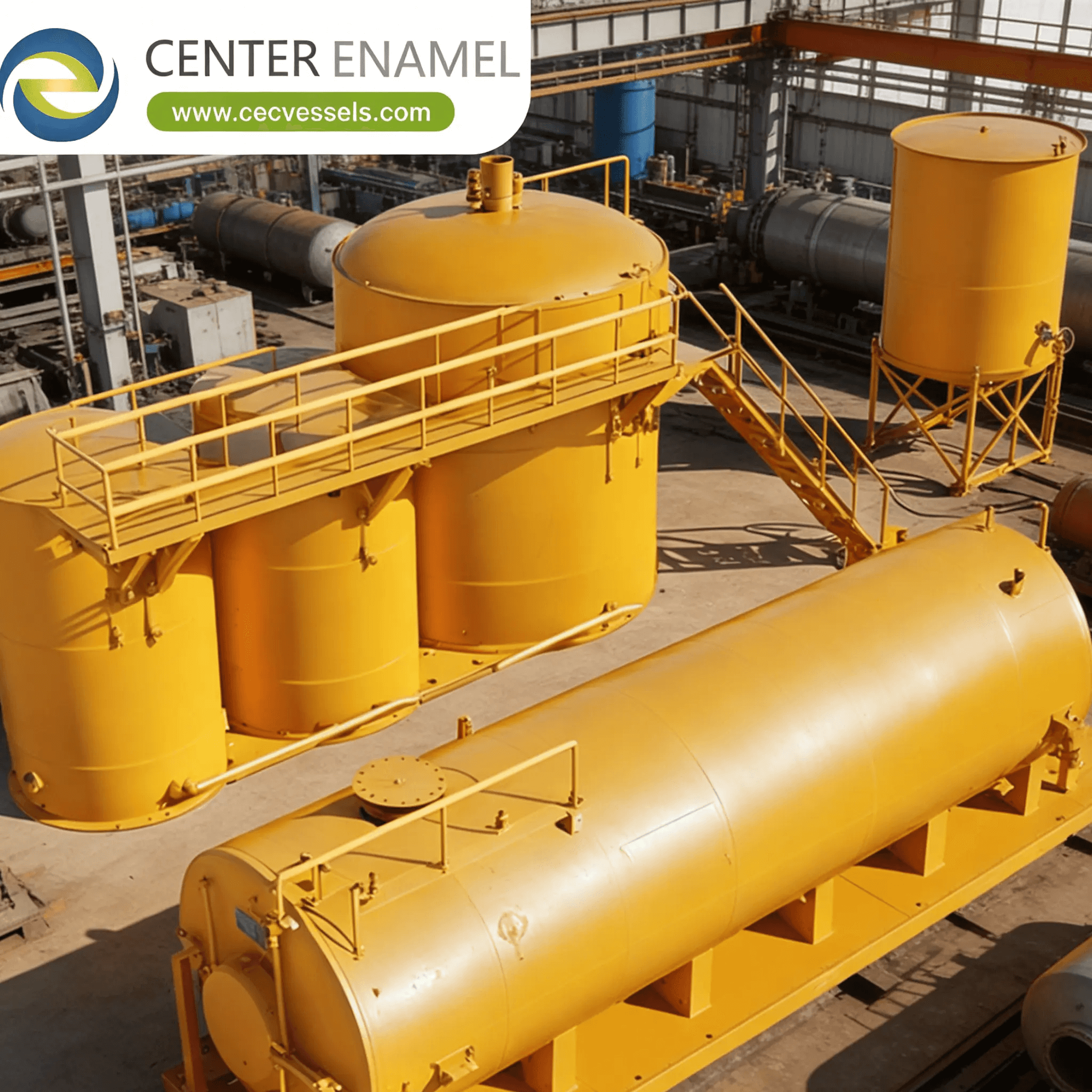
Falling-Film MVR Evaporator: A Modern Approach to Continuous Liquid Evaporation
A Falling-Film MVR Evaporator is an industrial evaporation system designed to continuously remove water or other volatile components from liquid feed streams. It combines falling-film evaporation technology with Mechanical Vapor Recompression (MVR) to provide efficient liquid concentration and thermal energy reuse. In a falling-film evaporator, the feed liquid is distributed across the inner surfaces of vertical heat-transfer tubes and flows downward as a thin film. As heat is transferred through the tube walls, part of the liquid evaporates while the concentrated liquid continues moving toward the lower section of the equipment. The generated vapor is separated from the concentrated liquid and directed to the MVR compressor. The compressor raises the vapor temperature so that it can be reused as a heating source within the evaporation system. This combination makes the Falling-Film MVR Evaporator suitable for continuous industrial processes where stable evaporation, efficient heat transfer, and reduced external steam consumption are important. How Does a Falling-Film MVR Evaporator Work?The operating process begins when the feed liquid enters the evaporation system. A distribution device spreads the liquid evenly across the upper part of the heat-transfer tubes. The liquid then flows downward along the inner tube walls in the form of a thin film. The thin-film configuration provides a large heat-transfer surface relative to the amount of liquid being processed. As the liquid moves downward, heat supplied through the tube walls causes part of the water or solvent to evaporate. The generated vapor and concentrated liquid are then separated. The secondary vapor enters the mechanical vapor compressor. After compression, the vapor reaches a higher temperature and can be returned to the heating side of the evaporator. The concentrated liquid is discharged from the system or sent to another evaporation stage, depending on the required final concentration. This continuous circulation of vapor and liquid creates an integrated evaporation process in which thermal energy can be reused rather than relying entirely on fresh steam. Why Use Falling-Film Evaporation?The falling-film principle provides several characteristics that make it suitable for modern industrial evaporation. Thin Liquid FilmThe liquid flows through the heat-transfer tubes as a thin film. This creates a relatively large heat-transfer area and supports efficient thermal exchange. The thin layer also allows the liquid to move continuously through the evaporation tubes, making the technology suitable for continuous production. Continuous OperationUnlike batch evaporation systems, falling-film evaporators can process feed continuously. This makes them suitable for production lines with stable feed streams and defined evaporation capacities. Continuous operation can also support consistent product concentration when the feed and process parameters remain stable. Shorter Residence TimeThe liquid generally passes through the evaporation tubes within a controlled period. A shorter residence time can be useful for products that require carefully managed thermal exposure. This feature makes falling-film evaporation attractive for selected food, pharmaceutical, chemical, and other temperature-sensitive applications. Efficient Heat TransferThe thin liquid film provides close contact between the process liquid and the heat-transfer surface. Combined with proper feed distribution, this can support efficient evaporation performance. The Role of MVR TechnologyMechanical Vapor Recompression is a key feature of this evaporation system. During evaporation, the process naturally generates secondary vapor. In a conventional evaporation system, this vapor may be condensed or otherwise discharged after releasing its available heat. MVR technology instead recycles this vapor. The vapor compressor takes the generated vapor and increases its temperature. The recompressed vapor is then used as the heating medium for continued evaporation. This process allows the system to reuse thermal energy within the evaporation cycle. As a result, the demand for fresh steam can be reduced during normal operation. The effectiveness of MVR depends on factors such as vapor flow, temperature difference, evaporation capacity, compressor performance, feed characteristics, and system configuration. Main Components of a Falling-Film MVR EvaporatorA complete Falling-Film MVR Evaporator normally consists of several integrated components. Falling-Film EvaporatorThe evaporator contains the heat-transfer tubes where the liquid forms a thin film and undergoes evaporation. The tube material, diameter, length, and heat-transfer area can be selected according to the feed characteristics and required evaporation capacity. Feed Distribution SystemUniform feed distribution is essential for falling-film operation. The distribution system spreads the liquid evenly across the available heat-transfer tubes. Consistent distribution helps maintain stable film formation and supports uniform heat transfer. Vapor SeparatorThe vapor separator separates generated vapor from concentrated liquid. The separated vapor is directed toward the MVR compressor, while the concentrated liquid continues through the process. MVR CompressorThe mechanical vapor compressor is the central energy-recovery component. It compresses the secondary vapor and increases its temperature for reuse. Compressor selection is based on evaporation capacity, vapor flow, operating temperature, and other process parameters. Circulation and Feed PumpsPumps move feed liquid and concentrated liquid through the system. Their capacity and material selection should correspond to the process liquid and operating conditions. Condenser and Heat Recovery EquipmentDepending on the process configuration, a condenser can be included to condense excess vapor or recover additional thermal energy. Control SystemTemperature sensors, flow meters, level instruments, valves, and other control components can be integrated into the evaporation system. A centralized control system allows operators to monitor important process parameters and coordinate the evaporator, compressor, pumps, and other equipment. Materials for Falling-Film MVR EvaporatorsMaterial selection should consider the composition of the feed liquid, concentration level, operating temperature, cleaning requirements, and expected service environment. Stainless steel is widely used in falling-film evaporation equipment because of its corrosion resistance and smooth surface characteristics. For food and beverage applications, stainless steel can support hygienic processing and convenient cleaning. Pharmaceutical applications may require additional surface finishing according to production specifications. Different stainless steel grades can be selected according to the chemical characteristics of the feed. Other materials may also be considered for specific industrial media where compatible with the process. A professional Falling-Film MVR Evaporator Manufacturer should evaluate material compatibility as part of the overall process design rather than selecting materials based only on equipment size. Applications of Falling-Film MVR EvaporatorsFalling-film MVR evaporation technology can be applied across numerous industries. Food and BeverageFood processing facilities frequently need to concentrate liquid products, extracts, ingredients, and process streams. The falling-film structure provides continuous evaporation and can be configured with stainless steel materials and suitable cleaning arrangements. Pharmaceutical IndustryPharmaceutical production may require controlled concentration of solutions or removal of water and solvents. A Falling-Film MVR Evaporator can be designed with appropriate stainless steel construction, process instrumentation, and surface treatment to meet the needs of specific pharmaceutical processes. Chemical ProcessingChemical plants often generate liquid streams that require concentration, water removal, or solvent recovery. MVR evaporation can be integrated into these production lines to provide continuous processing and internal vapor energy reuse. Environmental ProtectionIndustrial wastewater treatment is another important application. Certain wastewater streams can be concentrated through evaporation, reducing liquid volume and supporting subsequent treatment or resource recovery processes. The evaporation system can be customized according to feed concentration, suspended solids, viscosity, and final concentration requirements. Other Industrial ProcessesFalling-film MVR evaporators can also be considered for fermentation liquids, mineral solutions, specialty chemicals, agricultural processing liquids, and other streams requiring continuous concentration. Falling-Film MVR Evaporator vs. Other Evaporation TechnologiesDifferent evaporation technologies are suitable for different feed characteristics and production requirements. Falling-film evaporators are particularly suitable for continuous processing and liquids that can be distributed effectively over vertical heat-transfer surfaces. Forced-circulation evaporators use pumps to circulate liquid through the heat-transfer system and can be considered for feeds with higher concentrations or specific flow characteristics. Rising-film evaporators use vapor generation to move liquid upward through the heat-transfer tubes and are suitable for certain low-viscosity liquids. Multiple-effect evaporators use several evaporation stages to reuse vapor between effects, while MVR systems mechanically recompress generated vapor for thermal reuse. The appropriate technology depends on evaporation capacity, feed composition, viscosity, concentration, thermal characteristics, product requirements, and available utilities. Design Considerations for a Falling-Film MVR EvaporatorProper design starts with accurate process information. Important parameters include feed flow rate, initial concentration, target concentration, evaporation capacity, viscosity, boiling temperature, solids content, heat-transfer characteristics, and required product quality. The heat-transfer area must be matched to the evaporation duty. The feed distribution system should provide uniform liquid coverage across the tubes. The MVR compressor should be selected according to vapor volume and required temperature lift. Pumps should also be matched to the feed and concentrate flow rates. Equipment dimensions and layout should consider plant space, maintenance access, piping connections, electrical requirements, and transportation conditions. For customized systems, the evaporator can be designed around the customer's existing production line and utility configuration. Manufacturing Process and Quality ControlManufacturing quality plays an important role in the performance of an industrial evaporation system. A standardized production process begins with raw material verification. Components are then cut, formed, machined, welded, and assembled according to approved engineering drawings. Heat-transfer components require accurate fabrication because dimensional consistency directly affects the performance and assembly of the evaporation system. Welded areas can be inspected according to applicable quality requirements. Dimensional inspections verify the position and alignment of tubes, nozzles, supports, piping, and other components. Surface treatment is selected according to the material and process application. Stainless steel components can receive appropriate cleaning, polishing, pickling, or passivation where required. After assembly, the complete system is inspected to confirm equipment configuration, piping connections, instruments, and control components. This structured manufacturing approach helps ensure that the finished Falling-Film MVR Evaporator corresponds with the approved design and project specifications. Center Enamel as a Falling-Film MVR Evaporator ManufacturerShijiazhuang Zhengzhong Technology Co., Ltd., known as Center Enamel, is an industrial equipment manufacturer integrating research and development, engineering design, manufacturing, and international project services. Center Enamel operates a large manufacturing and R&D base covering more than 150,000 square meters. The facility is equipped with automated production lines, precision cutting and forming equipment, material testing facilities, and professional fabrication resources. The company's product portfolio includes evaporators, reactors, heat exchangers, separators, pressure vessels, Glass-Fused-to-Steel tanks, and Fusion Bonded Epoxy tanks. As a Falling-Film MVR Evaporator Manufacturer, Center Enamel can provide customized evaporation equipment according to feed characteristics, evaporation capacity, material selection, thermal requirements, and plant layout. The engineering team can coordinate the evaporator, vapor separator, MVR compressor, pumps, piping, valves, instrumentation, and control system as an integrated process solution. Customized Falling-Film MVR Evaporator SolutionsIndustrial evaporation projects vary significantly in feed composition and production requirements. Customized equipment can therefore provide a closer match to the actual process. Customers can provide information such as feed flow rate, initial and final concentration, evaporation capacity, liquid composition, viscosity, temperature requirements, and available installation space. Based on these parameters, the engineering team can select the appropriate evaporation configuration, heat-transfer area, tube arrangement, compressor capacity, pump specifications, and material grade. The system can also be coordinated with existing upstream and downstream equipment. For projects requiring compact equipment arrangements, process piping and control components can be integrated into a coordinated system layout. This approach allows the evaporation equipment to fit the production process while supporting convenient operation and maintenance. Choosing a China Falling-Film MVR Evaporator ManufacturerSelecting the right China Falling-Film MVR Evaporator Manufacturer requires consideration of both process engineering and manufacturing capabilities. An experienced manufacturer should understand evaporation technology, heat transfer, vapor recompression, material selection, process piping, instrumentation, and equipment integration. Manufacturing capacity is equally important for customized industrial systems. Proper fabrication, inspection, assembly, and testing help translate the engineering design into reliable finished equipment. Center Enamel combines engineering, manufacturing, quality control, and project services within one organization. Its experience in industrial equipment manufacturing enables the company to provide customized evaporation systems for customers in different industries and regions. For customers seeking a Falling-Film MVR Evaporator Manufacturer, Center Enamel can develop equipment based on actual feed properties, evaporation requirements, plant conditions, and project specifications. Continuous Evaporation with Falling-Film MVR TechnologyThe Falling-Film MVR Evaporator represents a modern approach to continuous liquid concentration by combining thin-film heat transfer with mechanical vapor recompression. Its vertical heat-transfer tubes allow liquid to flow as a thin film, while the MVR system reuses generated vapor as a heating source. This combination supports continuous evaporation, efficient thermal utilization, and flexible industrial process integration. The technology can be applied in food and beverage production, pharmaceutical processing, chemical manufacturing, environmental treatment, and other industries where liquid concentration is required. Center Enamel provides customized Falling-Film MVR Evaporator solutions supported by engineering design, manufacturing capabilities, quality control, and international project experience. By matching evaporation technology, material selection, equipment configuration, and process requirements, Center Enamel helps customers develop practical continuous evaporation systems for modern industrial production. |