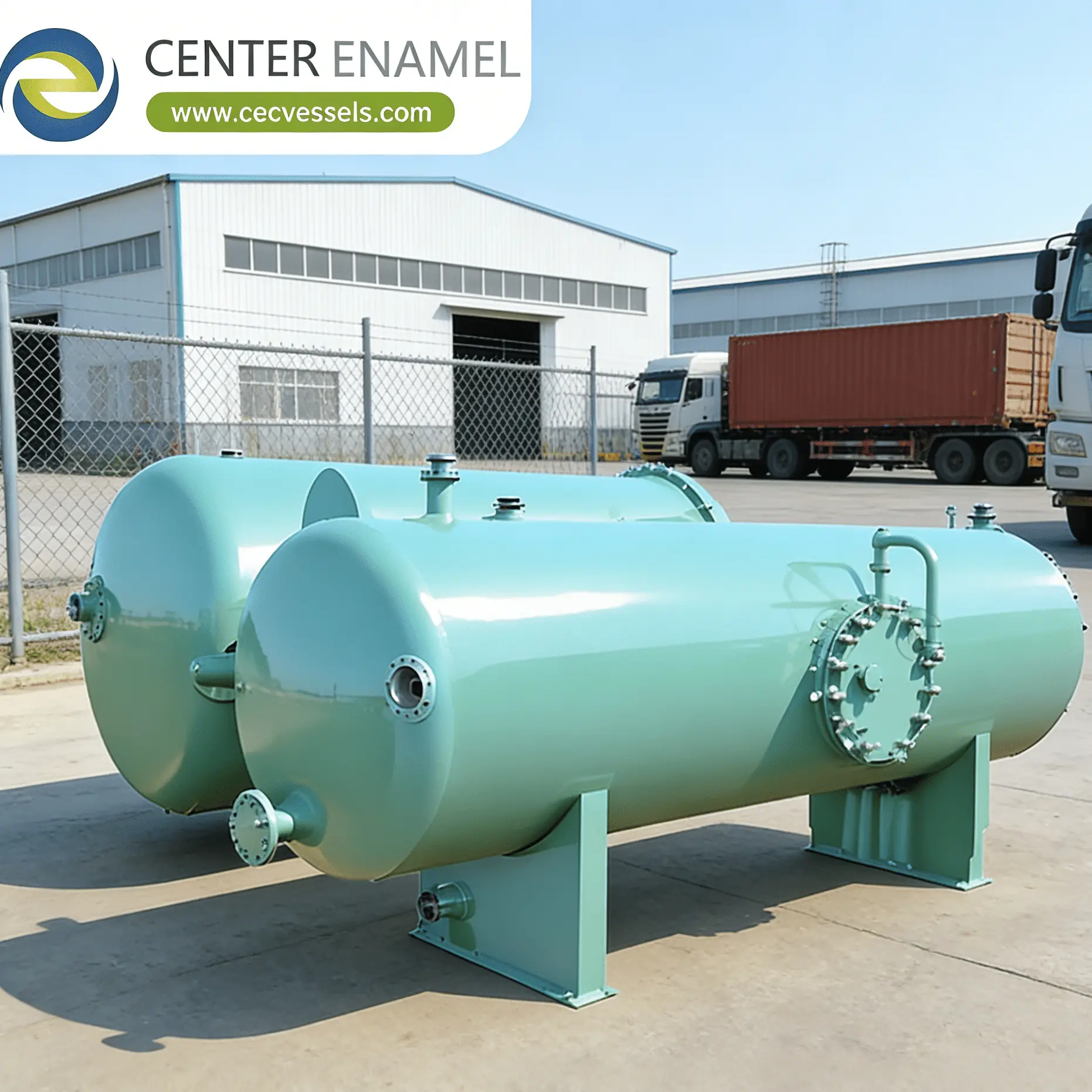
What Are the Advantages of a Fixed Bed Reactor
A fixed bed reactor is a type of bed reactor in which solid catalyst, packing material, or biological media remains stationary inside the reactor vessel. Fluid passes through the fixed material, allowing contact between the flowing phase and the solid media. This straightforward structure makes the fixed bed reactor a widely used choice for chemical processing, biological treatment, and catalytic applications. Understanding the Fixed Bed Reactor The basic design of a fixed bed reactor consists of a vessel filled with solid particles or structured media. Depending on the application, the packed material may function as a catalyst, adsorbent, support material, or biological carrier. During operation, the feed enters the reactor and flows through the stationary bed. As the fluid moves through the packed material, reactions or biological processes take place on or around the surface of the media. The treated or reacted fluid then leaves the reactor through the outlet. Because the solid material stays in a fixed position, the reactor can provide a consistent reaction environment. The design can also be adapted to different materials, flow rates, and processing requirements. Simple and Compact Reactor Design One of the main advantages of a fixed bed reactor is its relatively simple structure. Compared with reactor systems that require continuous movement of solid media, a fixed bed design uses a stationary packed layer. A typical system includes a reactor vessel, inlet and outlet connections, support structures, distribution components, and the fixed bed material. This straightforward configuration makes the equipment easier to understand and integrate into an industrial process. The compact design can also provide efficient use of available installation space. For applications where a continuous flow process is preferred, a fixed bed reactor can offer a practical equipment arrangement.
Efficient Contact Between Fluid and Solid Media
The fixed bed reactor is designed to promote contact between the flowing fluid and the stationary material. A large quantity of catalyst or carrier media can be installed inside the reactor, providing substantial surface area for the desired process. In catalytic applications, reactants can contact catalyst surfaces as they move through the bed. In biological applications, microorganisms can grow on or attach to carrier materials, creating a suitable environment for biological conversion. This effective fluid-solid contact is an important reason why fixed bed reactors are used in many industrial processes.
Stable Operating Conditions
Another advantage of a fixed bed reactor is the stable position of the packing material. Since the bed does not need to move continuously, the physical arrangement of the solid media remains relatively consistent during normal operation. A stable bed structure can help maintain predictable flow paths and consistent contact between the fluid and media. This characteristic is especially useful when a process requires steady and repeatable operating conditions. For a fixed bed bioreactor, the stationary carrier material can also provide a stable surface for microorganisms. This makes fixed bed systems suitable for certain biological treatment processes where attached growth is preferred.
High Surface Area for Catalytic and Biological Processes
The performance of many fixed bed reactors is closely related to the surface area of the packed media. Small particles, pellets, rings, structured packing, or specialized carrier materials can provide a large surface area within a relatively compact reactor volume. A larger available surface area can increase opportunities for contact between the process fluid and active material. In catalytic systems, this supports interaction between reactants and catalyst surfaces. In a fixed bed bioreactor, the media provides space for microorganisms to attach and develop. The selection of packing material therefore plays an important role in reactor design and process performance.
Suitable for Continuous Processing
Fixed bed reactors are commonly used in continuous flow applications. Instead of loading and unloading the reactor after every processing cycle, feed can continuously enter the reactor while processed fluid leaves through the outlet. Continuous operation can simplify process integration, particularly when the reactor is connected with upstream and downstream equipment such as pumps, separators, heat exchangers, or storage vessels. For industrial production, a continuous fixed bed reactor can therefore become part of an integrated processing line. This makes the technology suitable for applications requiring regular and consistent production.
Flexible Choice of Reactor Media
Another important advantage is the flexibility in selecting the material inside the bed. The media can be selected according to the specific process requirements. For catalytic processes, materials may include catalyst pellets, catalyst particles, or structured catalyst supports. For biological processes, specialized carrier media can provide surfaces for microbial growth. The physical properties of the media, including shape, size, surface area, and material composition, can be considered during reactor design. This flexibility allows fixed bed reactor systems to be developed for different chemical and biological applications.
Easy Integration With Industrial Systems
A fixed bed reactor can be incorporated into a wide range of industrial processing systems. Its inlet and outlet arrangement allows it to connect with pumps, pipelines, separators, heat exchangers, tanks, and other process equipment. For example, a process may use a feed tank upstream of the fixed bed reactor and a separation or collection system downstream. Additional equipment can be selected according to the characteristics of the feed and the required final product. This modular approach makes the fixed bed reactor suitable for both standalone equipment and larger process systems.
Applications of Fixed Bed Reactors
Fixed bed reactors are used across several industries. Chemical processing is one of the most established application areas, particularly where a solid catalyst is required for a continuous reaction. A fixed bed bioreactor can also be used in biological processing and wastewater treatment. In these systems, microorganisms grow on fixed carrier media and interact with the passing liquid. Other applications can include gas treatment, catalytic conversion, biochemical processing, and research-scale reaction systems. The specific reactor configuration depends on the feed characteristics, reaction requirements, media selection, and desired production capacity.
Factors to Consider When Selecting a Fixed Bed Reactor
Although the fixed bed reactor has a simple operating principle, selecting the right system requires consideration of several technical factors. The reactor volume should match the required processing capacity and residence time. The type of packing material should be compatible with the intended reaction or biological process. Fluid distribution is also important because the feed should pass through the bed in a controlled and consistent manner. Other considerations include reactor material, internal support structures, media characteristics, operating temperature, flow rate, and maintenance requirements. Proper equipment selection can help the reactor achieve stable and efficient operation. Why Choose a Fixed Bed Reactor? The advantages of a fixed bed reactor come from its combination of simple design, stationary media, efficient fluid-solid contact, and suitability for continuous operation. Its ability to accommodate different catalysts and biological carriers also gives the bed reactor considerable flexibility. For chemical processing, catalytic conversion, and biological treatment, the fixed bed configuration can provide a practical solution where stable contact between the process fluid and solid media is required. A well-designed fixed bed reactor can also be integrated with other process equipment to create a complete and efficient production system. As industrial processes continue to focus on reliable operation, efficient equipment utilization, and flexible process design, fixed bed reactors remain an important reactor technology for a wide range of applications.
|