What Are the Different Types of Oil and Gas Separators
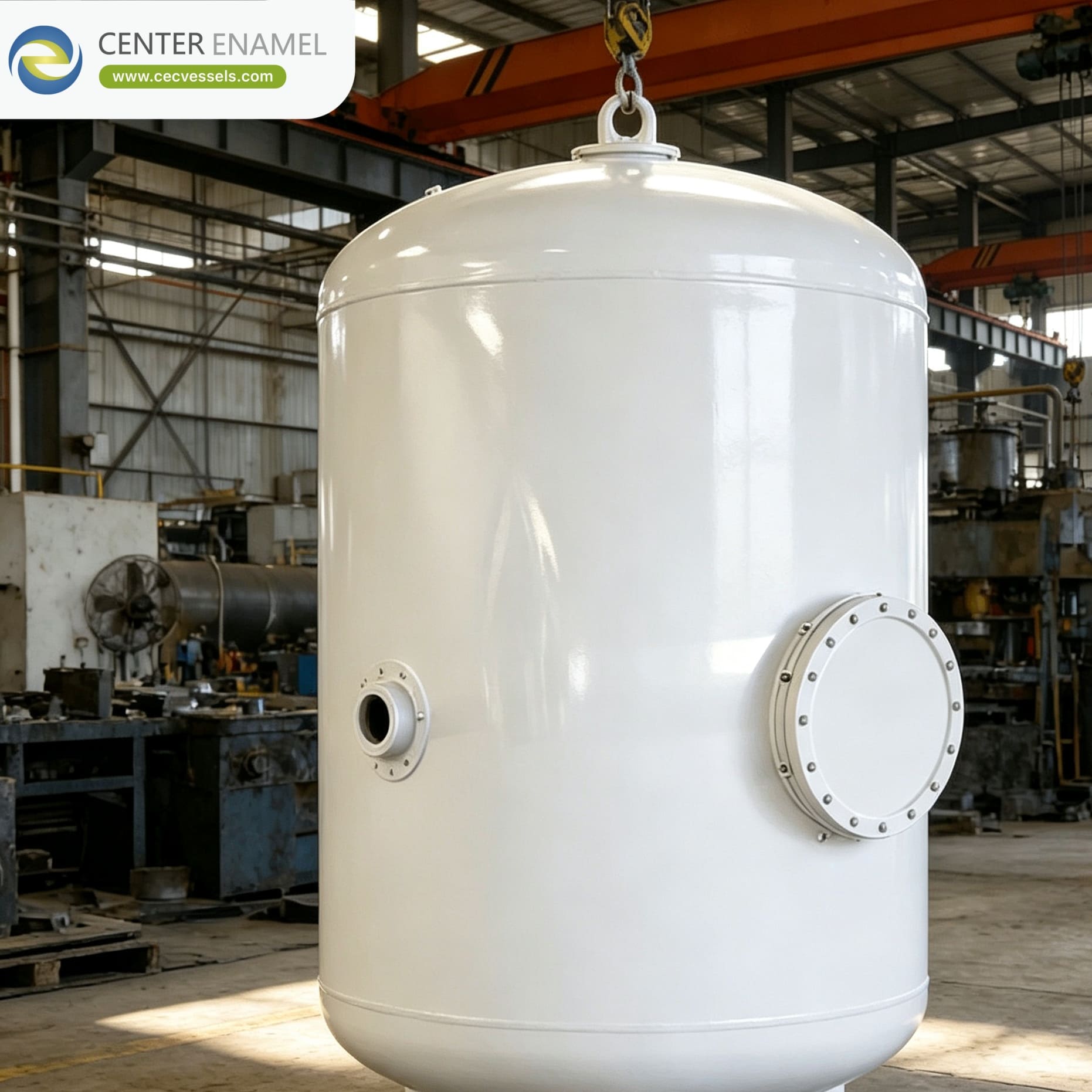
An oil gas separatoris industrial equipment designed to separate gas and liquid components from a mixture produced during oil and gas operations. Depending on the process requirements, the equipment can separate gas from liquid or divide a mixture into gas, oil, and water. An oil and gas separatoris commonly installed in production facilities, processing plants, and pipeline systems. Its primary purpose is to prepare individual streams for subsequent processing, storage, transportation, or recovery. Separators can be classified according to vessel orientation, the number of phases separated, and their specific process functions. Understanding these classifications helps operators and engineers select equipment that matches production conditions and facility requirements. How Does an Oil and Gas Separator Work?The separator oil and gasprocess generally relies on differences in density, changes in flow velocity, and gravity. Some designs also use internal components to improve droplet collection and phase separation. First, the incoming production mixture enters the separator through an inlet nozzle. An inlet diverter changes the flow direction and reduces the momentum of the incoming stream, allowing the gas and liquid components to begin separating. The gas moves toward the upper section of the vessel, while liquid collects in the lower section. Gravity allows liquid droplets to settle, and gas bubbles to rise through the liquid. A mist extractor may be installed near the gas outlet to capture remaining liquid droplets. The separated gas and liquid leave through their respective outlets. In a three-phase configuration, the liquid section also separates oil from water according to their different densities and settling characteristics. The exact arrangement depends on the feed composition, flow rate, required outlet quality, and process design. Different Types of Oil and Gas Separators by Vessel OrientationOne common way to classify oil and gas separatorsis by their physical orientation. The main configurations are horizontal, vertical, and spherical separators. 1. Horizontal Oil and Gas SeparatorA horizontal oil & gas separatorhas a cylindrical vessel positioned horizontally. The incoming mixture enters the vessel, where gas separates into the upper space and liquid collects in the lower section. The horizontal arrangement provides a relatively large gas-liquid interface and sufficient liquid settling length. These characteristics make it suitable for applications involving substantial liquid flow and processes that require oil-water separation. Horizontal separators are widely used in production facilities and are frequently selected for three-phase separation. Internal weirs, baffles, and liquid level controls can be incorporated according to the required separation arrangement. A horizontal separator may be appropriate when the process requires a large liquid collection volume and sufficient space is available for installation. 2. Vertical Oil and Gas SeparatorA vertical separator has a cylindrical vessel installed upright. The incoming mixture enters through a side or upper inlet, depending on the design, and passes through internal separation components. Gas moves upward toward the gas outlet, while liquid droplets fall into the lower collection section. The vertical arrangement provides a relatively small ground footprint and allows liquid to drain toward the bottom outlet. Vertical oil and gas separatorsare commonly used in applications involving substantial gas flow relative to liquid flow. They are also suitable for selected gas scrubbing applications and installations where floor space is limited. The required vessel height, gas flow area, liquid capacity, and maintenance access should be evaluated when selecting this configuration. 3. Spherical Oil and Gas SeparatorA spherical separator uses a compact, rounded vessel design. Its geometry provides a relatively small equipment footprint and can be suitable for specific separation duties. The incoming mixture enters the vessel, where gas and liquid separate through changes in momentum and gravity. Gas collects in the upper region, while liquid accumulates in the lower section. Because the spherical shape provides less liquid settling length and collection space than many horizontal designs, its application depends on the required capacity and separation performance. It is generally selected for specialized process requirements rather than as a universal replacement for horizontal or vertical vessels. Types of Oil and Gas Separators by Number of PhasesAnother important classification is based on the number of fluid phases separated. Production equipment is commonly divided into two-phase and three-phase separators. 1. Two-Phase Oil and Gas SeparatorA production separator oil gassystem designed for two-phase separation divides an incoming mixture into a gas stream and a liquid stream. The liquid outlet may contain crude oil, condensate, water, or a combination of liquid components. The separator's main function is to remove gas from the liquid mixture rather than independently separate every liquid component. Two-phase separators are used in well production facilities, gas processing installations, and other applications where gas-liquid separation is required before downstream treatment. Both horizontal and vertical vessels can be configured for two-phase operation. The selection depends on gas flow, liquid volume, available installation space, and the desired outlet conditions. 2. Three-Phase Oil, Gas, and Water SeparatorA three-phase separator divides the incoming mixture into three streams: gas, oil, and water. Gas rises to the upper section of the vessel. The liquid mixture enters a settling section, where oil and water separate according to their density differences and settling behavior. Oil generally forms the upper liquid layer, while water collects beneath it. Internal weirs, interface controls, and separate liquid outlets help maintain the intended separation arrangement. The collected oil and water can then be directed to their respective treatment or recovery systems. Three-phase oil and gas separatorsare widely used when production streams contain free water that must be separated from crude oil or condensate. Horizontal vessels are frequently considered because they provide a substantial liquid-liquid separation area. Other Common Types of Oil and Gas Separation EquipmentIn addition to conventional production separators, several specialized designs support particular processing functions. Gas ScrubbersA gas scrubber removes entrained liquid droplets from a gas stream. It is often installed upstream of compressors, gas treatment equipment, or other downstream process units. Depending on the application, scrubbers may incorporate inlet diverters, mist eliminators, and liquid collection sections. Vertical configurations are commonly used where gas flow and installation requirements suit this arrangement. Free Water Knockout SeparatorsA free water knockout separator, commonly called an FWKO, separates free water from an oil-containing production stream. It is often used when the incoming liquid contains a substantial amount of water that can settle separately from the oil. This equipment can reduce the water content of the liquid stream before additional oil treatment. Its design depends on water volume, oil properties, settling characteristics, and the required outlet conditions. Inlet SeparatorsAn inlet separator receives a mixed stream at the beginning of a processing unit. It removes bulk liquid before the gas or remaining fluid enters subsequent equipment. Inlet separators can help organize the process flow and support the operation of downstream gas treatment, compression, or separation systems. Key Factors in Selecting an Oil and Gas SeparatorChoosing the appropriate oil gas separatorrequires a clear understanding of the process and installation requirements. First, determine the expected gas and liquid flow rates, including variations in production. These values help establish the vessel dimensions and required separation capacity. Second, identify the number of phases that must be separated. A two-phase unit is suitable when the main objective is gas-liquid separation, while a three-phase unit is required when oil and water must also be separated. Third, evaluate the physical properties of the fluids, including density, viscosity, temperature, and the tendency of droplets to settle or combine. These characteristics influence the vessel orientation and internal component arrangement. Fourth, consider the available installation space, pipeline connections, material compatibility, instrumentation, and maintenance access. Finally, define the required outlet conditions and any applicable design specifications. These requirements provide the basis for determining the separator configuration and associated process equipment. Industrial Applications of Oil and Gas SeparatorsOil and gas separatorsare used throughout upstream production and downstream processing operations. In onshore and offshore production facilities, separators divide well fluids into individual streams for further processing. In gas processing plants, scrubbers and inlet separators remove liquid droplets before gas enters subsequent treatment stages. Refineries and hydrocarbon processing facilities may also use separation equipment to manage mixed gas and liquid streams. Depending on the application, recovered liquids can be directed to storage, additional treatment, or reuse within the process. The appropriate equipment configuration varies with the composition of the feed stream, production capacity, and the requirements of the complete processing system. Choosing the Right Separation SolutionSelecting an appropriate oil and gas separatorinvolves matching vessel orientation, phase separation requirements, internal components, and capacity to the intended application. Horizontal separators are often suitable for substantial liquid flow and three-phase separation, while vertical separators can be advantageous for gas-dominated streams and installations with limited floor space. Spherical separators, gas scrubbers, and free water knockout units serve more specific process functions. By evaluating operating conditions, fluid properties, outlet requirements, and installation constraints, project teams can identify suitable equipment for their production facilities. A properly selected oil & gas separatorsupports effective phase separation and helps prepare gas, oil, and water streams for subsequent industrial processing.
|